Fasteners are essential components in construction, machinery manufacturing, equipment assembly, automotive production, and general engineering. Although bolts may appear simple, their design and dimensions can have a significant influence on connection strength, installation efficiency, maintenance, and overall product performance.
Among the many fastening products available on the market, hex bolts and countersunk bolts are widely used because they address different installation requirements. Hex bolts are valued for their practical head design and dependable clamping performance, while countersunk bolts are preferred when a smoother or more integrated surface is required.
For buyers searching for hex bolts for sale, understanding bolt specifications and application requirements is important before making a purchase. At the same time, sizes such as a 1 2 countersunk bolt, 1 4 countersunk bolt, and 3 8 countersunk bolt can provide different solutions for projects requiring flush or low-profile fastening.

Hex Bolts for Sale for Reliable Industrial Connections
When looking for hex bolts for sale, buyers often focus on price and availability first. However, the right bolt should also meet the mechanical and installation requirements of the intended application.
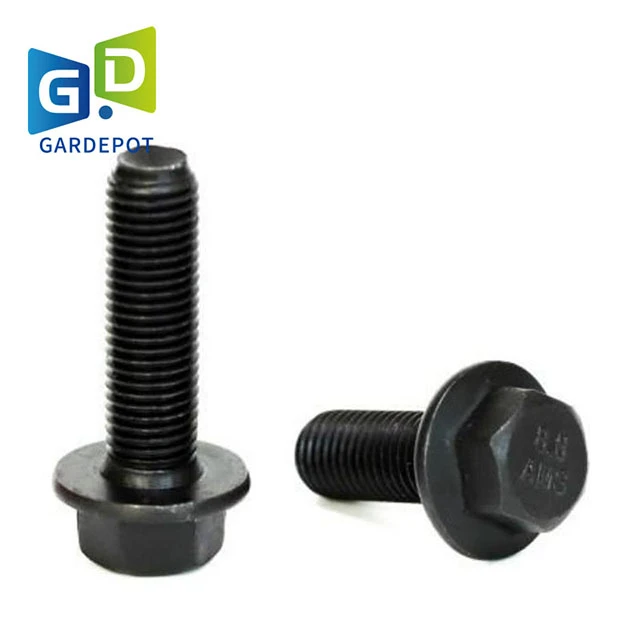
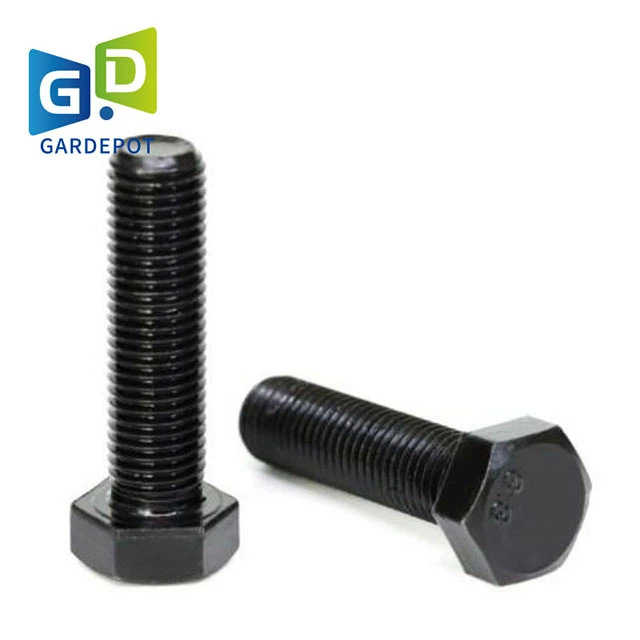
Hex bolts feature a six-sided head that can be tightened using common tools such as wrenches and sockets. This practical configuration provides good tool engagement, making hex bolts suitable for applications where sufficient tightening torque is required.
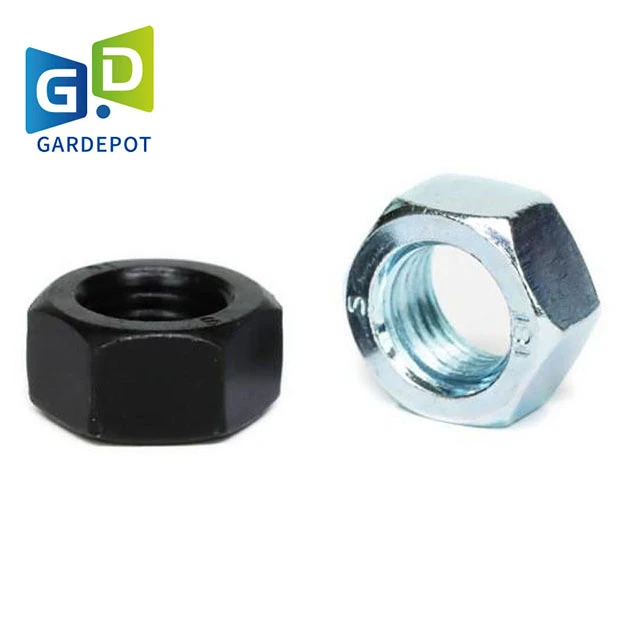
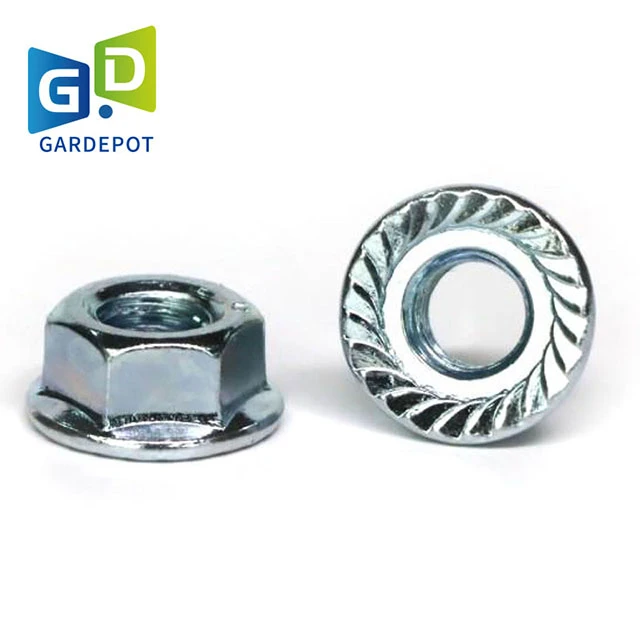
They can be used with compatible nuts and washers to create secure bolted connections. Depending on the product design, material, strength grade, surface treatment, and dimensions, hex bolts can serve applications ranging from general fabrication to heavy-duty machinery.
Another advantage is their accessibility during maintenance. Since the head can be easily reached with standard tools, components secured with hex bolts can generally be removed and reinstalled efficiently. This makes them especially useful for machinery and equipment that require periodic inspection or servicing.
When purchasing online or from a wholesale supplier, customers should check the bolt diameter, length, thread specification, material, strength class, and surface finish rather than choosing solely based on unit price.
1 2 Countersunk Bolt for Flush-Fit Assemblies
A 1 2 countersunk bolt can be considered when a fastening point needs to sit closer to the surface of the assembled material. Countersunk heads are designed to fit into a prepared countersunk hole, allowing the head to become flush or nearly flush with the surrounding surface.
This configuration is useful when protruding bolt heads could interfere with moving parts, adjacent components, or the appearance of a finished product. It can also provide a cleaner surface for assemblies where a smooth exterior is important.
Applications may include metal fabrication, machinery components, furniture hardware, structural assemblies, equipment panels, and other engineered products. The actual suitability of a 1/2-inch countersunk bolt depends on factors such as material thickness, hole geometry, load requirements, and mating components.
Proper hole preparation is particularly important. The countersink angle and diameter should correspond with the bolt head so that the fastener seats correctly. An improperly prepared hole can prevent the head from sitting flush or reduce the effectiveness of the connection.
For manufacturers and engineering teams, confirming dimensional standards before production can help prevent compatibility issues during assembly.
1 4 Countersunk Bolt for Compact Components
A 1 4 countersunk bolt can provide a practical fastening option for assemblies where space is limited or where a relatively compact bolt is required. Its countersunk head allows the fastening point to be integrated into the surface instead of leaving a conventional protruding head.
This design can be particularly useful for equipment covers, brackets, panels, light machinery, fabricated components, and products where appearance and clearance are important. In compact assemblies, even a small amount of protrusion can interfere with another component, making a countersunk design a useful alternative.
Before selecting this size, users should evaluate the thickness and strength of the materials being joined. A bolt must provide adequate engagement without being unnecessarily long. The matching nut or threaded hole should also conform to the required thread specification.
For production applications, consistency is another important consideration. Using bolts with stable dimensions and reliable thread quality can help improve assembly efficiency, especially when fastening operations are repeated across large production volumes.
3 8 Countersunk Bolt for Versatile Fastening Applications
The 3 8 countersunk bolt is another commonly considered option for projects requiring a flush-head fastening solution. Its size can make it suitable for a broad range of mechanical and fabrication applications, although the appropriate choice ultimately depends on the load, material, and design of the connection.
Countersunk bolts are particularly useful where surface clearance matters. For example, a manufacturer may use them on machinery panels where components need to slide over a fastening area, or on fabricated structures where exposed bolt heads could create an obstruction.
In addition to functionality, the low-profile design can contribute to a cleaner finished appearance. This is valuable for products that combine structural performance with visible exterior surfaces.
Installation should be carried out with the appropriate tools and torque. Over-tightening can damage the fastener or the surrounding material, while insufficient tightening may result in movement between connected components. For critical applications, engineers should follow the recommended specifications for the selected bolt and assembly.
How to Select Hex Bolts for Sale for Different Projects
Choosing the right hex bolts for sale requires more than comparing dimensions. Buyers should first identify the application and determine whether the connection requires a conventional hex head or a countersunk configuration.
Material is another important consideration. Steel, stainless steel, and other materials offer different levels of strength and corrosion resistance. Projects exposed to moisture or outdoor conditions may require a suitable corrosion-resistant material or protective surface treatment.
Thread type and pitch should also match the corresponding nut or threaded hole. Incorrect thread compatibility can make installation difficult and potentially damage the components.
Buyers should also consider quantity, packaging, dimensional consistency, and supplier reliability. For large-scale manufacturing or construction projects, purchasing standardized fasteners in bulk can simplify inventory management and help maintain consistent assembly quality.
Countersunk Bolt Solutions for Clean and Efficient Assembly
Whether selecting a 1 2 countersunk bolt, 1 4 countersunk bolt, or 3 8 countersunk bolt, the main objective is to create a secure connection that fits naturally within the overall product design. Countersunk fasteners are especially valuable when surface clearance, appearance, or component movement must be considered.
Hex bolts, meanwhile, remain a practical solution for applications requiring accessible tightening and dependable clamping. Understanding the differences between these fastening designs allows buyers to select products according to actual engineering requirements rather than simply choosing a standard size.
For manufacturers, distributors, contractors, and engineering companies, working with a reliable fastener supplier can further improve purchasing efficiency. Consistent product specifications, stable quality, and suitable customization options can support both small projects and high-volume industrial production.
Ultimately, the best fastening solution is one that combines the appropriate size, head design, material, thread specification, and installation method. Careful selection helps create stronger assemblies, easier maintenance, and better long-term performance.