Understanding 4 mm Hex Bolt Applications and Specifications
The 4 mm hex bolt is a fundamental fastener widely utilized across numerous industries. Its relatively small size belies its strength and versatility, making it ideal for applications requiring secure connections in confined spaces. From electronics assembly to furniture construction, and even specialized machinery, this bolt plays a crucial role. At Gardepota, we specialize in providing high-quality 4 mm hex bolts tailored to meet diverse project needs. This article will delve into its properties, common applications, material choices, and crucial specifications to help you choose the right bolt for your specific requirements.
What Makes a 4 mm Hex Bolt Stand Out?
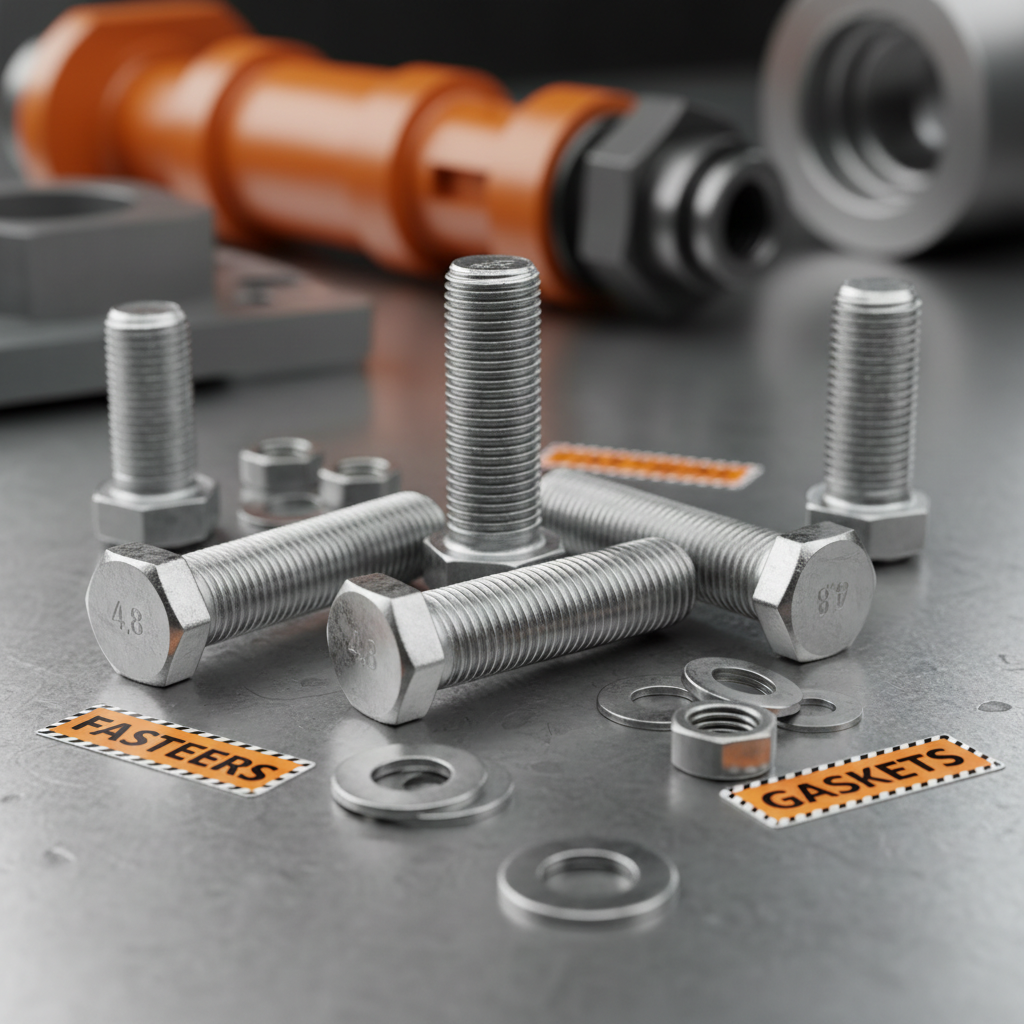
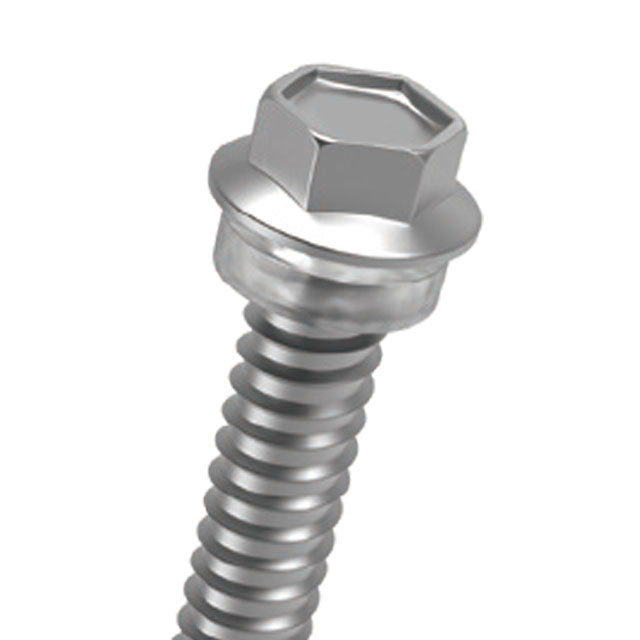
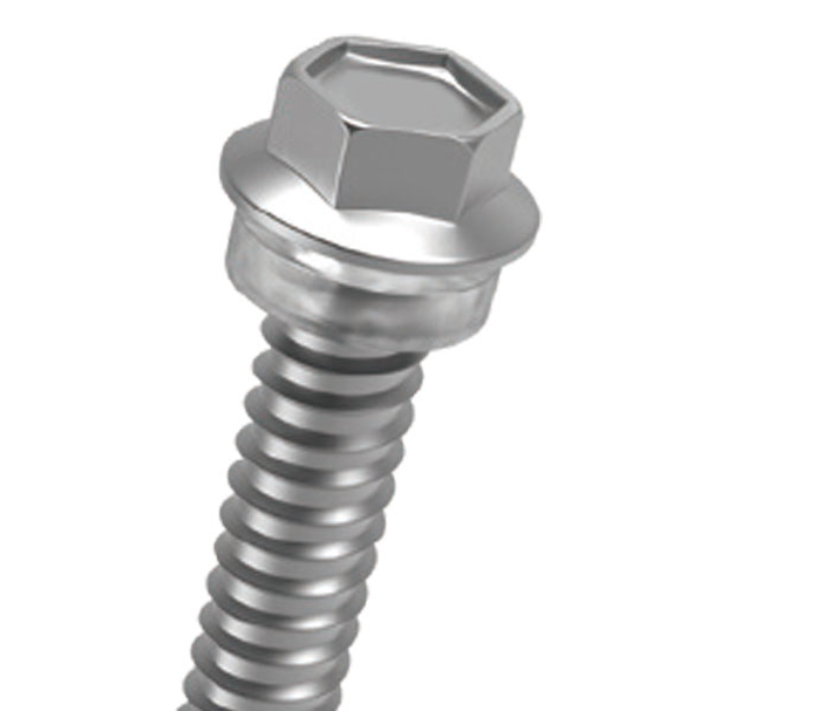
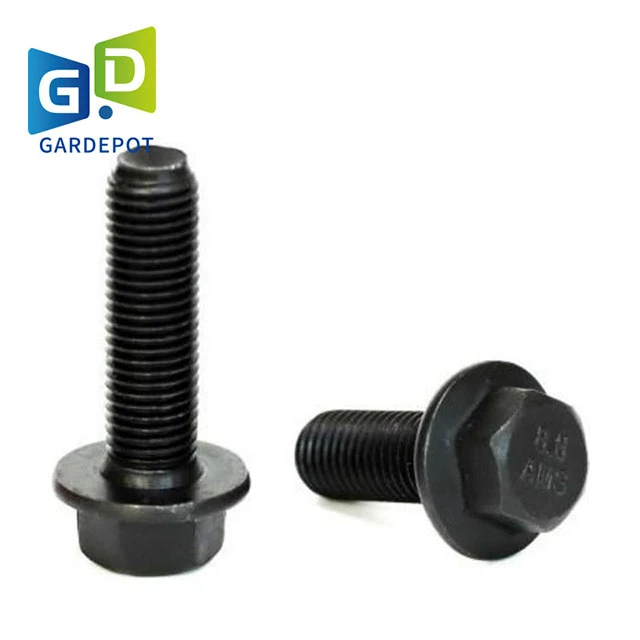
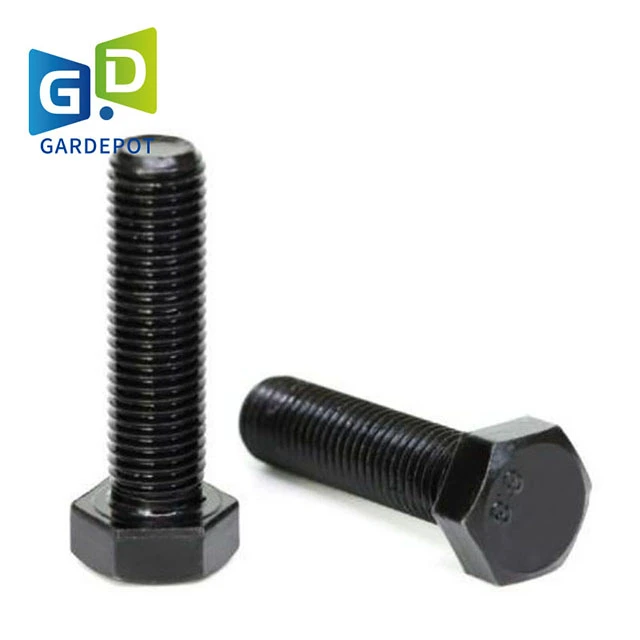
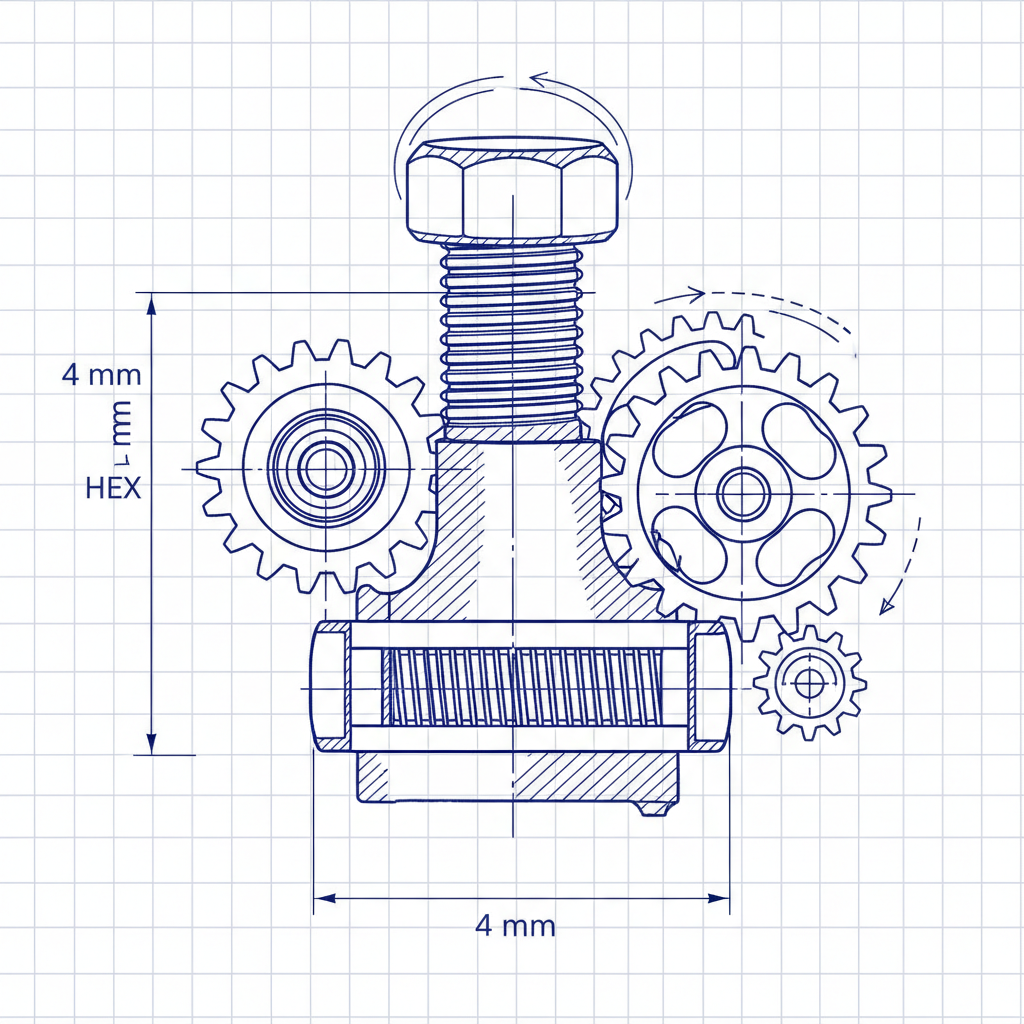
A 4 mm hex bolt derives its name from the diameter of its threaded portion – 4 millimeters. The 'hex' refers to its hexagonal head, designed to be easily tightened and loosened using a wrench or socket. This hexagonal shape provides a greater surface area for wrench contact compared to other bolt head types, maximizing torque application. The standardized design ensures compatibility with readily available tools, simplifying assembly and maintenance. Furthermore, the 4mm size makes it suitable for applications where larger bolts would be impractical or create excessive stress on the connected materials.
Key Advantages: Ease of installation with standard wrenches, compact size for tight spaces, consistent torque application, and robust holding power.
Common Applications of 4 mm Hex Bolts
The versatility of the 4 mm hex bolt leads to its widespread use. In the electronics industry, they secure components within devices, ensuring structural integrity. Furniture manufacturers rely on them for assembling smaller pieces and connecting hardware. Machinery often utilizes these bolts in control panels and access doors. Automotive applications include securing interior trim and light fixtures. Beyond these, they find use in model making, hobby crafts, and various DIY projects. Choosing the right material is crucial for ensuring longevity and compatibility within each application.
Application Examples:
• Electronics assembly
• Furniture construction
• Machinery control panels
• Automotive interior trim
Material Options: Choosing the Right 4 mm Hex Bolt for Your Project
4 mm hex bolts are available in a variety of materials, each with unique properties. Carbon steel is a common and cost-effective option for general-purpose applications. Stainless steel provides superior corrosion resistance, making it ideal for outdoor or humid environments. Aluminum offers a lightweight alternative, suitable for applications where weight is a concern. Plastic hex bolts are also available, offering non-conductive properties and resistance to certain chemicals. Selecting the appropriate material ensures the bolt’s longevity and prevents premature failure. At Gardepota we stock a wide array of materials to suit any need.
Understanding 4 mm Hex Bolt Specifications
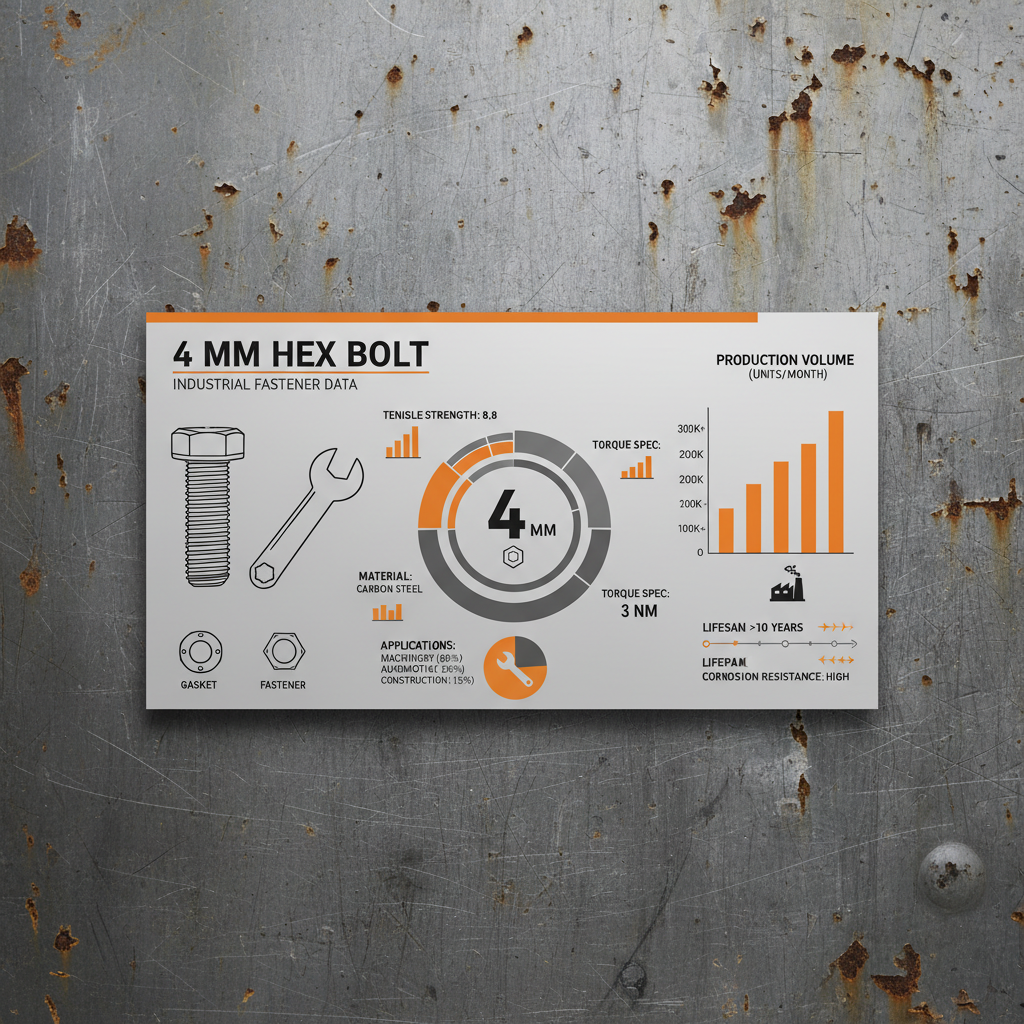
When specifying a 4 mm hex bolt, several key characteristics must be considered. These include the bolt's length, thread pitch (typically 0.7mm for a 4mm bolt), and drive type (standard hexagonal). The grade of the bolt, indicated by markings on the head, signifies its tensile strength. Common grades include 4.8, 8.8, and 12.9, with higher numbers denoting greater strength. Choosing the correct grade is critical for ensuring the fastener can withstand the intended load. The finish, such as zinc plating or black oxide, impacts corrosion resistance and aesthetic appearance.
Conclusion: Finding the Perfect 4 mm Hex Bolt with Gardepota
Choosing the right 4 mm hex bolt requires careful consideration of the application, material, and specifications. At Gardepota, we offer a comprehensive range of 4 mm hex bolts to meet your specific needs. Our expert team is available to assist you in selecting the ideal fastener for your project, ensuring a secure and reliable connection. Don’t compromise on quality – choose Gardepota for all your fastening solutions.
Frequently Asked Questions (FAQs)
What thread pitch is standard for a 4 mm hex bolt?
The standard thread pitch for a 4 mm hex bolt is 0.7mm. This means there are 0.7 millimeters between each thread. This standardization ensures compatibility with corresponding nuts and tapped holes. While other pitches can exist, 0.7mm is overwhelmingly the most common, and is what you should expect unless specifically indicated otherwise. Using an incorrect thread pitch will prevent the bolt from properly engaging, leading to a weak and unreliable connection.
What does the 'grade' marking on a 4 mm hex bolt indicate?
The grade marking (e.g., 4.8, 8.8, 12.9) indicates the bolt's tensile strength and yield strength. These numbers represent different material properties and manufacturing processes. A higher grade number signifies a stronger bolt capable of withstanding greater stress. For example, a grade 12.9 bolt is significantly stronger than a grade 4.8 bolt. Choosing the appropriate grade is crucial for ensuring the bolt can handle the intended load and prevent failure. Refer to engineering specifications or consult with a fastener expert to determine the correct grade for your application.
Are 4 mm hex bolts suitable for outdoor use?
Whether a 4 mm hex bolt is suitable for outdoor use depends on the material it’s made from. Carbon steel bolts are susceptible to corrosion when exposed to moisture and the elements. For outdoor applications, stainless steel or coated bolts (like zinc-plated) are highly recommended. These materials offer superior corrosion resistance, ensuring the bolt maintains its strength and integrity over time. Even with corrosion-resistant materials, regular inspection and maintenance are important to prevent long-term degradation.
What tools are needed to tighten a 4 mm hex bolt?
A standard hexagonal wrench (also known as an Allen wrench or hex key) is the primary tool for tightening a 4 mm hex bolt. The wrench size required will be 3mm. Alternatively, a socket wrench with a 3mm hex socket can be used for faster tightening and loosening, particularly in applications with multiple bolts. It’s important to use the correct size wrench to prevent damaging the bolt head and ensure proper torque application.