A Complete Guide to Roofing Plates and Screws for Modern Roofing Systems
Roofing systems rely heavily on the correct combination of fasteners and plates to ensure durability, weather resistance, and long-term performance. Whether you are working on commercial flat roofs or residential projects, understanding how roofing plates and screws function together is essential for a secure installation.
From EPDM and TPO membranes to insulated roofing systems, the proper selection of fasteners like roofing screws and plates can significantly impact the lifespan and reliability of your roof. This guide explores the different types of roofing plates, their applications, and how to choose the right system for your project.
Types of Roofing Plates and Their Applications
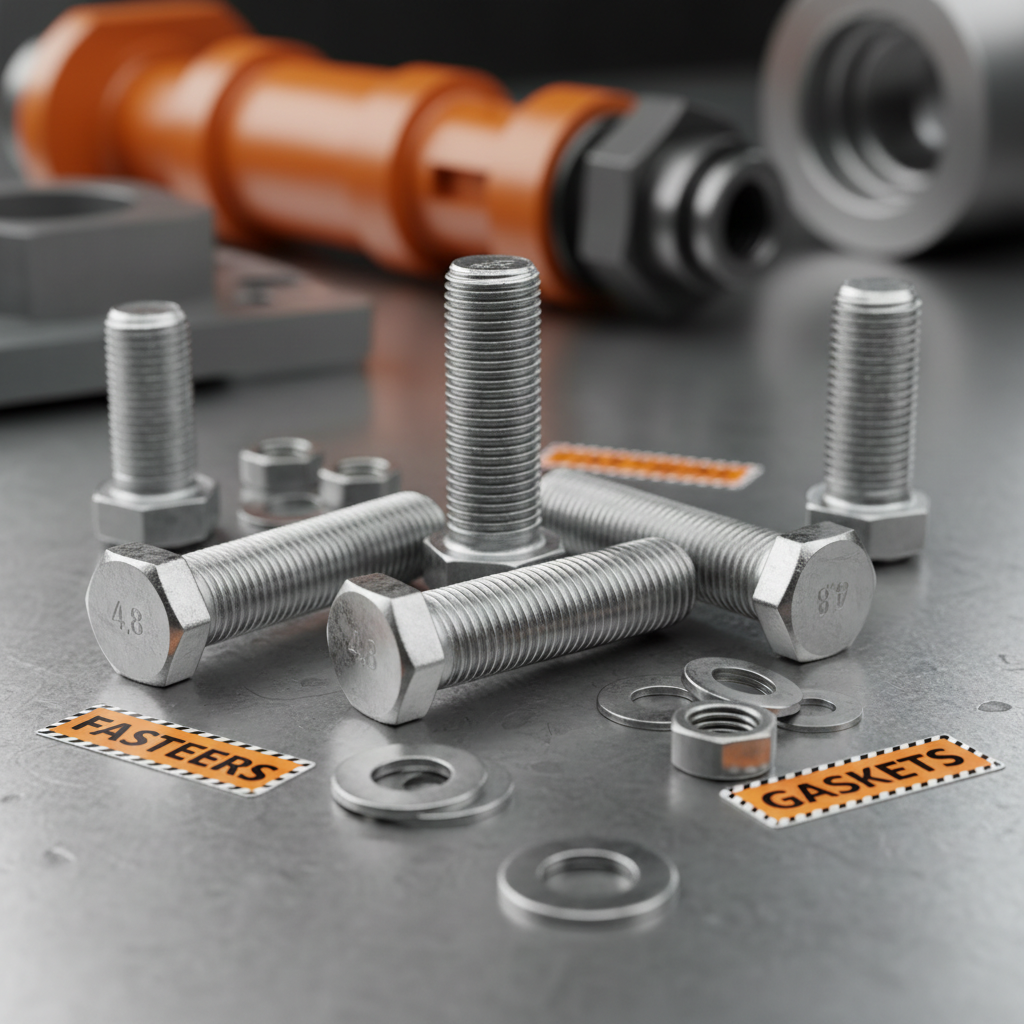
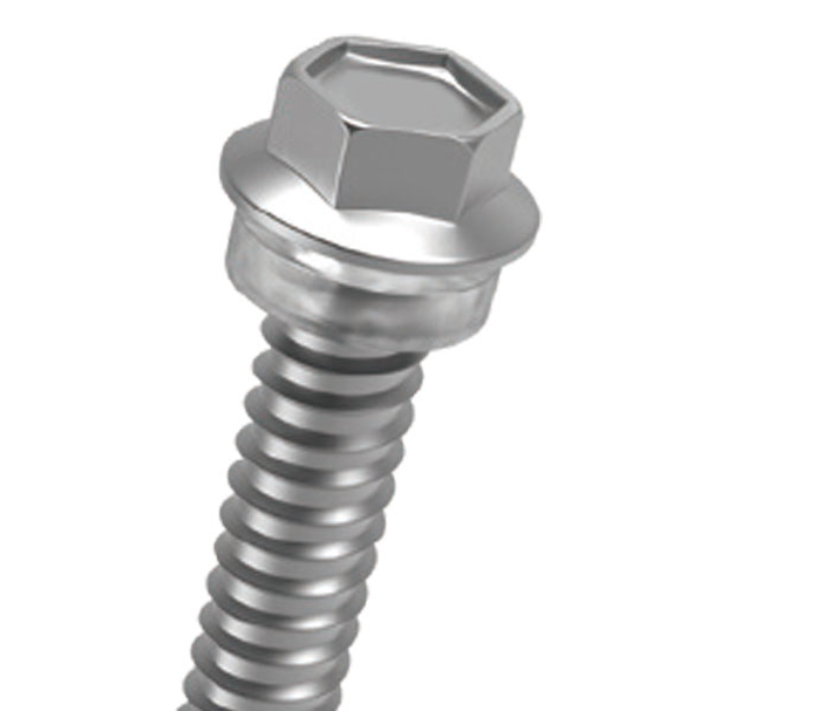
Roofing plates are designed to distribute the load of screws across a larger surface area, preventing damage to membranes and improving overall fastening strength. A standard roofing plate is typically made from metal or durable composite materials and is paired with compatible screws for maximum efficiency.
In insulation systems, tetőszigetelő lemezek play a critical role. These plates secure insulation boards to the roof deck while maintaining stability under varying weather conditions. They help prevent uplift caused by wind and ensure that insulation layers remain intact over time.
For rubber roofing systems, such as EPDM, specialized solutions like rubber roof plates and rubber roofing plates and screws are commonly used. These components are designed to work seamlessly with flexible membranes, minimizing the risk of tearing or puncturing. In particular, screws and plates for rubber roofing are engineered to provide strong anchoring without compromising the material’s integrity.
A popular installation method includes using epdm rubber roofing 3 screws and 3 plates, which ensures balanced load distribution and enhanced holding power. Similarly, configurations like 3 roofing plates are often utilized in areas exposed to higher wind loads or where additional reinforcement is required.
TPO roofing systems also require specific fastening components. TPO roofing plates are designed to bond effectively with thermoplastic membranes, while TPO seam plates are used along seams to ensure tight, secure connections that resist water infiltration.
When selecting plates, it’s important to consider material compatibility, environmental conditions, and load requirements. The right combination of plates and screws ensures optimal performance and longevity.
Choosing the Right Roofing Screws and Plate Systems
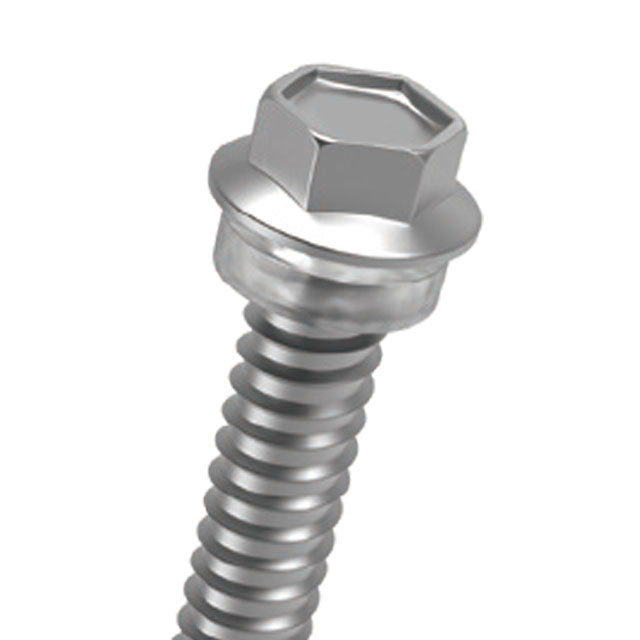
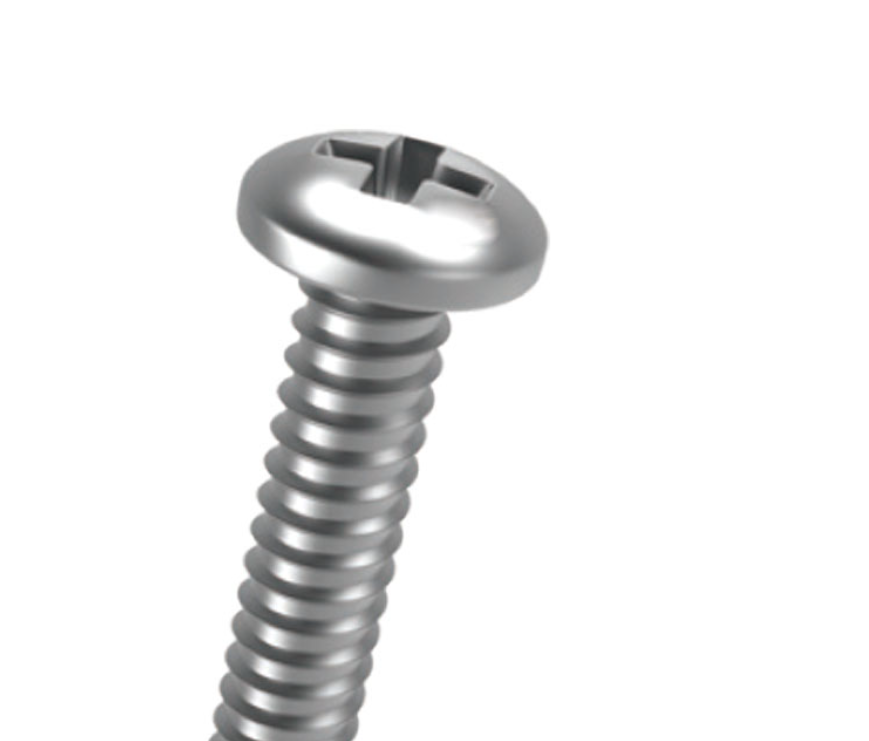
Selecting the correct roofing screws and plates involves understanding the type of roofing material, the thickness of insulation, and the environmental stresses the roof will face. For instance, rubber roof screws and plates are specifically designed to work with rubber membranes, providing flexibility and durability.
In EPDM systems, rubber roofing screws and plates are essential for maintaining watertight seals while accommodating the natural expansion and contraction of the material. Using the wrong fasteners can lead to premature failure, leaks, and costly repairs.
For projects involving insulation, combining tetőszigetelő lemezek with high-quality screws ensures that the insulation remains firmly attached even under extreme conditions. This is especially important in commercial buildings where large surface areas are exposed to wind uplift.
Another key factor is corrosion resistance. Roofing fasteners are often exposed to moisture, temperature fluctuations, and UV radiation. Choosing coated or stainless-steel options can extend the lifespan of both the screws and plates.
In TPO installations, TPO roofing plates and TPO seam plates must be used according to manufacturer guidelines to ensure proper bonding and sealing. These specialized plates are designed to work with heat-welded seams, providing a secure and durable connection.
Proper installation techniques are just as important as selecting the right materials. Ensuring even spacing, correct torque, and proper alignment of roofing plates and screws can prevent issues such as membrane damage or uneven load distribution.
Roofing plates and screws are fundamental components of any reliable roofing system. From rubber roofing plates and screws used in EPDM applications to TPO seam plates in thermoplastic systems, each type serves a specific purpose in ensuring structural integrity and weather resistance.
By understanding the differences between roofing plates and screws, rubber roof plates, and tetőszigetelő lemezek, contractors and builders can make informed decisions that enhance performance and longevity. Whether you are installing a new roof or upgrading an existing one, investing in the right fastening system is key to achieving long-term success.
FAQ: Roofing Plates and Screws (Including Key Keywords)
1. What are roofing plates and screws used for?
Roofing plates and screws are used to secure roofing membranes and insulation to the roof deck. They distribute load evenly and help prevent damage to roofing materials.
2. Why use epdm rubber roofing 3 screws and 3 plates?
This method provides balanced fastening, improving stability and resistance to wind uplift in EPDM roofing systems.
3. What is the difference between rubber roofing plates and screws and standard fasteners?
Rubber roofing plates and screws are specifically designed to work with flexible membranes, reducing the risk of tearing and ensuring a watertight seal.
4. How do TPO roofing plates and TPO seam plates work?
TPO roofing plates secure the membrane to the deck, while TPO seam plates reinforce seams and ensure strong, leak-resistant connections.
5. When should I use tetőszigetelő lemezek? (H3)
Roof insulation plates are used when installing insulation boards to ensure they remain secure and stable under environmental stress.