
45 Mil EPDM Roofing Membrane and Steel Bolt Price Guide
When engineering flat roofing systems for industrial or commercial facilities, the choice of membrane thickness directly impacts the lifecycle cost and structural integrity of the building. The 45 Mil EPDM (Ethylene Propylene Diene Monomer) roofing membrane represents a strategic balance between high-performance protection and installation efficiency. Unlike thinner alternatives, this specific thickness is engineered to withstand severe environmental stress, including heavy UV exposure and extreme thermal fluctuations, which are common in large-scale warehouse and factory environments.
For procurement managers and project engineers, understanding the technical advantages of a 45 mil thickness—such as enhanced puncture resistance and extended service life—is critical for reducing long-term maintenance overhead. By utilizing a seamless, monolithic structure, this material effectively eliminates common leak points found in traditional roofing, ensuring a watertight seal that protects the underlying assets from moisture infiltration and environmental degradation.

Technical Composition and Weathering Resistance of 45 Mil EPDM
The efficacy of the 45 Mil EPDM roofing membrane lies in its unique chemical structure. Ethylene Propylene Diene Monomer is a synthetic rubber known for its exceptional stability. At a thickness of 45 mils, the material provides a substantial physical barrier that is significantly more robust than standard commercial membranes. This thickness is specifically chosen to enhance resistance against ozone, UV radiation, and oxidation, preventing the material from becoming brittle or cracking over decades of service.
One of the standout technical characteristics is its thermal flexibility. Whether operating in freezing arctic conditions or scorching tropical heat, the membrane maintains its elasticity. This ensures that the roof can expand and contract without compromising the waterproof seal. For industries involving non-metallic mineral products or heavy machinery, where structural vibrations and thermal shifts are common, this flexibility is an essential requirement for maintaining a leak-free envelope.
- UV Stability: High resistance to sunlight-induced degradation.
- Ozone Resistance: Prevents atmospheric cracking and surface pitting.
- Thermal Range: Retains flexibility across extreme temperature gradients.
- Monolithic Seal: Reduced joint count minimizes potential failure points.

Industrial Application Scenarios and Performance Expectations
The 45 Mil EPDM solution is predominantly deployed in environments where reliability is non-negotiable. In large-scale commercial buildings, warehouses, and factories, flat roofs often suffer from water pooling. The superior waterproofing properties of this membrane ensure that even in areas of stagnant water, the structural integrity of the concrete or steel decking remains uncompromised. Its high puncture resistance also makes it ideal for roofs that may experience occasional foot traffic or the placement of heavy HVAC equipment.
Beyond traditional roofing, this material is increasingly used as a foundation for green roof installations. The chemical inertness of EPDM prevents root penetration and moisture seepage, providing a reliable waterproofing layer beneath sustainable vegetation systems. In residential contexts, such as garage extensions or flat-roofed additions, it offers a low-maintenance alternative to bitumen or TPO, significantly reducing the frequency of required inspections and repairs.
Installation Methodologies and Long-Term Maintenance Logic
Efficiency in deployment is a key value driver for the 45 Mil EPDM membrane. Depending on the substrate and project requirements, three primary installation methods are typically employed: fully adhered, mechanically fastened, or ballasted. The fully adhered method involves using high-strength adhesives to bond the membrane directly to the insulation, providing maximum wind uplift resistance. Mechanically fastened systems are faster to install, utilizing specialized fasteners to secure the membrane at strategic intervals.
From a maintenance perspective, EPDM is regarded as one of the most cost-effective materials available. Because it does not require the frequent recoating or patching associated with modified bitumen, the total cost of ownership is lowered over its 25+ year lifespan. The primary maintenance requirement involves periodic inspections of the seams and perimeter flashing to ensure that environmental wear hasn't created gaps, though the inherent durability of the 45 mil thickness makes such failures rare.
EPDM Membrane Performance Comparison Matrix
| Feature Dimension | Standard EPDM (45 Mil) | TPO Membrane | PVC Membrane | Modified Bitumen |
|---|---|---|---|---|
| UV Resistance | Exceptional | High | Medium | Low to Medium |
| Puncture Strength | High | Medium | Medium | Medium |
| Thermal Stability | Excellent | Good | Good | Limited |
| Expected Lifespan | 25+ Years | 15-20 Years | 20 Years | 10-15 Years |
| Maintenance Level | Very Low | Low | Low | Moderate |
Procurement Considerations and Supplier Capability Evaluation
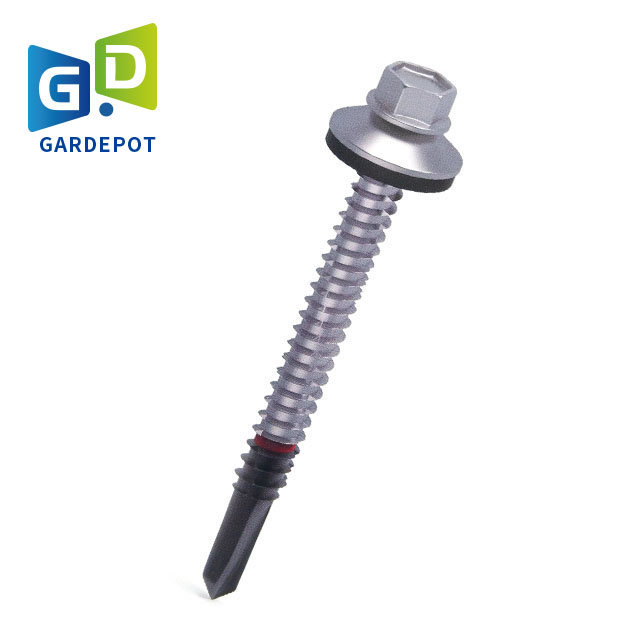
When sourcing high-durability membranes, buyers must look beyond the initial steel bolt price or material cost and evaluate the holistic supply chain capability. A reliable manufacturer should provide not only the membrane but also the integrated accessories, such as flashing tapes, sealants, and compatible adhesives. Hebei Gardepot Technology Co., Ltd. integrates this approach by offering a comprehensive suite of waterproof materials, including TPO and PVC membranes, ensuring that clients can source complementary materials from a single, quality-controlled origin.
Customization is another critical factor. Industrial projects often require non-standard roll widths or specialized pre-laid anti-adhesive membranes with sand or fiber cloth on one side for underground concrete waterproofing. The ability of a supplier to develop new materials or modify existing specifications based on the specific environmental challenges of a site—such as extreme chemical exposure or seismic activity—distinguishes a strategic partner from a simple vendor.
Future Trends in Sustainable Waterproofing Systems
The roofing industry is shifting toward "cool roof" technologies to combat the urban heat island effect. While standard EPDM is typically black, the development of white-coated EPDM allows for high solar reflectance without sacrificing the material's inherent durability. This evolution reduces energy consumption for cooling in large industrial warehouses, aligning operational efficiency with environmental sustainability goals.
Furthermore, the integration of smart sensing technology within roofing membranes is an emerging trend. By embedding moisture sensors into the 45 Mil EPDM layer, facility managers can receive real-time alerts about water infiltration before it causes structural damage. As building codes become more stringent regarding energy efficiency and water management, the adoption of high-thickness, long-life membranes like EPDM will continue to grow as the baseline for sustainable commercial construction.
Frequently Asked Questions on 45 Mil EPDM Roofing
What makes 45 Mil EPDM superior to thinner membranes?
The 45 mil thickness provides significantly higher puncture resistance and a greater safety margin against weathering and abrasion. This results in a longer service life, typically exceeding 25 years, and reduces the likelihood of leaks caused by mechanical damage during installation or maintenance.
Is EPDM suitable for extremely cold climates?
Yes, EPDM is highly recommended for cold climates because it retains its flexibility at very low temperatures. Unlike some plastic-based membranes that can become brittle and crack in freezing weather, EPDM adapts to thermal contraction without losing its waterproofing properties.
How is 45 Mil EPDM typically installed on flat roofs?
It can be installed via three main methods: fully adhered (using adhesives for maximum wind resistance), mechanically fastened (using screws and plates for speed), or ballasted (using gravel or pavers to hold the membrane in place).
Can EPDM be used for underground concrete waterproofing?
Yes, specifically pre-laid anti-adhesive EPDM membranes with sand or fiber cloth on one side are used for underground concrete waterproofing to prevent water infiltration into foundations and basements.
What are the main maintenance requirements for an EPDM roof?
EPDM is very low-maintenance. The primary requirement is periodic inspection of the seams, edges, and flashing to ensure they remain sealed. Debris should be removed to prevent water pooling and potential organic growth on the surface.
Does EPDM support green roof installations?
Yes, due to its excellent moisture resistance and chemical stability, 45 Mil EPDM is frequently used as the primary waterproofing layer for green roofs, providing a durable foundation for soil and vegetation.
Technical References and Industry Standards
- American Society of Civil Engineers - Roofing Standards
- ASTM International - Rubber Membrane Specifications
- National Institute of Standards and Technology - Building Envelope Research
- ISO Standards for Waterproofing Materials
Selecting the right roofing membrane is a long-term investment in a building's structural health. For those requiring a balance of extreme durability, thermal flexibility, and low maintenance, the 45 Mil EPDM membrane stands as a premier choice for industrial and commercial applications.
Related Technical Solutions





 English
 Arabic
 Dutch
 French
 German
 Greek
 Hungarian
 Indonesian
 Italian
 Japanese
 Korean
 Polish
 Portuguese
 Spanish
 Swahili
 Swedish
 Thai
 Turkish
 Ukrainian
 Urdu