Understanding the Versatility of 4.8 Hex Bolt
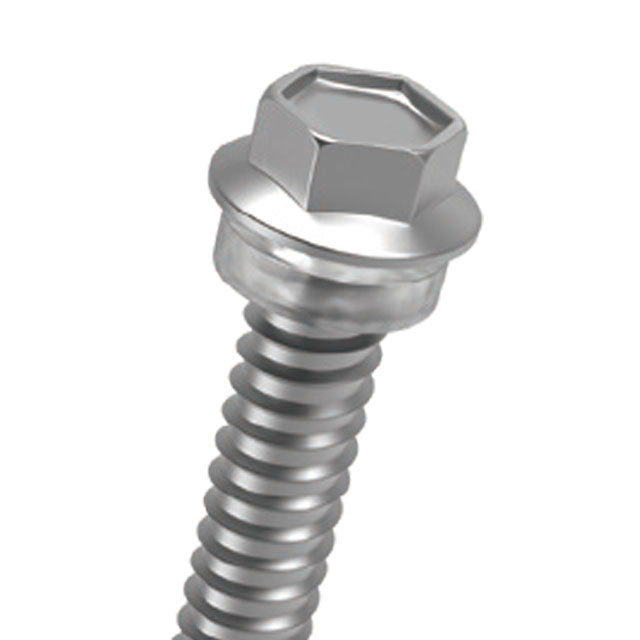
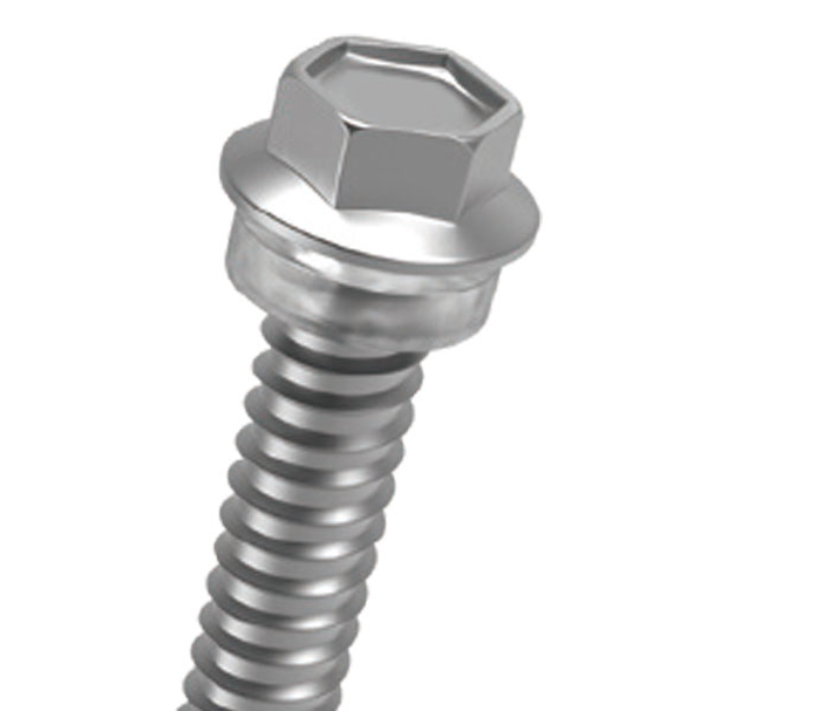
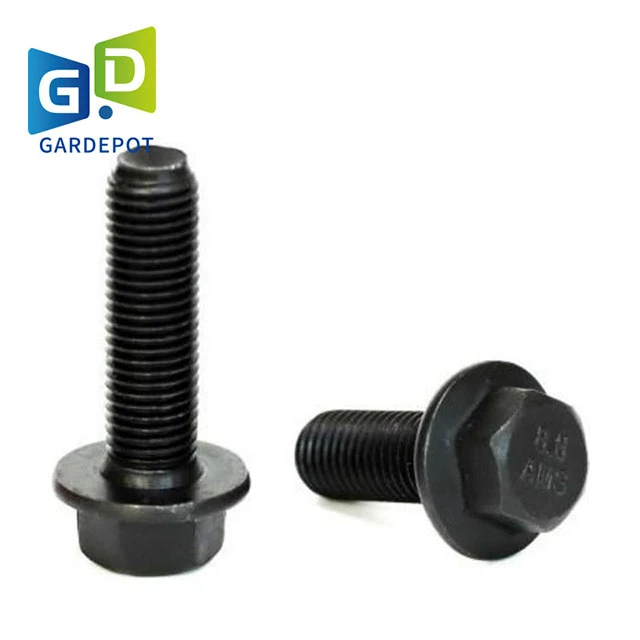
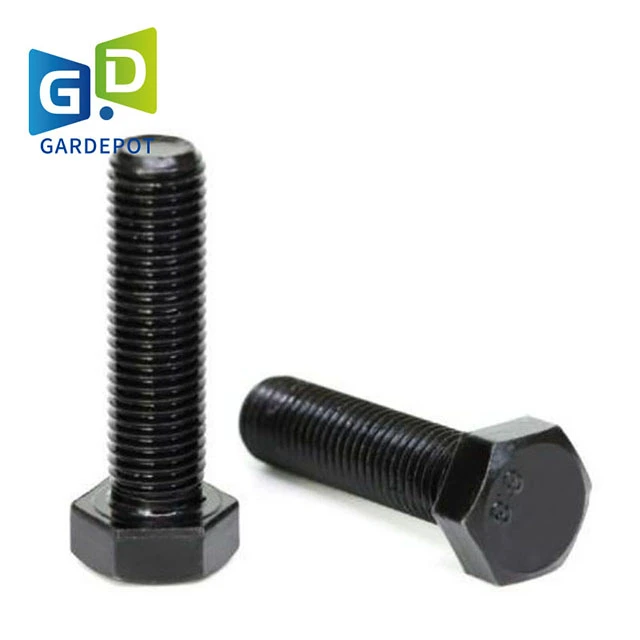
The 4.8 hex bolt is a fundamental fastener used across numerous industries, from construction and automotive to machinery and infrastructure. Its strength, reliability, and standardized design make it a go-to component for secure assembly. This article provides a comprehensive overview of 4.8 hex bolts, covering their specifications, applications, material properties, and crucial factors to consider when sourcing them. We'll also explore why choosing a reputable supplier like Gardepota is essential for ensuring quality and performance. Choosing the right bolt is key to project safety and longevity.
What Defines a 4.8 Hex Bolt?
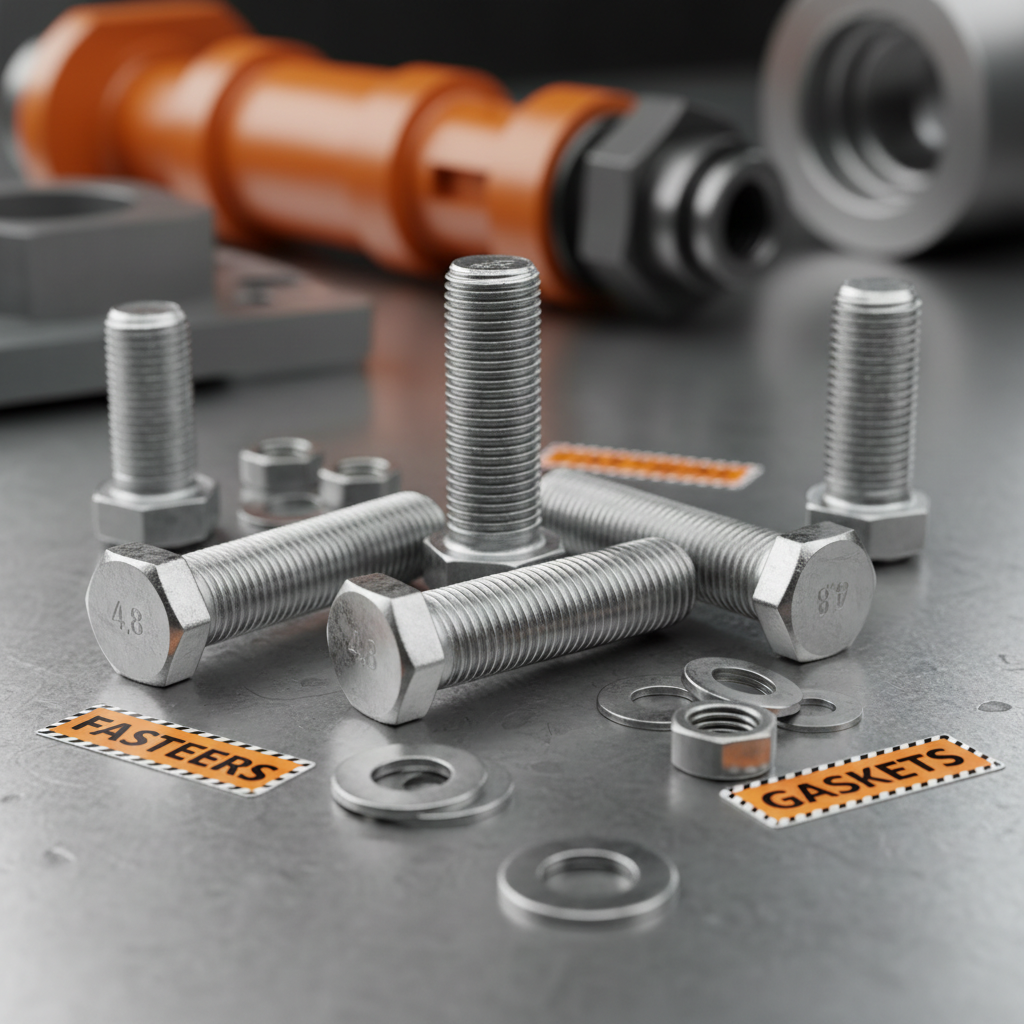
The "4.8" designation in a hex bolt refers to its mechanical properties – specifically, its tensile strength and yield strength. A 4.8 bolt signifies a tensile strength of approximately 400 MPa (megapascals) and a yield strength of 240 MPa. This makes it suitable for a wide range of general-purpose fastening applications. It's important to understand that these values are minimum requirements, and actual strength may vary slightly depending on the manufacturing process and material composition. These bolts are generally manufactured from carbon steel and are often zinc plated for corrosion resistance.
Key Takeaway: A 4.8 hex bolt offers a balanced combination of strength and cost-effectiveness for common fastening needs. Understanding the mechanical properties ensures the bolt is suitable for the intended application.
Common Applications of 4.8 Hex Bolts
Due to their versatility and affordability, 4.8 hex bolts find applications in numerous sectors. Common uses include:
- Construction: Joining structural steel components, fastening timber, and securing fixtures.
- Automotive: Assembling chassis parts, engine components, and interior trim.
- Machinery: Fastening guards, covers, and structural elements of industrial machinery.
- Furniture Assembly: Securing joints in wooden and metal furniture.
- General Fastening: A wide variety of general-purpose fastening tasks where high strength isn't critical.
The ability to source these bolts in various sizes, lengths, and finishes contributes to their widespread applicability.
Material and Manufacturing of 4.8 Hex Bolts
Typically, 4.8 hex bolts are manufactured from medium carbon steel, conforming to standards such as ISO 898-1. The steel is heat-treated to achieve the specified mechanical properties. Common finishes include zinc plating, which provides corrosion resistance, and black oxide, which offers a less protective but aesthetically pleasing finish. The manufacturing process typically involves cold forging, which enhances the strength of the bolt. It’s crucial to ensure the bolts meet relevant industry standards and have undergone proper quality control testing.
Material & Manufacturing Considerations:
• Medium carbon steel is the standard material.
• Heat treatment is essential to achieving 4.8 properties.
• Cold forging increases bolt strength.
• Finishes like zinc plating enhance corrosion resistance.
4.8 Hex Bolt vs. Higher Grade Bolts: A Comparison
While 4.8 hex bolts are suitable for many applications, higher grade bolts (e.g., 8.8, 10.9, 12.9) offer increased strength and are necessary for more demanding scenarios. The following table illustrates the key differences:
Why Choose Gardepota for Your 4.8 Hex Bolt Needs?
Sourcing 4.8 hex bolts from a reputable supplier is crucial to ensure quality, consistency, and reliability. Gardepota offers a wide range of 4.8 hex bolts in various sizes and finishes, all manufactured to strict quality control standards. We prioritize customer satisfaction and provide competitive pricing, efficient shipping, and dedicated support. Choosing Gardepota means choosing peace of mind and ensuring the success of your projects.
Conclusion: Ensuring Reliable Fastening with 4.8 Hex Bolts
The 4.8 hex bolt remains a vital fastener for countless applications. Understanding its properties, applications, and sourcing considerations is paramount for ensuring project success. Partnering with a trusted supplier like Gardepota guarantees quality, reliability, and efficient service.
Frequently Asked Questions (FAQs)
What does the '4.8' marking on a hex bolt signify?
The '4.8' marking indicates the bolt's mechanical properties, specifically its tensile strength and yield strength. '4' represents one-tenth of the ultimate tensile strength in MPa (400 MPa), and '8' represents one-tenth of the yield strength (240 MPa). This system provides a standardized way to identify the bolt's strength grade, ensuring it's suitable for the intended application. Always verify the markings to confirm the bolt's properties.
Are 4.8 hex bolts suitable for outdoor use?
While carbon steel 4.8 hex bolts can be used outdoors, they are susceptible to corrosion. To enhance their durability in outdoor environments, they are typically coated with zinc plating or other protective finishes. If exposed to harsh weather conditions or corrosive substances, using stainless steel bolts is recommended for long-term reliability.
What tools are needed to install a 4.8 hex bolt?
The primary tool needed is a wrench or socket of the appropriate size to fit the hex head. Depending on the application, you may also need a drill to create a pilot hole, a tap to create threads (if necessary), and a torque wrench to ensure proper tightening. Using a torque wrench is recommended to avoid over-tightening, which can damage the bolt or the materials being fastened.
Where can I find reliable suppliers of 4.8 hex bolts?
Choosing a reputable supplier is crucial. Gardepota is a trusted source for high-quality 4.8 hex bolts, offering a wide selection, competitive pricing, and excellent customer service. Look for suppliers who adhere to industry standards and provide clear product specifications.