Understanding the cost of rubber roofing membrane and its Strategic Value
In the commercial and industrial roofing sector, the strategic evaluation of materials is paramount, balancing initial investment with long-term performance and lifecycle costs. Rubber roofing membranes, primarily EPDM (ethylene propylene diene monomer) and TPO (thermoplastic polyolefin), have become dominant choices due to their exceptional durability, weather resistance, and versatility. This comprehensive analysis delves into the nuances of the cost of rubber roofing membrane, examining manufacturing processes, technical specifications, application advantages, and market trends to provide B2B decision-makers with the insights needed for informed procurement and project planning.
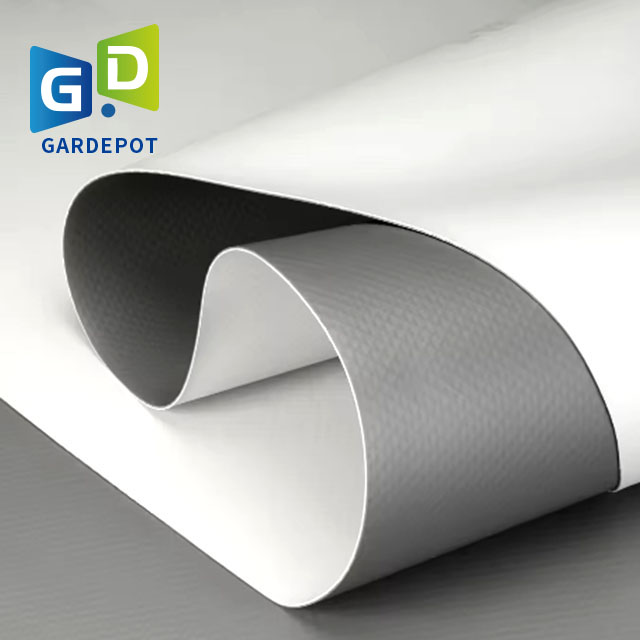
While EPDM and TPO are widely considered 'rubber' or synthetic rubber membranes, it's crucial to acknowledge other advanced single-ply roofing solutions like PVC membranes, which offer distinct advantages in specific industrial applications, particularly where chemical resistance and heat welding capabilities are critical. Understanding the comparative benefits and costs across these advanced membrane types is essential for optimizing roofing investments.
Manufacturing Process of Advanced Roofing Membranes
The production of high-performance roofing membranes, whether EPDM, TPO, or PVC, involves sophisticated engineering to ensure their resilience and longevity. This section outlines the general process, highlighting key materials, manufacturing techniques, and quality control standards that ultimately influence the cost of rubber roofing membrane.
Materials and Compounding: The Foundation of Performance
For EPDM membranes, the primary material is a synthetic rubber derived from ethylene, propylene, and a diene monomer. This polymer is compounded with carbon black (for UV resistance), vulcanizing agents, processing aids, and fillers to achieve the desired physical properties. For TPO, a blend of polypropylene and ethylene-propylene rubber is typically used, offering thermoplastic properties. PVC membranes utilize polyvinyl chloride resin, compounded with plasticizers, UV stabilizers, biocides, and flame retardants to enhance flexibility, durability, and fire resistance. The precise formulation is critical for long-term performance in harsh environments.
Manufacturing Techniques: Precision Engineering
The manufacturing processes vary slightly by membrane type:
- EPDM (Vulcanization): Raw EPDM polymer is mixed with additives in a Banbury mixer. The resulting compound is then extruded or calendered into sheets. The critical step for EPDM is vulcanization (curing) under high heat and pressure, which forms strong, cross-linked polymer chains, giving EPDM its thermoset properties.
- TPO (Extrusion & Lamination): TPO compounds are typically extruded as molten sheets. These sheets are often reinforced with a scrim of polyester fabric (lamination) while still hot, creating a single, integrated membrane. This process ensures dimensional stability and strength.
- PVC (Calendering & Coating): PVC resin is mixed with plasticizers and other additives. This compound is then calendered (pressed between rollers) into a sheet. For reinforced PVC membranes, a polyester or fiberglass scrim is embedded within the sheet or coated on both sides, providing excellent tensile strength and puncture resistance.
The sophistication of these processes directly impacts manufacturing efficiency and, consequently, the overall cost of rubber roofing membrane alternatives.
Quality Control and Testing Standards: Ensuring Reliability
Rigorous testing is applied at every stage, adhering to international standards such as ISO 9001 for quality management and ASTM (American Society for Testing and Materials) standards for product performance. Key tests include:
- Tensile Strength & Elongation: ASTM D4637 (EPDM), ASTM D6878 (TPO), ASTM D4434 (PVC) measure the membrane's ability to resist tearing and stretching.
- Tear Resistance: Evaluates the membrane's ability to resist the propagation of a tear.
- Puncture Resistance: Critical for protection against sharp objects and foot traffic.
- Weathering Resistance: Accelerated aging tests (UV exposure, heat, ozone) simulate long-term environmental effects.
- Fire Resistance: Adherence to UL (Underwriters Laboratories) standards and local building codes.
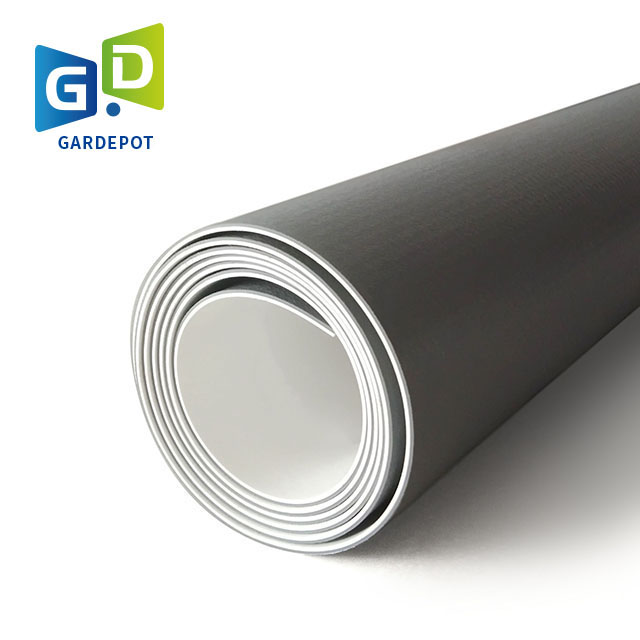
Image: Advanced quality control in membrane manufacturing.
Service Life and Target Industries
These advanced roofing membranes boast a typical service life of 20 to 30+ years, significantly outperforming traditional roofing materials. They are indispensable across a wide array of target industries:
- Petrochemical: Demanding chemical resistance and durability for process buildings.
- Metallurgy: Withstanding extreme temperatures and corrosive atmospheres.
- Water Supply & Drainage: Lining reservoirs, ponds, and secondary containment areas (often with specialized formulations).
- Commercial & Industrial Warehousing: Large, flat roofs requiring long-term, low-maintenance solutions.
- Logistics & Distribution Centers: Robust roofs for high-traffic environments and equipment loads.
In these scenarios, advantages such as energy saving through reflective surfaces (especially TPO and light-colored PVC), superior corrosion resistance, and exceptional waterproofing directly contribute to operational efficiency and reduced lifecycle costs, thereby validating the initial cost of rubber roofing membrane and its alternatives.
Industry Trends and Market Dynamics Influencing Cost
The roofing industry is continually evolving, driven by technological advancements, environmental regulations, and economic pressures. Several trends significantly impact the cost of rubber roofing membrane and related products:
- Sustainability & Green Building: Increasing demand for eco-friendly materials and systems. White or light-colored TPO and PVC membranes contribute to "cool roof" technology, reflecting solar radiation and reducing building energy consumption, often qualifying for LEED credits and rebates.
- Energy Efficiency Regulations: Stricter building codes, such as ASHRAE 90.1 and IECC, mandate higher insulation values and cool roof technologies, driving adoption of TPO and PVC, impacting the overall project cost of rubber roofing membrane installation packages.
- Material Innovations: Ongoing research improves membrane durability, UV resistance, and installation efficiency. Self-adhered membranes, for example, reduce labor costs for installing rubber roof membrane, offering a faster, cleaner application.
- Labor Shortages & Automation: A persistent challenge in construction is the availability of skilled labor. Manufacturers are responding with larger membrane rolls, pre-fabricated accessories, and heat-weldable seams (for TPO and PVC) that streamline installation, mitigating rising labor costs.
- Raw Material Volatility: The price of crude oil and other petrochemicals directly influences the cost of polymers used in EPDM, TPO, and PVC. Global supply chain disruptions can also lead to price fluctuations.
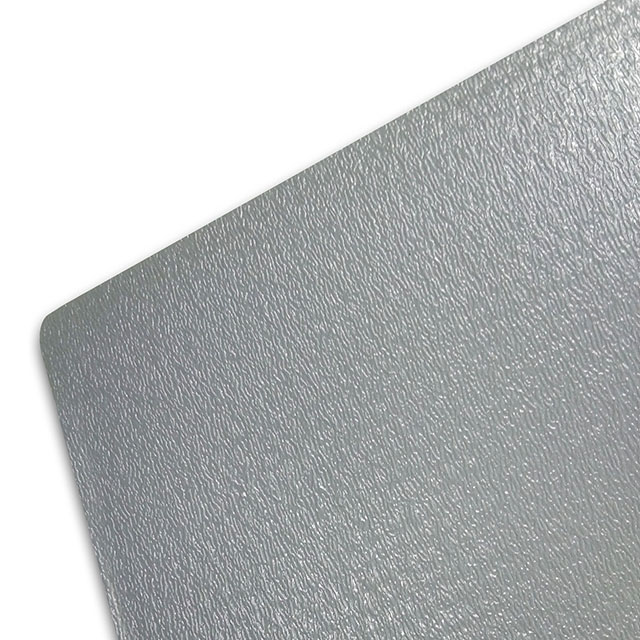
Image: Modern roofing membranes contributing to energy efficiency.
These trends underscore the importance of selecting not just a durable material but a comprehensive roofing system that aligns with long-term operational goals and evolving regulatory landscapes, significantly affecting the total project cost of rubber roofing membrane systems.
Technical Specifications and Performance Parameters
Selecting the correct roofing membrane requires a thorough understanding of its technical specifications. The PVC Membrane, for example, exhibits distinct characteristics that set it apart from traditional EPDM or TPO options, particularly in areas requiring superior chemical resistance and weldability. Below, we present typical parameters for various single-ply membranes.
Typical Product Specification: Single-Ply Roofing Membranes
| Parameter | EPDM Membrane (Typical) | TPO Membrane (Typical) | PVC Membrane (Gardepota Example) |
|---|---|---|---|
| Primary Material | Ethylene Propylene Diene Monomer Rubber | Thermoplastic Polyolefin | Polyvinyl Chloride (with plasticizers) |
| Available Thickness (mils) | 45, 60, 90 mils (1.14mm, 1.52mm, 2.29mm) | 45, 60, 80 mils (1.14mm, 1.52mm, 2.03mm) | 45, 60, 80, 90 mils (1.14mm, 1.52mm, 2.03mm, 2.29mm) |
| Tensile Strength (psi) | ~1200 - 1500 | ~2000 - 3000 | ~2000 - 2500 |
| Elongation (%) | ~300 - 600 | ~150 - 250 | ~200 - 300 |
| Tear Resistance (lbf) | ~150 - 200 | ~180 - 250 | ~200 - 280 |
| Puncture Resistance | Good | Very Good | Excellent (especially reinforced) |
| UV Resistance | Excellent (carbon black) | Excellent | Excellent (stabilized) |
| Chemical Resistance | Good (acids, alkalis) | Good (some oils/fats can be an issue) | Excellent (oils, fats, many industrial chemicals) |
| Seaming Method | Adhesive & Tape | Heat Welding | Heat Welding |
The epdm roof membrane thickness, along with other membrane types, is a critical determinant of both material cost and anticipated service life. Thicker membranes generally offer enhanced durability and puncture resistance but come with a higher upfront material cost of rubber roofing membrane. For applications requiring robust protection against industrial chemicals, oils, or fats, PVC membranes often present a superior choice compared to EPDM or TPO due to their inherent chemical resistance, even if the initial material cost might be marginally higher, the lifecycle cost can be significantly lower due to longevity in specific environments.
Application Scenarios and Technical Advantages
The versatility of modern roofing membranes allows for deployment in diverse and demanding application scenarios, each leveraging specific technical advantages that influence the overall cost of rubber roofing membrane projects.
Typical Application Scenarios:
- Large Commercial & Industrial Buildings: Warehouses, factories, and distribution centers with vast, low-slope roofs benefit from the large sheet sizes and durability of EPDM, TPO, and PVC, minimizing seams and installation time for installing rubber roof membrane.
- Ballasted Roofing Systems: EPDM is frequently used in ballasted systems where the membrane is loose-laid and held in place by aggregates, ideal for protecting against uplift and reducing installation complexity.
- Mechanically Attached Systems: TPO and PVC are excellent for mechanically fastened applications, where the membrane is secured to the deck with fasteners and plates. This is often preferred in high-wind zones.
- Fully Adhered Systems: All three membranes can be fully adhered with specialized adhesives, creating a smooth, aesthetically pleasing surface and often providing enhanced wind uplift resistance. This method is particularly popular for roofs with complex geometries or where a clean finish is desired.
- Chemical Processing Facilities: PVC membranes excel here due to their superior resistance to many industrial chemicals, oils, and greases, making them ideal for chemical spills and harsh operational environments. This specialized capability offsets a potentially higher initial cost of rubber roofing membrane alternative.
- Restaurants & Food Processing Plants: The excellent resistance of PVC to animal fats and oils makes it a preferred choice over TPO, which can degrade when exposed to these substances.
- Green Roofs & Vegetated Systems: Robust membranes like EPDM and PVC are often chosen for green roofs due to their puncture resistance and long-term waterproofing capabilities, providing a reliable substrate for vegetation.
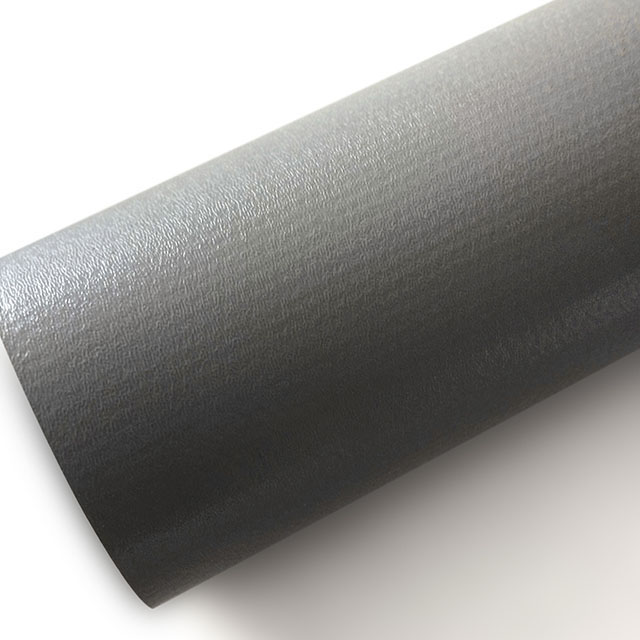
Image: Application of advanced roofing membranes on a commercial building.
Technical Advantages Driving Value:
- Exceptional Durability: With a projected lifespan exceeding 20-30 years, these membranes offer a low lifecycle cost of rubber roofing membrane solution, requiring minimal maintenance.
- Weather Resistance: Superior resistance to UV radiation, ozone, hail, and extreme temperatures ensures long-term performance in varied climates.
- Flexibility & Elongation: EPDM's high flexibility and elongation allow it to accommodate structural movement and temperature fluctuations without cracking. TPO and PVC also offer excellent flexibility.
- Energy Efficiency: Light-colored TPO and PVC membranes offer high solar reflectivity (SRI), reducing heat absorption and contributing to lower cooling costs in commercial buildings. This translates into tangible energy savings, influencing the overall cost-benefit analysis of the tpo epdm roofing choices.
- Puncture & Tear Resistance: Reinforced TPO and PVC membranes provide enhanced resistance to punctures and tears, crucial in environments with foot traffic or heavy equipment.
- Ease of Repair: While durable, accidental damage can occur. Both EPDM and especially heat-weldable TPO and PVC are relatively easy to repair, extending the roof's service life.
The combination of these technical advantages positions modern single-ply membranes as a cost-effective, high-performance solution for demanding B2B roofing projects, mitigating the impact of initial installation costs for installing rubber roof membrane systems.
Vendor Comparison: EPDM, TPO, and PVC
When considering the cost of rubber roofing membrane, it's essential to compare the leading single-ply options: EPDM, TPO, and PVC. Each offers distinct advantages and trade-offs, making the choice dependent on specific project requirements, environmental factors, and budget constraints.
Comparative Analysis of Single-Ply Roofing Membranes
| Feature | EPDM | TPO | PVC |
|---|---|---|---|
| Material Type | Thermoset Synthetic Rubber | Thermoplastic Polyolefin | Thermoplastic Polyvinyl Chloride |
| Typical Colors | Black (most common), White | White, Grey, Tan | White, Grey, Tan, various custom colors |
| Seaming Method | Adhesive & Tape (requires primer) | Hot-Air Welding | Hot-Air Welding |
| Chemical Resistance | Good (acids, alkalis), Poor (oils, fats) | Fair (some oils/fats can be an issue) | Excellent (oils, fats, many industrial chemicals) |
| Puncture Resistance | Good | Very Good | Excellent (especially reinforced PVC) |
| UV Resistance | Excellent (black) | Excellent | Excellent |
| Flexibility (Cold Temp) | Excellent | Good | Good (dependent on plasticizer) |
| Energy Efficiency (Cool Roof) | Fair (black absorbs heat, white available but less common) | Excellent (white/light colors) | Excellent (white/light colors) |
| Typical Lifespan | 25-30+ years | 20-30+ years | 20-30+ years |
| Relative Material Cost | Mid-Range | Mid-High Range | High Range (justifying with performance) |
While EPDM offers excellent long-term performance at a competitive material cost of rubber roofing membrane, its adhesive-based seaming can be labor-intensive and susceptible to application inconsistencies. TPO offers robust performance, particularly in terms of UV resistance and weldability, often at a similar or slightly higher price point. However, the Gardepota PVC Membrane, while potentially having a higher initial material cost of rubber roofing membrane alternative, excels in environments requiring superior chemical resistance, ease of heat-welded detailing, and exceptional fire resistance. The fully welded seams of PVC (and TPO) create a monolithic, watertight system that is arguably more reliable than adhesive seams, particularly for complex roof geometries or areas prone to ponding water.
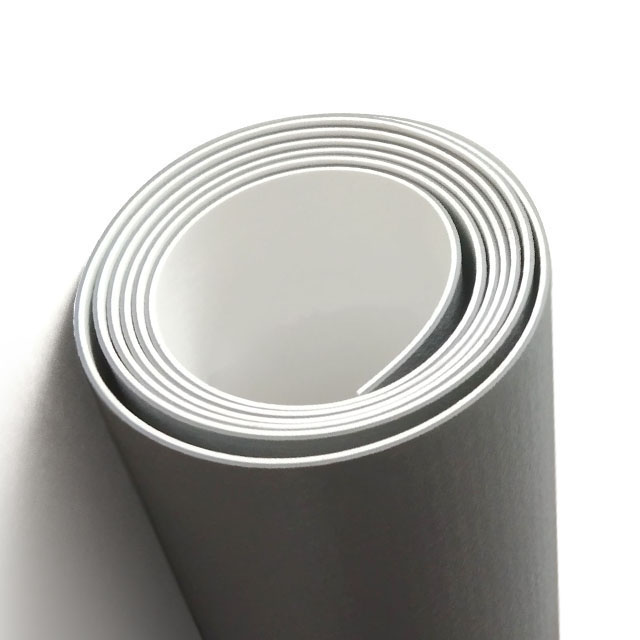
Image: Hot-air welding technology for seamless roofing membrane installation.
The choice between tpo epdm roofing and PVC ultimately hinges on a detailed cost-benefit analysis considering the specific roof environment, long-term operational costs, and local building codes.
Customized Solutions and Application Case Studies
Recognizing that no two projects are identical, leading manufacturers offer customized roofing solutions tailored to specific client needs. These often involve specialized membrane formulations, unique accessory packages, and expert technical support to optimize the cost of rubber roofing membrane and its installation.
Tailored Solutions for Complex Requirements:
- Specialized Formulations: For example, PVC membranes can be formulated with enhanced resistance to specific aggressive chemicals found in particular industrial processes, extending membrane life and reducing the lifecycle cost of rubber roofing membrane alternatives.
- Membrane Thickness & Reinforcement: Beyond standard options, custom thicknesses or specialized internal scrim reinforcements can be provided for areas anticipating exceptionally heavy foot traffic, mechanical loads, or extreme weather conditions. This impacts epdm roof membrane thickness choices as well.
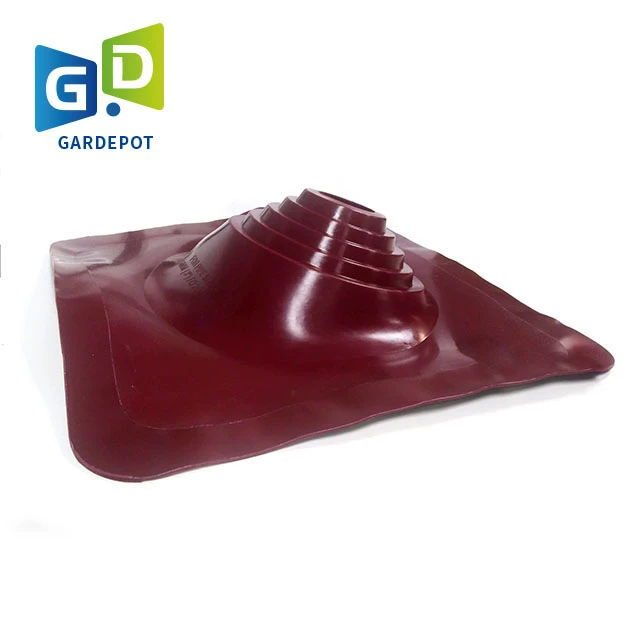
- Pre-Fabrication & Detailing: Manufacturers can pre-fabricate membrane panels or complex detail components (e.g., corners, pipe boots) in a controlled factory environment. This significantly reduces on-site labor and improves installation quality, directly lowering the overall cost of rubber roofing membrane installation for intricate areas.
- Color Matching: While functional performance is key, aesthetic considerations sometimes require custom color matching for visible roofing elements, especially for architectural projects.
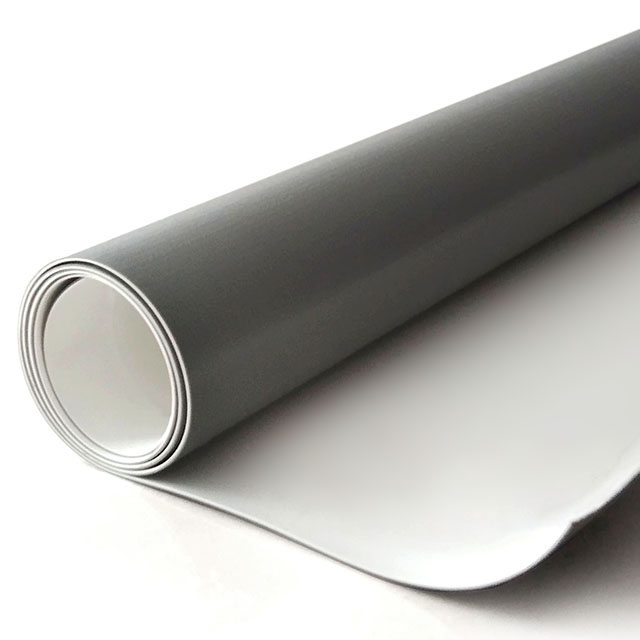
Image: Customized solutions for complex roof details and penetrations.
Application Case Studies: Proving Value in the Field
These case studies illustrate the real-world performance and long-term value delivered by advanced roofing membranes:
- Case Study 1: Large-Scale Automotive Manufacturing Plant, Midwest USA
Challenge: An aging built-up roof system was experiencing frequent leaks, impacting production efficiency. The client required a durable, long-lasting solution with minimal disruption during installation, suitable for a facility with high internal heat and vibration.
Solution: A 60-mil TPO membrane in a mechanically attached system was chosen. Its light color contributed to energy savings, reducing the heat island effect, while its robust construction and heat-welded seams ensured a monolithic, watertight surface. The large sheet sizes facilitated rapid installing rubber roof membrane sections. Despite a slightly higher initial cost of rubber roofing membrane compared to traditional options, the projected 30-year lifespan and reduced energy bills demonstrated significant long-term ROI.
- Case Study 2: Chemical Storage Facility, Gulf Coast Region
Challenge: The roof of a secondary containment area and processing building was exposed to aggressive chemical vapors and occasional spills, causing rapid degradation of previous roofing materials. High wind uplift resistance was also crucial.
Solution: A 90-mil reinforced PVC membrane from Gardepota was specified. Its inherent chemical resistance provided superior protection against a wide range of industrial solvents and acids. The hot-air welded seams created an impervious barrier, and the membrane's high tensile strength, coupled with robust fastening, ensured exceptional wind uplift resistance, critical for the hurricane-prone region. Although the initial cost of rubber roofing membrane alternatives was higher, the elimination of costly repairs and extended service life made it the most economical choice over its operational lifespan.
- Case Study 3: Data Center, Pacific Northwest
Challenge: A new data center required a highly reflective, durable, and low-maintenance roof system to minimize cooling loads and ensure uninterrupted operation. The presence of numerous HVAC units and data cabling penetrations necessitated intricate detailing.
Solution: A fully adhered white PVC membrane system was selected. The high reflectivity of the white surface significantly reduced solar heat gain, contributing to substantial energy savings for cooling. The membrane's flexibility and the ability to heat-weld intricate details around the numerous penetrations ensured a seamless, watertight installation, critical for protecting sensitive IT infrastructure. The perceived higher cost of rubber roofing membrane for this advanced solution was justified by the enhanced energy efficiency and superior leak protection.
Trustworthiness: FAQ, Lead Time, Warranty & Support
Building trust with B2B clients involves more than just product quality; it extends to transparency in operations, clear commitments, and robust post-sales support. We aim to address common concerns regarding the cost of rubber roofing membrane and overall project management.
Frequently Asked Questions (FAQ)
- Q: How does the initial cost of rubber roofing membrane compare to its long-term value?
- A: While the upfront material cost for advanced single-ply membranes like EPDM, TPO, or PVC might be higher than traditional options, their exceptional durability (20-30+ years), low maintenance requirements, and potential energy savings (especially with cool roof options) lead to a significantly lower lifecycle cost and superior return on investment.
- Q: What is the typical epdm roof membrane thickness recommended for commercial applications?
- A: For most commercial applications, 45-mil (1.14mm) EPDM is standard. For higher traffic, increased puncture resistance, or extended warranty requirements, 60-mil (1.52mm) or even 90-mil (2.29mm) EPDM is often recommended.
- Q: Are your membranes suitable for green roof installations?
- A: Yes, our PVC membranes, as well as EPDM, are excellent choices for green roof applications. They offer superior root resistance, durability, and waterproofing capabilities crucial for vegetated roof systems. Specific product lines are often certified for green roof use.
- Q: How does installing rubber roof membrane (EPDM/TPO) differ from PVC?
- A: EPDM seams are typically joined using adhesive and tape. TPO and PVC membranes are joined using hot-air welding, creating a monolithic, homogeneous bond that is often considered more robust and less susceptible to environmental factors during installation. The installation speed and methods significantly influence the overall project cost.
- Q: What is the impact of color on roof performance and the tpo epdm roofing decision?
- A: Light-colored membranes (white TPO and PVC) reflect more solar radiation, reducing heat absorption and lowering cooling costs. Black EPDM absorbs heat, which can be beneficial in colder climates for snow melt, but less so for energy efficiency in warmer regions. The "cool roof" effect significantly influences energy expenditures, which are a long-term operational cost.
Lead Time and Fulfillment
We understand the critical nature of project timelines. Our standard lead time for most membrane orders is 2-4 weeks, depending on volume and specific customization requirements. For expedited needs or large-scale projects, we encourage direct consultation with our sales team to arrange priority scheduling and logistics. We maintain robust inventory levels of standard products and leverage an efficient supply chain to minimize delays.
Warranty Commitments
Gardepota stands by the quality and performance of its roofing membranes. We offer comprehensive warranty programs, typically ranging from 10 to 30 years, covering material defects and ensuring watertight performance. Extended system warranties, which cover both material and labor when installed by certified contractors, are also available. Full warranty details are provided with each project proposal, offering peace of mind regarding your investment in the cost of rubber roofing membrane alternatives.
Customer Support and Technical Assistance
Our commitment extends beyond product delivery. Gardepota provides dedicated technical support from project inception through completion and beyond. This includes:
- Consultative Design Services: Assisting architects and engineers in selecting the optimal membrane system.
- On-Site Technical Assistance: Providing guidance during installation to ensure adherence to best practices.
- Training Programs: For contractors and installation teams on specific product applications and techniques.
- Post-Installation Support: Addressing any inquiries or concerns that may arise over the roof's lifespan.
This comprehensive support structure ensures that our clients maximize the value derived from their investment, effectively managing the long-term cost of rubber roofing membrane ownership.
References
- ASTM International. "Standard Specification for Ethylene Propylene Diene Terpolymer (EPDM) Sheet Used in Single-Ply Roofing." ASTM D4637/D4637M-18.
- ASTM International. "Standard Specification for Thermoplastic Polyolefin (TPO) Based Sheet Roofing." ASTM D6878/D6878M-17.
- ASTM International. "Standard Specification for Poly (Vinyl Chloride) Sheet Roofing." ASTM D4434/D4434M-17.
- Cool Roof Rating Council (CRRC). "Cool Roofs." www.coolroofs.org.
- National Roofing Contractors Association (NRCA). "The NRCA Roofing Manual: Membrane Roof Systems." 2023 Edition.
- Building Owners and Managers Association (BOMA) International. "Reducing Operating Costs: Roofing Strategies."