Custom Hex Nut - Essential Guide to Specifications, Uses & Global Impact
Understanding the Custom Hex Nut: A Small Component with Huge Global Impact
If you’ve ever stared at a complex machine, a sturdy bridge, or even your car’s chassis, it’s easy to overlook the humble components that keep everything together—like the custom hex nut. But here’s the thing: custom hex nuts aren’t just tiny metal fasteners; they’re foundational to countless industries worldwide.
Why does this matter beyond industrial jargon? Well, these small but critical components solve big challenges—ensuring structures remain safe, durable, and adaptable to unique needs across global sectors. In a world craving efficiency and resilience, understanding the role and value of the custom hex nut is surprisingly important.
Global Relevance of the Custom Hex Nut
The global market for fasteners, including nuts and bolts, was valued at over $20 billion in recent years, and continuous growth is projected—with the demand for customized solutions leading much of this rise (source: MarketsandMarkets). Whether in automotive manufacturing hubs in Germany, construction sites in Southeast Asia, or aerospace engineering labs in the United States, the custom hex nut is everywhere.
It addresses a subtle but pervasive problem: standard fasteners often fall short when specialized applications demand unique sizes, materials, or performance standards. For example, when infrastructure projects require corrosion resistance in marine environments or high-temperature tolerance in industrial plants, off-the-shelf nuts won’t cut it.
What Is a Custom Hex Nut?
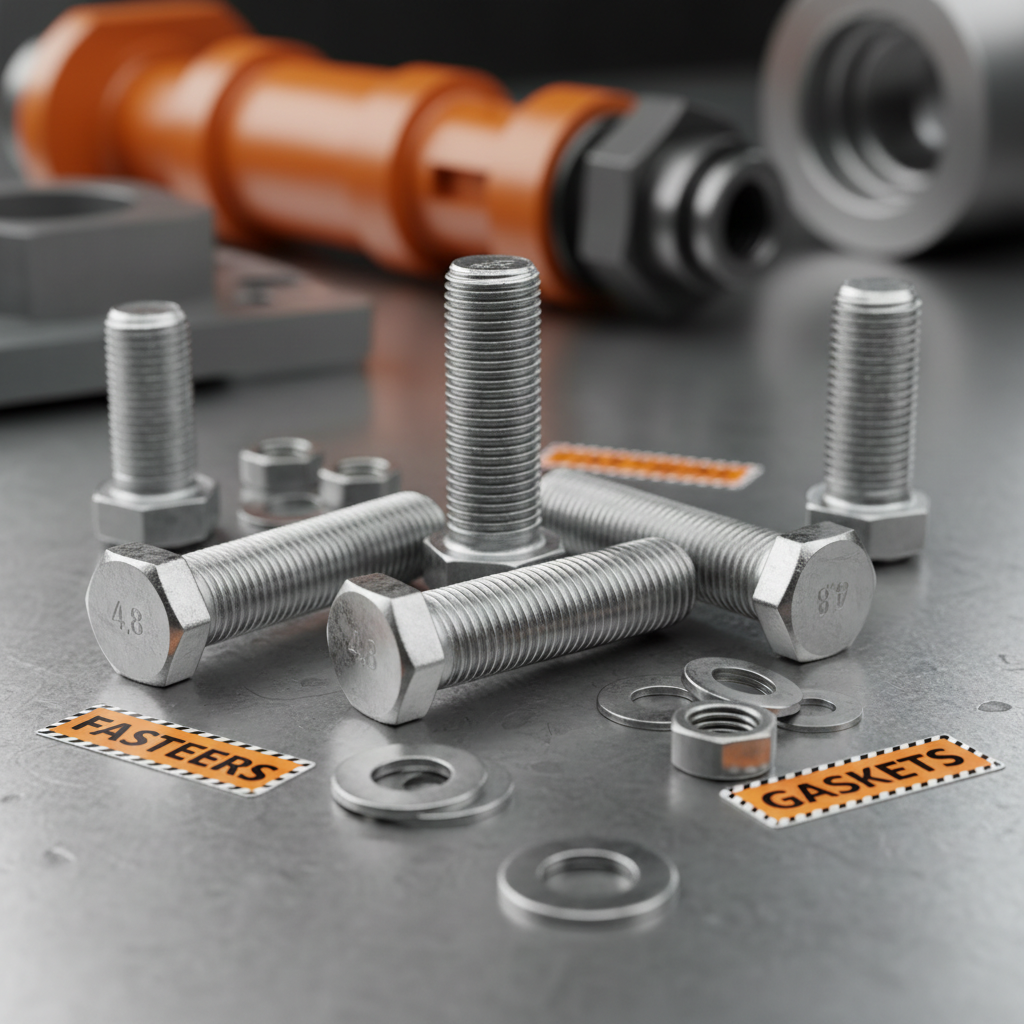
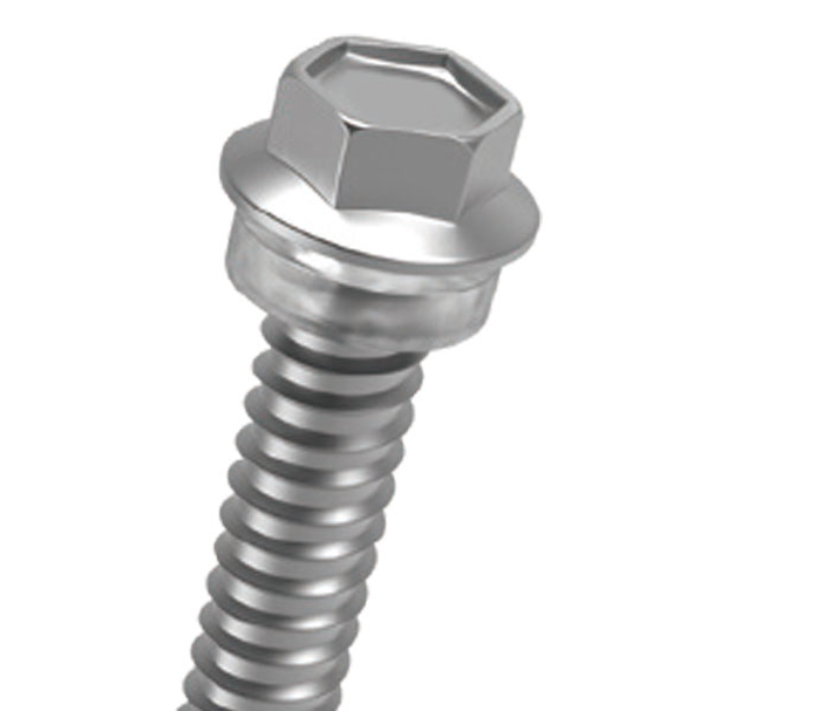
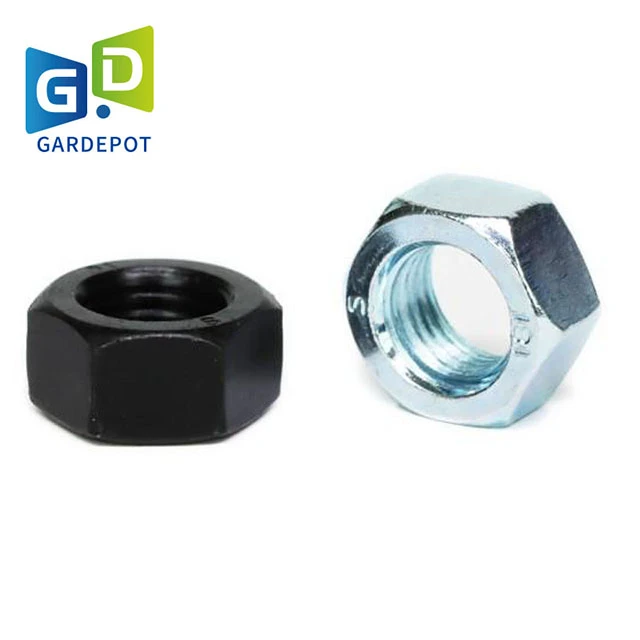
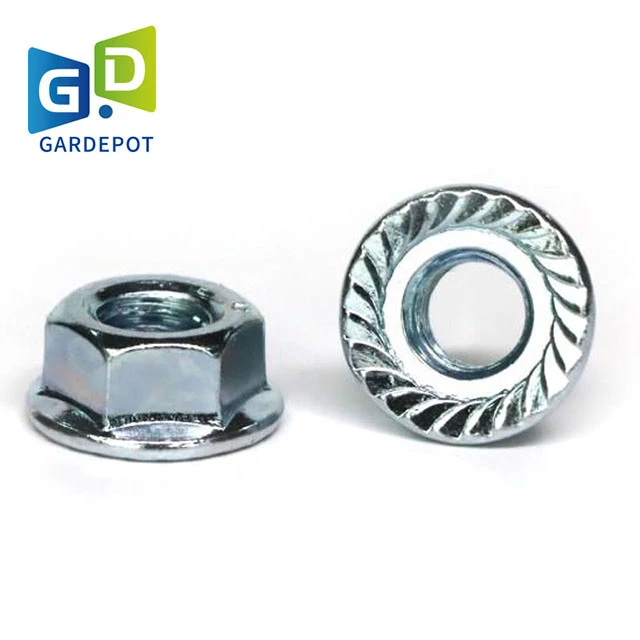
Simply put, a custom hex nut is a six-sided nut made to specific design specifications, beyond the standard catalog sizes and grades you might find online or in hardware stores. The "custom" part means it can vary in thread pitch, diameter, material, surface treatment, and shape tweaks designed to meet unique operational demands.
The hexagonal shape offers practical benefits—it provides six angles for wrenches to grip and apply torque, a design that balances ease of use with mechanical strength. These nuts are vital in industries where precision and reliability aren’t optional, like aerospace, heavy machinery, or renewable energy sectors.
Key Factors of Custom Hex Nuts
1. Durability & Material Choice
Custom hex nuts can be manufactured from stainless steel, brass, titanium, nylon, or even exotic alloys — depending on what's needed. For example, in offshore wind turbines, stainless steel custom hex nuts are preferred for their corrosion resistance. I’ve noticed that engineers often request specific heat treatments to enhance strength, which standard parts usually don't offer.
2. Precision & Fit
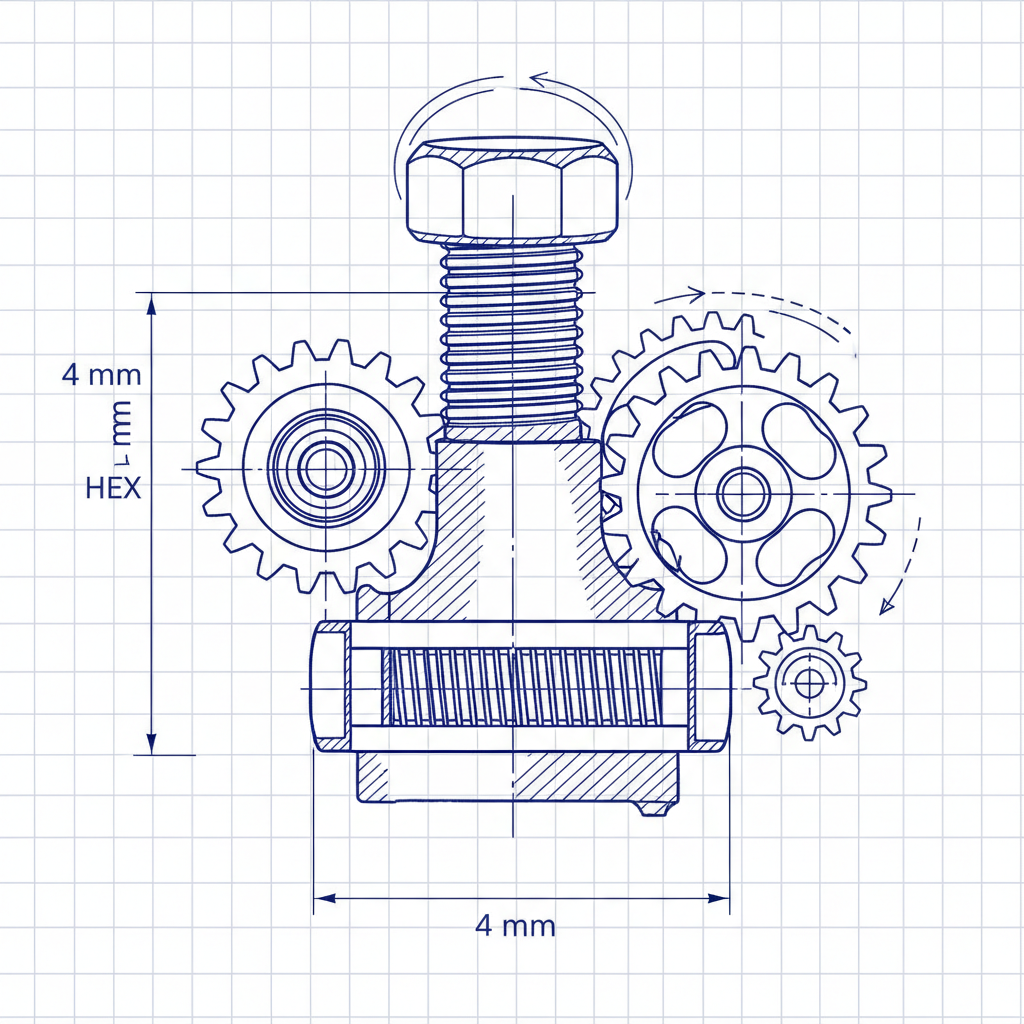
Because these nuts are designed for particular machines or structural components, thread pitch and diameter have to be dead-on. Even a slight mismatch can cause failure or create maintenance headaches down the line. That’s why many manufacturers use CNC machining or cold forging to maintain tight tolerances.
3. Scalability & Production Volume
Often, custom hex nuts have to be produced in varying volumes—from small runs for prototype testing to mass production for automotive assembly lines. Efficient manufacturing processes need to balance unit cost with quality, which can be tricky.
4. Surface Treatment & Coatings
Beyond materials, coatings like zinc plating, black oxide, or specialty anti-corrosion layers improve longevity. For outdoor applications, these layers are a game changer, keeping fasteners safe from the elements for years.
5. Cost Efficiency
This is subtle but crucial. While customization can increase costs, smart design and material choices often yield savings over the long haul—less downtime, fewer replacements, and higher safety margins.
| Specification | Details |
|---|---|
| Material | Stainless Steel A2/A4, Brass, Titanium |
| Thread Diameter | M3 to M36 (metric), 1/8" to 1-1/2" (imperial) |
| Thread Pitch | Coarse, Fine, Extra Fine as specified |
| Surface Treatment | Zinc Plating, Black Oxide, Passivation |
| Tolerance | ISO 965-1 medium, or custom per drawing |
Global Applications & Use Cases
The range of domains where custom hex nuts make a difference is pretty broad. In aerospace manufacturing, they secure critical components where failure isn’t an option. In automotive plants in Japan and the U.S., these nuts are tailored for performance engines to withstand high vibrations.
In post-disaster relief, customized fasteners enable rapid assembly of temporary shelters and infrastructure systems. The ability to quickly order or produce nuts fitting specific needs has improved NGOs’ operational agility. Oddly enough, even remote industrial zones—like mining camps in Australia or oil rigs in the North Sea—depend heavily on these nuts for maintenance and repairs.
Advantages and Long-Term Value of Custom Hex Nut
- Cost Savings over Time: Less frequent replacements and reduced maintenance interruptions.
- Enhanced Safety: Precisely fitting nuts reduce mechanical failures that could cause accidents.
- Environmental Sustainability: Durable materials and coatings reduce waste and resource consumption.
- Trust & Innovation: Custom designs signal attention to detail and reliability, building client confidence.
It’s not just about the money. Knowing that your structures or machines hang together thanks to reliable custom hex nuts can feel reassuring — a blend of logic and peace of mind.
Future Trends & Innovations in Custom Hex Nuts
The fastener industry isn’t static. We’re seeing an embrace of advanced manufacturing technologies such as 3D metal printing, enabling rapid prototyping and complex geometry nuts, which were impossible before. There’s also increasing demand for eco-friendly materials aligned with green energy initiatives, like nuts used in solar panel mounting that offer corrosion resistance without toxic coatings.
Smart fasteners with embedded sensors to monitor tension and stress are being developed, which could transform maintenance practices — imagine a nut that “tells” you when it’s loosening. Automation and digital transformation in supply chains mean customization is faster and more cost-effective than ever.
Challenges & Expert Solutions
Custom hex nuts, despite their advantages, aren’t free from challenges. For one, lead times can be longer compared to standard parts. Smaller manufacturers may struggle with scaling production efficiently.
However, it’s encouraging that many companies now collaborate with expert fastener specialists or use modular designs to reduce tooling costs. Some expert insights suggest adopting industry standards like ISO 898-2 for mechanical properties helps maintain quality without reinventing the wheel every time.
| Vendor | Material Options | Production Volume | Lead Time | Customization Flexibility |
|---|---|---|---|---|
| FastenPro Ltd. | Steel, Titanium, Brass | Small to Medium | 2–3 weeks | High |
| HexMasters Inc. | Stainless Steel, Nylon | Large | 4–6 weeks | Medium |
| CustomTech Fasteners | Wide range, including exotic alloys | Prototype to Mass | 1–2 weeks (rush) | Very High |
FAQs About Custom Hex Nut
- What are the advantages of opting for a custom hex nut over a standard one?
- Custom hex nuts are tailored to specific material, size, and performance needs, ensuring better fit, durability, and performance—critical in demanding applications such as aerospace or marine environments.
- How long does it typically take to manufacture custom hex nuts?
- Lead times vary by vendor and complexity, but custom fasteners usually require 1–6 weeks. Rapid prototyping options can shorten this considerably for urgent projects.
- Can custom hex nuts improve sustainability in construction?
- Yes. By using corrosion-resistant materials and optimized designs, they reduce replacement frequency and material waste, aligning well with green building practices.
- Are there any digital tools to help design and order custom hex nuts?
- Many suppliers now offer online configurators and CAD file uploads to streamline the customization process, making it easier to specify exact requirements.
Conclusion: Why the Custom Hex Nut Matters
Ultimately, the custom hex nut exemplifies how even the smallest components can wield outsized influence in engineering and industry. By investing in quality, customization, and thoughtful design, organizations worldwide secure machinery, infrastructure, and safety in ways that ripple far beyond the individual nut itself.
If you’re curious or ready to explore options tailored to your unique needs, why not visit our website? There, you’ll find expert guidance and a robust catalog of custom hex nuts designed to meet your exact specifications.
Mini takeaway: The small but mighty custom hex nut isn’t just a fastener — it’s a cornerstone of innovation, safety, and global progress.
References: