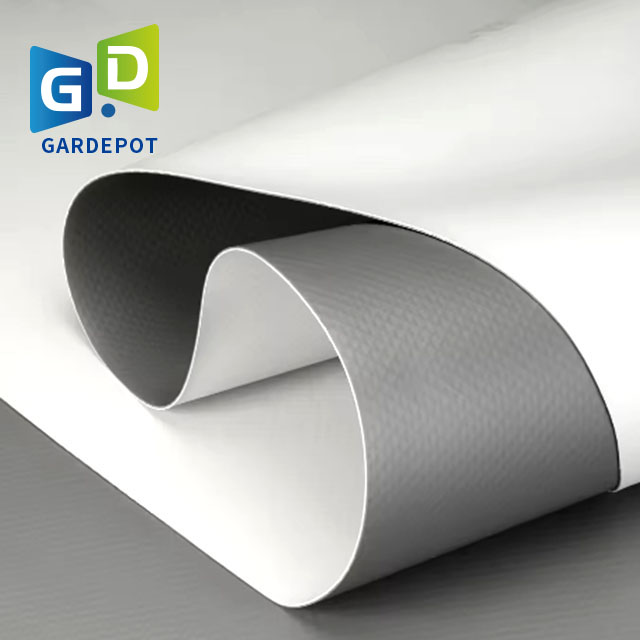
Exposed waterproofing membranes: what I’m seeing on jobsites (and in the lab)
If you’ve landed here, you’re probably weighing an exposed waterproofing membrane for a roof, podium, or balcony. I’ve toured more than a few projects lately, and—honestly—the quiet star is PVC self-adhesive tech. It’s fast, it sticks in cold weather better than expected, and it avoids the mess of hot asphalt. Below I’ll share what’s working, some specs, and a few caveats I’ve heard from crews (the colorful kind of feedback you only get on a windy scaffold).
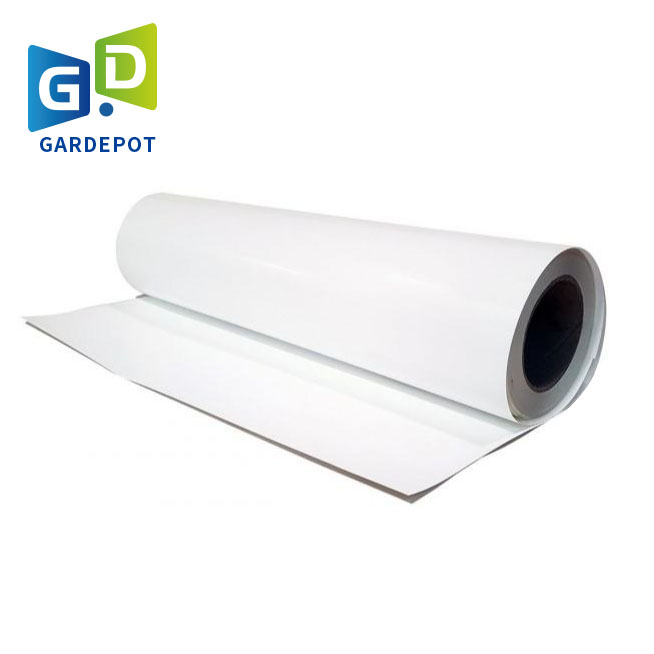
Product snapshot: PVC Self-Adhesive Waterproofing Membranes
Made from PVC resins with PE silicone-release or PET film on the face, this hybrid brings the robustness of PVC sheet plus the practicality of peel-and-stick. The manufacturer I visited (origin: Room 1314, Block A, Huaye Building, No. 388 Xinhua Road, Qiaoxi District, Shijiazhuang, Hebei) runs tight QC and, surprisingly, keeps lead times short for custom widths.
| Spec (≈ real-world) | Typical Value | Notes/Standard |
|---|---|---|
| Thickness | 1.2–2.0 mm | ASTM D5199 / EN 1849-2 |
| Tensile strength | ≥ 12 MPa | ASTM D412 / GB 12952 |
| Elongation at break | ≥ 200% | ASTM D412 |
| Peel adhesion to primed concrete | ≥ 2.0 N/mm | ASTM D903 |
| Service temp range | -25 to +80 ℃ | Field dependent |
| UV/weathering | Pass 2,000 h | ASTM G154 |
| Water vapor permeance | ≤ 0.1 perms | ASTM E96 |
| Surface | PE silicone or PET film | Exposed or protected |
Where it fits (and why crews like it)
- Exposed roofs, podium decks, balconies, and retrofits over primed concrete or metal decks
- Tunnels and below-grade caps where torching is restricted
- Green roofs—root-resistant options available (ask for certification)
Installers tell me it’s “peel, roll, weld, done.” For an exposed waterproofing membrane, fewer wet trades equals fewer delays when rain sneaks in.
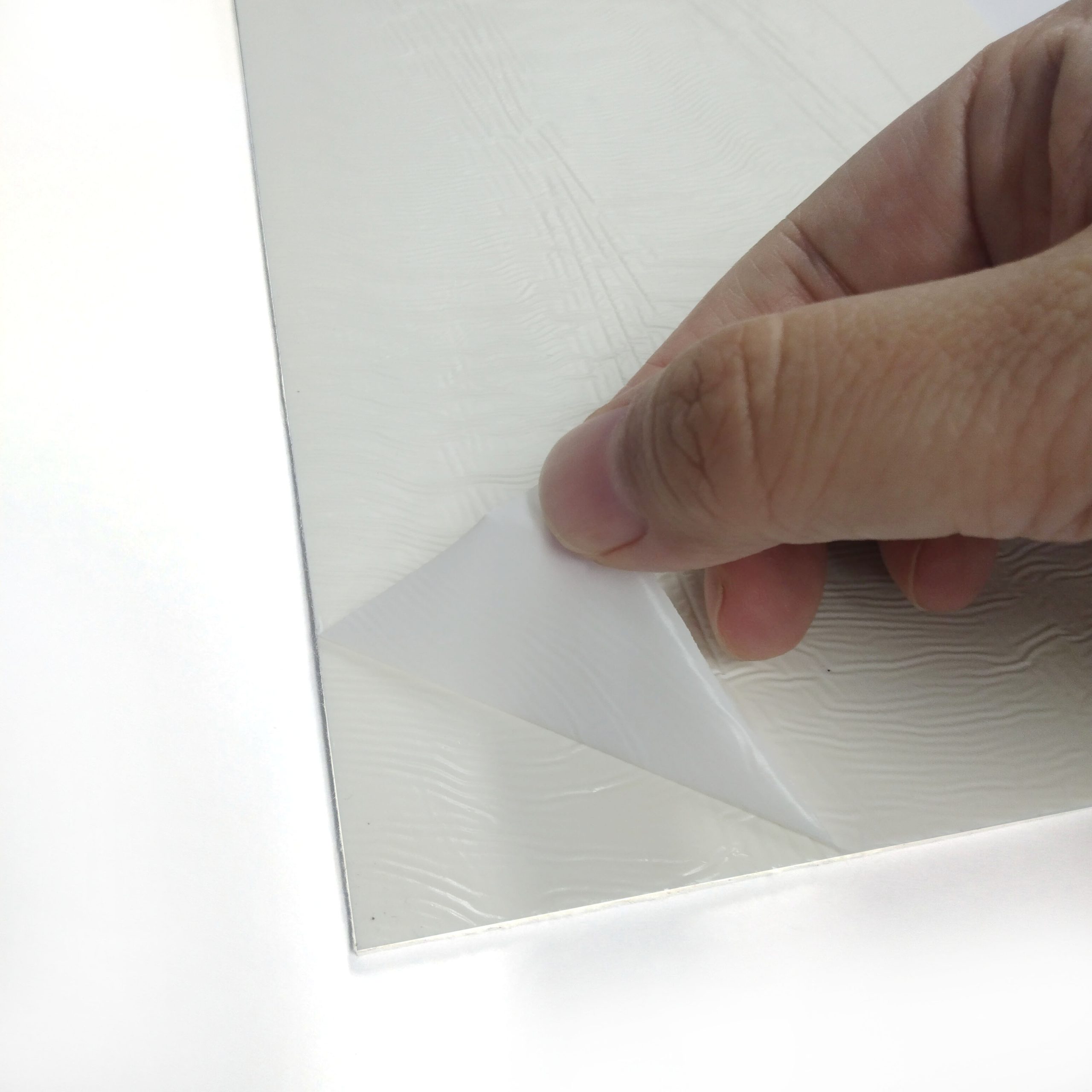
Process flow (field-proven)
- Prep: clean, dry, and prime substrate (tolerance: ≤ 10% RH at surface, check manufacturer).
- Laying: peel liner, bond, roll at 20–30 kg pressure; lap 75–100 mm.
- Seams: hot-air weld or compatible seam tape; probe test after cool-down.
- Details: corners, penetrations with preforms; termination bars at upstands.
- Testing: peel tests (ASTM D903), holiday/spark test where specified, 24–48 h flood test on decks.
Service life? In moderate UV and with periodic inspection, ≈ 25 years isn’t unusual for a quality exposed waterproofing membrane.
Vendor landscape (quick comparison)
| Vendor | Base polymer | Warranty (typ.) | Certs | Lead time | Notes |
|---|---|---|---|---|---|
| Gardepota (PVC Self-Adhesive) | PVC + self-adhesive layer | 10–20 yrs | EN 13956, GB 12952 | 2–4 weeks (custom ≈) | Flexible widths, PET/PE surfaces |
| Sika (Sarnafil-type) | PVC | Up to 20–25 yrs | EN 13956, FM/UL where applicable | Varies by region | Strong embossed options |
| Carlisle/GAF class | TPO/PVC (by line) | 15–25 yrs | ASTM D4434/6878, FM/UL | Stock-dependent | Broad accessory ecosystem |
Customization and trends
Ask for white or light-grey (cool roof), anti-slip emboss, and reinforced vs. non-reinforced grades. Thickness and roll widths are commonly tailored—handy when you’re threading equipment pads. The industry is clearly drifting toward solvent-free primers and higher recycled content, which, to be honest, seemed like greenwash a decade ago but now tests well.
Mini case notes
- Coastal hotel roof, 2,500 m²: self-adhesive PVC cut install time by ≈ 22% vs torch-applied. No odors, zero complaints—important with open balconies.
- Podium deck retrofit, 900 m²: flood test 48 h, no drop; peel test averaged 2.3 N/mm. Crew said seam probing was “boringly uneventful,” which is a compliment.
Bottom line: a well-detailed exposed waterproofing membrane can be both practical and durable—just respect surface prep and weld discipline.
Standards to reference
Look for compliance with ASTM D4434 (PVC sheet), EN 13956, GB 12952-2011, peel per ASTM D903, weathering per ASTM G154, and moisture drive via ASTM E96. Some owners now require FM approvals or CE marking for specific assemblies.
- ASTM D4434: Standard Specification for Poly(Vinyl Chloride) Sheet Roofing
- EN 13956: Flexible sheets for waterproofing—Plastic and rubber sheets for roof waterproofing
- GB 12952-2011: Polyvinyl chloride (PVC) waterproof sheet (China)
- ASTM D903: Standard Test Method for Peel or Stripping Strength of Adhesive Bonds
- ASTM G154 / ASTM E96: UV weathering; Water Vapor Transmission