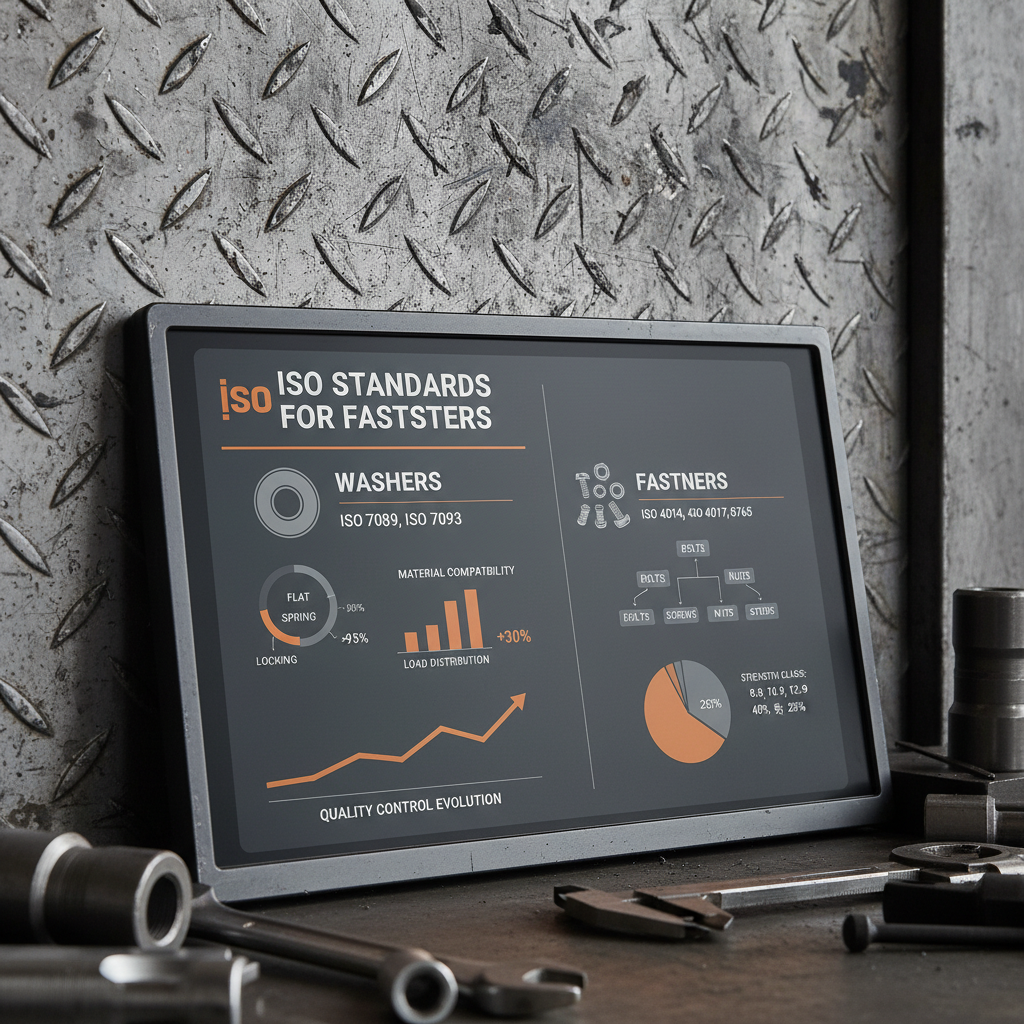
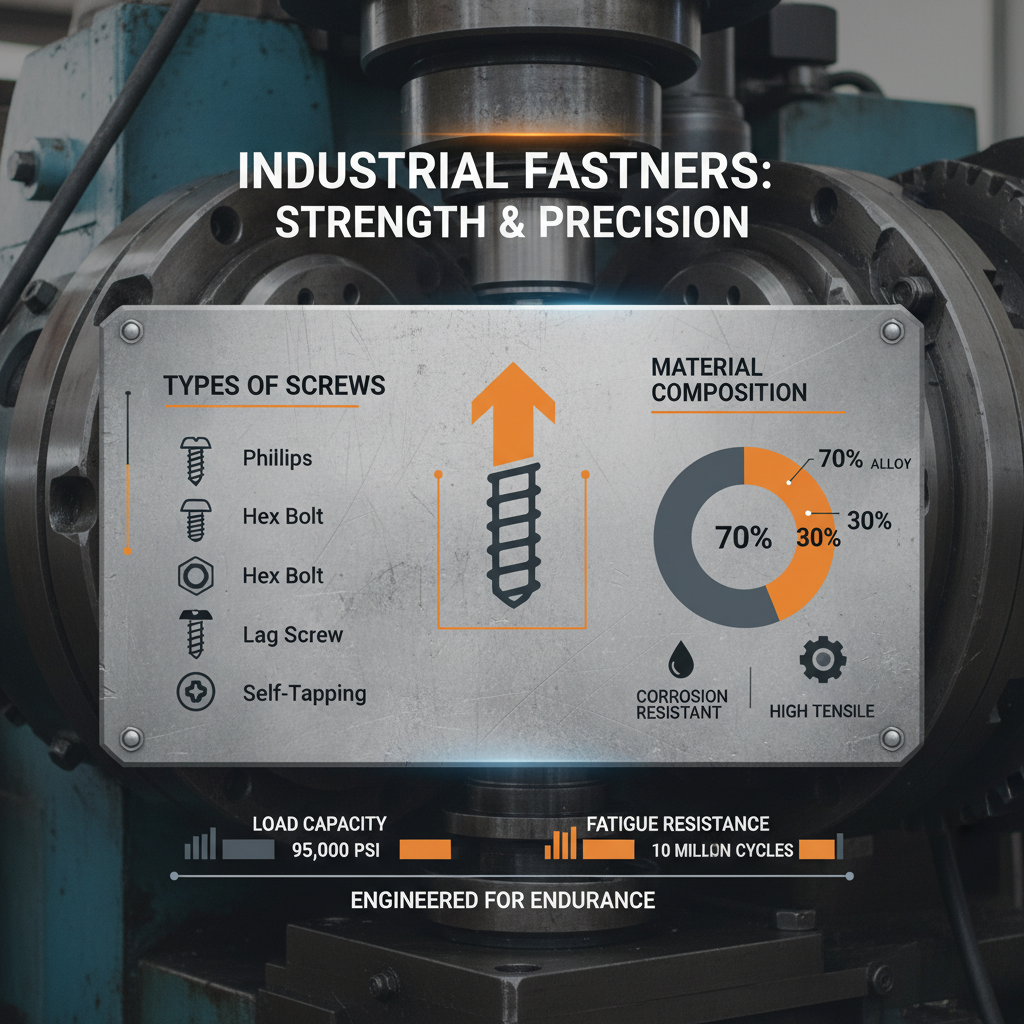
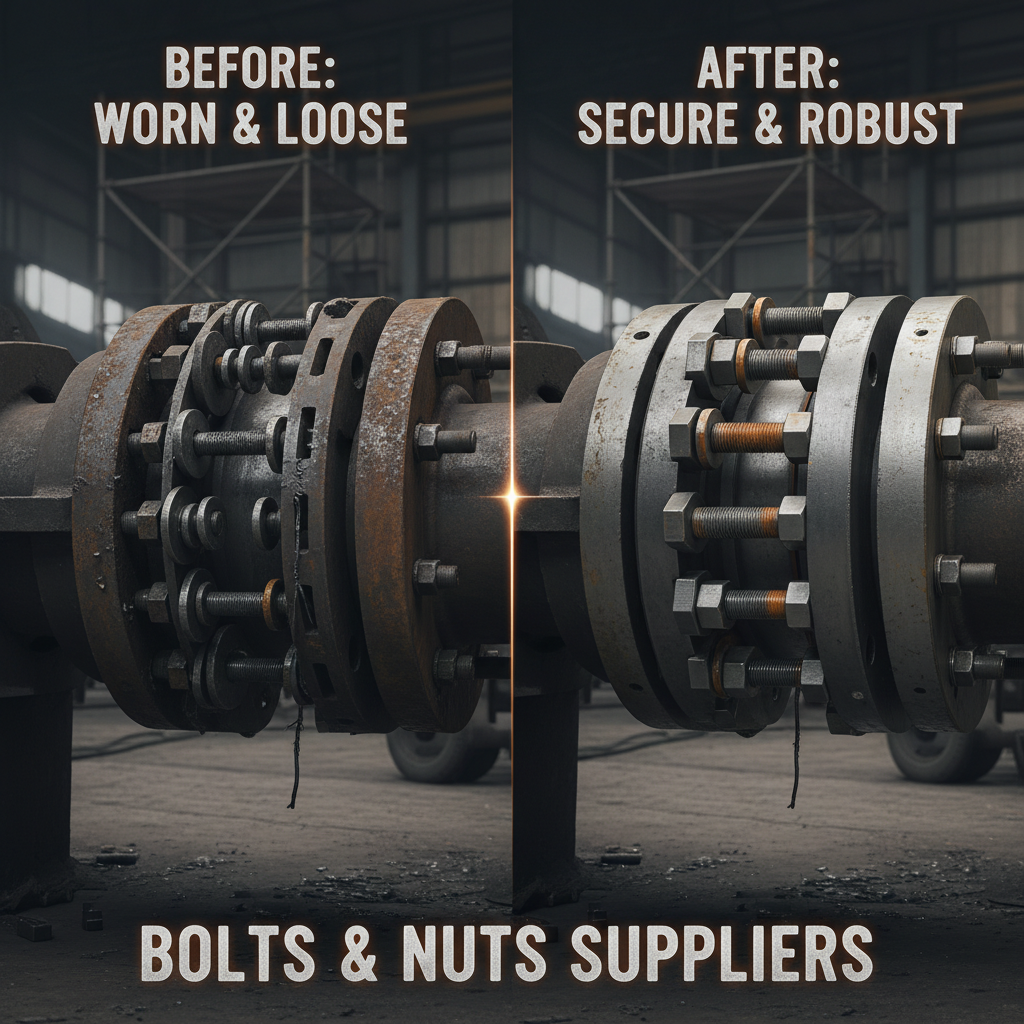
In the complex world of modern industrial assembly, the precision and reliability of connecting components are non-negotiable. The adoption of iso standards for fasteners provides a universal language for engineers and manufacturers, ensuring that a bolt produced in one corner of the globe fits perfectly into a nut manufactured in another. This synchronization is the backbone of global trade and structural integrity.
Beyond mere fitment, these international guidelines govern the chemical composition, mechanical properties, and tolerance levels of critical hardware. Whether dealing with Aluminum Steel Rivets, Threaded Bolts, or complex Metal Parts, adhering to these benchmarks minimizes the risk of catastrophic structural failure and optimizes the efficiency of the assembly line.
Understanding the nuances of these regulations allows businesses to scale their production while maintaining stringent quality control. By integrating iso standards for fasteners into their procurement and manufacturing processes, companies can significantly reduce waste and ensure their products meet the safety requirements of diverse international markets.
The Global Impact of ISO Standards for Fasteners
The global manufacturing landscape relies heavily on interchangeability. Without iso standards for fasteners, the supply chain for everything from automotive assembly to aerospace engineering would collapse into a chaotic mix of proprietary sizes and incompatible threads. By establishing a unified set of dimensions and materials, ISO ensures that critical infrastructure can be maintained and repaired regardless of where the replacement parts are sourced.
Statistically, the adoption of these standards has led to a significant reduction in production lead times and a decrease in material waste. In the non-metallic mineral products sector, where fasteners are often used to secure heavy machinery or prefabricated plates, the reliability provided by these benchmarks is essential for operational safety and the prevention of workplace accidents.
Defining Technical Specifications in Fastening
At its core, iso standards for fasteners refer to a comprehensive set of international guidelines that specify the geometry, tolerances, and mechanical properties of hardware like screws, bolts, and nuts. Instead of relying on "close enough" measurements, these standards provide exact mathematical definitions for thread pitch, head diameter, and tensile strength, ensuring a perfect mechanical bond every time.
These definitions are not merely technical exercises; they are humanitarian safeguards. In the construction of hospitals, bridges, and residential housing, the use of certified fasteners ensures that structures can withstand environmental stressors such as earthquakes or high winds. When a product is labeled as ISO-compliant, it means it has undergone rigorous testing to meet a globally recognized baseline of safety.
For manufacturers dealing with various product categories—from waterproof materials to aluminum steel rivets—these standards act as a quality assurance blueprint. They eliminate the ambiguity between different regional systems (such as the difference between Imperial and Metric), allowing for a seamless transition in international procurement and reducing the cost of custom tooling.
Core Components of Quality Fastener Standards
One of the primary pillars of iso standards for fasteners is Dimensional Accuracy. This involves the strict regulation of tolerances to ensure that a bolt and nut can be assembled without excessive play or forced fitting, which could lead to stress fractures in the material.
Material Integrity and Chemical Composition represent a second critical factor. ISO guidelines specify the exact alloys and heat-treatment processes required for different grades of fasteners, ensuring that a high-tensile bolt actually possesses the strength to support the intended load without shearing.
Finally, Corrosion Resistance and Coating Standards ensure longevity. By defining the thickness and quality of zinc plating or other protective layers, iso standards for fasteners protect critical joints from oxidation, especially in harsh industrial environments or coastal regions.
Performance Metrics and Efficiency Analysis
When evaluating the efficacy of various fastening methods, engineers often look at a combination of installation speed, load-bearing capacity, and long-term stability. By utilizing iso standards for fasteners, companies can benchmark their current hardware against industry gold standards to identify areas where cost-efficiency can be improved without sacrificing safety.
The following data illustrates the comparative rating of different standardized fastening approaches across key industrial KPIs, demonstrating why a standardized approach consistently outperforms non-standardized alternatives.
Efficiency Comparison of ISO Standards for Fasteners
Real-World Applications Across Global Industries
The practical application of iso standards for fasteners is evident in the construction of modular industrial plants. In remote industrial zones, where specialized tools may be scarce, the ability to use a standard set of automatic tools to install a wide range of ISO-compliant screws and bolts accelerates project timelines and reduces labor costs.
Furthermore, in the aerospace and automotive sectors, these standards are critical for safety-critical joints. For instance, when assembling aircraft engine components, the precise torque specifications derived from ISO standards ensure that fasteners neither loosen under vibration nor over-stretch during installation, providing the peace of mind necessary for high-risk transport.
Long-Term Value of Standardized Hardware
Investing in iso standards for fasteners yields significant dividends in sustainability and lifecycle management. Standardized parts are easier to recycle and replace, meaning that an entire piece of machinery doesn't need to be scrapped simply because a proprietary bolt is no longer manufactured. This promotes a circular economy within the manufacturing sector.
From a financial perspective, standardization reduces inventory overhead. Rather than stocking fifty different variations of a similar screw, a company can stock a few ISO-standardized sizes that cover 90% of their needs. This lean approach to inventory management frees up capital for innovation and research.
Ultimately, the value lies in trust. When a procurement officer orders a batch of fasteners from an overseas supplier, the "ISO" certification acts as a guarantee of quality. This trust facilitates faster transactions, reduces the need for exhaustive third-party inspections, and fosters stronger global partnerships.
Future Trends in Fastening Innovation
The future of iso standards for fasteners is moving toward "Smart Fastening." We are seeing the integration of sensors within bolt heads that can monitor tension and vibration in real-time, reporting data back to a central maintenance system. ISO is currently evolving to create standards for these digital interfaces to ensure interoperability.
Sustainability is another driving force. There is a growing push toward bio-based materials and high-performance polymers that can replace traditional steel in non-load-bearing applications. The challenge for ISO is to develop new benchmarks for these materials that provide the same level of predictability as traditional metallurgy.
Automation and AI are also reshaping the landscape. With the rise of robotic assembly, the tolerances defined in iso standards for fasteners are becoming even tighter to accommodate the precision of machine-driven installation, reducing the margin of human error to near zero.
Comparative Analysis of Fastener Standard Implementation
|
Fastener Category
|
ISO Compliance Level
|
Impact on Durability
|
Cost Efficiency Gain
|
|
Aluminum Steel Rivets
|
High (Class A)
|
9/10
|
15% Reduction
|
|
Threaded Bolts
|
Very High (Class S)
|
10/10
|
20% Reduction
|
|
Cotter Pins
|
Medium (Class B)
|
7/10
|
10% Reduction
|
|
Precision Screws
|
High (Class A)
|
9/10
|
12% Reduction
|
|
Metal Parts (Custom)
|
Partial
|
6/10
|
5% Reduction
|
|
Heavy Duty Nut
|
Very High (Class S)
|
10/10
|
18% Reduction
|
FAQS
ISO standards are developed through international consensus, making them universally accepted. Unlike regional standards, which may vary slightly between countries, ISO ensures total interchangeability. This means a company can source parts from multiple global vendors without worrying about fitment issues, significantly reducing procurement risk and supply chain bottlenecks.
While the initial certification and quality control processes can be an investment, the long-term costs are much lower. Standardization allows for mass production and bulk purchasing, which lowers the per-unit cost. Additionally, it reduces the amount of wasted material and prevents expensive project delays caused by incompatible parts.
Non-compliant fasteners may suffer from inconsistent thread pitches or inadequate tensile strength. This can lead to "stripped" threads during installation or, more dangerously, structural failure under load. In regulated industries like aerospace or construction, using non-standardized fasteners can also lead to legal liabilities and failure to pass safety inspections.
It is strongly discouraged. Mixing standards often leads to "forced fits" where a bolt is driven into a nut that isn't quite the right size. This creates internal stress in the metal, significantly weakening the joint and increasing the likelihood of fatigue failure over time. Consistency is key to structural integrity.
ISO standards are reviewed periodically by technical committees to ensure they reflect the latest materials science and manufacturing capabilities. Updates typically occur when new technologies (like 3D printing of metal parts) or new safety data emerge, ensuring that the global industry continues to evolve toward higher efficiency and safety.
Yes, while much of the focus is on steel and aluminum, ISO provides guidelines for a wide array of materials, including high-strength polymers and composites. These standards ensure that the mechanical properties of non-metallic fasteners are predictable and consistent across different manufacturers.
Conclusion
In summary, iso standards for fasteners are far more than just a set of measurements; they are the fundamental architecture of global industrial reliability. By bridging the gap between diverse manufacturing regions, these standards ensure that quality, safety, and efficiency are maintained from the smallest screw to the largest threaded bolt. The integration of dimensional precision, material integrity, and corrosion resistance creates a foundation of trust that allows the modern world to be built, maintained, and scaled.
Looking forward, the evolution of these standards toward smart technology and sustainable materials will further revolutionize the manufacturing sector. For businesses seeking to compete on a global stage, adhering to these benchmarks is no longer optional—it is a strategic necessity. We encourage all industry professionals to audit their current fastening protocols and transition toward full ISO compliance to secure their operational future. Visit our website: www.gardepota.com