Look, I've spent years on job sites, boots dirty, hands calloused. You quickly learn what works and what doesn't, and frankly, off-the-shelf fasteners often just don’t cut it. Every project is different – the materials, the load, the environment – and relying on generic hardware is a recipe for headaches, delays, and potentially, serious safety issues. That’s where custom made fasteners come in. They're not just about getting a screw or bolt that fits; they’re about engineering a solution that’s optimized for the specific demands of the build. custom made fasteners are increasingly vital, not just for complex projects, but for ensuring long-term durability and cost-effectiveness.
The global construction industry is booming, projected to reach $8 trillion by 2030 (according to a 2023 report by McKinsey). But with that growth comes increasing complexity. We’re building taller, stronger, and in more challenging environments than ever before. Standard fasteners often lack the specialized properties – corrosion resistance, shear strength, specific threading – needed for these modern builds. This isn’t limited to construction, either; aerospace, automotive, even medical device manufacturing are all demanding highly specialized fastening solutions. We’re seeing a real shift away from ‘good enough’ to ‘engineered for performance’ and that’s driving the demand for tailored components.
At its core, custom made fasteners are components designed and manufactured to meet precise specifications that aren’t readily available in standard inventories. Think beyond just size and material. It’s about head style, thread pitch, coatings, and even material composition – all tailored to the application. This isn't a luxury; it's increasingly becoming a necessity to meet rigorous industry standards and project-specific requirements. It's about solving real-world problems with precision engineering.
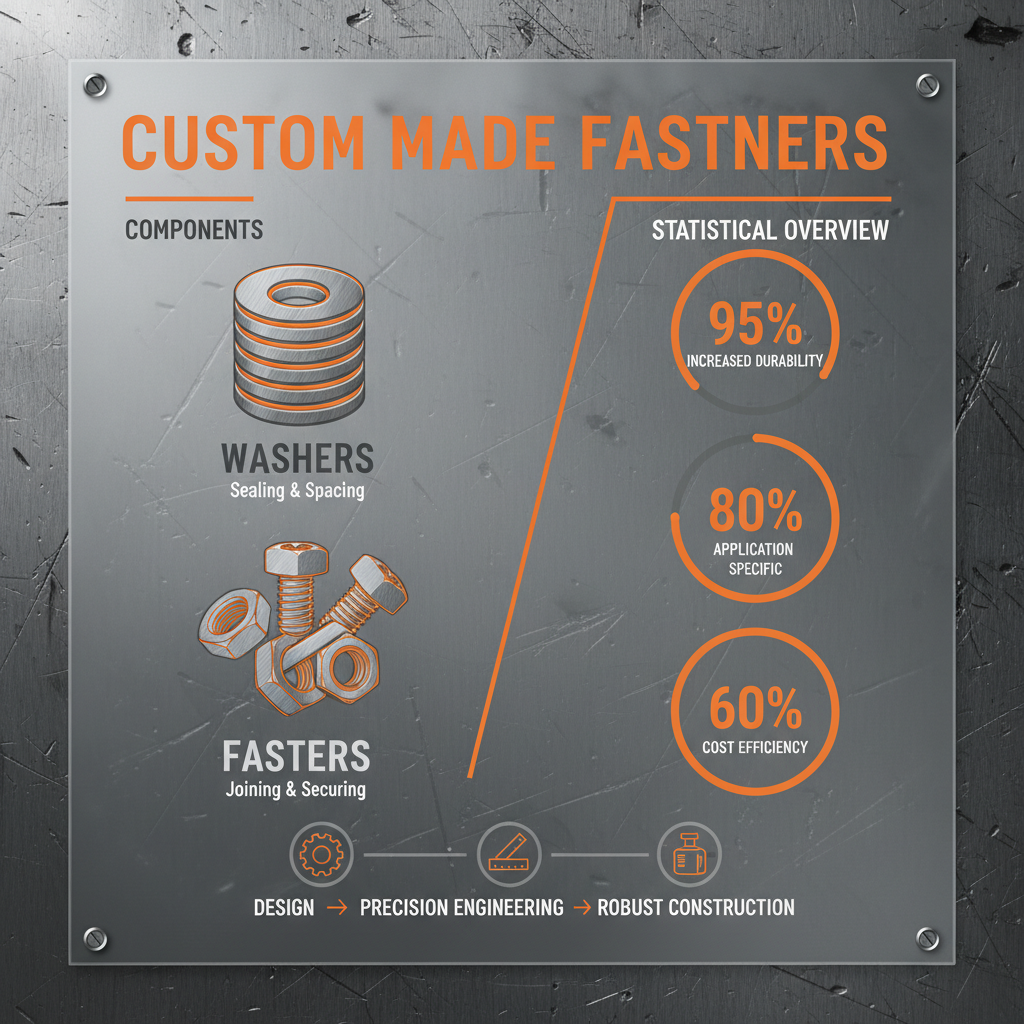
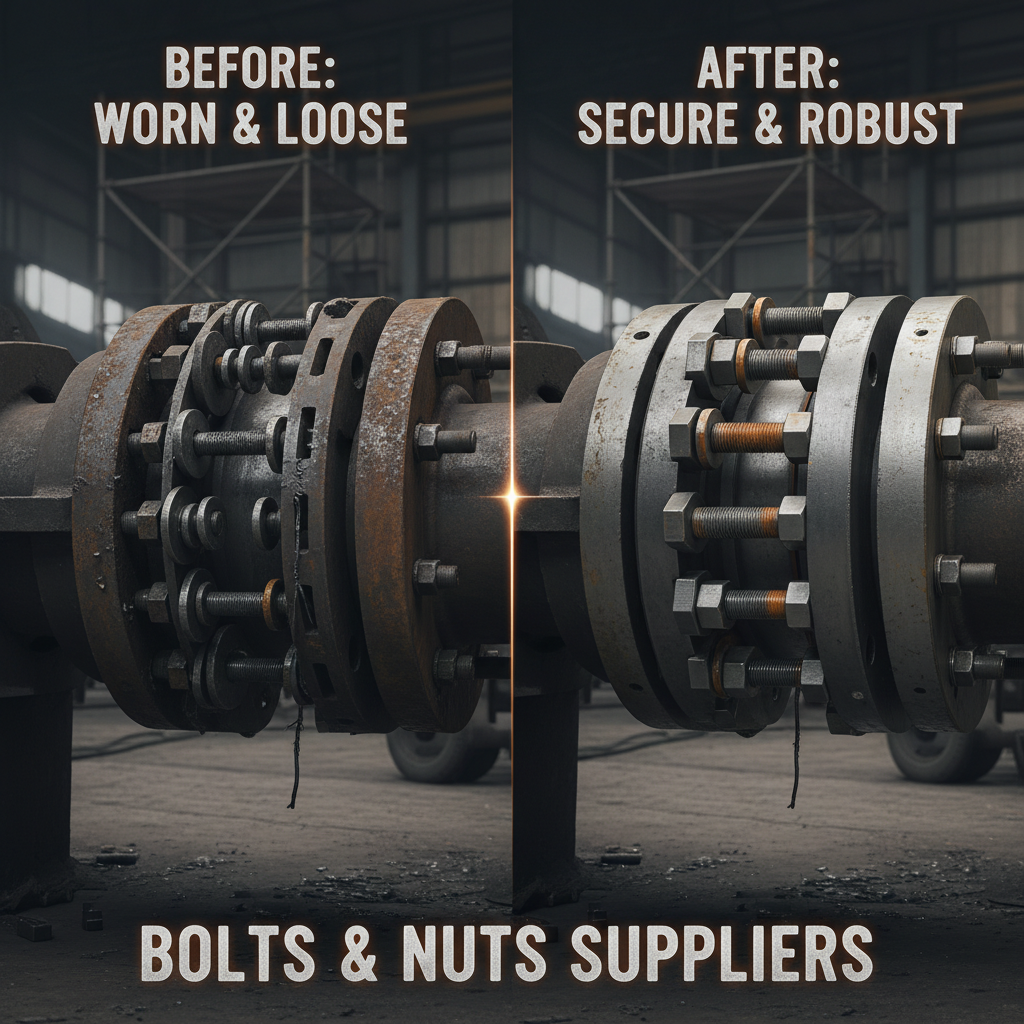
I've seen projects stalled because a standard bolt couldn't handle the vibration, or a screw stripped because the material was too hard. Custom made fasteners address these specific issues. They aren’t a one-size-fits-all solution; they’re engineered for the task. It's about considering the entire system – the materials being joined, the load it will bear, the environmental conditions, and the lifespan requirements. custom made fasteners are about avoiding costly rework and ensuring the long-term integrity of the structure.
Too often, people think of fasteners as an afterthought. Big mistake. They’re critical components that affect everything from structural stability to operational efficiency. Investing in properly engineered custom hardware is an investment in the success of the entire project. It’s about proactive problem-solving, not reactive firefighting.
Lead times can vary significantly depending on the complexity of the design, the materials required, and the manufacturer’s current workload. Generally, you can expect a lead time of 4-8 weeks, but it can be longer for highly specialized components. Good communication with your supplier is key to getting accurate timelines. custom made fasteners manufacturers are working to shorten these timelines through process improvements and advanced technologies.
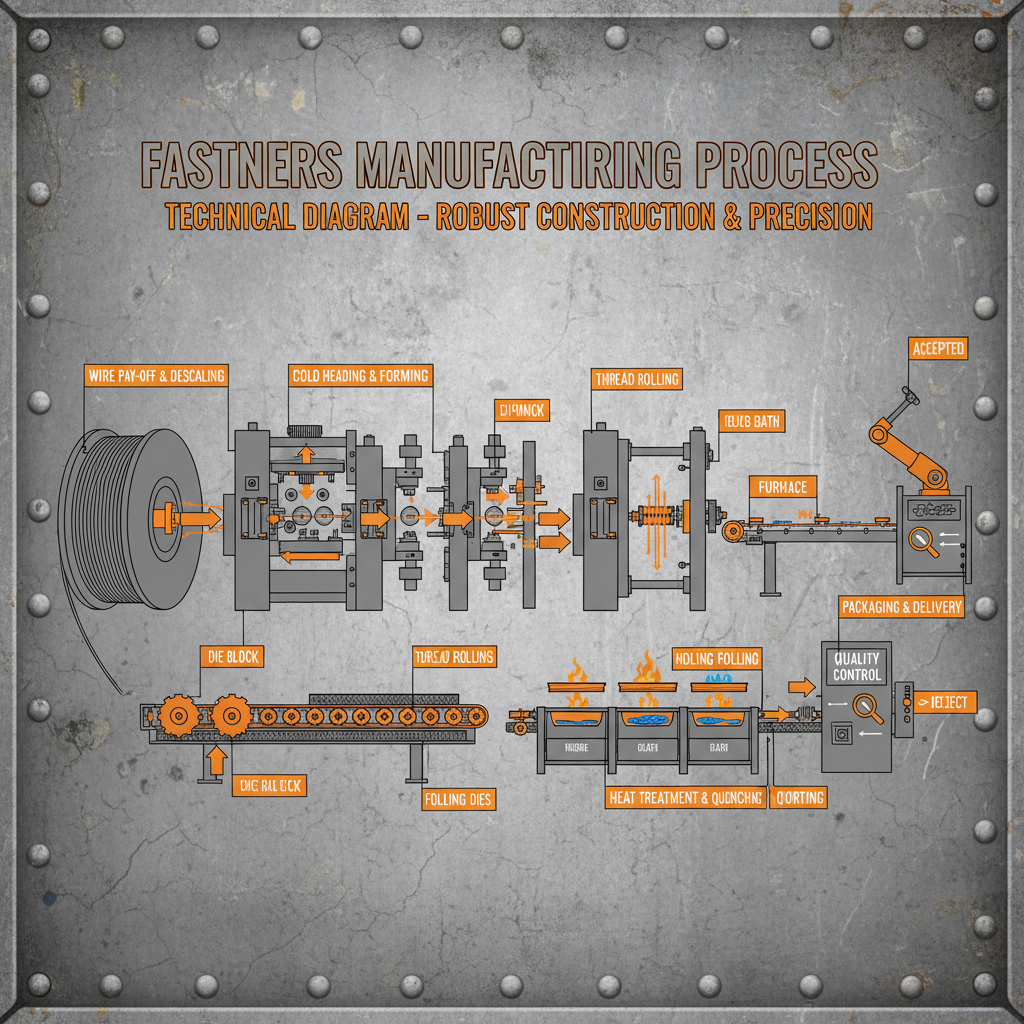
Quality control starts with selecting a reputable manufacturer with robust quality assurance processes. Look for certifications like ISO 9001. Specify clear tolerances and material requirements in your design specifications. Request material certificates and inspection reports. And consider conducting your own independent testing if the application is critical.
We typically accept 2D drawings in formats like PDF, DWG, and DXF. For more complex designs, 3D models in STEP or IGES format are preferred. Clear and detailed drawings are essential to ensure accurate fabrication. We’re happy to work with you to ensure your specifications meet our requirements.
Yes, we have experience working with a broad range of materials, including stainless steel, carbon steel, aluminum, titanium, brass, and various alloys. We can also source specialized materials to meet specific application requirements. The choice of material depends on factors like strength, corrosion resistance, and temperature tolerance.
The MOQ varies depending on the complexity of the design and the material used. Generally, we have a MOQ of 100-500 pieces, but we can often accommodate smaller quantities for specialized projects. It’s always best to discuss your specific requirements with us to get an accurate quote.
Cost is influenced by several factors: material type, complexity of design, quantity ordered, machining time, and any required post-processing (e.g., plating, heat treatment). Obtaining a detailed quote based on your specifications is the most accurate way to understand the total cost. We strive for competitive pricing without compromising on quality.
In the end, custom made fasteners aren’t just about bolts and screws. They’re about engineering solutions, ensuring safety, and maximizing the long-term value of your projects. From aerospace to construction, the demand for specialized fastening solutions is growing, driven by increasing complexity, stricter regulations, and a relentless pursuit of performance.
Don’t settle for ‘good enough.’ Invest in custom made fasteners that are engineered to meet your specific needs. Plan ahead, work with a reliable supplier, and prioritize quality. It's an investment that will pay dividends in the long run. For tailored fastening solutions that deliver performance and reliability, visit our website at www.gardepota.com today!