In the ever-evolving world of art and design, the most groundbreaking materials often emerge from the most unexpected places. The sterile aisles of hardware stores are now yielding a surprising new medium for creative expression: white sealant. No longer confined to caulking bathtubs, this versatile substance is being discovered by artists and DIY enthusiasts for its unique aesthetic potential. Its journey from a backstage technician to a star performer on the canvas of modern art is a testament to a cultural shift towards innovative, tactile creativity. This article explores the rise of white sealant as a powerful artistic medium, detailing its properties, applications, and the unique advantages it offers.
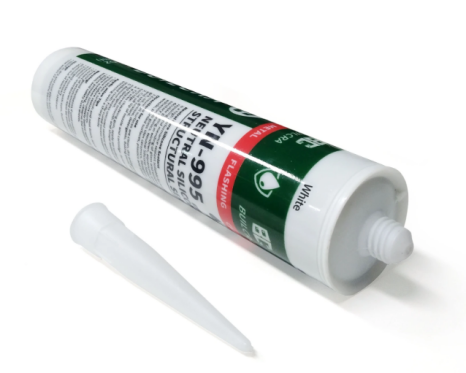
The Unlikely Muse: Unveiling the Artistic Potential of White Sealant
The initial skepticism is understandable. How can a material designed for waterproofing hold artistic merit? The answer lies in its physical properties. White rubber sealant, in particular, possesses a unique combination of viscosity, texture, and flexibility ideal for three-dimensional art. It is fluid enough to be extruded and manipulated, yet resilient enough to hold its form permanently once cured.
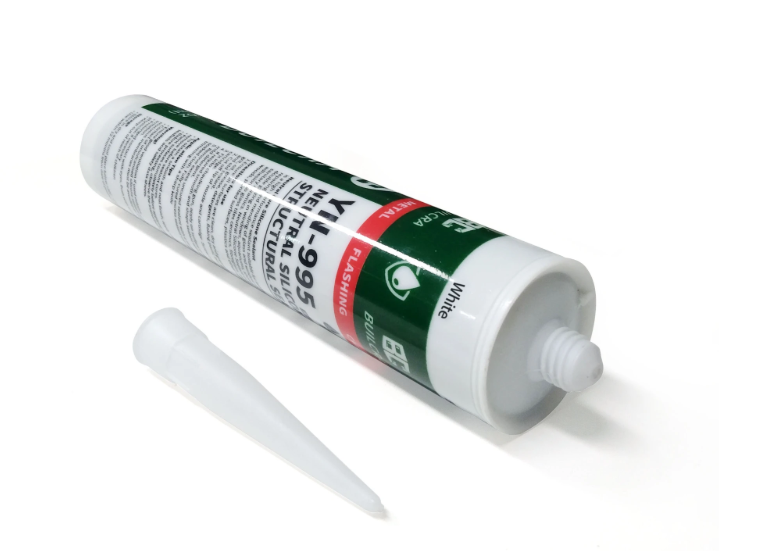
Artists are drawn to its ability to create intricate, raised line work impossible to achieve with paint alone. It can be used to "draw" directly onto a canvas, wood panel, or furniture, creating a bas-relief effect that adds dramatic texture and shadow. The smooth, consistent flow from the applicator tube allows for incredible control, enabling the creation of everything from fine, lace-like patterns to bold, sculptural strokes. Furthermore, the brilliant, pure white of an untinted sealant offers a pristine starting point. It can serve as a standalone sculptural element or act as a perfect base for subsequent painting, its rubbery surface accepting acrylics and other pigments beautifully.
|
Feature |
Description |
|
Strong Multi-Surface Adhesion |
White sealant bonds securely to a wide range of surfaces, including ceramic, glass, metal, wood, and plastic. This strong adhesion ensures an effective seal that resists air, moisture, and contaminants. |
|
Superior Weather Resistance |
The sealant offers superior resistance to UV rays, rain, and extreme temperatures. It remains durable and maintains its white appearance without discoloring or cracking. |
|
Long-Lasting Flexibility |
After curing, the white rubber sealant remains flexible, allowing it to expand and contract with changes in temperature and humidity. This flexibility ensures a long-lasting seal. |
|
Effective Waterproof Barrier |
Ideal for areas where moisture exposure is common, white waterproof sealant provides a waterproof barrier that prevents water infiltration and helps reduce the risk of mold. |
|
Smooth Application & Finish |
The smooth consistency allows for easy application with a caulking gun. Once applied, it leaves a neat, clean finish, making it perfect for areas where appearance matters. |
From Practical to Profound: Mastering Techniques with White Waterproof Sealant
The transition from seeing white sealant as a tool to recognizing it as a medium requires a shift in technique. The caulking gun is the primary tool, but artists have expanded their toolkit to include pastry bags for delicate work and palette knives for shaping.
One popular technique involves creating textured abstract pieces. By applying layers of white waterproof sealant onto a canvas, artists can build up incredible topographies that mimic natural landscapes or pure forms. The sealant's inherent flexibility prevents cracking as these layers build. Another technique is line art, where the sealant is used like a pen to trace designs or create intricate mandalas. The three-dimensional line it creates is bold and graphic.
For mixed-media artists, white sealant is a revolutionary adhesive and textural element. It can secure objects like seashells or beads to a surface while simultaneously adding its own visual voice. The knowledge that the resulting artwork is protected by a white waterproof sealant barrier adds a layer of practical durability, making pieces suitable for display in humid environments or as outdoor garden art.
Your Creative Questions Answered: White Sealant Art FAQ
Venturing into a new artistic territory naturally brings up questions. Here, we address some of the most common queries to help you confidently begin your journey with white sealant as a medium.
What Advantages Does White Sealant Offer Over Traditional Art Materials?
The advantages are multi-faceted. White sealant is accessible and affordable compared to professional-grade sculpting clays. Its flexibility after curing prevents cracking, a common issue with clay. Its self-adhesive nature simplifies the process, and its built-in waterproof and UV-resistant qualities mean your finished pieces are more durable for both indoor and outdoor display.
How Does White Waterproof Sealant Enhance Outdoor Art Durability?
White waterproof sealant is engineered to form a tough, elastic barrier against the elements. It actively repels water, preventing moisture from causing rot or warping. Its resistance to temperature fluctuations means it won't become brittle in the cold or melt in the heat. The UV inhibitors prevent the white color from yellowing, ensuring your outdoor artwork remains vibrant.
Can I Paint Over Cured White Rubber Sealant?
Absolutely. Once the white rubber sealant has fully cured, it creates a perfectly primed, slightly flexible surface. Acrylic paints adhere exceptionally well to it. You can use brushes for broad coverage or delicate dry-brushing techniques to highlight the textured peaks and valleys. The neutral white base ensures your colors appear true and vibrant.
Is White Sealant Safe for Indoor Art Projects?
Modern white sealant formulations are designed to be safe for indoor use once fully cured. It is crucial to use the material in a well-ventilated area during application. However, after the curing process is complete, the material becomes inert and stable, posing no health risk for display in living spaces.
What Makes White Rubber Sealant a Flexible and Reliable Medium?
The reliability of white rubber sealant stems from its polymer-based composition. This gives it permanent flexibility, allowing it to be bent and stretched without breaking its bond. This "memory" is essential for art, as it accommodates the natural movement of substrates like wood or canvas, ensuring the intricate details of your work remain intact for years.
In conclusion, the humble white sealant has boldly stepped out of the toolbox and into the studio, offering a new lexicon of texture, form, and resilience for the modern artist. It embodies a philosophy where exploration is endless. The potential of white sealant, white waterproof sealant, and white rubber sealant is limited only by the imagination of the creator.