- Dom
- Aktualności
- A Complete Guide to Self Drilling Screws for Steel and Industrial Use
A Complete Guide to Self Drilling Screws for Steel and Industrial Use
In modern construction, manufacturing, and metal fabrication, fasteners are more than just small components—they are essential to structural integrity and long-term performance. Among the most widely used fasteners today are self drilling screws, valued for their efficiency, strength, and versatility. Whether you're sourcing bulk self tapping screws for large-scale projects or selecting specialized options like stainless steel self drilling screws, understanding the different varieties and their applications is key to making the right choice.
This guide explores the most important self drilling screw types, materials, and use cases to help you optimize both performance and cost.
Understanding Self Drilling Screw Types and Features
One of the biggest advantages of self drilling screws is their ability to eliminate pre-drilling. Thanks to their drill-point tips, these screws can cut through metal and other materials while simultaneously forming threads.
There are many self drilling screw types, each designed for specific applications:
1. Standard Sizes and Specifications
Common sizes such as 10 self drilling screws are widely used across industries. These screws provide a balance between strength and versatility, making them suitable for general-purpose fastening.
For more specific needs, sizes like 10 x 3 4 self drilling screws are often used in sheet metal work, roofing, and light structural applications. Their dimensions ensure a secure hold while minimizing material damage.
2. Head Styles and Their Functions
Different head designs impact both performance and appearance. For example, wafer head self drilling screws feature a low-profile, լայն head that distributes pressure evenly. This makes them ideal for fastening thin metal sheets without causing deformation.
Other head styles include:
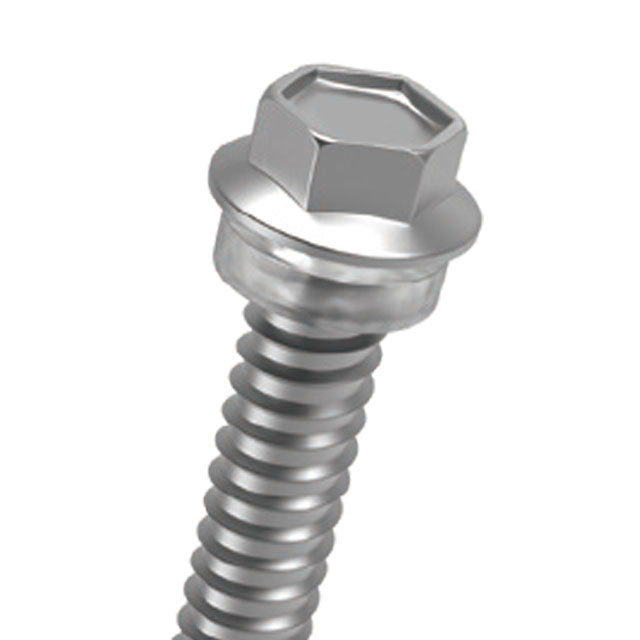
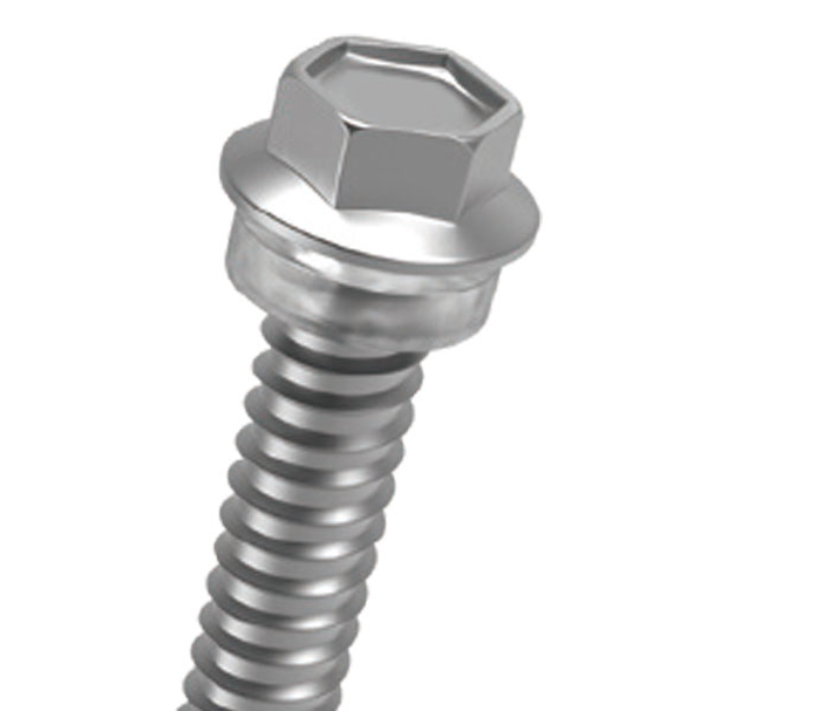
- Hex head for heavy-duty torque applications
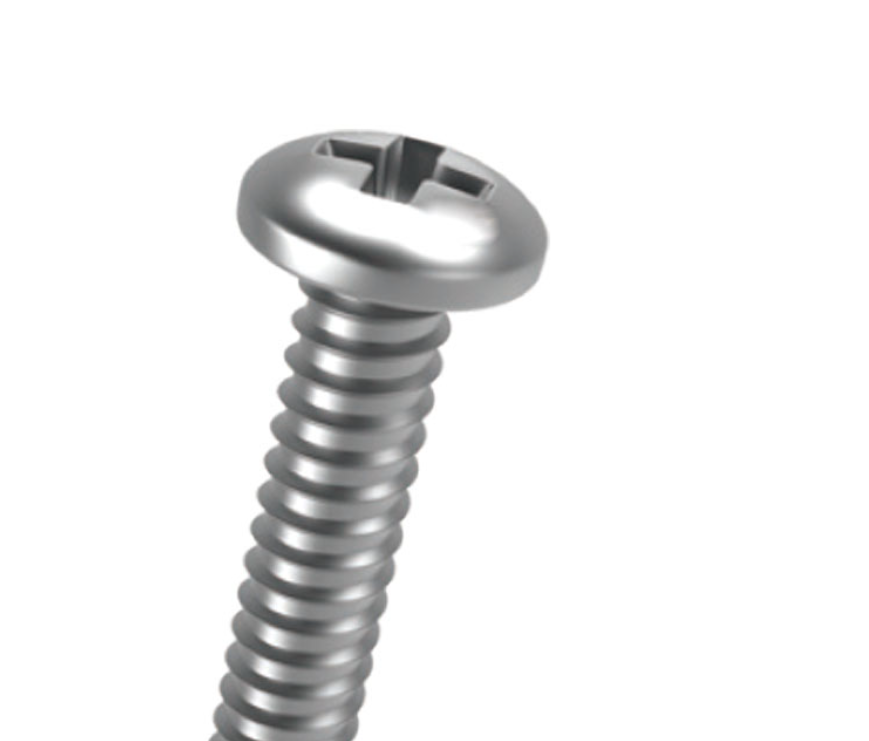
- Pan head for general use
- Flat head for flush finishes
3. Coatings and Finishes
Coatings play a crucial role in durability and corrosion resistance. Black self drilling screws are commonly used in indoor or decorative applications due to their sleek appearance and moderate corrosion protection.
For more demanding environments, coatings like zinc plating or specialized anti-corrosion treatments are often applied.
Materials and Applications in Steel Construction
Material selection is critical when choosing the right screw, especially for steel-related applications.
1. Stainless Steel for Durability
Stainless steel self drilling screws are highly resistant to rust and corrosion, making them ideal for outdoor, marine, and high-humidity environments. Similarly, stainless self drilling screws are widely used in industries where hygiene and longevity are essential, such as food processing and healthcare facilities.
Although stainless steel screws may come at a higher cost, their long lifespan often results in lower maintenance and replacement expenses.
2. Applications in Steel Structures
When working with structural components, such as beams and heavy frameworks, specialized screws are required. Self drilling screws for steel beam applications are engineered with stronger drill points and higher hardness levels to penetrate thick steel efficiently.
These screws are commonly used in:
Steel frame construction
Industrial buildings
Bridges and infrastructure
Heavy machinery assembly
Their ability to drill and fasten in one step significantly reduces labor time and improves installation efficiency.
3. Bulk Purchasing for Cost Efficiency
For contractors and manufacturers, buying bulk self tapping screws is a practical way to reduce costs and ensure consistent supply. Bulk purchasing also allows for better negotiation on pricing and ensures that projects are not delayed due to shortages.
Choosing the Right Self Drilling Screws
Selecting the right screw involves more than just size and material. Here are some key factors to consider:
Material compatibility: Ensure the screw matches the substrate (e.g., steel, aluminum)
Environmental conditions: Use stainless steel self drilling screws in corrosive environments
Load requirements: Choose stronger screws for structural applications
Head type: Select appropriate designs like wafer head self drilling screws for thin materials
Finish: Consider aesthetics and corrosion resistance (e.g., black self drilling screws)
By understanding these factors and the available self drilling screw types, you can make informed decisions that improve both performance and efficiency.
Self drilling screws have revolutionized fastening in construction and manufacturing by combining drilling and fastening into a single step. From standard sizes like 10 self drilling screws to specialized options such as self drilling screws for steel beam, these fasteners offer unmatched convenience and reliability.
Choosing the right material—whether stainless steel self drilling screws or black self drilling screws—along with the correct size and head type, ensures optimal results for any application. Additionally, sourcing bulk self tapping screws can significantly reduce costs for large-scale projects.
By understanding the full range of self drilling screw types and their applications, businesses can enhance productivity, improve structural integrity, and achieve long-term success.
FAQ About Self Drilling Screw Types and Applications
1. What are the most common self drilling screw types?
The most common self drilling screw types include hex head, pan head, and wafer head self drilling screws, each designed for different applications such as heavy-duty fastening or thin sheet metal work.
2. Why choose stainless steel self drilling screws over regular screws?
Stainless steel self drilling screws offer superior corrosion resistance, making them ideal for outdoor and marine environments compared to standard coated screws.
3. Are self drilling screws for steel beam strong enough for structural use?
Yes, self drilling screws for steel beam are specifically engineered for heavy-duty applications and can penetrate thick steel while maintaining strong holding power.
4. What is the advantage of using 10 x 3 4 self drilling screws?
10 x 3 4 self drilling screws provide a balanced size for light to medium-duty applications, ensuring secure fastening without excessive material penetration.
5. When should I use black self drilling screws?
Black self drilling screws are best used in indoor or decorative applications where appearance matters, along with moderate corrosion resistance requirements.