1 2 13 Hex Bolt - Reliable Industrial Fastener Insights
Understanding the 1 2 13 Hex Bolt: A Veteran’s Take
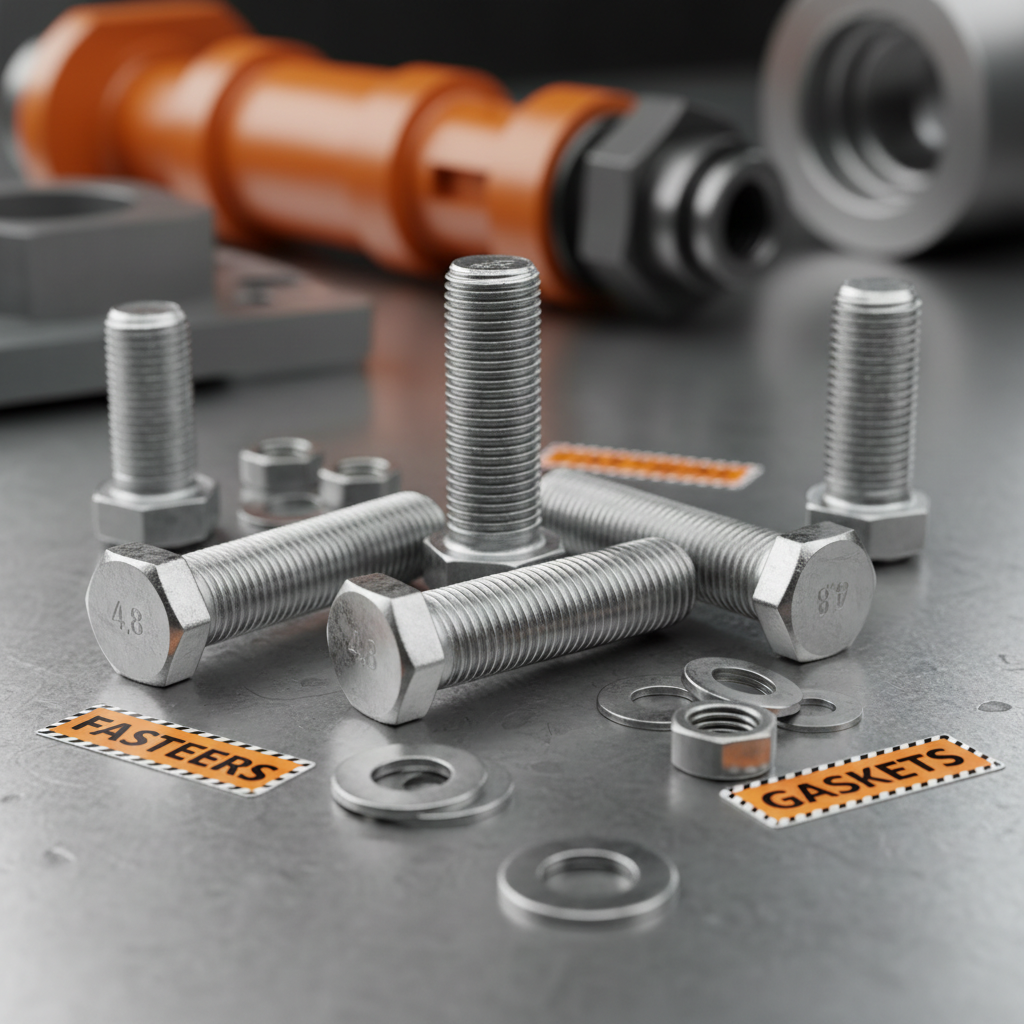
Having spent more than two decades in the industrial equipment sector, I’ve noticed that some components, though small, have outsized importance. The 1 2 13 hex bolt happens to be one of these unsung heroes. Simple at first glance, yet crucial in everything from automotive assembly to heavy machinery.
Oddly enough, when I first got into the field, I underestimated just how much difference the right bolt could make. But after a few projects where the wrong fastener caused headaches (and costly downtime), I grew to respect the humble hex bolt. Let me walk you through why the 1 2 13 variant has been a reliable staple in every toolbox I’ve seen.
Why the 1 2 13 Hex Bolt Stands Out
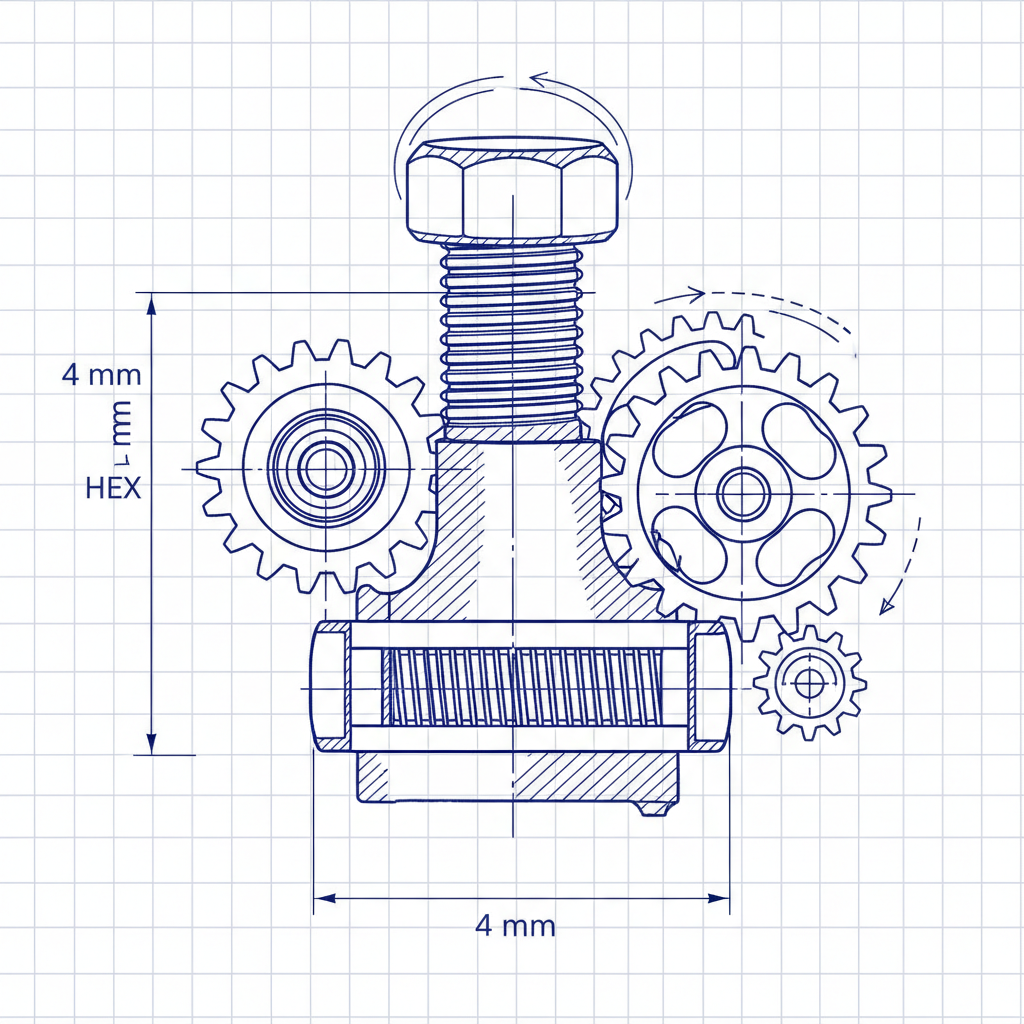
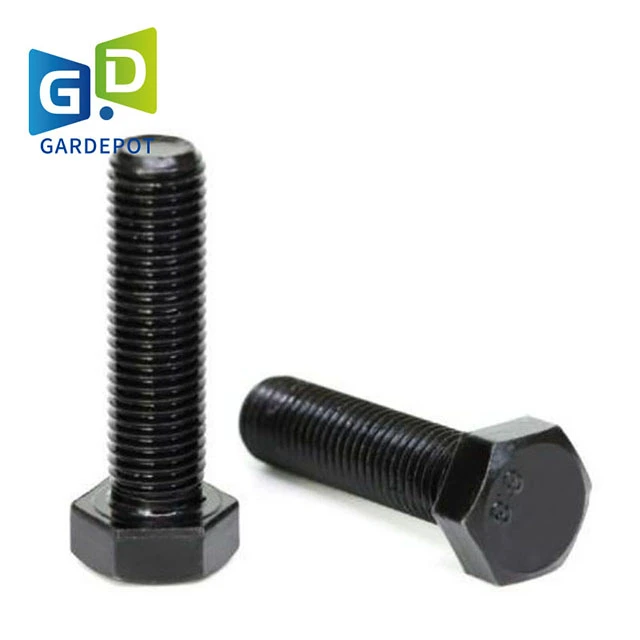
The designation "1 2 13" might sound arbitrary, but it actually relates to precise measurements and threading standards that matter in real terms. Typically, these bolts feature coarse threads with a diameter of 1/2 inch and a thread count of 13 threads per inch. This combination provides a balance between grip strength and ease of assembly — something engineers often debate about.
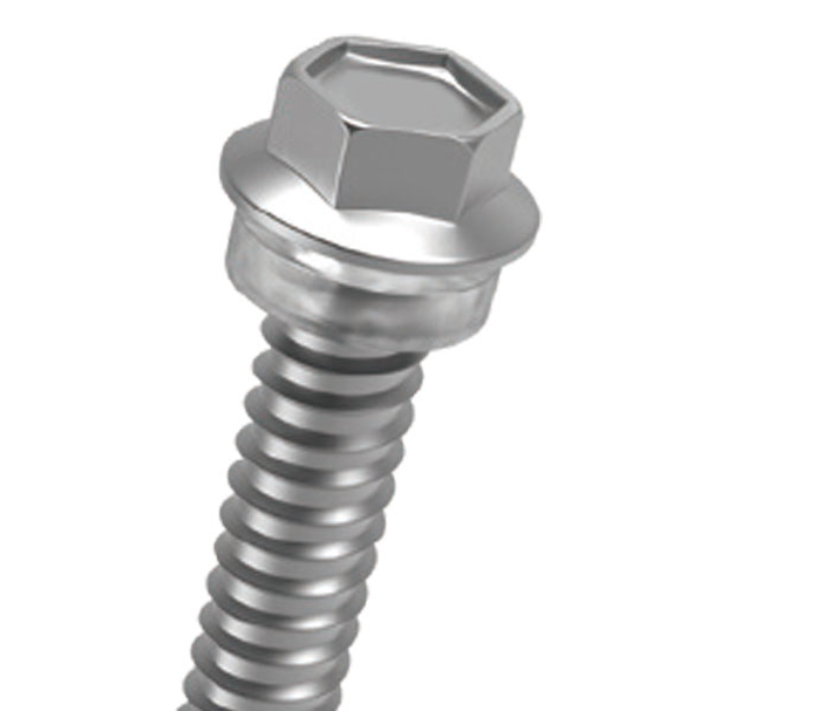
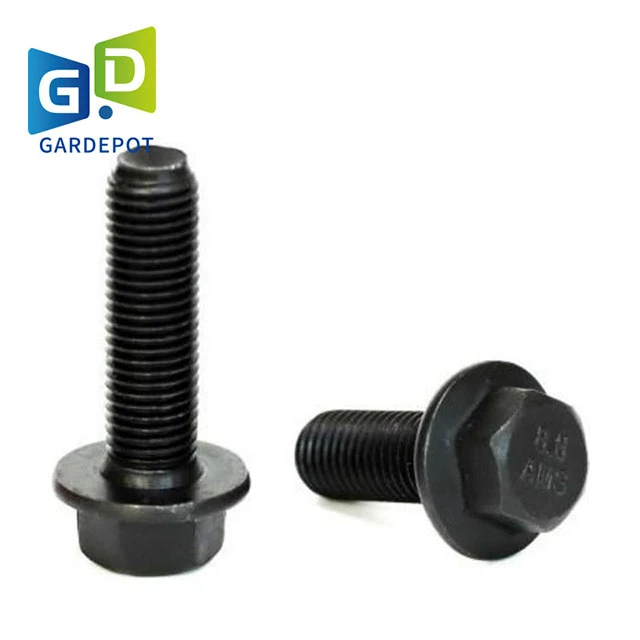
Frankly, in projects where vibration resistance is essential—say, in an oil rig or construction crane—this bolt size has proven dependable. The hexagonal head also allows for easy torque application with standard wrenches, which is why many maintenance teams prefer it. It’s just straightforward, no-fuss engineering.
Material & Coating Choices: What’s Best?
Over the years, I’ve seen the 1 2 13 hex bolts made from various materials — stainless steel, carbon steel, alloy steel you name it. Typically, carbon steel bolts with a zinc plating are popular because they strike a good balance between corrosion resistance and cost. Stainless steel, of course, offers superior rust-proofing, but it can be pricier and sometimes overkill for indoor uses.
When in doubt, I usually lean on ASTM standards for material grading — it’s industry gold. For outdoor or marine applications, opting for galvanized coating or even black oxide finishes can extend lifespan considerably. Of course, there’s always customization, but more on that later.
Common Applications and Field Performance
Oddly enough, the 1 2 13 hex bolt’s versatility is what makes it so popular. From mounting machinery to structural frameworks, these bolts are often the first choice. I recall a project where a customer needed replacement bolts for an aging conveyor belt system. The standard 1/2"-13 grade 5 bolts they sourced outperformed the previous originals from a less reputable supplier, running stronger and lasting longer under continuous stress.
Many engineers say it’s often the quality of threading and material hardness that determines bolt longevity more than size alone. I’d agree with that—thread pitch combined with heat treatment can make or break a component’s reliability.
1 2 13 Hex Bolt Product Specifications
| Specification | Details |
|---|---|
| Diameter | 1/2 inch (12.7 mm) |
| Thread Pitch | 13 Threads per Inch (Coarse) |
| Material | Carbon Steel, Stainless Steel, Alloy Steel |
| Head Type | Hexagonal |
| Typical Coatings | Zinc Plated, Galvanized, Black Oxide |
| Common Grades | Grade 5, Grade 8 (SAE), ASTM A325 |
| Length Range | 1 inch to 12 inches (customizable) |
Vendor Comparison: Choosing Reliable Sources
| Vendor | Material Quality | Thread Precision | Customization Options | Lead Times | Pricing |
|---|---|---|---|---|---|
| Alpha Fasteners | High | Excellent | Wide | 2–3 weeks | Premium |
| Beta Components | Medium | Good | Limited | 1 week | Competitive |
| Gamma Supplies | High | Excellent | Custom Lengths | 3 weeks | Moderate |
Customization and Ordering Tips
One of the things I’ve come to appreciate about the 1 2 13 hex bolt is how easily it can be customized. Length, material grade, and coatings often come into play depending on project specifics. For example, specifying a Grade 8 bolt instead of Grade 5 when you expect higher tensile loads is a no-brainer. Also, vendors that offer pre-assembly torque testing are definitely worth seeking out — it ensures you’re not just buying bolts but reliability wrapped in steel.
When ordering, I tend to advise clients to keep a close eye on sourcing traceability. This means verifying material certificates and heat treatment records wherever possible — a bit tedious, but the peace of mind is worth it.
Before signing off, a quick anecdote: during a repair job for a large steel press, the team brought in Grade 5 1/2"-13 hex bolts from a discount supplier. They failed after minimal use. Swapping them for certified Grade 8 bolts stabilized the machine, and downtime was cut dramatically. It drives home the point about quality you really can’t compromise.
In short, the 1 2 13 hex bolt is a straightforward, reliable solution that, when chosen correctly, can keep your equipment running smoother for longer. It’s one of those pieces of industrial equipment that quietly gets the job done — and frankly, those are the best kinds.
References:
1. ASTM International standards for bolts and fasteners.
2. "Mechanical Fastening Guide," Industrial Press.
3. Field notes and personal experience, 2001-2023.