In construction (e.g., landfill liners, pond waterproofing, tunnel projects), geomembrane welding machine, geomembrane welder, and geomembrane machine are critical for joining geomembranes (HDPE, LDPE, TPO) into seamless waterproof barriers. Proper maintenance of these machines ensures consistent weld quality (prevents leaks), extends equipment lifespan (reduces replacement costs), and minimizes project downtime—key priorities for contractors relying on efficient workflows.
Geomembrane Welding Machine Product Features Table
|
Aspect |
Details |
|
Core Products |
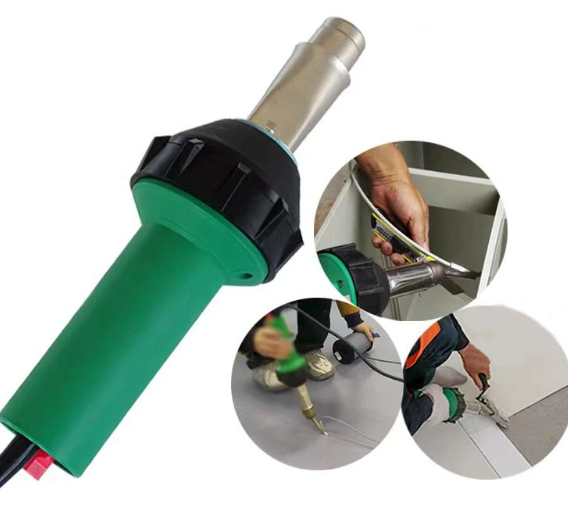
- Geomembrane welding machine: Automatic/semiautomatic variants for HDPE/LDPE/TPO geomembranes, with temperature control (180–250°C), speed adjustment (1–5 m/min), and pressure regulation; - Geomembrane welder: Portable handheld models for small-area welds (e.g., corner seams), lightweight (3–5 kg) for easy maneuvering; - Geomembrane machine: Auxiliary equipment (weld testers, cleaning tools) to complement welding machines; - Automatic Tool Traits: Precision control systems (reduces human error), high-speed operation (boosts productivity), durable components (handles heavy construction use). |
|
Key Product Overview |
- Automation Advantages: Geomembrane welding machine uses automatic temperature/speed control (ensures uniform welds, no overheating), reducing manual labor by 60% compared to hand welding; - Performance Traits: Weld strength (meets ASTM D7464 standards, peel strength ≥20 N/cm), weather resistance (works in -10°C to 40°C, suitable for outdoor projects); - Durability: Stainless steel heating elements (resists corrosion), reinforced cables (prevents wear from dragging), impact-resistant casings (protects internal components). |
|
Maintenance-Critical Parts |
- Heating Elements: Teflon-coated heating plates (prevent geomembrane sticking, need regular cleaning); - Pressure Rollers: Rubberized rollers (maintain weld pressure, require wear checks); - Temperature Sensors: Ensure accurate heat control (malfunction causes weak welds); - Power Cables: Thick copper cores (prevent overheating, need insulation checks); - Filters: Air/oil filters (keep hydraulic/pneumatic systems clean, avoid component clogging). |
|
Application Adaptability |
- Large-Scale Projects: Geomembrane welding machine (automatic) for landfill liners, reservoir waterproofing (welds 1000+ sq m daily); - Small-Area Work: Geomembrane welder (portable) for repair work, tunnel seams, or hard-to-reach areas; - All-Weather Use: Machines with dustproof/waterproof ratings (IP54) for outdoor construction (rain, wind, dust); - Geomembrane Compatibility: Works with 0.5–3 mm thick geomembranes (HDPE, LDPE, TPO, EPDM). |
|
Manufacturer Support |
Hebei Gardepot Technology Co., Ltd. provides wholesalers with bulk geomembrane welding machine (ASTM-certified), geomembrane welder, and replacement parts (heating elements, pressure rollers, filters); offers maintenance manuals (step-by-step cleaning/lubrication guides); provides on-demand training (for clients’ maintenance teams); supplies testing tools (weld peel testers) to verify maintenance effectiveness; ensures fast delivery of parts (reduces machine downtime for clients). |
Daily Maintenance of Geomembrane Welding Machine
- Daily maintenance of geomembrane welding machine focuses on cleaning and basic inspections to prevent minor issues from escalating. Start by turning off the machine and disconnecting power to ensure safety—never perform maintenance on a running geomembrane welding machine. Use a soft, lint-free cloth to wipe the heating plate (after it cools to ≤50°C), removing any residual geomembrane debris (stuck material causes uneven heating, leading to weak welds); for stubborn residue, dampen the cloth with isopropyl alcohol (avoid harsh chemicals that damage Teflon coating). Check the pressure rollers: run your finger along the rubber surface to feel for cracks, flat spots, or embedded debris—if present, use a small brush to clean debris, and replace rollers if wear exceeds 1 mm (worn rollers reduce weld pressure, causing leaks). Inspect power cables and plugs for frayed insulation or loose connections (damaged cables pose electric shock risks); if issues are found, replace cables with genuine parts from Hebei Gardepot Technology Co., Ltd. (non-genuine parts may not meet safety standards).
- After cleaning, verify the machine’s basic functions to ensure it’s ready for the next use. Turn on the geomembrane welding machine and set the temperature to 200°C (standard for HDPE geomembranes)—check if the temperature display reaches the set value within 5 minutes (slow heating indicates a faulty sensor or heating element, which needs replacement). Test the speed control: adjust the weld speed from 1 to 5 m/min and listen for smooth motor operation (grinding noises mean lubrication is needed). Finally, check the emergency stop button—press it to confirm the machine shuts down immediately (critical for safety during operation). Hebei Gardepot Technology Co., Ltd. recommends recording daily maintenance in a log (note cleaning steps, part conditions, and function tests) to track the machine’s health over time; wholesalers can provide this log template to clients as a value-added service.
Weekly Maintenance of Geomembrane Welder
- Weekly maintenance of geomembrane welder (portable handheld models) goes beyond daily checks to address wear and lubrication, ensuring consistent performance. Start with the heating tip: remove it from the geomembrane welder and inspect for oxidation (discolored, flaky surfaces) or deformation—if oxidized, gently sand the tip with 400-grit sandpaper (avoid over-sanding, which reduces tip lifespan); if deformed, replace it with a genuine tip from Hebei Gardepot Technology Co., Ltd. (mismatched tips cause uneven welds). Check the air pressure system (for pneumatic geomembrane welder): release air from the tank, remove the filter, and rinse it with clean water (clogged filters reduce pressure, leading to incomplete welds); allow the filter to dry completely before reinstalling.
- Lubricate moving parts to reduce friction and prevent premature wear. Apply a small amount of silicone lubricant to the trigger mechanism (ensures smooth operation) and the hinge connecting the heating tip to the body (avoids rust in humid environments)—do not use oil-based lubricants (they attract dust and gum up parts). Test the geomembrane welder on a scrap piece of geomembrane (0.8 mm HDPE): weld a 30 cm seam and check for uniformity (no gaps, burns, or cold spots)—if the weld fails, inspect the temperature sensor (common cause of inconsistent heat). Hebei Gardepot Technology Co., Ltd. advises wholesalers to remind clients that weekly maintenance takes only 30–45 minutes but extends the geomembrane welder’s lifespan by 2–3 years; the company also offers lubricant and sandpaper kits for wholesalers to bundle with machine sales.
Monthly Maintenance of Geomembrane Machine (Auxiliary Equipment)
- Monthly maintenance of geomembrane machine (e.g., weld testers, hydraulic pumps) ensures they complement the welding process effectively, not hinder it. For weld peel testers (used to check weld strength), calibrate the device using a standard weight (provided by Hebei Gardepot Technology Co., Ltd.): attach the weight to the tester’s clamp and confirm the display shows the correct force (e.g., 20 N = 2.04 kg weight)—if inaccurate, adjust the calibration screw (follow the machine’s manual). Clean the tester’s clamps: remove rust or debris with a wire brush and apply anti-rust oil (prevents clamp corrosion, which distorts test results).
- For hydraulic geomembrane machine (e.g., large pressure rollers), check the hydraulic oil level: open the oil tank cap and ensure the oil reaches the “max” line (low oil causes pressure drops, reducing weld quality); if low, add hydraulic oil of the grade specified by Hebei Gardepot Technology Co., Ltd. (using wrong oil damages seals). Inspect hydraulic hoses for leaks or bulges—wipe hoses with a dry cloth and look for oil stains (leaks mean seal replacement is needed). Test the machine’s pressure output: set the pressure to 0.3 MPa (standard for HDPE welds) and use a pressure gauge to verify accuracy (deviations indicate a faulty pressure valve). Wholesalers can emphasize to clients that well-maintained geomembrane machine improve the reliability of welding quality checks, reducing the risk of post-installation leaks.
Geomembrane Welding Machine FAQS
How often should the heating element of a geomembrane welding machine be replaced?
The heating element of a geomembrane welding machine should be replaced every 12–18 months under normal use (8 hours/day, 5 days/week) or immediately if signs of failure appear (e.g., uneven heating, no temperature rise). Hebei Gardepot Technology Co., Ltd. recommends using genuine heating elements (Teflon-coated, high-temperature resistant) as non-genuine ones may overheat and damage the machine. Wholesalers can stock replacement elements to ensure clients get fast deliveries, minimizing downtime.
What should I do if a geomembrane welder (portable) produces weak welds?
First, check the temperature: ensure the geomembrane welder is set to the correct temperature for the geomembrane material (e.g., 190–210°C for LDPE). If temperature is correct, inspect the heating tip—oxidized or worn tips cause uneven heat, so clean or replace the tip. Next, check pressure: portable geomembrane welder rely on manual pressure, so ensure you apply consistent force (3–5 kg) during welding. If issues persist, contact Hebei Gardepot Technology Co., Ltd. for technical support—their team can help diagnose sensor or motor problems.
Can I use any lubricant for geomembrane machine moving parts?
No, only use lubricants recommended by Hebei Gardepot Technology Co., Ltd. (silicone-based for most geomembrane machine). Oil-based lubricants attract dust and debris, which clog moving parts (e.g., pressure roller bearings) and reduce performance. The company offers a specialized lubricant kit (safe for rubber, metal, and Teflon parts) that wholesalers can offer to clients as part of maintenance packages.
How to store a geomembrane welding machine during off-seasons?
Store the geomembrane welding machine in a dry, cool area (temperature 5–30°C, humidity ≤60%) to prevent rust and component damage. Clean the machine thoroughly first: wipe all surfaces, remove debris from heating plates, and lubricate moving parts (per maintenance guidelines). Disconnect all cables and wrap them neatly (avoid kinks that damage insulation). For long-term storage (6+ months), cover the machine with a dustproof cloth and check it monthly for rust or moisture buildup. Hebei Gardepot Technology Co., Ltd. also suggests removing the heating element and storing it separately in a dry container to extend its lifespan.
How often should filters in a geomembrane machine be replaced?
Filters in a geomembrane machine (e.g., air filters for pneumatic welders, oil filters for hydraulic equipment) should be replaced every 3 months or after 50 hours of use—whichever comes first. Hebei Gardepot Technology Co., Ltd. notes that filters in dusty or humid construction environments may need more frequent replacement (every 2 months) to avoid clogging. Clogged filters reduce airflow or oil circulation, leading to decreased machine performance (e.g., weak weld pressure, slow hydraulic operation). Wholesalers can recommend clients stock extra filters to avoid unexpected downtime, and bundle filter replacement kits with geomembrane machine sales for added convenience.