What Pros Really Think About black seam sealer in 2025
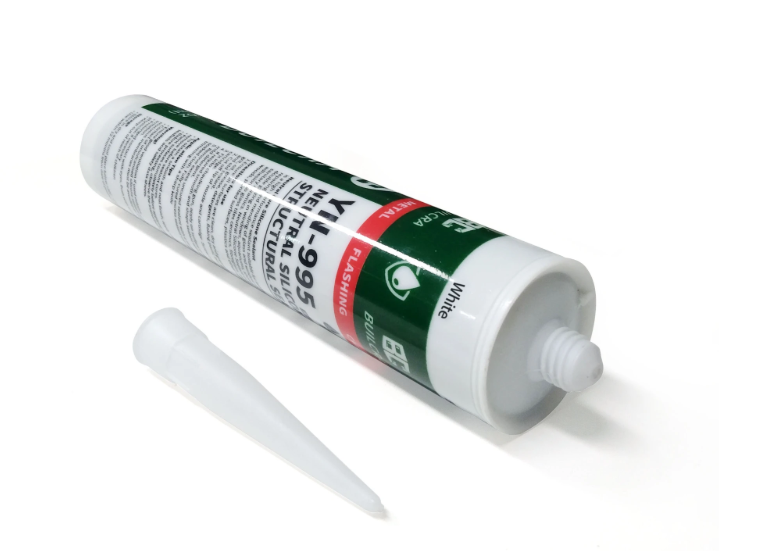
The automotive refinish world quietly lives and dies by the quality of its seam sealers. Sounds dramatic, sure—but if you’ve ever chased water leaks, galvanic corrosion, or road noise after a repair, you know I’m not exaggerating. Lately, demand for flexible, paintable, low-VOC sealers has surged, and, to be honest, it’s about time. Shops want speed without sacrificing bonding strength. That’s where modern black seam sealer chemistries—especially MS polymer and advanced PU hybrids—have been winning.
Industry snapshot
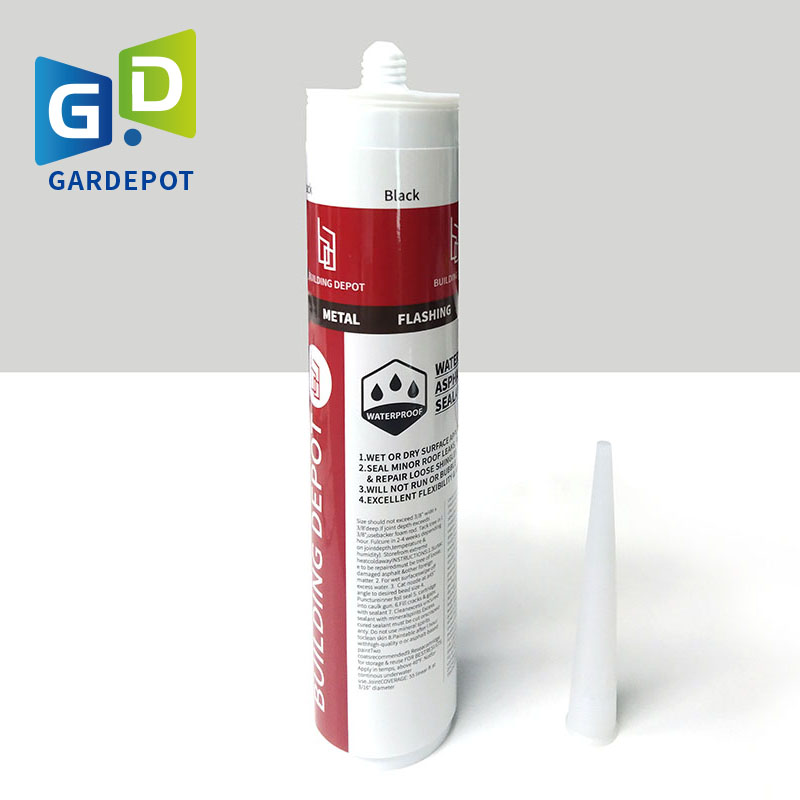
Two macro trends keep coming up in shop interviews: OEM-style texture replication and durability under cyclic flex. Interestingly, many customers say the latest black seam sealer products tool easier and skin faster, even in cool bays. Also, environmental compliance (VOC caps) is now table stakes rather than a nice-to-have.
Technical specs at a glance
| Property | Typical Value (≈) | Test/Standard |
|---|---|---|
| Chemistry | MS polymer / PU-hybrid | Manufacturer declaration |
| Tack-free time | 15–30 min @ 23°C, 50% RH | Internal method |
| Full cure rate | 2–3 mm/24 h | Real-world use may vary |
| Shore A hardness | 35–50 | ASTM D2240 |
| Tensile / Elongation | 1.2–1.8 MPa / 300–450% | ASTM D412 |
| Movement capability | ±25% | ASTM C920, ISO 11600 |
| Service temp | -40 to +90°C (short peaks 120°C) | Manufacturer data |
| VOC | ≤ 1.5% | 40 CFR Part 59 (guidance) |
Where it’s used (and why it matters)
- Automotive: rocker panels, trunk seams, wheel wells, firewalls—OEM-like textures with a bead or brush-out.
- Body-in-white and collision repair: noise, vibration, harshness (NVH) damping plus moisture block.
- Marine/RV: deck joints, roof seams; UV-stable topcoats recommended.
- Construction metalwork: HVAC plenums, gutter joints where a tough black seam sealer blends in.
Process flow that actually works
- Materials: substrate cleaned (wax/grease remover), e-coated or primed steel/aluminum, MS/PU black seam sealer, masking tape, plastic spreader/brush, nitrile gloves.
- Method: abrade lightly (if needed), clean twice, apply continuous bead, tool within 5–8 minutes, remove tape before skin forms.
- Testing: adhesion (ASTM C794), tensile/elongation (ASTM D412), movement (ASTM C920), salt spray for corrosion systems (ASTM B117), humidity cycling (SAE J2334).
- Service life: ≈10–15 years when topcoated and maintained; harsher duty may shorten it.
- Industries: collision repair, upfitters, specialty vehicle, rail, marine OEMs.
Vendor comparison (quick take)
| Brand | Chemistry | Colors | Certs/Notes | Lead time | Pros |
|---|---|---|---|---|---|
| Gardepota Black Sealant (Shijiazhuang, Hebei; Room 1314, Block A, Huaye Building, No. 388 Xinhua Road) | MS/PU hybrid | Black | Targets ASTM C920 / ISO 11600 | ≈2–4 weeks | Customizable texture, private-label options |
| 3M (e.g., 08308 family) | Urethane | Black/Gray | OEM collision procedures | Stock dependent | Widely supported, consistent bead |
| Sika (Sikaflex series) | PU/MS | Black/White | ISO 11600 classes | Global stocking | Broad primer guidance |
Customization notes
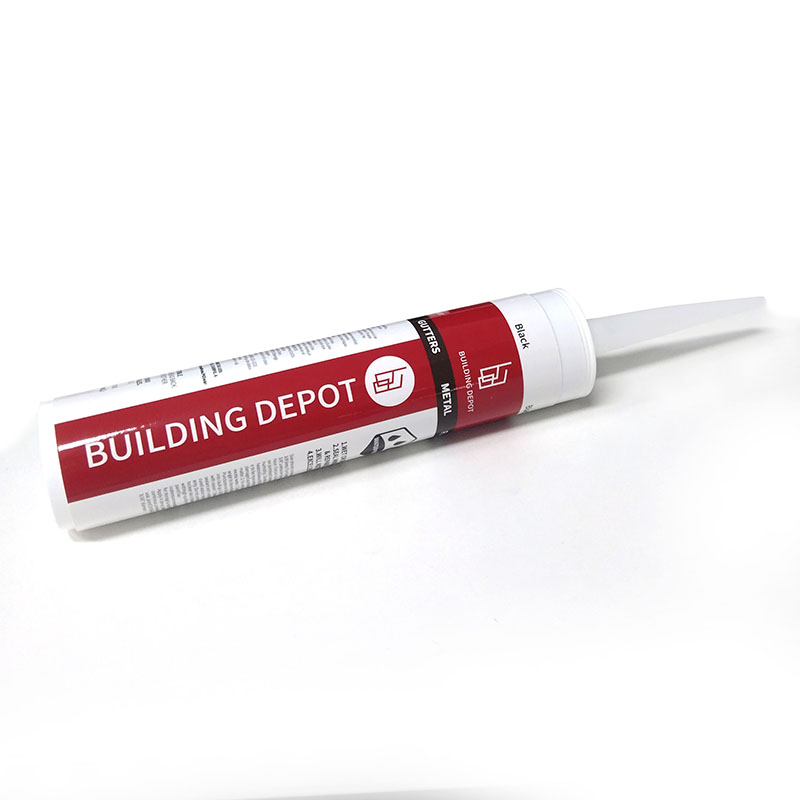
If you’re speccing production runs, ask for adjustable Shore A (35–50), nozzle styles (V/U), tack-free window options, and cartridge/sausage packaging. Private labels are increasingly common for fleet upfitters that want a signature black seam sealer finish.
Mini case study
A Midwest collision center switched from a solventy brush-on to an MS polymer black seam sealer. Tooling time improved by ~25%, and salt-spray panels (over e-coat + 2K urethane topcoat) passed 1,000 h with no underfilm creep. “Less odor, faster paint-readiness,” their manager told me—small win, big throughput.
Final thought
The best pick balances adhesion, movement, and paintability. If you’re chasing OEM texture and low VOCs without babying the cure, a modern black seam sealer from a reputable supplier is—actually—a stress reducer.
Authoritative citations
- ASTM C920 – Standard Specification for Elastomeric Joint Sealants: https://www.astm.org/c0920-18.html
- ISO 11600 – Building construction sealants classification: https://www.iso.org/standard/52247.html
- ASTM B117 – Standard Practice for Operating Salt Spray (Fog) Apparatus: https://www.astm.org/b0117-19.html
- SAE J2334 – Cosmetic Corrosion Lab Test: https://www.sae.org/standards/content/j2334_201607/
- EPA 40 CFR Part 59, Subpart D – National VOC Emission Standards for Architectural Coatings: https://www.ecfr.gov/