A field-tested guide to black seam sealer (with real shop notes and specs)
If you work around bodywork, RVs, or metal roofing long enough, you develop strong opinions about goo. The first time I tried a black seam sealer that actually tooled clean and took paint without fisheyes, I remember thinking: finally. Since then I’ve been watching the category evolve—quietly but steadily.
What’s trending (and why it matters)
- Shift to low-VOC, isocyanate-free hybrids: MS polymers are edging out classic PU in many shops.
- Faster paint times: 30–60 minutes is becoming the norm on premium black seam sealer SKUs.
- Corrosion-first thinking: better adhesion on e-coated steel and aluminum, with salt-spray validation.
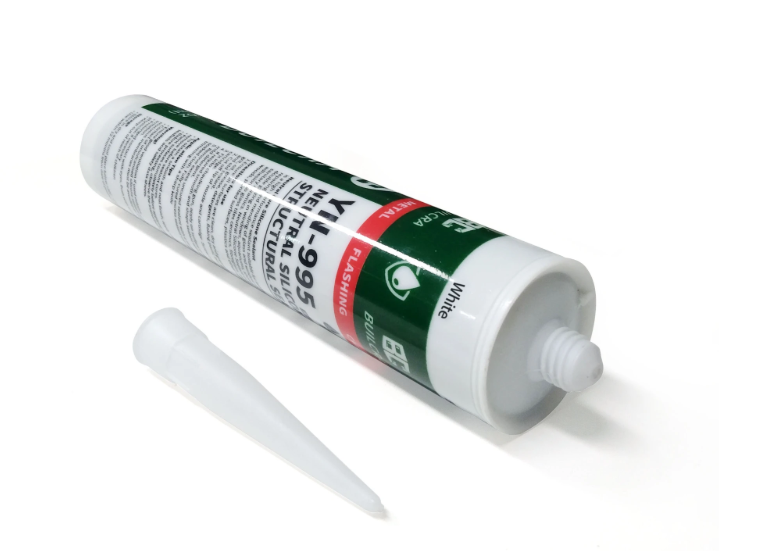
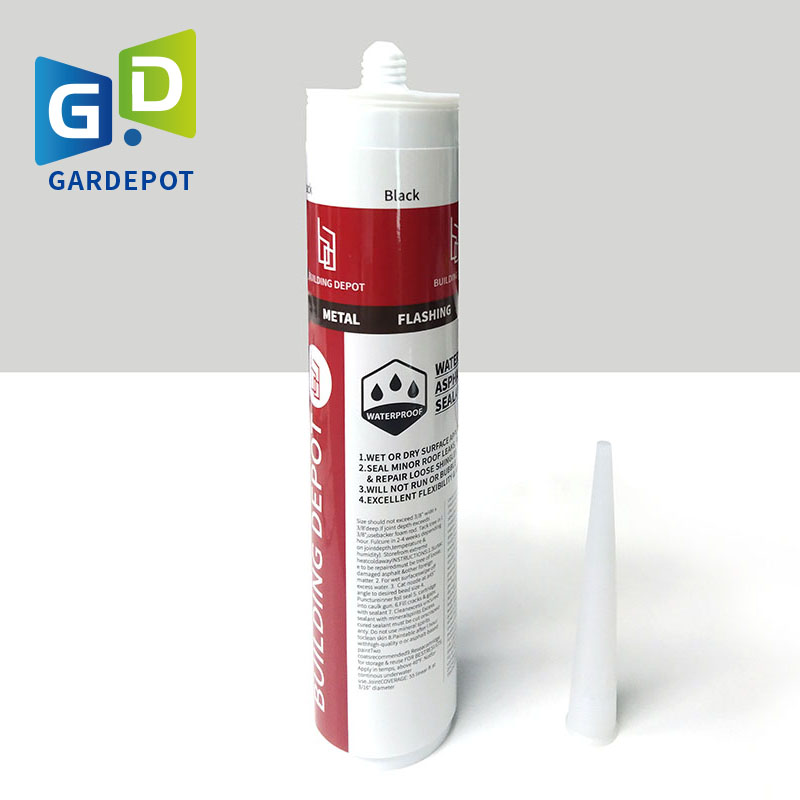
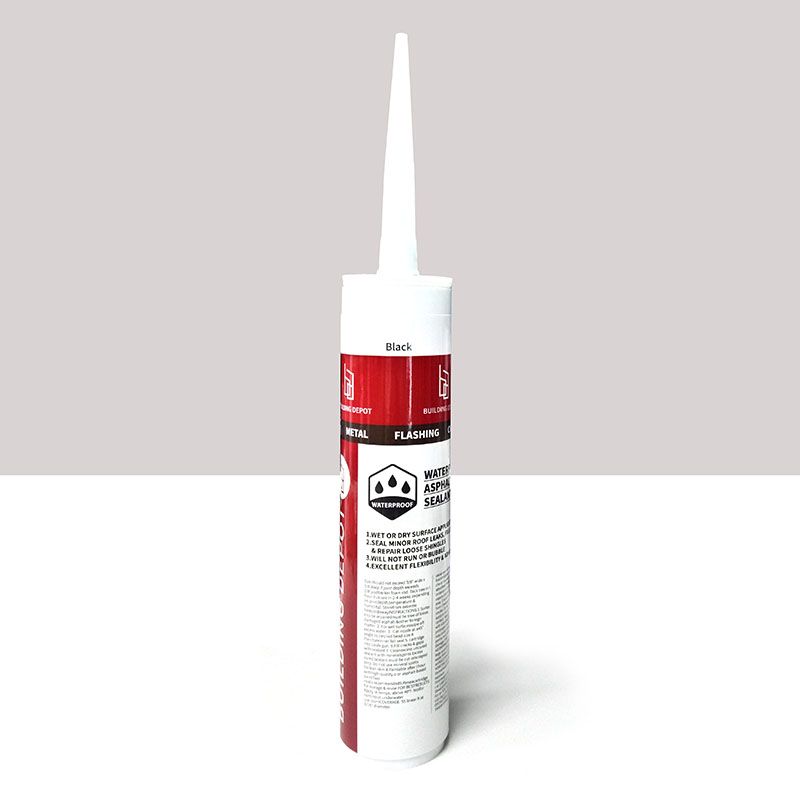
Gardepota’s Black Sealant (made in Shijiazhuang, Hebei; Room 1314, Block A, Huaye Building, No. 388 Xinhua Road) slots squarely into this new wave. To be honest, the consistency is what most techs comment on first—smooth laydown, less stringing.
Typical specifications (lab + shop reality)
| Parameter | Typical value (≈) | Standard/Test |
|---|---|---|
| Base chemistry | Silane-modified polymer (MS) | — |
| Skin time | 10–20 min @ 23°C, 50% RH | ASTM C679 |
| Cure rate | ≈ 2–3 mm / 24 h | Internal QC |
| Shore A hardness | ≈ 40 ± 5 | ASTM D2240 |
| Elongation at break | ≈ 300–400% | ASTM D412 |
| Lap shear (primed steel) | ≈ 1.5–2.0 MPa | ASTM D1002 |
| Service temp | -40°C to +90°C (peaks +120°C) | — |
| Classification target | ASTM C920 Type S, Grade NS, Class 25; ISO 11600 F-25LM (design intent) | ASTM/ISO |
| VOC | ≈ low; CARB-compliant | CARB SCM |
Where it shines
- Automotive: rocker panels, trunk seams, drip rails, wheel wells; paintable black seam sealer finish.
- Bus/RV/van builds: lap joints, roof penetrations (vents, racks).
- Metal roofing/HVAC: standing seams, duct transitions; vibration-damping bonus.
- Marine interiors and rail cars: non-sag sealing on vertical joints.
Process flow that actually works
- Surface prep: degrease, scuff if glossy, dust-off; ISO 8501 cleanliness mindset.
- Masking: define bead profile; dry-fit panels.
- Apply: 2–6 mm bead; tool within 5–10 min for texture match (brush or gloved finger—old-school, still effective).
- Flash/skin: verify tack (ASTM C679 style check).
- Paint: often 30–60 min; always do a small compatibility test with your system.
- QC: adhesion swab, occasional peel per ASTM D903; corrosion checks via ASTM B117 cycles.
Service life? In typical automotive exposure, many shops report 8–12 years; sheltered joints go longer. Real-world use may vary, of course.
Vendor snapshot (quick compare)
| Vendor | Chemistry | Paintable window | VOC | Lead time | Notes |
|---|---|---|---|---|---|
| Gardepota Black Sealant | MS polymer | ≈ 30–60 min | Low; CARB-style | ≈ 2–3 weeks | Good tooling; black color matches undercoats. |
| Brand A (PU) | Polyurethane | ≈ 45–90 min | Medium | Stock dependent | Strong adhesion; isocyanate handling. |
| Brand B (Butyl) | Butyl rubber | N/A (non-curing) | Low | Fast | Great for temporary seams; dust pickup risk. |
Customization options
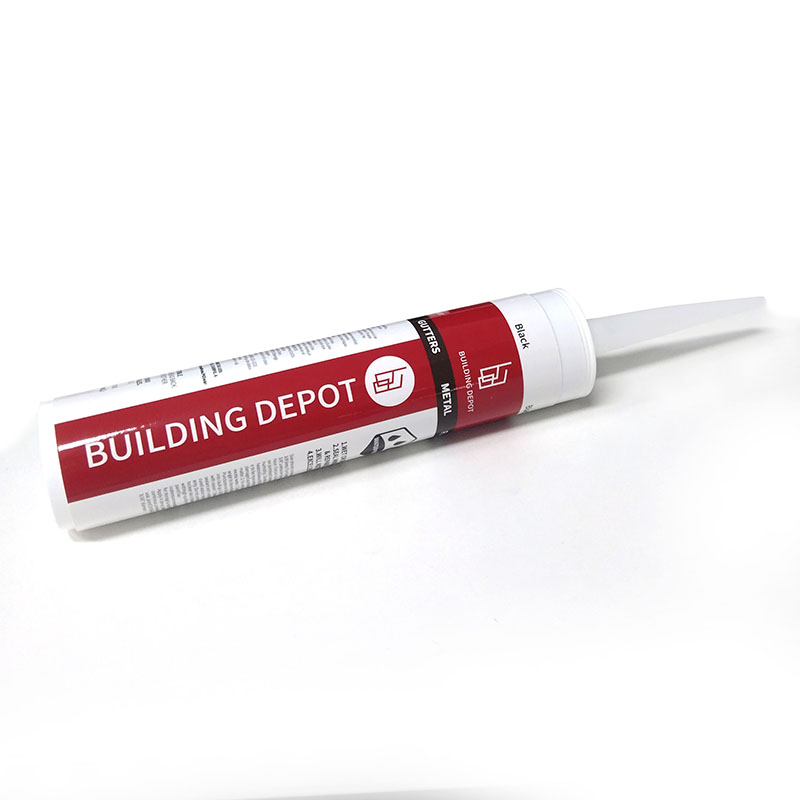
Colors (deep black standard), bead texture, viscosity (summer/winter), cure profile, sausage vs cartridge, private label, and even nozzle geometries. Several fleet customers ask for extended open time for long beads on bus roofs—totally doable.
Mini case study + feedback
Collision shop in Ohio switched to black seam sealer on e-coated replacement panels. Paint booth throughput improved by about 20 minutes per job because the bead skinned faster and didn’t sink under urethane primer. One tech told me, “It just stops where I put it.” Another said the black hides micro-shadows in wheel wells—small thing, but customers notice.
Compliance, testing, paperwork
- Designed to meet ASTM C920 and ISO 11600 classifications; hardness per ASTM D2240; peel/shear per ASTM D903/D1002; UV per ASTM G154; corrosion checks via ASTM B117.
- REACH and RoHS considerations addressed; low-VOC strategies to align with CARB SCM for Adhesives & Sealants.
- Factory QA typically ISO 9001; some lines operate under ISO 14001 environmental systems.
Citations:
- ASTM C920: Standard Specification for Elastomeric Joint Sealants.
- ISO 11600: Building construction — Sealants — Classification and requirements.
- ASTM D2240: Standard Test Method for Rubber Property—Durometer Hardness.
- ASTM D903/D1002: Peel and Lap Shear Adhesion Test Methods.
- ASTM B117: Standard Practice for Operating Salt Spray (Fog) Apparatus.
- California Air Resources Board, Suggested Control Measure for Adhesives and Sealants.