Comprehensive Guide to 1 1 4 Hex Nut Dimensions | Specs, Applications & Standards
Understanding 1 1/4 Hex Nut Dimensions: Why Size Really Does Matter
Hex nuts may seem like small, simple components in the vast world of engineering and manufacturing, but when it comes to the 1 1/4 hex nut dimensions, their size and specifications play an essential role in constructing reliable connections globally. Whether you're building infrastructure, assembling machinery, or maintaining equipment across industries, knowing precise measurements for these nuts ensures safety, durability, and compatibility. Oddly enough, a slight oversight in the dimensions can cascade into costly downtime or worse — structural failures.
So, why focus a spotlight on 1 1/4 hex nut dimensions in particular? It’s a standard size frequently specified in mechanical assemblies worldwide, from automotive applications to heavy industrial projects. Today, we'll unpack what these dimensions mean, why they matter globally, and how understanding them can benefit engineers, manufacturers, and procurement teams alike.
Introduction: Global and Industry Context
Hex nuts are ubiquitous, but did you know the global fasteners market recently surpassed $90 billion and is projected to grow steadily owing to booming infrastructure and manufacturing sectors? According to the International Organization for Standardization (ISO), having consistent and transparent specifications—like those for the 1 1/4 hex nut dimensions—helps standardize supply chains and guarantee interoperability across regions. This is crucial as industries increasingly rely on international vendors and complex modular assemblies.
Yet, a challenge remains: inconsistent or unclear nut dimensions can cause mismatched fasteners, installation delays, and safety issues, especially in large-scale projects where every bolt counts. Global engineering teams often grapple with this, and standardized hex nut dimensions are part of the solution.
Defining 1 1/4 Hex Nut Dimensions
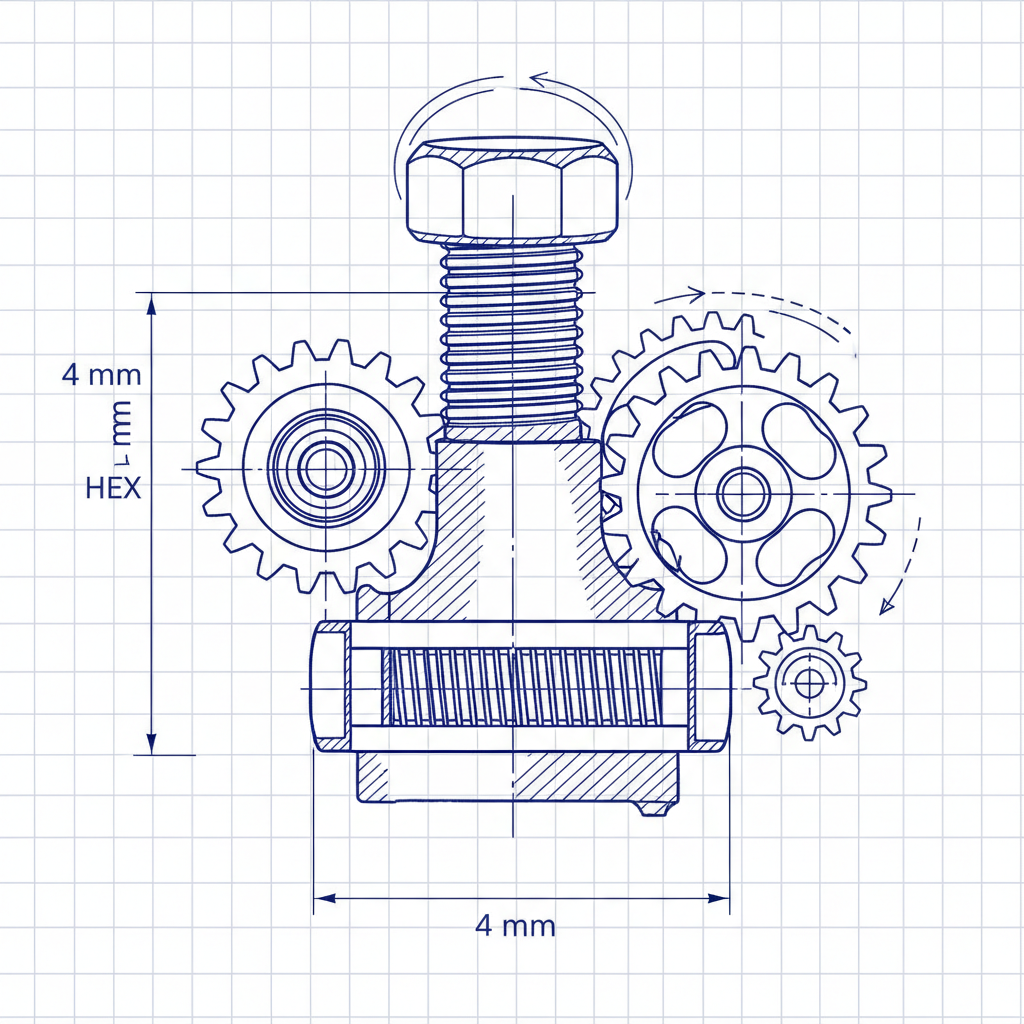
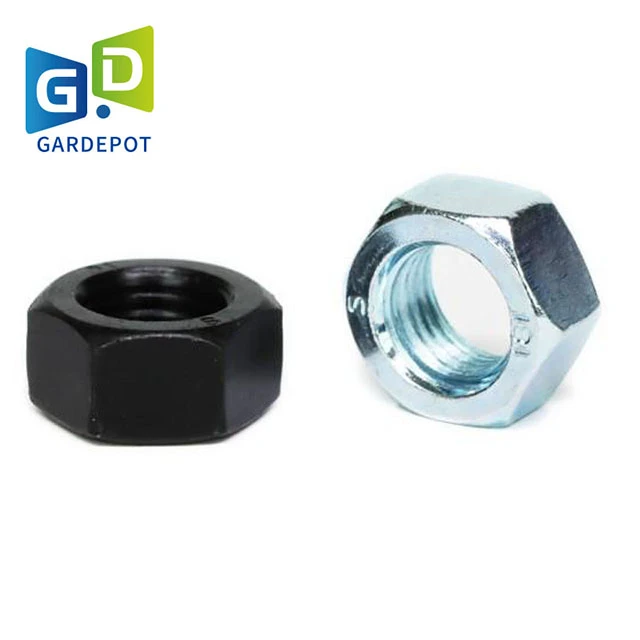
To keep it simple, the 1 1/4 hex nut refers to a hexagonal fastening element designed to fit bolts with a nominal diameter of 1 1/4 inches. The “dimensions” specify exact measurements like width across flats (the distance between parallel sides of the hexagon), thickness, and thread pitch. These ensure that the nut fits perfectly on corresponding bolts and applies the right clamping force.
This technical precision is essential in modern industry—think aerospace, automotive, construction, and humanitarian aid projects where quick assembly and reliability matter critically. For example, rescue shelters assembled after natural disasters rely heavily on standardized fasteners like these to ensure safety and speed.
Key Factors in 1 1/4 Hex Nut Dimensions
1. Durability and Material Quality
The dimensions set the physical size, but selecting the right alloy or coating affects corrosion resistance and fatigue strength — absolutely vital in harsh environments.
2. Thread Pitch and Compatibility
The nut's thread pitch (e.g., UNC or UNF standards) governs how it meshes with the bolt. Mismatched threads can lead to stripped connections or failure under loads.
3. Standardization Versus Customization
While ISO or ANSI standards guide these measurements, some industries require customized finishes or tolerances. Still, sticking close to typical 1 1/4 inch hex nut dimensions eases global sourcing.
4. Cost-Efficiency and Availability
Standard dimensions usually translate to competitive pricing and widespread availability—two things procurement teams adore.
Product Specifications of Common 1 1/4 Hex Nuts
| Specification | Value | Standard |
|---|---|---|
| Width Across Flats (WAF) | 1.875 inches (47.63 mm) | ANSI/ASME B18.2.2 |
| Thickness | 0.75 inches (19.05 mm) | ISO 4032 |
| Thread Pitch | 7 threads per inch (UNC) | Unified Thread Standard |
| Material | Carbon Steel, Grade 5 | ASTM A307 |
Vendor Comparison: Popular Suppliers of 1 1/4 Hex Nuts
| Supplier | Material Quality | Price per 100 Units | Lead Time | Eco-Friendly Options |
|---|---|---|---|---|
| FastenRight Inc. | Grade 8 Alloy Steel | $120 | 2 Weeks | No |
| EcoBolt Ltd. | Stainless Steel 316L | $145 | 1 Week | Yes |
| Global Nuts Co. | Carbon Steel, Zinc Plated | $95 | 3 Weeks | Limited |
Global Applications & Use Case Highlights
When you think about the applications of 1 1/4 hex nut dimensions, it’s pretty diverse. In automotive manufacturing hubs across Europe and Asia, these nuts secure engines and chassis components under high stress and vibration. In post-disaster humanitarian efforts—say, after earthquakes or floods—rapid-assembly shelters use bolts and matching nuts with standardized dimensions, enabling quick shipping, assembly, and disassembly without compatibility issues.
Oddly enough, remote industrial sites in places like Western Australia or Northern Canada rely on these components because their durability reduces maintenance frequency in harsh climates. Even energy infrastructure projects, such as wind turbines or solar arrays, depend on this standard to simplify procurement and ensure safety.
Mini takeaway: Knowing these dimensions isn't just about physical fit. It underpins global supply chain agility and operational resilience.
Advantages & Long-Term Value
The tangible benefits of adhering to exact 1 1/4 hex nut dimensions include cost savings from reduced rework, enhanced structural integrity, and ease of maintenance. Sustainability aspects come in, too—sensible material choices aligned with these dimensions allow for longer product lifecycles and recycling possibilities.
On a more emotional note, engineers I’ve chatted with often mention the peace of mind that comes from standardized parts: trust in the build quality translates into safer roads, bridges, and machines. This kind of quiet confidence is invaluable but often overlooked.
Looking Ahead: Future Trends & Innovations
The fastener world is quietly evolving. Advances in coatings—like nano-ceramics—and using high-strength but lighter composite materials are influencing the next generations of 1 1/4 hex nuts. With sustainability being a global mandate, there’s growing interest in biodegradable or easily recyclable fasteners.
Also, digital transformation means manufacturers embed QR codes for traceability, linking nut dimensions to materials certificates and test results in real time. Imagine scanning your 1 1/4 hex nut to instantly verify specs and provenance—handy for quality assurance and regulatory compliance.
Challenges & Solutions
Of course, every silver lining has its cloud. A major challenge is inconsistency among suppliers regarding tolerances or thread standards, which can cause supply headaches. Many engineers recommend sourcing only from reputable vendors who provide certified test reports.
Another tricky bit can be balancing cost with superior materials and coatings. Frankly, it’s tempting to cut corners but that usually costs more in the long run due to failures or maintenance.
The solution? Developing tighter industry standards and increasingly using digitally traceable quality documents. Plus, investing upfront in premium materials compatible with your 1 1/4 hex nut dimensions remains a savvy strategy.
FAQ: Frequently Asked Questions About 1 1/4 Hex Nut Dimensions
- Q: What exactly does “1 1/4 hex nut dimensions” specify?
A: It defines the size of the hex nut, including width across flats, thickness, and thread pitch, ensuring a proper fit on a 1 1/4 inch diameter bolt. - Q: Are there different thread standards for 1 1/4 hex nuts?
A: Yes, common ones include UNC (Unified Coarse) and UNF (Unified Fine). Choice depends on application requirements like strength and vibration resistance. - Q: Can these nuts be used in outdoor environments?
A: Absolutely, if the material and coating are suitable. Stainless steel or zinc-plated versions resist corrosion better than plain carbon steel. - Q: How do I ensure I order the right 1 1/4 hex nuts internationally?
A: Always verify the standard the nuts comply with (ISO, ANSI), check thread pitch, and confirm material certifications with the supplier.
Conclusion: The Big Picture and Next Steps
In summary, understanding and correctly applying the 1 1/4 hex nut dimensions are foundational to creating safe, reliable, and cost-efficient connections across industries worldwide. This tiny component bears a remarkable weight — literally and figuratively — in everything from disaster relief shelters to advanced manufacturing lines.
I encourage manufacturers, engineers, and procurement professionals to deepen their knowledge of these dimensions and select suppliers who prioritize precision and quality. For more detailed specs or sourcing options, feel free to visit our website: https://www.gardepota.com.
Sometimes, it’s the smallest parts that hold the biggest systems together — and that truth never felt more real than with 1 1/4 hex nut dimensions.