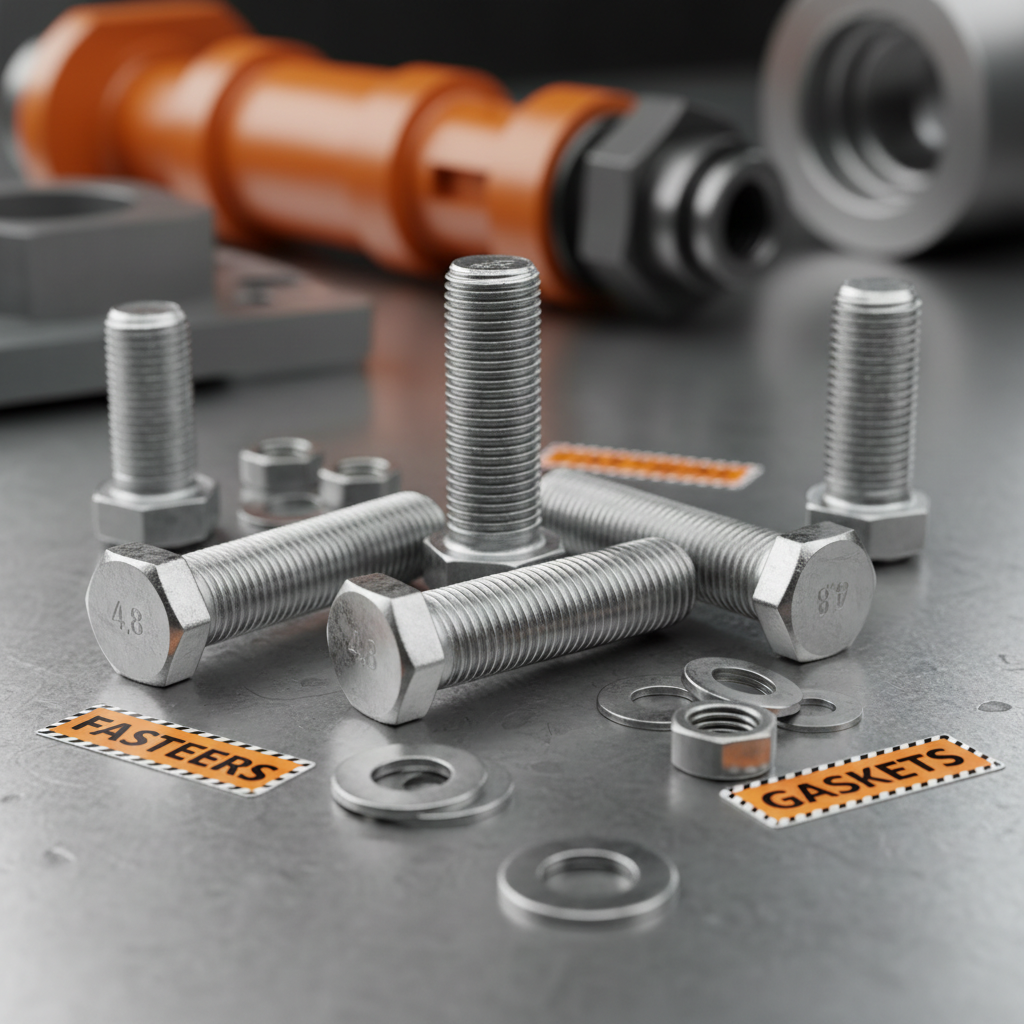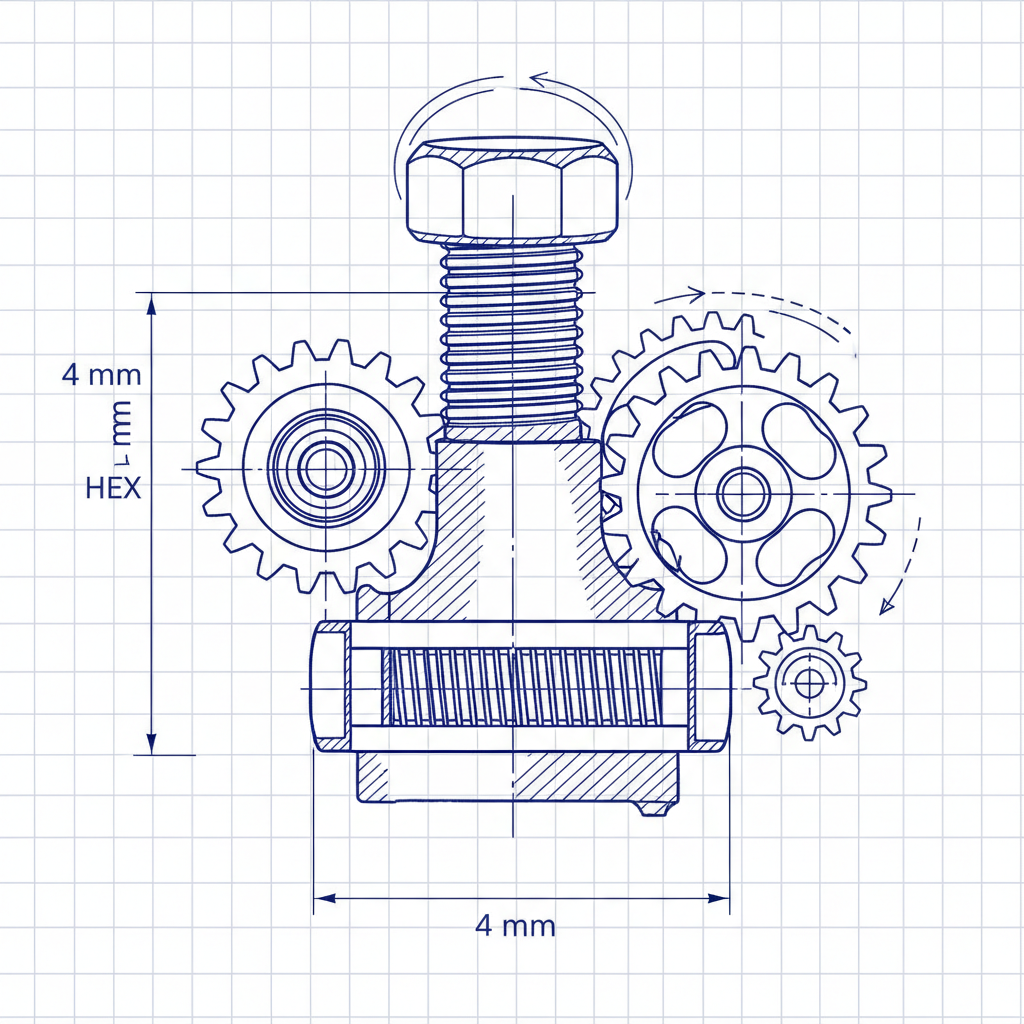
Comprehensive Guide to Hex Nut Sizes: Global Standards & Applications
Understanding Hex Nut Sizes: Essential Insights for Global Industry
Hex nuts might seem like tiny, mundane hardware items, but trust me, their sizes matter—a lot. Across industries, from automotive to aerospace, from renewable energy setups to remote infrastructure projects, correctly sized hex nuts ensure safety, efficiency, and longevity. Missteps in selecting or standardizing hex nut sizes can lead to costly failures, lost trust, or even disasters.
Grasping the nuances of hex nut sizes is much more than just technical detail—it's a foundation for mechanical integrity worldwide. Let's dive into why understanding these sizes globally matters, what the key components are, and how the future looks.
Global Context: Why Hex Nut Sizes Matter on the World Stage
Hex nuts are tiny heroes holding together everything from bridges to household appliances. According to the International Organization for Standardization (ISO), standardized nut sizes reduce mismatches, foster trade, and improve safety.
Take construction, for example: The World Bank estimates the global construction market will reach USD 15 trillion by 2030. In this massive market, standardized hex nut sizes help engineers worldwide communicate clearly, avoid supply chain disruptions, and maintain quality. Oddly enough, without these global size standards, industrial output efficiency could drop by up to 15%. Furthermore, humanitarian projects in disaster-stricken regions often depend on quick, reliable assembly of modular parts, where knowing your nut sizes can save lives.
Mini takeaway: Hex nut sizes are a crucial, though often overlooked, cog in the global industrial machine — impacting safety, economy, and humanitarian efforts.
What Are Hex Nut Sizes?
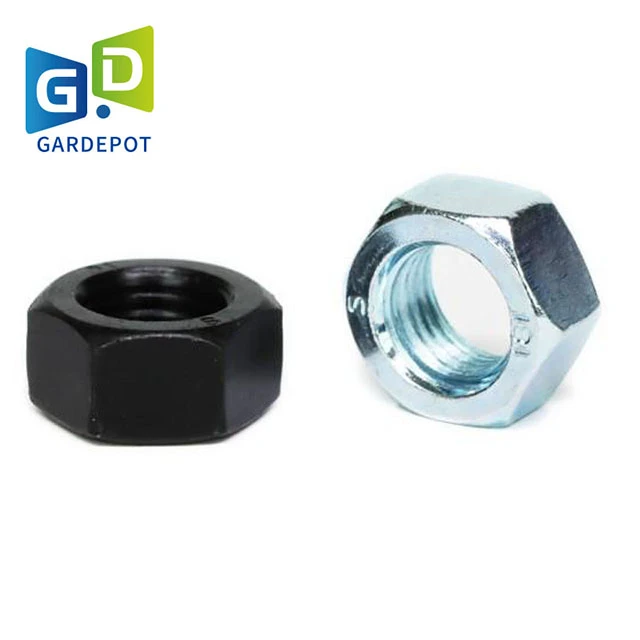
Simply put, hex nut sizes describe the dimensions of the classic six-sided fastener that mates with bolts or screws. These sizes define the nut's diameter, thread pitch, height, and width across the flats—the distance between two opposite faces. Without these measurements, you’d be stuck guessing if the nut fits the bolt, which, frankly, is a recipe for trouble.
These sizes connect deeply with modern industry because every machine, structure, or vehicle demands reliable fasteners. Whether you’re assembling solar panels in a remote desert or mounting a bridge segment, the right nut size ensures the parts connect as designed, without loosening or breaking prematurely.
Core Aspects of Hex Nut Sizes
1. Diameter & Thread Pitch
The nut’s internal diameter and thread pitch must snugly match the bolt’s to prevent cross-threading or loosening.
2. Width Across Flats
This dimension determines the wrench or socket size needed. Standard sizes avoid confusion on-site.
3. Nut Height (Thickness)
Thicker nuts provide greater strength but add weight—an important factor in aerospace or automotive design.
4. Material Compatibility
The size can vary slightly depending on the material (steel, stainless steel, brass) due to expansion, corrosion resistance, and mechanical stresses.
5. Standards Adherence
Standards like ISO, ANSI, and DIN regulate hex nut sizes ensuring universal compatibility and safety.
6. Cost Efficiency
Choosing the correct size reduces waste and rework, meaning better cost control.
Mini takeaway: Hex nut sizes aren’t just numbers; they reflect a delicate balance of strength, standardization, and practical usability.
Product Specification: Typical Hex Nut Sizes for Metric Series
| Size (Metric) | Thread Pitch (mm) | Width Across Flats (mm) | Nut Height (mm) |
|---|---|---|---|
| M6 | 1.0 | 10 | 5 |
| M8 | 1.25 | 13 | 6.5 |
| M10 | 1.5 | 17 | 8 |
| M12 | 1.75 | 19 | 10 |
| M16 | 2.0 | 24 | 13 |
Global Applications & Use Cases of Hex Nut Sizes
- Construction Industry: Standardized sizes enable seamless assembly of steel structures worldwide.
- Automotive Manufacturing: Hex nuts of precise sizes ensure vehicle safety and performance.
- Disaster Relief Efforts: Fasteners with known sizes speed up assembly of emergency shelters and water systems.
- Renewable Energy: Solar and wind installations use specific hex nut sizes for durability in extreme environments.
- Oil & Gas Industries: Heavy-duty fasteners withstand high pressure and corrosion.
For example, in post-hurricane relief operations, teams rely on simple metric hex nut sizes to assemble temporary modular housing quickly—no time to fiddle with mismatched hardware. Similarly, in developing regions, manufacturers optimize inventory by stocking standard nut sizes to maximize cost-efficiency and reduce supply chain complexity.
hex nut sizes are the unsung heroes holding up critical infrastructure and saving precious time.
Mini takeaway: Hex nut sizes connect dots between industries and regions, enabling fast, reliable assembly under varied conditions.
Advantages & Long-Term Value of Understanding Hex Nut Sizes
Choosing the correct hex nut size isn’t just about fit; it impacts product safety, lifespan, and operational cost. When engineers get this right:
- Cost Efficiency: Reduces waste, rework, and tool selection errors.
- Durability: Ensures joint strength and resistance to loosening due to vibration or thermal changes.
- Safety & Trust: Prevents catastrophic failures which could otherwise risk lives and reputations.
- Sustainability: Minimizes material overuse and supports recycling efforts through standardization.
Anyone who’s worked on-site knows how a wrongly sized hex nut can stall a project or cause overtime. Getting it right promotes confidence — from factory floors to field operations, and frankly, it feels good knowing something so small holds such critical weight.
Vendor Comparison: Leading Hex Nut Suppliers
| Vendor | Material Range | Size Variety | Certifications | Lead Time |
|---|---|---|---|---|
| FastenMaster Co. | Steel, Stainless Steel, Brass | M3 to M30+ | ISO 9001, ASTM | 2-4 weeks |
| GlobalNut Supplies | Carbon Steel, Alloy Steel | M5 to M24 | ISO 14001, RoHS | 1-3 weeks |
| Precision Parts Inc. | Stainless Steel, Titanium | M6 to M20 | ASME, ISO 9001 | 3-5 weeks |
Future Trends & Innovations in Hex Nut Sizes
The world of fasteners is quietly evolving. New materials like carbon fiber composites and coated alloys are enabling lighter, stronger hex nuts. Automation and smart factories use digital measuring to customize sizes on-demand, reducing inventory waste.
Transitioning to greener manufacturing also affects hex nut sizing—less material, more efficiency, but without compromising strength. Plus, with Industry 4.0 integration, tracking each nut’s size and origin digitally becomes possible, boosting quality assurance.
Frankly, I think hex nuts are on the brink of a tech upgrade, marrying traditional mechanical strength with digital precision.
Challenges & Solutions in Hex Nut Sizing
Challenges include inconsistent standards across regions (metric vs. imperial), counterfeit products with incorrect sizing, and miscommunication in procurement causing costly errors.
Experts advocate stronger global standard harmonization and adoption of QR-coded packaging for traceability. On the ground, digital catalogs, like the one you find on our site, simplify choosing correct sizes with clear specs.
FAQ: Frequently Asked Questions About Hex Nut Sizes
- Q: How do I choose the right hex nut size for a bolt?
- A: Match the nut’s diameter and thread pitch exactly to the bolt. Also, consider the width across flats to ensure your wrench fits. Check manufacturer specifications or trusted catalogs.
- Q: Can hex nuts vary between metric and imperial sizes?
- A: Yes. Metric sizes (e.g., M8) use millimeters, while imperial sizes (e.g., 5/16 inch) follow inches. Mixing the two often leads to cross-threading or loose fits.
- Q: What materials are best for hex nuts in corrosive environments?
- A: Stainless steel, brass, or specially coated nuts resist corrosion better. Selecting size in compatible materials is key for durability.
- Q: Are larger hex nuts always stronger?
- A: Not necessarily. Strength depends on material, height, and thread quality. Larger nuts can bear more load but also add weight and cost.
- Q: How can I verify hex nut size standards when importing?
- A: Request certification documents like ISO or ASTM compliance. Use trusted vendors and conduct occasional physical audits or tests.
Conclusion: Why Hex Nut Sizes Still Matter Tomorrow
At the end of the day, it’s the little stuff — like hex nut sizes — that keeps the world turning, structures standing, and innovations going. Understanding and selecting the right sizes means fewer delays, safer assemblies, and cost savings globally. It’s a classic case where detail matters.
Want to explore the full range of hex nut sizes and find tailored solutions? Visit our website: https://www.gardepota.com
Thanks for reading! It’s often the small pieces that keep giant machines running smoothly…
References: