Comprehensive Guide to M3 Countersunk Bolt - Specifications, Uses & Vendors
Understanding the M3 Countersunk Bolt: A Small Component with a Big Role
At first glance, the m3 countersunk bolt might seem like just another tiny piece of hardware lost within the vast universe of fasteners. But oddly enough, this small, precisely engineered bolt holds immense significance in industries worldwide—from electronics to aerospace, and even construction. Given its unique countersunk head design, which allows for a flush finish, the m3 countersunk bolt plays a crucial role in enhancing the aesthetics, safety, and performance of countless assemblies.
Why Should We Care About the M3 Countersunk Bolt Globally?
You might wonder why such a specific component matters on a global scale. Frankly, the answer lies in the ubiquity of manufacturing and assembly processes that rely on fasteners engineered to meet whether it’s industry-grade durability or exact spatial constraints. According to the International Organization for Standardization (ISO), the use of standard-sized bolts like the m3 countersunk bolt helps harmonize manufacturing practices worldwide, boosting efficiency and reducing material waste (ISO Standards).
The benefits of understanding this component’s specs and applications ripple across sectors: improved product safety, lower production costs, and enhanced sustainability. Simply put, getting to know small things well often unlocks big solutions.
Defining the M3 Countersunk Bolt
So what exactly is an m3 countersunk bolt? In straightforward terms, it’s a fastener with a metric diameter of 3 millimeters (hence "m3") and a head designed to sit flush with or below the surface of the material once installed—thanks to its conical, countersunk shape. This characteristic prevents the bolt from protruding, which is essential in applications where a smooth surface is desired for functional or safety reasons.
It’s often made of steel (plain, stainless, or alloy), but aluminum and titanium versions exist for lightweight or corrosion-resistant needs. In manufacturing realms—particularly electronics, automotive, aerospace, and robotics—where precision and compactness are king, the m3 countersunk bolt is a go-to solution.
Core Components & Key Factors of the M3 Countersunk Bolt
1. Durability & Material Choice
One of the biggest factors influencing the bolt’s performance is the material. Stainless steel, for example, offers corrosion resistance which is crucial for outdoor or marine applications. Alloy steels bring higher tensile strength for demanding industrial environments. The choice directly affects longevity and reliability.
2. Head Design & Flush Finish
The countersunk head is the defining feature. Because it sits flush, it reduces snagging risks or aerodynamic drag—in aviation, that can translate to fuel efficiency. It also supports sleek product designs where visible bolt heads might be undesirable.
3. Thread Precision
M3 bolts typically follow the ISO metric thread standard, featuring 0.5mm pitch. This fine threading ensures secure fastening in small components without risking material damage or loosening over time.
4. Versatility and Scalability
Whether fastening delicate printed circuit boards or structural parts in automotive interiors, the m3 countersunk bolt pairs well with various nuts, washers, and inserts—making it scalable for both prototypes and mass production.
Technical Specifications of a Typical M3 Countersunk Bolt
| Specification | Details |
|---|---|
| Diameter | 3 mm |
| Thread Pitch | 0.5 mm (ISO standard) |
| Length Range | 6 mm to 40 mm |
| Head Type | Flat countersunk head |
| Material | Steel (Stainless / Alloy), Aluminum, Titanium |
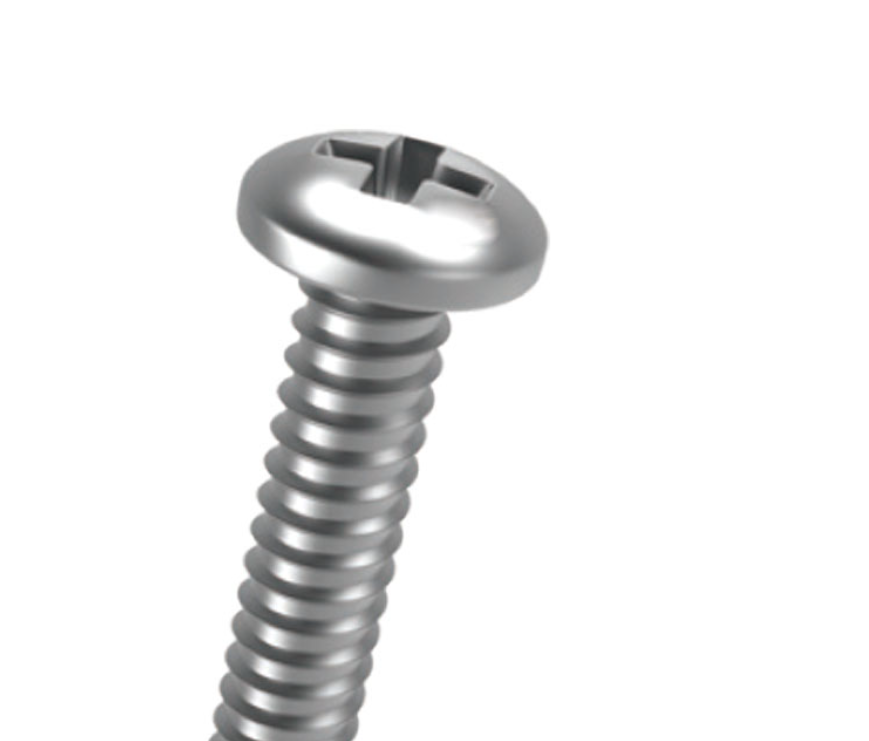
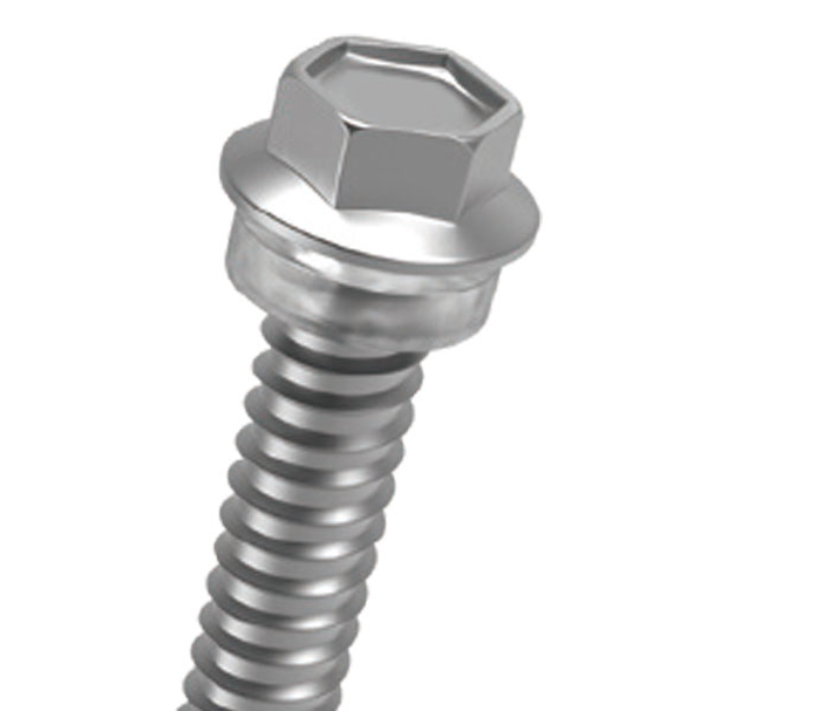
| Drive Type | Phillips, Pozidriv, Torx, Hex |
Global Applications of the M3 Countersunk Bolt
In real terms, the m3 countersunk bolt finds itself embedded across continents and industries:
- Electronics Manufacturing: Flush mounting of circuit boards in smartphones, laptops, and wearables, largely manufactured in East Asia.
- Aerospace & Defense: Lightweight assemblies where counteracting drag matters are often designed in North America and Europe.
- Automotive Sector: Interior panels and lighting fixtures, widely produced in Germany, Japan, and the US.
- Medical Devices: Surgical tools and equipment assembled globally rely on precise, small fasteners to comply with hygiene and safety rules.
In humanitarian efforts, such as building durable shelters or emergency equipment, the countersunk bolt supports safety by preventing exposed edges, crucial for vulnerable populations.
Vendor Comparison: Top Suppliers of M3 Countersunk Bolts
| Supplier | Material Options | Custom Lengths | Price per 100 units | Shipping Times |
|---|---|---|---|---|
| FastenPro | Stainless Steel, Alloy | Yes (6-40 mm) | $12.50 | 3-5 Days (Worldwide) |
| BoltMart | Steel, Aluminum | Standard Lengths Only | $11.00 | 7-10 Days (International) |
| ScrewMaster | Stainless Steel, Titanium | Yes, even custom batches | $18.00 | 5-7 Days (Domestic only) |
Advantages & The Long-Term Value of M3 Countersunk Bolts
There’s something satisfying about using a bolt that does exactly what it’s supposed to—secure and disappear. The flush finish adds an element of safety (no catch points or scratches), durability (less exposure to damage), and even social dignity when used in humanitarian contexts where elegance promotes respect.
Economically, the precision sizing means reduced waste in manufacturing and less rework, translating into cost savings over time. Socially, companies rely on dependable fasteners like these to keep complex machinery up and running—limiting downtime, preventing accidents, and inevitably earning customer trust.
Future Trends & Innovations
Looking ahead, the demand for m3 countersunk bolts is likely to evolve alongside materials innovation and manufacturing technologies. Developments in composite materials and biodegradable metals may enter the scene soon, marrying strength with sustainability goals.
Add to that increasing automation and digital quality control in production lines, and you end up with bolts that are not only more consistent but also traceable—hugely important for aerospace or medical device traceability. Plus, smart fasteners with embedded sensors? Oddly enough, that’s no longer sci-fi but a budding reality.
Challenges & Innovative Solutions
Of course, there are practical hurdles. For one, achieving perfect countersinking on a variable material surface can be tricky, often requiring high-precision tools. Also, sourcing bolts with consistent materials that meet regulatory requirements worldwide can be challenging given supply chain disruptions.
Expert manufacturers now combine CNC machining and enhanced surface treatments to overcome these—ensuring durability without sacrificing tight tolerances. Collaborative global sourcing platforms also ease procurement and compliance.
FAQ: Your Questions About M3 Countersunk Bolts
- Q1: What makes m3 countersunk bolts better than standard round-head bolts?
- Countersunk bolts sit flush with the surface, reducing snagging hazards and improving aesthetics. This flush fit also spreads load evenly, useful in precision assemblies where space or finish matters.
- Q2: Can m3 countersunk bolts be used in outdoor environments?
- Absolutely, especially if made from corrosion-resistant stainless steel or coated alloys. Proper material selection is key for durability in varying weather and humidity.
- Q3: How do I select the right length for an m3 countersunk bolt?
- Measure the combined thickness of materials to be fastened. The bolt must fully engage threads without bottoming out or leaving excess length protruding, ensuring a secure and flush fit.
- Q4: Are there eco-friendly m3 countersunk bolts available?
- Yes, manufacturers increasingly offer bolts made from recycled metals or biodegradable materials, supporting sustainability goals without compromising strength.
Conclusion: Small Bolt, Big Impact
The m3 countersunk bolt may feel like a minor player, but in fact, it’s essential to the smooth functioning of top-tier products and infrastructure globally. Its design, material options, and widespread applicability make it invaluable to industries committed to quality and innovation.
Curious to explore options or need customized parts? Visit m3 countersunk bolt for an extensive selection and expert guidance. You might just discover that solving big engineering challenges sometimes starts with understanding the tiniest details.
Mini Takeaway: Knowing the specifics of fasteners like the m3 countersunk bolt pays off across sectors—reducing risks, improving project outcomes, and supporting innovation sustainably.
References:
1. ISO Metric Screw Threads - ISO 68-1
2. International Organization for Standardization (ISO) - ISO Homepage
3. Engineering Toolbox - Fasteners Overview - engineeringtoolbox.com