Comprehensive Guide to Roof Insulation Plates: Benefits, Applications, and Future Trends
Why Roof Insulation Plates Matter Today
Roof insulation plates might sound like just another building component, but they’re quietly revolutionizing how we think about energy conservation, comfort, and safety worldwide. Whether you’re zoning up in a scorching hot region or trying to keep the chill at bay in freezing northern climates, these materials make a huge difference. On a global scale, efficient insulation cuts down on energy use for heating and cooling, directly influencing carbon footprints and sustainability goals.
Worldwide, buildings consume roughly 40% of the global energy supply, according to the International Energy Agency. A large chunk of that is heating and cooling losses through roofs and walls. Simply put, better roof insulation plates trim this waste, add value to construction, and improve quality of life.
Mini takeaway: Understanding roof insulation plates is not just about construction; it’s about meeting global climate commitments and enhancing everyday living.
The Global Context: Why Roof Insulation Plates Are in the Spotlight
Rapid urbanization and growing environmental regulations worldwide are pushing building designers and developers to rethink traditional materials. In regions like Europe, the UN-led climate accords have strongly encouraged better building envelopes to reduce emissions. Meanwhile, emerging markets in Asia and Africa see roof insulation plates as practical aids in improving indoor comfort with limited energy access.
But here’s a challenge: in many developing regions, roofs still use locally sourced, sometimes inadequate materials, leading to energy inefficiency and indoor discomfort. The adoption of modern roof insulation plates addresses these concerns with affordable, durable solutions, providing better thermal regulation without complex installations.
What Are Roof Insulation Plates, Really?
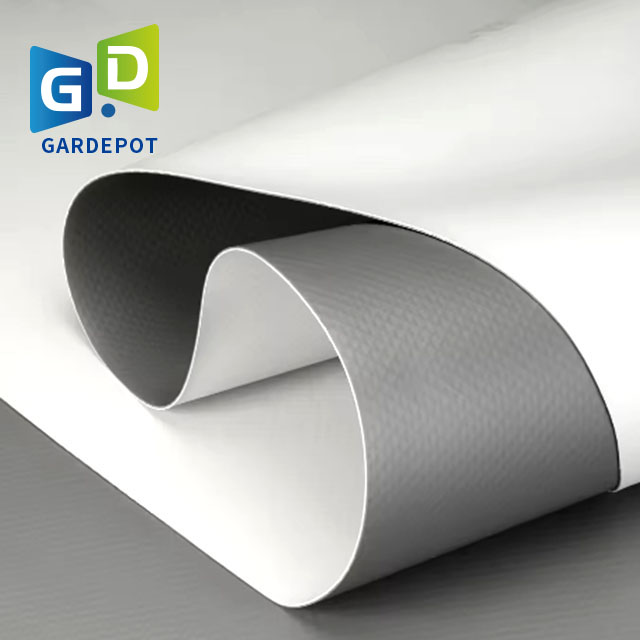
At their core, roof insulation plates are rigid panels made from materials like expanded polystyrene (EPS), polyurethane (PUR), or mineral wool designed to sit beneath roofing materials and reduce heat transfer. This means they slow down the escape of warm air in winter and block heat inflow in summer, stabilizing indoor temperatures.
On a humanitarian note, insulation plates help in disaster relief shelters and rapidly built housing where comfort, durability, and fast assembly are crucial. Modern roof insulation plates support both cutting-edge industry standards and the most pressing real-world needs.
Key Factors in Choosing Roof Insulation Plates
Durability and Weather Resistance
These plates need to last decades under fluctuating temperatures, rain, wind, and UV exposure. Materials are tested against moisture absorption and compression to ensure long-term performance.
Thermal Performance
The effectiveness is measured by R-value or U-value — essentially, how well the plate resists heat flow. Higher values translate to better insulation, meaning less energy needed for indoor climate control.
Fire Safety
Flammability is a big deal. Some insulation plates come with fire-retardant additives or are inherently resistive to combustion, offering crucial safeguards without significantly raising costs.
Ease of Installation
Panels that are lightweight, modular, and easy to cut on-site reduce labor expenses and speed up building tempo. This makes them highly attractive for large projects and emergency constructions.
Environmental Impact
From the source materials to recyclability, greener options are gaining traction. Bio-based foams and mineral wool variants present alternatives to traditional petrochemical-derived plates.
Product Specifications Snapshot
| Specification | Typical Range | Notes |
|---|---|---|
| Material | EPS, PUR, PIR, Mineral Wool | Choose per climate and fire codes |
| R-value (m²·K/W) | 3.5 – 7.0 | Higher means better insulation |
| Thickness (mm) | 20 – 100 | Depends on insulation needs |
| Fire Rating | B-s1,d0 to E | Varies by standard & material |
| Weight (kg/m²) | 1.5 – 7.0 | Light panels ease handling |
Real-World Applications: Making a Difference Globally
Roof insulation plates aren’t just for fancy new buildings in developed countries. In remote industrial zones—like mining camps in Australia or oil platforms off West Africa—they maintain comfy temperatures with minimum energy use. That’s a crucial cost-saving.
In post-disaster scenarios, NGOs rely on modular insulated panels for emergency shelters that protect vulnerable populations from extreme climates, cut down heating or cooling needs, and foster dignity during hard times.
Developing nations in Southeast Asia and Latin America are increasingly incorporating roof insulation plates into affordable housing projects to reduce electricity consumption and create healthier indoor environments — a key step toward meeting sustainable development goals.
Mini takeaway:
- Roof insulation plates are impact multipliers — environmentally, economically, and socially.
- Whether high-tech or humble shelters, these plates boost resilience.
Why Use Roof Insulation Plates? The Long Game
Here’s where things get interesting. Sure, upfront costs add a bit compared to no or minimal insulation. But the long-term savings are significant. Lower energy bills, fewer emissions, and less need for HVAC maintenance. Plus, they improve occupant comfort — which analytical data consistently links to productivity and health.
Emotionally, a well-insulated home or workspace also conveys care and stability. It’s innovation that builds trust between manufacturers, builders, and end-users, fostering brand loyalty and reputation. That means something in today’s competitive markets.
Vendor Comparison: Leading Roof Insulation Plate Manufacturers
| Company | Material Focus | Fire-Rated Options | Global Reach | Key Strength |
|---|---|---|---|---|
| ThermoInsulate Inc. | PUR & PIR | Yes, B-s1,d0 certified | North America, Europe | High thermal efficiency |
| EcoFoam Solutions | Biobased EPS blends | Limited, pending certifications | Asia, Australia | Sustainability & biodegradability |
| MineralComfort Corp. | Mineral wool panels | Excellent, Euroclass A1 | Europe, Middle East | Superior fire resistance |
The Future: Innovations Shaping Roof Insulation Plates
Look ahead and you’ll spot fascinating trends—such as integration with green energy technologies. Some roof insulation plates now come embedded with reflective coatings or photovoltaic layers, turning passive protection into energy-generating surfaces. This is part of a broader “smart roof” movement linked with digital sensors that monitor conditions to optimize building performance in real time.
Then there’s increasing automation in manufacturing processes, bringing customization down to details like thickness gradations or integrated moisture barriers specific to microclimates.
Policy-wise, expect tighter regulations favoring higher insulation standards. Interesting times for manufacturers and consumers alike.
Common Challenges and How the Industry Addresses Them
Challenges? Definitely. Issues like upfront costs, improper installation, and regional availability can slow adoption. Insulation plates, after all, aren’t a magic bullet if layered incorrectly or damaged during setup. In some warm climates, over-insulation can trap moisture, causing deterioration.
To counter this, companies invest heavily in user education, pre-cut modular designs, and innovation around breathable membranes and hybrid materials that balance insulation with moisture management.
FAQ: Your Top Questions About Roof Insulation Plates
- 1. How do roof insulation plates improve energy efficiency?
- They reduce heat transfer through roofs, minimizing energy needed for heating and cooling. This leads to lower utility bills and a smaller environmental footprint.
- 2. Are roof insulation plates difficult to install?
- Most modern plates are lightweight and modular, designed for quick installation. However, proper fitting and sealing remain critical to performance.
- 3. Can insulation plates be used in all climates?
- Yes, but material selection varies. Mineral wool is preferred where fire resistance and breathability matter; PUR panels excel in cold regions needing high insulation.
- 4. What is the lifespan of typical roof insulation plates?
- When installed and maintained correctly, they can last 30+ years, making them a durable investment for both new constructions and retrofits.
- 5. Are eco-friendly roof insulation plates available?
- Yes, bio-based foams and mineral wool offer more sustainable options with lower environmental impacts.
Wrapping Up: The Unsung Hero of Building Efficiency
At the end of the day, roof insulation plates might feel like the building product you scarcely notice. But what they deliver — comfort, cost savings, carbon reduction — is profound. They’re quiet enablers of modern living, whether in a bustling city or a relief camp miles away.
Interested in exploring quality options or need tailored advice? Visit roof insulation plates to find expert solutions that suit your project goals and sustainability ambitions.
Thanks for reading — it’s good to know what’s overhead actually means for your world.