Comprehensive Guide to Stud Bolt Full Thread: Benefits, Applications & Vendors
Understanding the Importance of Stud Bolt Full Thread in Modern Industry
If you’ve ever marveled at how massive pipelines, bridges, or heavy machinery hold together so reliably in even the harshest environments, chances are stud bolts played a key role — especially those with full thread designs. While seemingly mundane, the stud bolt full thread is an engineering staple that combines strength, precision, and flexibility in fastening technologies worldwide. Its global relevance spans construction, oil & gas, automotive, and even humanitarian infrastructure. Understanding this small but mighty component unfolds a fascinating story about industrial reliability, cost savings, and innovations in durable fasteners.
Global Context: Why Stud Bolt Full Thread Matters on a Massive Scale
The global market for mechanical fasteners, including stud bolts, is expected to surpass a staggering USD 25 billion by 2028, with a compounded annual growth rate (CAGR) hovering around 6% (Source: Statista). This growth is fueled especially by infrastructure development in emerging economies and maintenance of aging industrial assets in developed countries.
Stud bolts with full thread optimize assembly processes by allowing flexibly positioned nuts — essential when exact bolt placement is impossible. This is a critical advantage in fields like oil refineries where pipelines must withstand extreme heat and pressure without leaking.
One challenge industries face globally is balancing cost-efficiency with strength and corrosion resistance. The stud bolt full thread, in many ways, addresses this — serving a simple yet robust purpose that keeps complex machinery operational without the constant hassle of premature replacements.
What Exactly Is a Stud Bolt Full Thread?
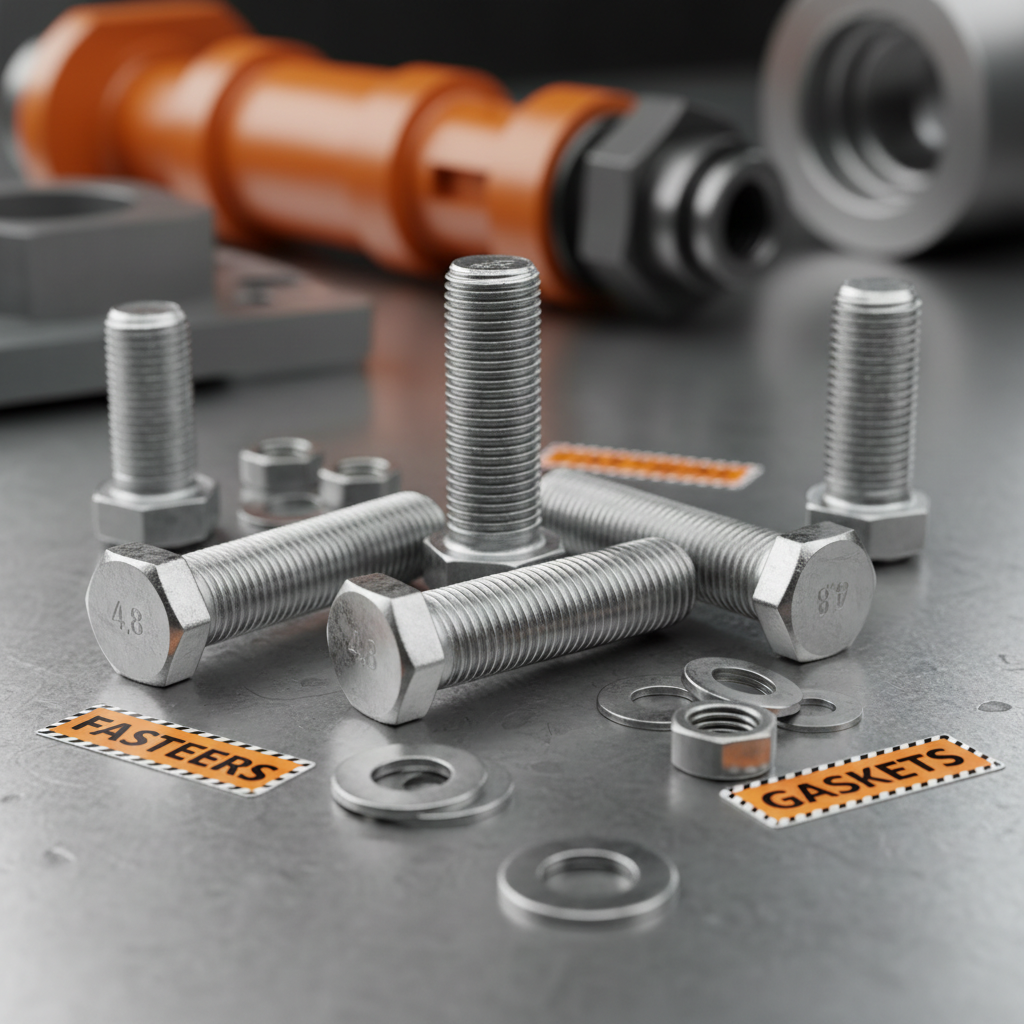
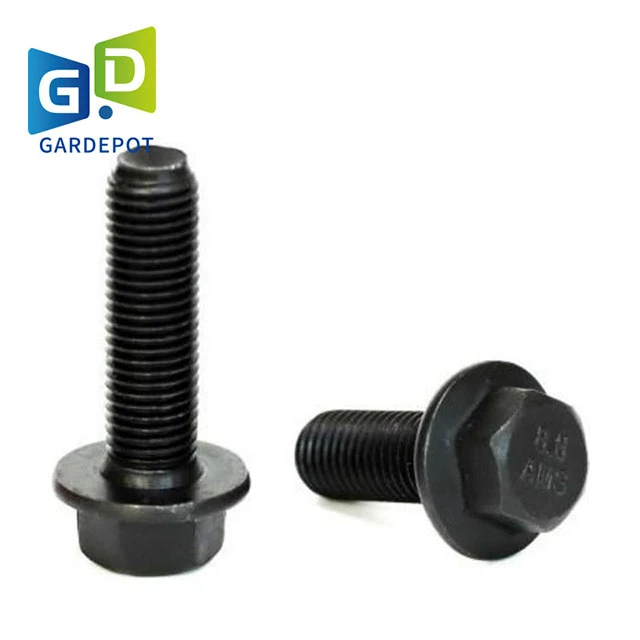
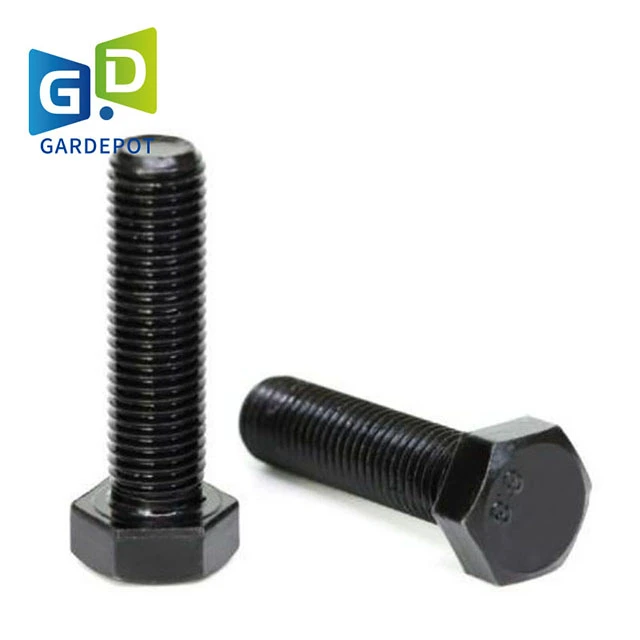
Put simply, a stud bolt with full thread is a cylindrical rod completely threaded from end to end. Unlike partial-thread studs, which only have threading near the ends, the entire shaft of this fastener has uniform threads. This facilitates flexibility during installation, especially in cases where a nut needs to travel an unusual distance along the bolt or when uneven surfaces must be tightly fastened.
In modern industries, these full-thread stud bolts are often manufactured from high-grade alloys—stainless steel, carbon steel, and other specialty metals—ensuring longevity and resistance to wear, stress, and sometimes, corrosive environments. Humanitarian operations rely on these too, for quickly assembling modular shelters or temporary bridges during disaster relief, where reliability under pressure isn't negotiable.
Core Attributes of Stud Bolt Full Thread
Durability & Strength
Engineers swear by full-threaded stud bolts in high-stress environments. Because the threads run the entire length, load distribution is more even, reducing the risk of shear or fatigue failure. This means safer, longer-lasting joints — especially critical in infrastructure projects or offshore oil rigs that face constant mechanical stress and corrosion.
Versatility & Flexibility
The full thread allows nuts or coupling devices to be positioned anywhere along the stud bolt. This adaptability is a lifesaver where unusual construction tolerances demand on-site adjustment. It's also particularly helpful in repair or retrofit scenarios where precision drilled holes might be slightly off.
Corrosion Resistance
Many stud bolts with full threading are available in various grades of stainless steel or coated with zinc, galvanization, or PTFE. In marine or chemical industries, this layer of protection can extend service life exponentially—making them cost-effective despite their potentially higher upfront price.
Cost Efficiency
Full-threaded studs offer a balance of performance and affordability. They reduce labor time, are easier to install and maintain, and eliminate the clumsiness of partial-thread options in many applications. Over large projects, these savings accumulate substantially.
Compatibility & Standardization
In line with ISO standards (ISO 898-1 for mechanical properties, for example), full-thread stud bolts maintain compatibility across regional and global supplier chains, ensuring engineers anywhere can source and specify reliably.
Global Applications in the Real World
- Oil & Gas: In refineries or offshore platforms, stud bolt full thread fasteners hold flanges and pipelines fluid-tight under extreme temperatures and vibrations.
- Construction: From high-rise buildings in Asia to bridges in Europe, full-thread studs are preferred when flexible adjustment is required on site.
- Disaster Relief: NGOs utilize full-thread stud bolts in temporary shelters and field hospitals, where rapid deployment and durability go hand in hand.
- Automotive & Railways: Fastening engines and chassis components safely, these are standard crucial parts for vibration-resistant joints.
Oddly enough, I found an industrial facility in a coastal town in Norway praising these studs for their unbeatable corrosion resistance under salty sea air — testament to how location matters in choosing the right fastener.
Advantages & Long-Term Value of Stud Bolt Full Thread
Over their lifetime, full-thread stud bolts save money by reducing rework and downtime. Safety is another huge plus — with solid, secure connections preventing accidents and ensuring structural integrity. Plus, the materials' sustainability angle shines when studs are manufactured under green certifications, recycle-steel content, or used in energy-efficient infrastructure upgrades.
There’s a bit of peace of mind that comes with knowing your industrial equipment or critical infrastructure hinges on components tested to strict standards and tough enough for decades—this translates to trust in providers and public safety alike. For engineers and project managers, this emotional reassurance is often overlooked but incredibly valuable.
Emerging Trends in Stud Bolt Full Thread Technology
Innovation keeps buzzing. New alloys with enhanced corrosion protection, combined with digital quality control (think laser scanning threads and ultrasonic flaw detection), are transforming fastener reliability. Automation in manufacturing also means improved precision and consistency, shaving off tolerances to freakishly exact dimensions.
Sustainability trends push for more eco-friendly coatings and easier recyclability. And in industries like renewable energy, where wind turbines and solar mounts often demand customized fastening solutions, full-thread stud bolts are being adapted for even lighter weight without compromising strength.
Challenges & How Industry Is Tackling Them
Despite their many perks, stud bolt full thread can sometimes face issues like galling (threads sticking), especially with stainless steel. Experts suggest lubrication or specialized coatings to mitigate this.
Another practical challenge is availability of specialized grades in remote regions. Thankfully, digital catalogs and global logistics networks—such as those supported by companies like stud bolt full thread suppliers—help fill this gap rapidly.
Lastly, proper installation remains key. Improper torqueing or over-tightening can degrade performance, so ongoing training for installers is as important as product innovation.
FAQ: Quick Answers on Stud Bolt Full Thread
- Q: Why choose a full-thread stud bolt over a partial-thread one?
A: Full-thread studs offer greater installation flexibility and distribute loads more evenly, reducing failure risk in demanding applications. - Q: Can stud bolts with full thread be reused?
A: It depends on the application and condition but generally, if threads are undamaged and no corrosion exists, reusing is possible with proper inspection. - Q: Are full-thread studs suitable for high-temperature environments?
A: Yes, especially those made from heat-resistant alloys like Inconel, which maintain strength under elevated temperatures. - Q: How does corrosion protection differ in full-thread stud bolts?
A: Options range from stainless steel grades to galvanization and special coatings, selected based on environmental factors like moisture or chemicals. - Q: Where can I find suppliers of high-quality stud bolt full thread?
A: Leading industrial suppliers and specialized vendors such as stud bolt full thread distributors are reliable choices, offering product variety and certification.
How Do These Stud Bolts Stack Up? Quick Specification Overview
| Specification | Value | Notes |
|---|---|---|
| Material Grade | A193 B7 / Stainless Steel 304, 316 | Commonly used alloys |
| Diameter Range | M6 to M64 | Metric sizing standard |
| Thread Pitch | Coarse & Fine | Depends on application needs |
| Length Range | 20mm to 600mm+ | Custom lengths available |
| Tensile Strength | 800 MPa (B7), 520 MPa (304 SS) | Typical mechanical properties |
Comparing Top Vendors of Stud Bolt Full Thread
| Vendor | Material Quality | Price Range | Certifications | Customer Support |
|---|---|---|---|---|
| BoltTech Industries | Premium alloys, ISO 9001 | $$$ | ISO 9001, ASTM | 24/7 Live support |
| FastenWell Corp | Good quality stainless steel | $$ | ISO 14001 | Email, Phone support |
| Global Fasteners Ltd | Wide material options | $$$ | ASTM, EN Standards | Multilingual support |
Final Thoughts: Why Stud Bolt Full Thread Shouldn't Be Overlooked
At first glance, a stud bolt full thread might seem a modest part of the great industrial machine, but its influence is anything but small. It stands as a perfect emblem of how thoughtful design, material science, and international standards converge to empower global development, safety, and innovation. From skyscrapers to humanitarian aid, this humble fastener enables big dreams to stay fastened — securely, sustainably, and sensibly.
If you find yourself specifying components or curious about durable fastening options, consider exploring more at stud bolt full thread. Trust me — the right bolt can make all the difference in your next project.
References:
1. ISO 898-1: Mechanical properties of fasteners — iso.org
2. Fastener market stats - Statista 2023 - statista.com
3. World Bank infrastructure projects overview - worldbank.org