Comprehensive Guide to Stud Whole Threaded Fasteners | Durable & Customizable Solutions
The Essential Guide to Stud Whole Threaded Fasteners: What They Are and Why They Matter
In the world of fastening solutions, especially in construction and heavy industry, "stud whole threaded" components quietly play a massive role. These versatile fasteners connect, hold, and stabilize structures from skyscrapers to machinery. Understanding what stud whole threaded elements offer—both practically and economically—is essential for engineers, contractors, and buyers worldwide.
Introduction: Why Stud Whole Threaded Fasteners Have a Global Spotlight
Fastening technology might not be the first thing that pops into mind when thinking about global trade or sustainable infrastructure, but it makes the world go round. The global construction market was valued at over $11.4 trillion in 2022 (Statista), and a huge chunk of that relies on reliable threaded components like stud whole threaded fasteners. These parts address an old challenge: how to join heavy elements safely, durable over time, and adaptable across climates.
Oddly enough, as buildings go greener, and machines more specialized, the humble stud whole threaded fastener has to keep pace, adapting its materials, designs, and specs. It’s a quiet but vital star in solving challenges related to seismic safety, industrial expansion, and modular construction.
Defining Stud Whole Threaded: What It Means in Plain Terms
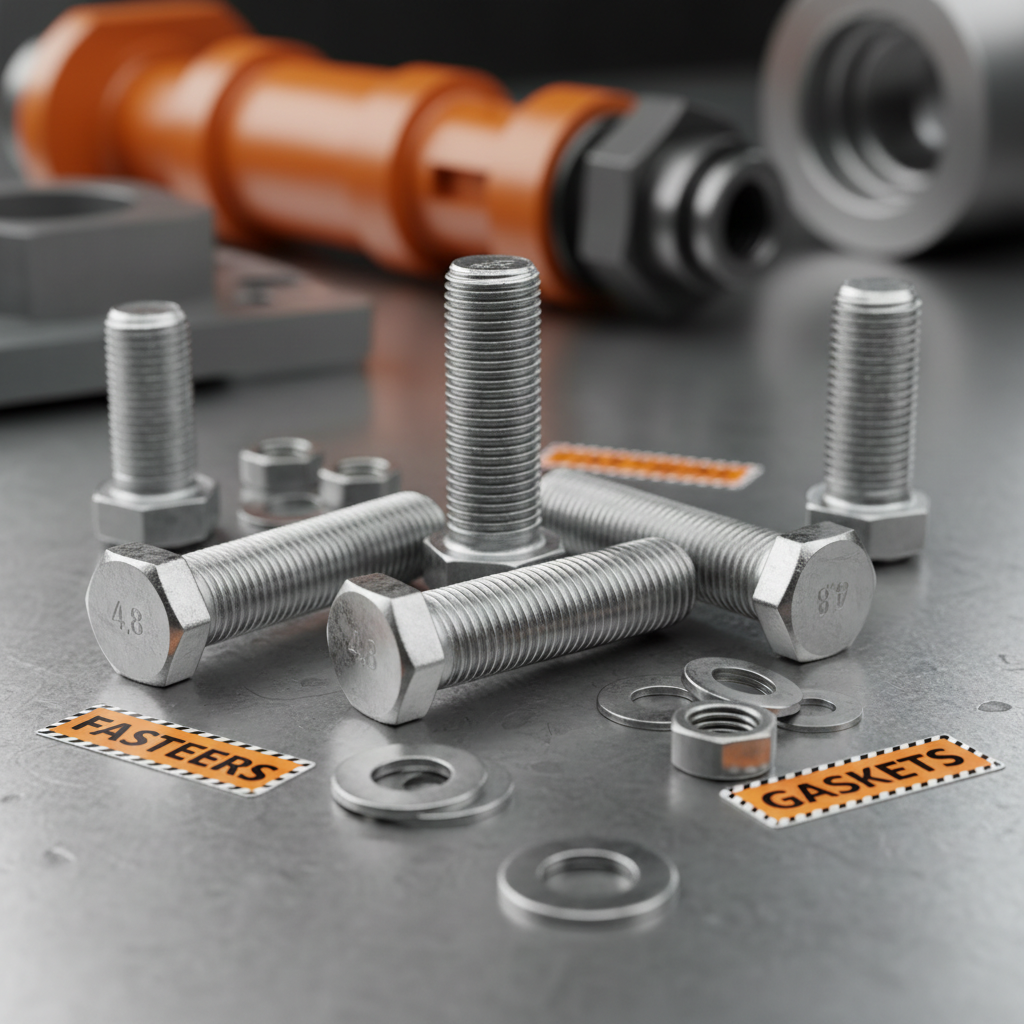
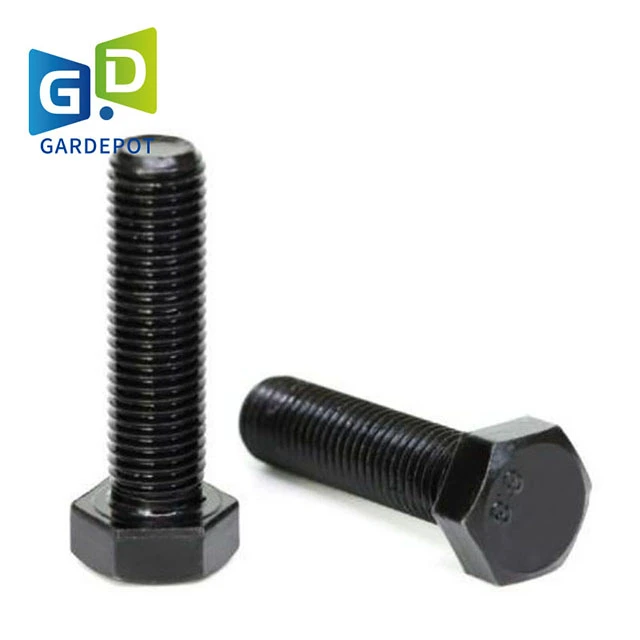
Simply put, a stud whole threaded fastener is a type of bolt or rod that’s threaded along its entire length. Unlike partial-thread studs or standard bolts that have a smooth shank thing going on, these are consistently threaded for maximum grip and load distribution. They’re often used where a strong, uniform grip is needed on both ends—think anchoring machinery, connecting steel frames, or plumbing heavy pipework.
In modern industries, this uniform threading means flexibility. You can cut them to length, double-nut them for extra tension, and they're easier to replace. Plus, humanitarian organizations appreciate them for modular shelters and temporary bridges—applications where fast deployment is key.
What Makes Stud Whole Threaded Fasteners So Important?
Durability: Built to Withstand Tremors and Time
Thanks to their uniform threading and typically high-grade steel composition, stud whole threaded fasteners offer superior resistance to shear forces and stress. Many engineers say their capacity to handle dynamic loads makes them invaluable for earthquake-prone regions or industrial plants dealing with vibration.
Scalability: Flexibility in Length and Application
Unlike fixed-length bolts, whole threaded studs can be customized by cutting to desired length onsite—or in the factory. This scalability means you don’t have to stock many different sizes, simplifying inventory and ensuring project agility.
Cost Efficiency: Less Waste and Faster Assembly
Since they can be cut and reused with minimal fuss, stud whole threaded fasteners often reduce waste. Compared to specialty bolts or welds, assembly time often drops, saving labor costs. Heck, in some cases, a single stud can secure multiple components—a nice bonus.
Corrosion Resistance and Material Options
Advanced thermally treated steels, galvanized coatings, and even stainless steel options make these studs versatile for harsh environments—think offshore platforms, chemical plants, or cold storage warehouses. Choosing the right material is half the battle in guaranteeing long-term reliability.
Simple Installation & Maintenance
Because they can be fitted with nuts on either end, maintenance is often straightforward. If you need to tighten, replace, or inspect, the whole-thread means you’re not dealing with inaccessible anchor points—saving time and headaches.
Mini takeaway:
Durability, adaptability, and ease of use come together to make stud whole threaded components an everyday hero in fastening solutions worldwide.
Real-World Uses: Where You Find Stud Whole Threaded Applications
Stud whole threaded fasteners turn up in all sorts of exciting places:
- Infrastructure: Highway bridges, stadiums, and high-rise buildings where tension connections need that uniform grip
- Industrial Machinery: Heavy equipment mounts, motor housings, conveyor frames (such as those featured at stud whole threaded specialists)
- Modular Housing: Fast installation of walls and frameworks in disaster relief zones or off-grid construction sites
- Energy Sector: Wind turbines and solar panel mounts where corrosion resistance and strong fastening matter
For instance, after the 2018 earthquake in Sulawesi, Indonesia, rapid reconstruction efforts depended heavily on modular systems fastened with whole threaded studs—allowing structures to be assembled at speed without sacrificing safety.
Stud Whole Threaded Product Specification Table
| Specification | Value | Notes |
|---|---|---|
| Material | Grade 8.8 Carbon Steel, Stainless Steel, Galvanized | Dependent on environment |
| Thread Size (Diameter) | M6 to M48 | Common metric sizes |
| Length | 50 mm to 2000 mm (cuttable) | Custom lengths available |
| Tensile Strength | 800 MPa (Grade 8.8) | High strength standard |
| Surface Treatment | Hot dip galvanized, electroplated, black oxide | Corrosion protection options |
Vendor Comparison: Understanding Your Options
| Vendor | Material Range | Customization | Lead Time | Global Shipping |
|---|---|---|---|---|
| GardePota | Steel, Stainless, Galvanized | Cut-to-length, packaging | 1–2 weeks | Worldwide |
| FastenTech Inc. | Steel, Alloy Steels | Standard sizes, bulk only | 3–4 weeks | Limited |
| ThreadMaster Solutions | Stainless Steel, Specialty Alloys | Fully customized profiles | 2–3 weeks | Worldwide with extra fees |
Advantages and Long-Term Value of Stud Whole Threaded Components
One of the key benefits people overlook is how well these studs contribute to safer, more resilient buildings and machinery. The fact that you get uniform load distribution means fewer weak points and less stress concentration. Plus, from a sustainability perspective, the ability to reuse or repurpose studs cuts down on metal waste — which feels oddly satisfying when the industry struggles with environmental footprint.
Socially, think about the dignity and safety that comes from fast, reliable housing or infrastructure restoration in crises. Whole threaded studs underpin solutions that are structurally sound but quick to deploy, giving people more than just shelter—they get hope and stability.
Future Trends to Watch in Stud Whole Threaded Technology
Automation and additive manufacturing (3D metal printing) might sound like buzzwords, but they're creeping into fastener production already. Imagine fasteners tailored with microscale surface treatments or integrated sensors to monitor tension in real time. That’s close to reality.
Materials science is advancing as well: low-carbon steels with enhanced coatings, titanium alloys, and biodegradable options for temporary applications. The demand for eco-friendly, lighter, and yet stronger fasteners will only grow as green energy and digital infrastructure projects ramp up globally.
Challenges and Clever Solutions
Despite all these strengths, stud whole threaded fasteners face issues: inventory complexity, corrosion in extreme environments, and sometimes higher upfront costs compared to simpler bolts. The solution? Vendors offering just-in-time cut-to-length services, developing multi-coat corrosion barriers, and supporting modular designs that maximize reuse.
Expert engineers also emphasize proper torque application and careful inspection regimes to extend lifespan, which sometimes means more training but pays off in less downtime.
Frequently Asked Questions About Stud Whole Threaded Fasteners
- Q1: What advantages do stud whole threaded fasteners have over traditional bolts?
- A: Because they’re threaded along their full length, stud whole threaded fasteners offer uniform load distribution and greater flexibility. They can be cut to fit, reused easily, and tightened from both sides, which can improve assembly speed and structural integrity.
- Q2: How durable are whole threaded studs in harsh environments?
- A: Their durability depends on material and coatings selected. Stainless steel or galvanized studs resist corrosion well in marine or chemical conditions, making them suitable for long-term applications—even in extreme climates.
- Q3: Can I customize the size of stud whole threaded fasteners?
- A: Absolutely. One key benefit is onsite or factory cutting to length, allowing for tailored solutions without needing numerous stock sizes. Vendors like stud whole threaded specialists often offer this service.
- Q4: Are these fasteners eco-friendly?
- A: To an extent, yes. Their reusability and reduced waste aid sustainability, especially when paired with low-impact coatings or recycled steels. However, full environmental claims depend on sourcing and lifecycle management.
- Q5: How do NGOs import and implement these fasteners for relief projects?
- A: NGOs benefit from vendors offering global shipping and modular system compatibility. Choosing studs that meet international standards (e.g., ISO, ASTM) ensures easier customs clearance and interoperability on-site.
Conclusion: Why Stud Whole Threaded Fasteners Deserve Your Attention
From global infrastructure projects to fast-deploy humanitarian shelters, stud whole threaded fasteners quietly hold critical functions together. Their strength, flexibility, and cost-effectiveness make them a wise choice for anyone in construction or machinery. If you haven’t looked into these fasteners seriously, maybe now is the time—you might find your next project’s unsung hero.
Discover the full range and customization options for your needs by visiting GardePota’s stud whole threaded catalog today.