Comprehensive Guide to Threaded Bolts | Durable Fasteners for Industry & Construction
Threaded Bolts: The Unsung Heroes of Mechanical Fastening
Before diving in, let’s get one thing straight: threaded bolts are everywhere. They hold together the things we seldom think about but deeply depend on daily — from the chair you’re sitting on, to the massive machinery powering factories around the globe. Understanding what a threaded bolt is and why it matters is not just for engineers or hardware enthusiasts; it impacts global industry, infrastructure development, and even humanitarian aid. Cool, right?
Threaded bolts offer a simple yet powerful method to fasten things securely, allowing for assembly, disassembly, and reusability. This versatility is why they’re fundamental in manufacturing, construction, automotive, and aerospace sectors. Let’s take a tour of this technically humble but critically essential component’s definition, applications, and future.
Why Threaded Bolts Matter Globally
According to industry data, more than 80% of mechanical joints worldwide rely on threaded fasteners, making them indispensable. The International Organization for Standardization (ISO) alone has hundreds of standards dedicated to bolts and screws. With global supply chains juggling the demand for robust, cost-effective, and standard-compliant fasteners, threaded bolts address a massive challenge: reliable, reusable joint solutions that can withstand differing environmental demands.
For instance, in transporting solar panels, foundation building, or even emergency shelters, threaded bolts ensure quick assembly and structural integrity. In developing regions, the ability to mount and replace parts without expensive downtime is a game-changer, especially when combined with local sourcing strategies. It’s no exaggeration: these small components drive big changes.
What Exactly is a Threaded Bolt?
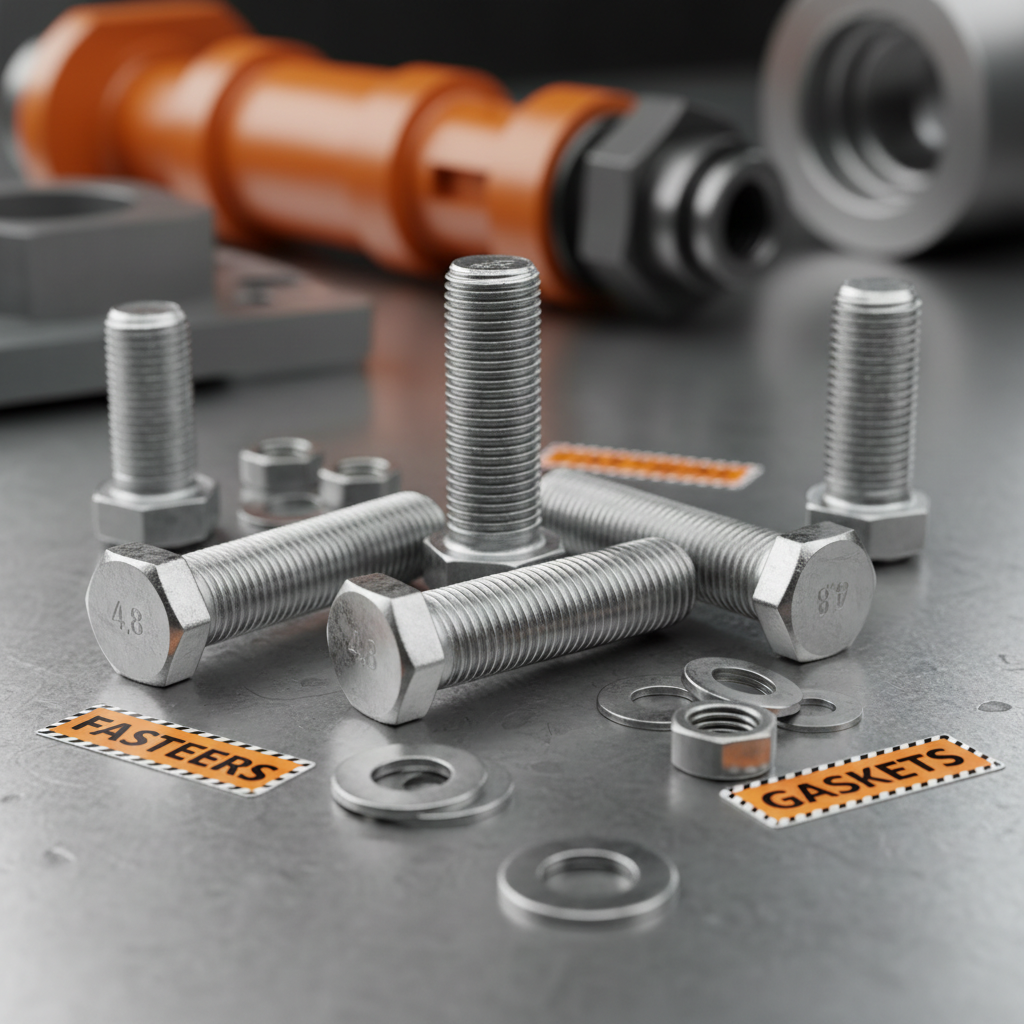
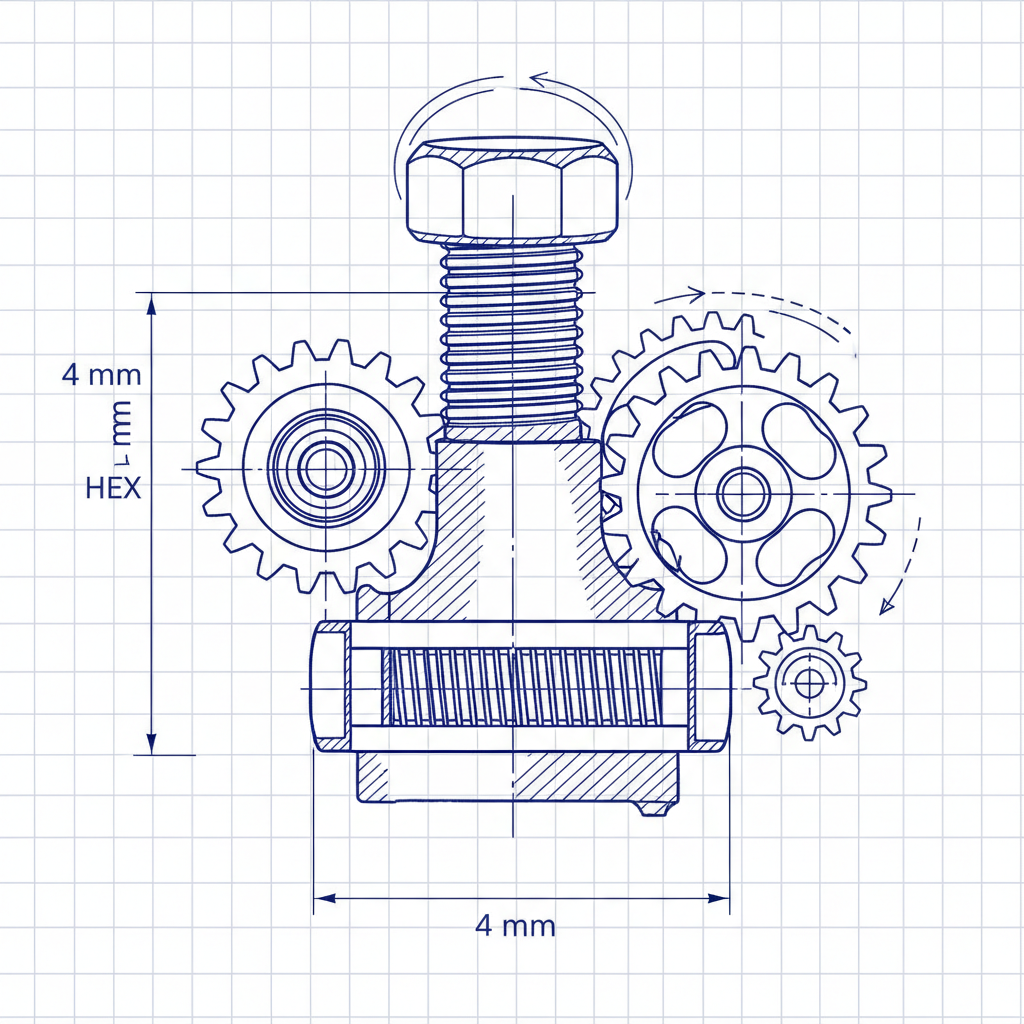
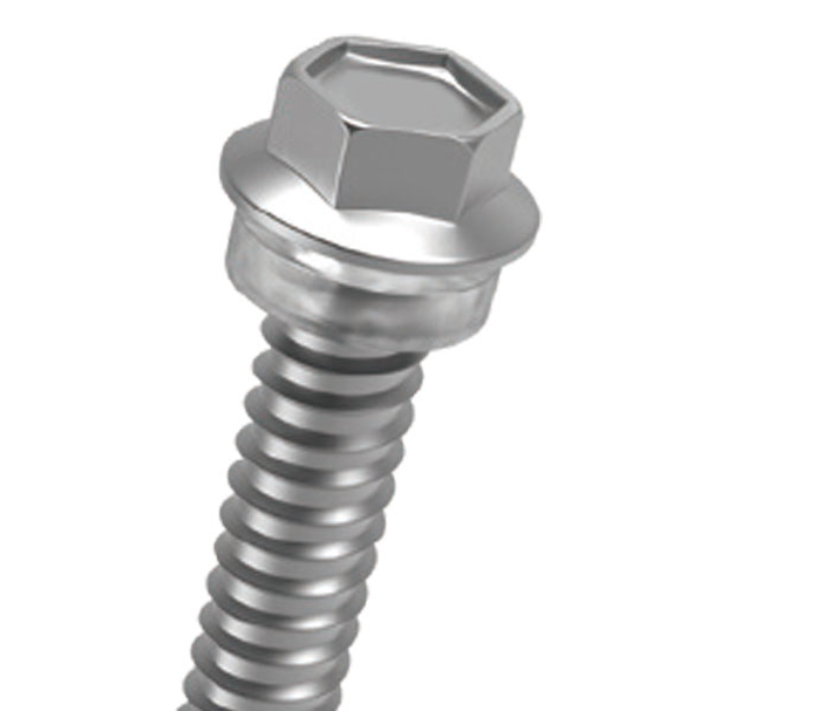
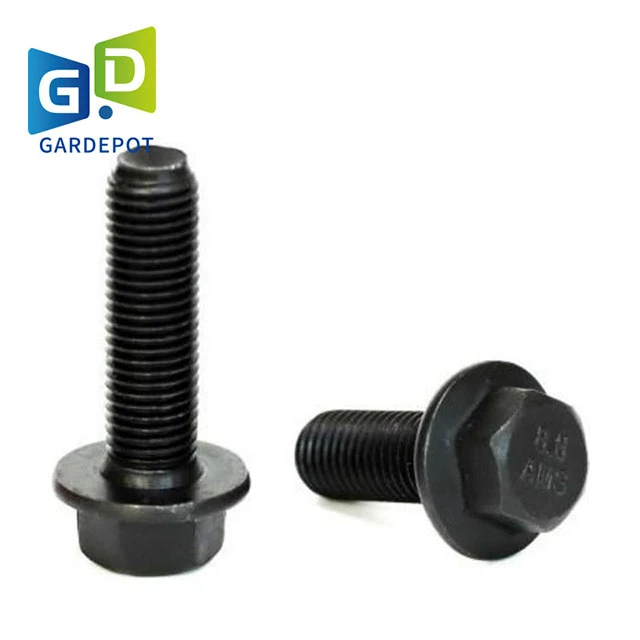
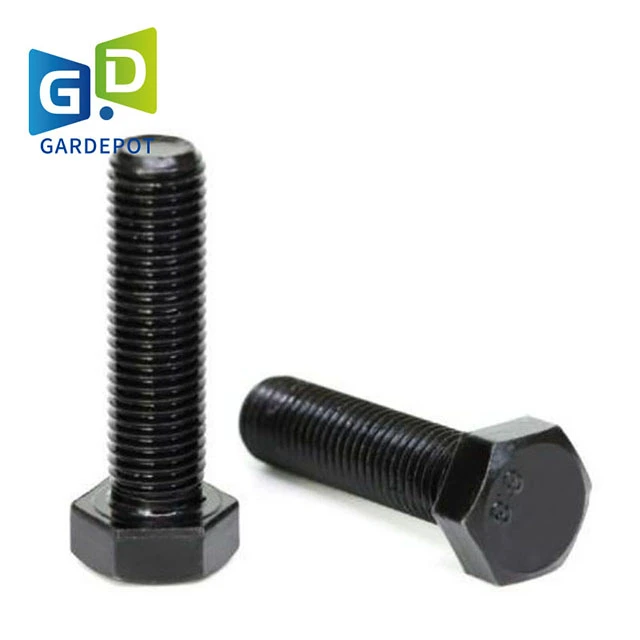
Simply put, a threaded bolt is a cylindrical fastener with external threads running along its shaft — these spiral ridges allow the bolt to mate with a complementary internally threaded nut or tapped hole, creating a strong mechanical bond. Unlike screws, bolts typically require a nut to secure parts together, though some designs rely on the bolt threading directly into material.
Modern industry depends on standardized threaded bolts to ensure compatibility and safety. Their mechanical sturdiness and simplicity mean they can be manufactured with high precision, guaranteeing the tightness required in fields like aerospace or automotive manufacturing. Oddly enough, while it seems like a barebones tech, it's a cornerstone for virtually every piece of machinery or structure.
Key Features of Threaded Bolts
1. Durability and Strength
Threaded bolts are often made from high-grade steel alloys (like stainless or carbon steel) that resist corrosion and fatigue. This durability is crucial when bolts are exposed to harsh environments, from chemical plants to offshore wind farms.
2. Versatility and Scalability
Due to standardized threading (such as metric or UNC/UNF systems), bolts come in countless sizes. This scalability allows their use in everything from delicate electronics to enormous industrial machinery.
3. Cost Efficiency
Mass production and global supply networks have pushed manufacturing costs down, making high-quality bolts affordable worldwide. They reduce labor intensity by enabling quick assembly and maintenance.
4. Reusability
Unlike welding or adhesives, bolts can be removed and reused, facilitating repair and upgrades. This keeps products sustainable and extends lifecycles.
5. Precision and Safety
Engineers rely on torque specifications linked to bolt grades to ensure joints don't loosen unexpectedly. This safety assurance is critical in transport and industrial sectors.
Mini takeaway:
Threaded bolts are not just “fasteners”; they’re engineered tools that balance strength, cost, and sustainability — qualities that industries worldwide rely on.
Threaded Bolt Specifications: What to Look For
| Specification | Value / Options | Remarks |
|---|---|---|
| Material | Stainless Steel, Carbon Steel, Alloy Steel | Select based on corrosion resistance needs |
| Thread Type | Metric (M) / Unified (UNC/UNF) | Match with nuts or tapped holes |
| Diameter | M3 to M36 (Metric), #0 to 1½ inches (Imperial) | Depends on application load requirements |
| Length | 10mm to 300mm (Metric) | Custom lengths available |
| Tensile Strength | 4.8 to 12.9 (ISO grade) | Higher grades withstand greater force |
| Finish | Zinc-plated, Black oxide, Hot-dip galvanized | Enhances corrosion protection |
Popular Vendors: Comparing What’s Out There
| Vendor | Key Strengths | Price Range | Lead Times | Global Reach |
|---|---|---|---|---|
| FastenRight Inc. | Premium steel, certified ISO 9001 | $$$ (High-end) | 3-5 days | North America, Europe |
| BoltMasters | Mid-range cost, wide product range | $$ | 7-10 days | Asia, Europe |
| Global Threads Ltd. | Custom fabrication, fast prototyping | $$$ | 2-4 weeks | Worldwide |
| EconomyFix | Budget-friendly, large stock | $ | 1-3 days | Local only |
Real-World Applications: Where Threaded Bolts Shine
Threaded bolts keep things together everywhere. Take post-disaster reconstruction—a situation where speed and reliability count. Aid organizations rely on connection points that can be disassembled for parts reuse, and here, threaded bolts come through. Similarly, in remote industrial zones like oil rigs or mining operations in Australia and Canada, these fasteners are critical for maintenance under extreme conditions. Even in everyday terms, think about the automotive industry: safety-critical parts like engine mounts require bolts that meet precise strength and safety standards.
Why Invest in Quality Threaded Bolts?
- Cost-saving: Fewer replacements and easier servicing mean lower total costs.
- Environmental impact: Precision reusable fasteners curb waste.
- Safety: Trustworthy joins mean less risk of catastrophic failure — that’s huge in aerospace and construction.
- Innovation: Advanced coatings and materials enhance performance.
Looking Ahead: Threaded Bolt Innovations
Materials science is evolving bolts rapidly. Researchers develop coated bolts resistant to saltwater corrosion and thermal stress, perfect for offshore wind turbines and electric vehicles. Digitization is also entering the mix — smart bolts embedded with sensors can monitor tension and wear, preemptively signalling maintenance needs. In the green energy sector, lightweight alloys and recyclable fasteners dovetail nicely with sustainability goals. So the humble bolt is quietly migrating into the smart industrial era.
Challenges with Threaded Bolts — And How We Solve Them
Threaded bolts aren’t flawless. Thread galling (where threads seize) and corrosion remain top issues, especially under high loads or extreme conditions. Engineers mitigate this with special lubricants, torque controls, and using anti-corrosive coatings. The move toward automation in assembly lines demands consistent bolt torque application, which robotic tools now provide — improving quality and safety. So, while the problems exist, smart materials and manufacturing tech keep making threaded bolts better and better.
FAQ: Threaded Bolt Questions You Might Be Asking
Q1: How do I choose the right threaded bolt for outdoor use?
A1: For outdoor applications, pick bolts made from stainless steel or those with corrosion-resistant coatings like hot-dip galvanization. Consider environment factors like salt exposure (near seawater) or chemicals, and always check the tensile strength requirements for your project.
Q2: Can threaded bolts be reused after disassembly?
A2: Generally, yes. Threaded bolts are meant for repeated use, provided they’re not damaged or excessively worn. Inspect threads and heads for signs of deformation before reuse to ensure connections remain secure and safe.
Q3: What is the difference between a bolt and a screw?
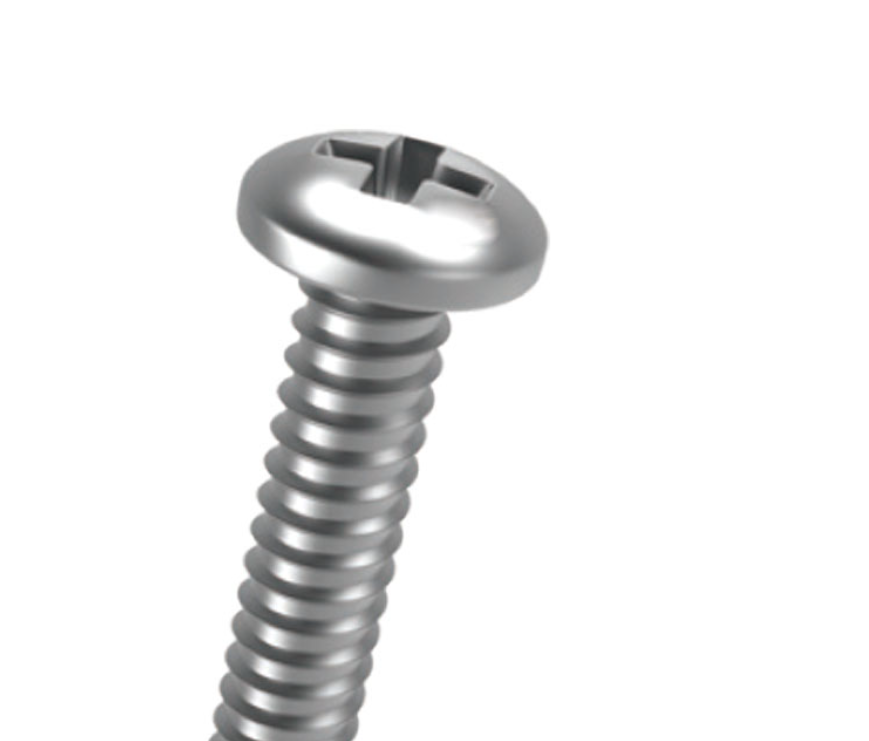
A3: A bolt typically needs to be fastened with a nut or into a pre-threaded hole, creating a clamping force, whereas screws usually thread directly into softer materials without requiring a nut.
Q4: Are custom threaded bolts expensive?
A4: Custom bolts cost more mainly due to smaller production runs and special materials or coatings. However, they can be justified for specialized industrial needs where standard bolts won’t meet requirements.
Q5: Where can I find reliable threaded bolts internationally?
A5: Many vendors operate worldwide. It’s best to source from ISO or ASTM-certified suppliers with clear quality standards. Check shipping times and after-sales support to fit your project’s timeline.
Wrapping It Up: The Quiet Strength of Threaded Bolts
At the end of the day, threaded bolts are those small but mighty components that empower literally everything from your desk lamp to skyscrapers. Their engineered reliability, cost-effectiveness, and adaptability make them irreplaceable in modern manufacturing and infrastructure globally. Curious to explore our extensive threaded bolt selection? Visit us here and see what fits your next project.
References: