Comprehensive Guide to Threaded Rod Bolt: Applications, Benefits, and Innovations
What Exactly Is a Threaded Rod Bolt and Why It Matters
Threaded rod bolts may not grab headlines like flashy tech gadgets or renewable energy breakthroughs, but if you stop and think about it, these unassuming lengths of threaded metal are quietly holding the modern world together — literally. From towering skyscrapers, industrial machinery, to essential infrastructure repairs, understanding the humble threaded rod bolt and its applications touches on everything from safety and reliability to cost-efficiency on a massive, global scale.
Why should we care? Because the global economy’s backbone depends on fasteners that perform consistently under heavy stresses and diverse conditions. And in humanitarian or emergency settings, having reliable fastening solutions can mean the difference between durable temporary shelters and structural failures. So, grasping the basics around these threaded connectors helps engineers, builders, and even NGOs make smarter choices.
Threaded Rod Bolts in a Global Context
On a global scale, the use of threaded rod bolts spans every continent, across industries like construction, automotive, manufacturing, and even aerospace. The International Organization for Standardization (ISO) reports that fasteners like bolts and screws represent multi-billion-dollar businesses worldwide, driven by urbanization trends and infrastructure expansion. According to the World Bank, by 2050 over two-thirds of the world’s population will live in cities, which simply translates to more buildings, bridges, and roads requiring vast amounts of reliable fasteners.
Yet, here lies a challenge: sourcing threaded rods with consistent quality and specifications that can handle diverse environments—ranging from humid coastal regions to freezing Arctic zones—is not trivial. Variation in manufacturing, materials, and standards complicate supply chains and on-site deployment. That's where gaining knowledge about these components becomes a genuine asset.
Threaded Rod Bolt – What Does It Really Mean?
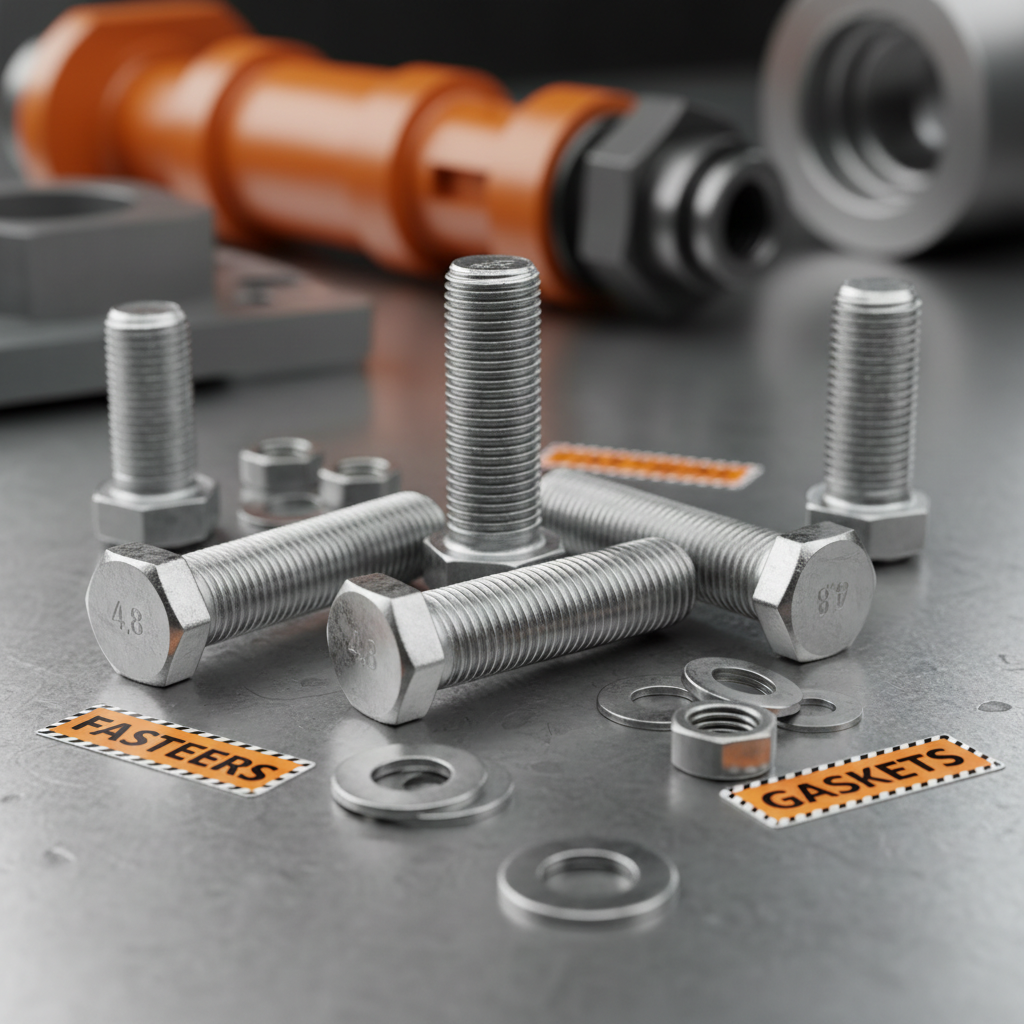
Put simply, a threaded rod bolt is a long, straight metal rod that is fully or partially threaded along its length. Unlike typical bolts, which usually have a head and sometimes a short threaded section, threaded rods offer continuous threads, allowing for nuts or fasteners to be placed anywhere along the rod's span.
This versatility makes them invaluable in situations where adjustable or extended fastening is required. They connect joints securely, stabilize structures, or serve as anchor bolts. Beyond industry, they're even pivotal in humanitarian relief—think quick-assembly temporary shelters where flexibility and speed really count.
Durability
One of the defining features of good threaded rod bolts is how well they withstand wear and environmental exposure. Depending on the material—often carbon steel, stainless steel, or even galvanized steel for corrosion resistance—the durability can vary dramatically. For example, stainless variants are preferred in marine environments thanks to their rust-proof nature.
Cost Efficiency
On paper, threaded rods seem simple, but their cost-to-benefit ratio is impressive. They reduce the need for extra fastening components and allow for on-site customization and adjustments, which directly lowers labor costs and time.
Scalability
Thanks to their standardized threading sizes and lengths, threaded rods can be easily mass-produced and integrated into complex builds or scaled down for smaller projects. This scalability matters a lot for manufacturers dealing with both prototype and mass production runs.
Strength & Load Capacity
Different grades of threaded rod bolts handle varying loads, making material choice critical. For heavy-duty structural tasks, grades like 8.8 or 10.9 steel are common, offering high tensile strength while still being relatively lightweight.
Customization
Threaded rods aren’t always off-the-shelf. Sometimes they’re cut to custom lengths or coated for special uses — think of heat-resistant coatings for certain industrial applications or anti-seize treatments for easier disassembly later.
Mini Takeaway:
- Threaded rod bolts come in various materials and grades, balancing durability, cost, and strength.
- They offer scalability for projects big and small, enhancing flexibility and efficiency.
Threaded Rod Bolt Applications Around the World
You’ll find threaded rod bolts underpinning constructions from the mega cities of Asia to remote mines in South America. In North America, they're cornerstones of HVAC systems,PIPE supports, and even heavy vehicle assembly lines. Europe’s strict building codes demand high-grade threaded rods for bridges and rail systems.
Interestingly, NGOs working within disaster zones rely on threaded rods for fast, reliable shelters. In places like Nepal after the 2015 earthquake, blending local materials with industrial fasteners like threaded rods helped stabilize relief buildings — a minor component with a major impact.
Even routine industrial maintenance across Africa’s developing energy sectors depends on these connectors, lending them an unusual but crucial role in powering electricity access projects.
Threaded Rod Bolt: Product Specification Table
| Specification | Typical Range | Notes |
|---|---|---|
| Material | Carbon Steel, Stainless Steel, Galvanized Steel | Material depends on environment & application |
| Diameter | M6 to M48 (metric), 1/4” to 2” (imperial) | Varies by project specs |
| Length | 0.5 meters to 6 meters or more | Custom cutting available |
| Thread Pitch | Coarse and Fine options | IEC standards apply |
| Tensile Strength Grade | 4.6, 8.8, 10.9, 12.9 | Higher numbers = higher strength |
Comparing Vendors: Choosing the Right Supplier
| Vendor | Material Quality | International Standards | Customization Options | Lead Time |
|---|---|---|---|---|
| FastenPro Inc. | High-grade stainless steel | ISO 9001 & ASTM certified | Custom lengths, coatings | 2-3 weeks |
| BoltWorks Ltd. | Carbon & galvanized steel | ISO 14001 compliant | Limited coatings, bulk orders | 1-2 weeks |
| ThreadTech Global | Premium ASTM A193 B7 alloy steel | API, ISO certified | Custom threading & heat treatments | 3-4 weeks |
Long-Term Value and Advantages of Threaded Rod Bolts
So, what’s the takeaway when we talk about the long-term advantages? First, cost savings due to less frequent replacements and faster assembly time. Durability also means safety isn’t compromised, giving peace of mind in critical infrastructure projects.
But beyond the numbers, using quality threaded rod bolts speaks to a level of trust—clients rely on the assurance their buildings or equipment won’t fail unexpectedly. That social and psychological impact shouldn’t be discounted; it builds reputations and incentivizes better work standards.
Emerging Trends and Innovations to Watch
There’s some interesting buzz about environmentally friendlier manufacturing processes—low-carbon steel production or biodegradable protective coatings. Additive manufacturing or 3D metal printing might someday churn out threaded rods tailored to extreme conditions faster than current batch methods, which frankly feels like sci-fi creeping into real life.
And in smart industry moves, some threaded rods now incorporate sensors monitoring stress and fatigue, feeding data back to maintenance teams. Imagine fixing bolt-related issues before failures happen—digital transformation right there.
Common Challenges and How the Industry Tackles Them
While these rods are versatile, issues like thread stripping during installation, corrosion in harsh environmental conditions, or inconsistent thread pitch in cheaper imports continue to plague some projects. Experts advocate using certified vendors, proper torque tools, and regular inspections to mitigate risks.
Innovations like improved coatings and thread-locking technologies also offer practical solutions. At the end of the day, it still boils down to quality control combined with informed installation practices.
FAQ: Frequently Asked Questions About Threaded Rod Bolt
What is the difference between a threaded rod and a standard bolt?
A threaded rod is a continuous piece of metal with threads along its entire length, allowing nuts or fasteners to be attached anywhere. A standard bolt typically has a head and threads only on a portion, designed for specific fastening setups. Threaded rods offer more versatility for adjustable applications.
How do I choose the right material for my threaded rod bolt?
Consider the environmental conditions (e.g., moisture, chemicals), mechanical load requirements, and durability needs. Stainless steel is great for corrosion resistance, carbon steel for general strength, and galvanized rods offer a balance for outdoor use.
Can threaded rod bolts be cut to custom lengths?
Yes, most vendors offer cutting services to tailor threaded rods to your exact project needs, which speeds up onsite assembly and reduces waste.
Are threaded rods reusable?
Threaded rods can be reused if the threads aren’t damaged and there’s no corrosion or structural compromise. Inspect before reusing to ensure safety and performance.
Where can I purchase high-quality threaded rod bolts?
Reliable suppliers include industrial fastener companies, specialist online marketplaces, or distributors certified to international standards. Check reputations and certifications to avoid low-quality imports.
Wrapping It Up
If you’re still on the fence about the importance of threaded rod bolts, think about this: they’re an invisible but indispensable part of how we build and maintain the physical world around us. From simplifying complex assembly jobs to holding our shelters and machinery tight for decades, they matter a lot.
For well-sourced, reliable threaded rod bolts delivered with excellent customization options, I recommend visiting our website where quality meets versatility.