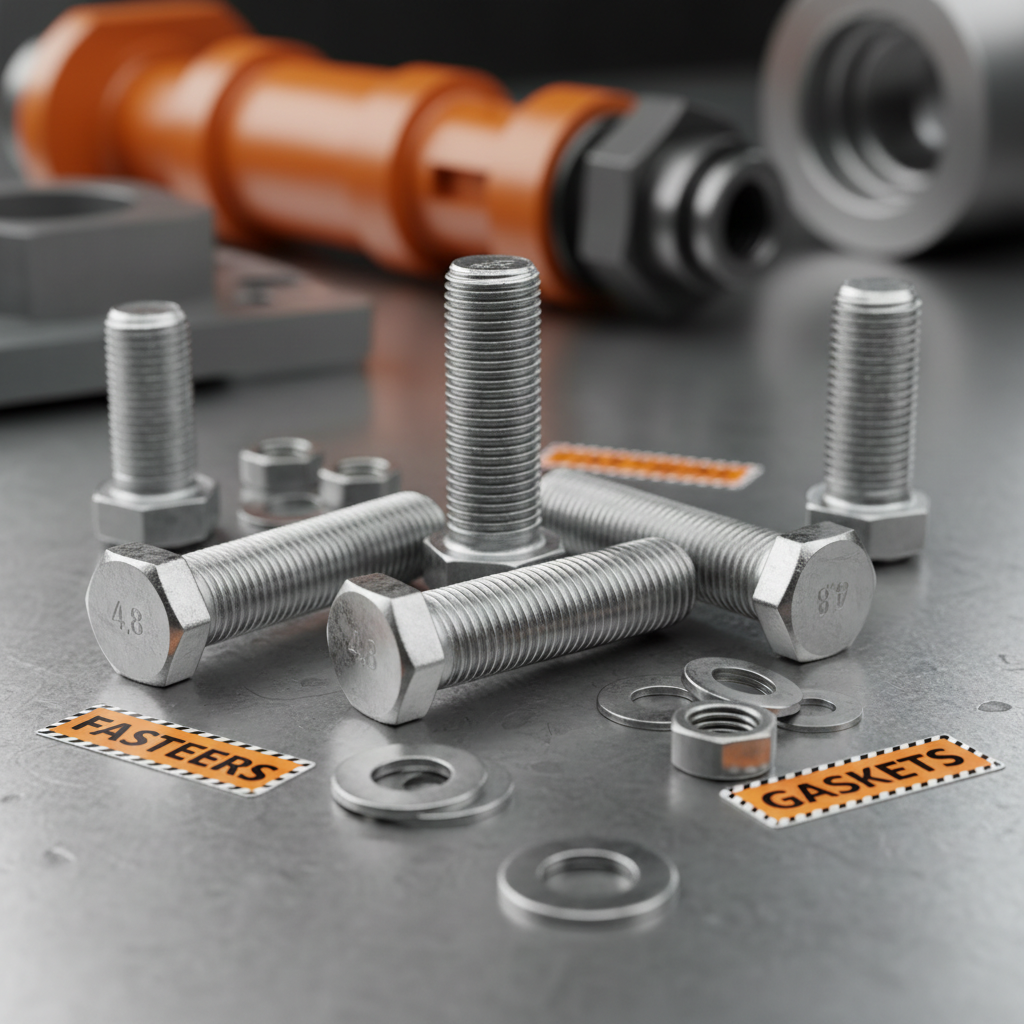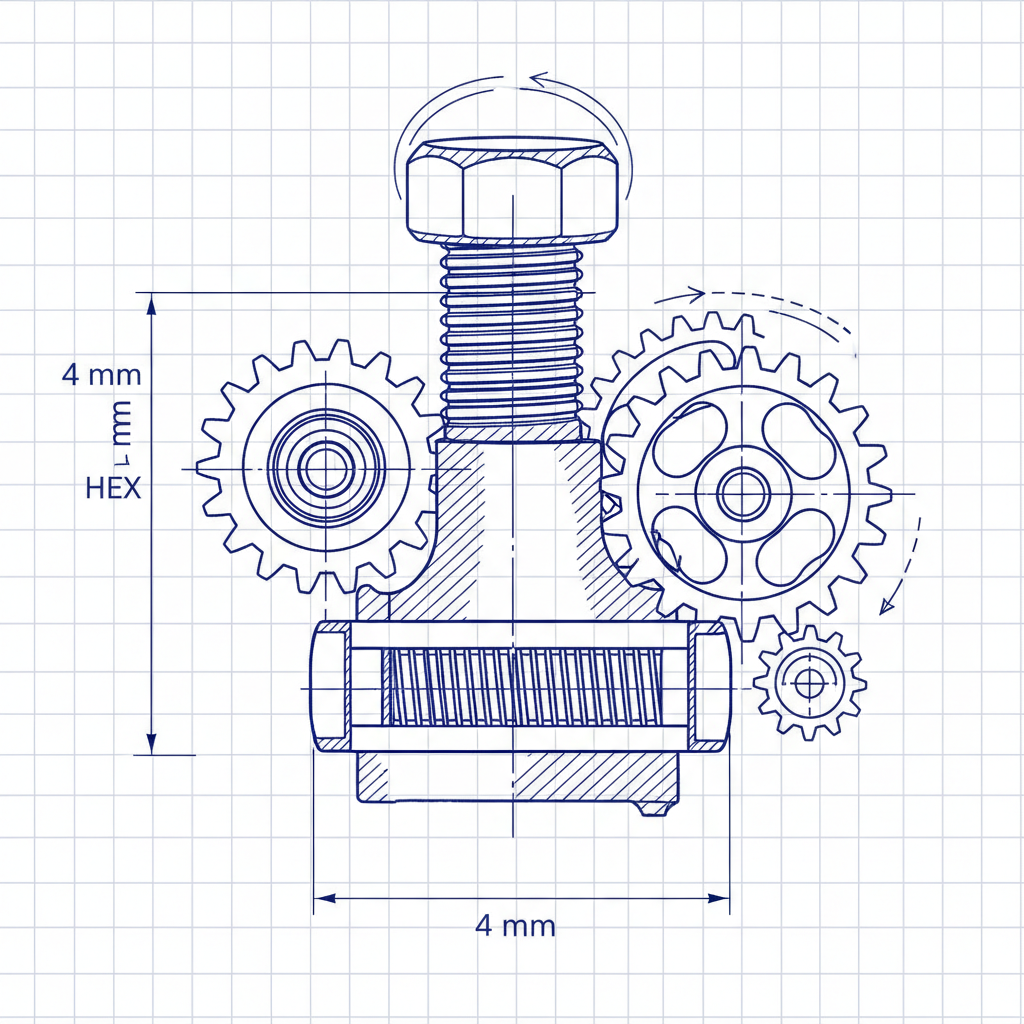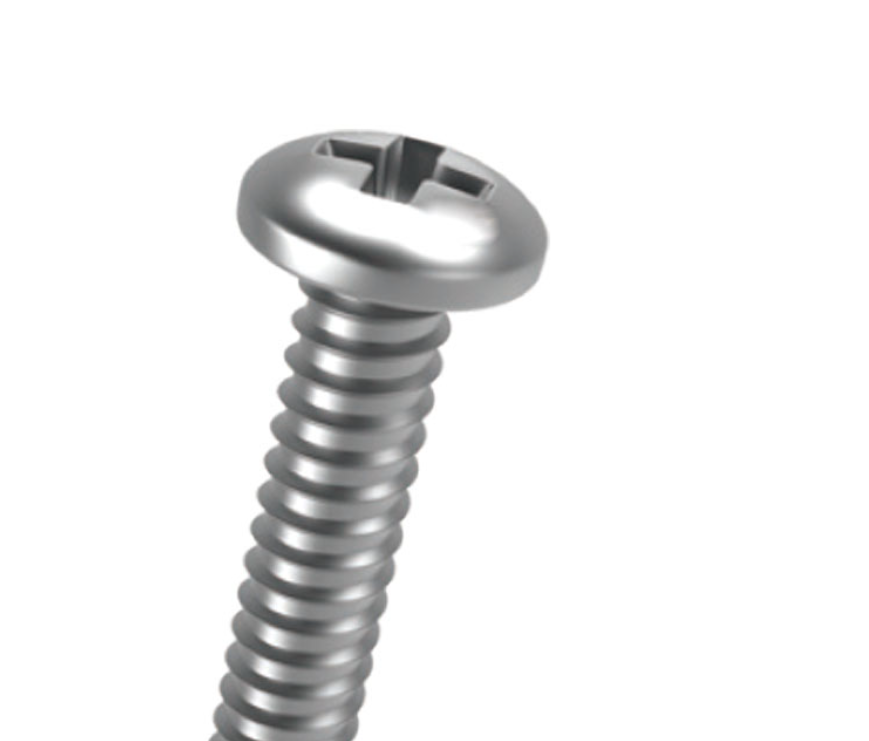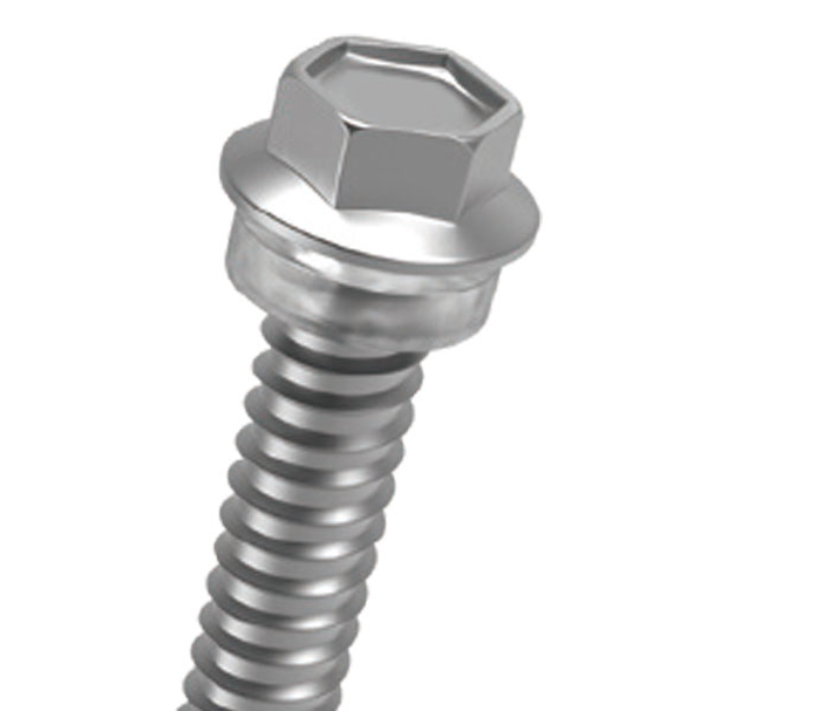
Continuous Threaded Stud: The Unsung Backbone of Global Engineering
The Worldwide Role of the Continuous Threaded Stud: Why It’s More Important Than You Might Think
If you’ve ever wondered about those seemingly simple fasteners that hold complex structures together, the continuous threaded stud is undoubtedly one unsung hero. These sleek, rod-like components, threaded from end to end, might not grab headlines like bridges or skyscrapers, but they quietly embody the backbone of countless industries worldwide.
From the far-flung factories in Southeast Asia to remote construction projects in Africa, the ability to rely on a continuous threaded stud means structures get assembled faster, safer, and more reliably. That’s not just good for engineers—it’s essential for humanitarian relief, infrastructure growth, and sustainable development globally.
In short, understanding these studs can help unlock smarter, sturdier, and more cost-effective engineering everywhere.
Why Continuous Threaded Studs Matter Globally
According to the International Organization for Standardization (ISO), fasteners like threaded studs account for a significant portion of mechanical equipment reliability worldwide. The World Bank states infrastructure investments topped $3.9 trillion in 2023 alone, with mounting pressure on materials that must be both durable and flexible. That’s where continuous threaded studs come in.
Often, engineers face challenges linking materials when environmental stresses run high—think coastal bridges buffeted by salt spray or disaster zones requiring quick but secure repairs. The continuous threaded stud's unique design addresses many such issues by offering seamless securement along its entire length.
What Exactly Is a Continuous Threaded Stud?
Simply put: it’s a metal rod that’s threaded (screw-like grooves) continuously from one end to the other. Unlike a traditional bolt, which has a head on one end, these studs are headless and designed to accept nuts and other fasteners on either side.
This feature makes them incredibly versatile for joining components of varying thicknesses or adjusting assembly lengths on the fly. Industrial sectors, from automotive to construction, use them extensively because they offer a neat solution for modular builds and heavy-duty applications alike.
Interestingly, beyond industry, these studs help in humanitarian engineering. In rebuilding efforts post-natural disasters, their ease of installation and adaptability can speed up shelter construction where time and manpower are scarce.
Core Components That Define Their Performance
Durability
Commonly manufactured from stainless steel, carbon steel, or alloy steel, continuous threaded studs are built to withstand stress, corrosion, and even extreme temperatures. Many variants are coated or treated to prevent rust — crucial for outdoor or marine uses.
Precision Threading
The continuous thread pattern ensures even load distribution along the entire length, reducing weak points typically found at threaded ends of regular bolts. This design is especially handy when fastening delicate machinery parts.
Load-Bearing Capacity
Because both ends accept nuts or coupling components, these studs can handle heavier shear and tensile forces, making them ideal for vital infrastructure like power plants, heavy vehicles, or aviation applications.
Customization
Length and diameter choices abound. Vendors often produce studs tailored to specific project requirements, even supplying exotic materials or grades conforming to international standards such as ASTM or ISO.
Quick Overview: Continuous Threaded Stud Specifications
| Specification | Details |
|---|---|
| Material | Stainless steel (304, 316), carbon steel, alloy steel |
| Thread Pitch | Unified Thread Standard (UTS), Metric, custom |
| Diameter Range | M4 to M30 (metric), 1/8” to 1” (imperial) |
| Lengths | From 25 mm to 1 meter or longer (customizable) |
| Surface Finish | Zinc plating, hot-dip galvanizing, black oxide, passivation |
| Standards Compliance | ASTM A193, ISO 898-1 |
Mini takeaway: Continuous threaded studs are not just “fasteners.” Their material diversity, threading precision, and adaptability reflect a well-thought-out balance between strength and flexibility.
Vendors at a Glance: Comparing Market Leaders
| Vendor | Material Options | Customization | Lead Time | Price Range |
|---|---|---|---|---|
| StudFast Inc. | Carbon steel, stainless steel | Standard sizes only | 2-3 weeks | $$ |
| ThreadPro Solutions | Alloy steels, exotic metals | Fully customizable lengths & finishes | 1-2 weeks | $$$ |
| Global Stud Tech | Stainless steel, galvanized | Limited customization | 3-4 weeks | $ |
Real-World Uses for Continuous Threaded Studs
Engineers love these studs because they’re so versatile. In the oil and gas sector, continuous threaded studs hold complex pipe flanges under extreme pressures. In heavy equipment manufacturing, they enable rapid assembly without sacrificing strength.
On a humanitarian note, NGOs working in post-disaster relief value them for their ability to quickly assemble temporary shelters or medical facilities from modular components that need adaptable anchorage points.
In places like Southeast Asia, where manufacturing hubs rely on scalable assembly lines, continuous threaded studs help streamline production without massive retraining.
Summary: The continuous threaded stud is like a Swiss Army knife for fasteners — equally comfortable under industrial pressures or jumping into disaster response setups.
Why These Fasteners Are Worth Their Weight in Steel
- Cost Efficiency: Longer life and reusable components reduce replacement frequency.
- Sustainability: Stainless options resist corrosion, cutting down environmental waste.
- Reliability: Even threading distributes stress, meaning fewer structural failures.
- Emotional Value: Knowing the structure you rely on is held securely offers peace of mind—a factor often overlooked but crucial in human safety.
Looking Ahead: What’s on the Horizon?
The fastener industry is quietly innovating. New composite materials blending carbon fiber with metals aim to make studs lighter but just as strong. Automation and digital inventory management mean sourcing custom continuous threaded studs could soon be instant—no need to order weeks in advance.
There’s also a green push: low-carbon steel production and more eco-friendly coatings aiming to reduce toxic runoff during corrosion. I found it kind of inspiring — even the most “boring” components get their moment for sustainability.
Common Hurdles and How the Industry Handles Them
Not everything is smooth sailing. Some continuous threaded studs struggle with galling — that annoying thread seizing that engineers dread. Thankfully, specialized lubricants and thread coatings like PTFE help prevent this.
Another limitation? A lack of awareness. Many smaller projects overlook the benefits, opting for traditional bolts instead — sometimes missing out on speed or adaptability. That might just reflect a knowledge gap we’re here to fix.
FAQs: A Quick Chat About Continuous Threaded Studs
Q1: What’s the main advantage of using continuous threaded studs over regular bolts?
A1: Continuous studs provide threading along the entire length, which allows nuts to fasten anywhere on the stud, offering flexibility for variable thicknesses or adjustments. This flexibility is harder to achieve with fixed-length bolts.
Q2: Are continuous threaded studs suitable for outdoor applications?
A2: Absolutely—provided you select corrosion-resistant materials like stainless steel or opt for protective coatings such as hot-dip galvanizing. Many studs are specially treated to withstand harsh weather environments.
Q3: How customizable are continuous threaded studs in terms of length and materials?
A3: Vendors typically offer a wide range of standard sizes and are often open to custom orders, including exotic alloys or specific lengths tailored to your project’s exact demands. Lead times may vary accordingly.
Q4: Can continuous threaded studs be used in fast-paced manufacturing lines?
A4: Definitely. Their simplicity and adaptability make them a favorite in manufacturing and assembly lines where speed and consistency are critical.
Q5: Where can I find reliable sources or suppliers for continuous threaded studs?
A5: Industry-leading suppliers like StudFast Inc., ThreadPro Solutions, and Global Stud Tech are well-known. For more options, including direct purchase, visit platforms such as continuous threaded stud suppliers online.
Wrapping Up: Why Smart Infrastructure Needs Continuous Threaded Studs
So, here’s the deal — using high-quality continuous threaded studs isn’t just an engineering nicety. It’s a strategic decision that reduces failure risks, accelerates assembly, and supports sustainability efforts globally. Whether you’re building a bridge, fixing a factory machine, or assembling disaster response shelters, these studs quietly keep the whole system in check.
For engineers, project managers, or anyone curious, diving deeper into this simple yet powerful fastener can pay off in unexpected ways. Want to explore options and specs further? Visit continuous threaded stud specialists to find your perfect fit.
Thanks for sticking with me through what might have felt like a “fastener deep dive.” It’s odd how often the small stuff really holds the world’s biggest things together...
References:
1. ISO 898-1 Mechanical Properties of Fasteners, ISO Official
2. World Bank Infrastructure Finance Report 2023, World Bank
3. ASTM A193 Standard Specification for Alloy-Steel and Stainless Steel Bolting Materials, ASTM International