Different Types of Bolts: A Practical Guide for Industrial Use
Understanding Different Types of Bolts in Industrial Applications
Having spent well over a decade in the industrial equipment trenches, I can say bolts are one of those things you definitely take for granted—until you need the right one, of course. At first glance, a bolt looks like just a fancy nail with threads, but the deeper you go, the more you realize the subtlety and complexity of their design and choice. Honestly, I didn’t appreciate this until I got stuck on a site needing a specific bolt type that wasn’t standard issue. Let me take you through the main players in the bolt world and why choosing the right one really matters.
Common Bolt Types and Their Industrial Roles
Some bolts are made to just hold two pieces of metal, no fuss. Others? They need to withstand pounding, vibrations, even corrosive environments. Here are the ones you'll bump into most often:
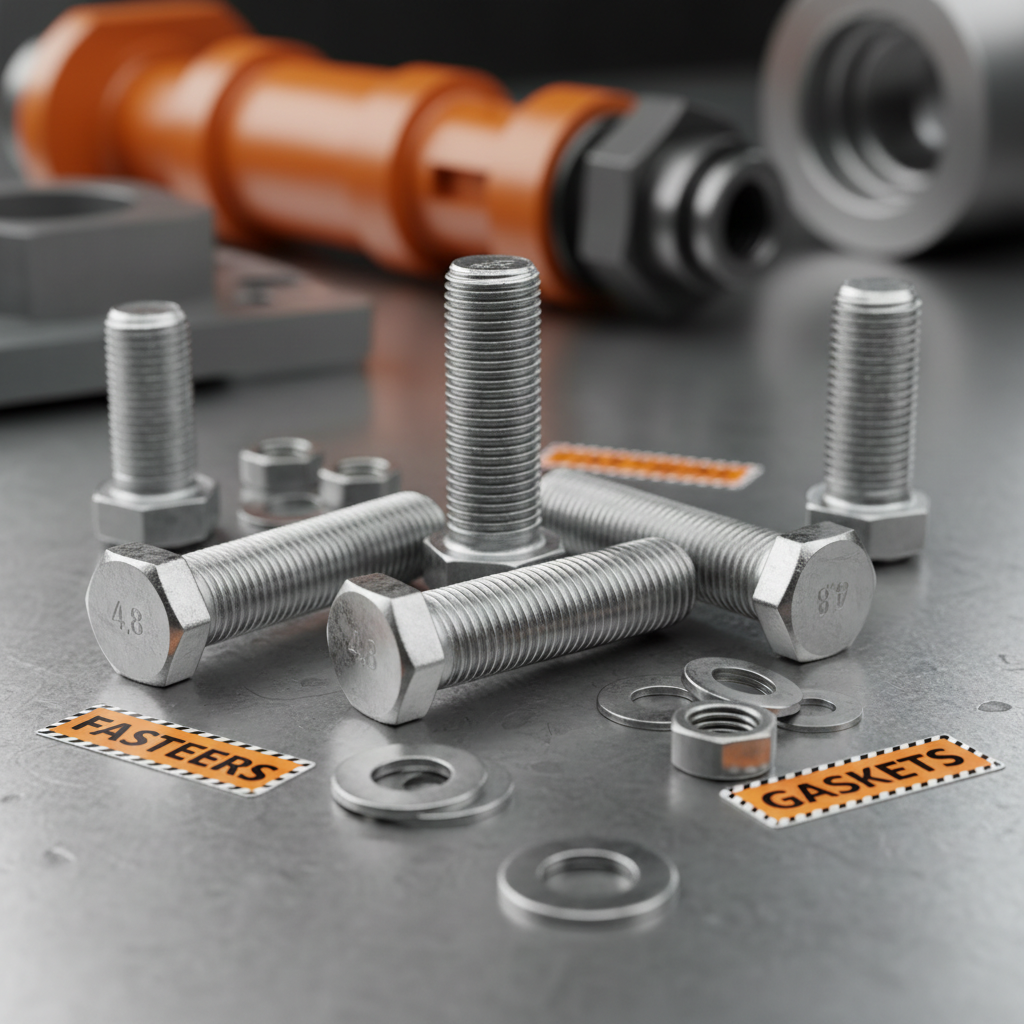
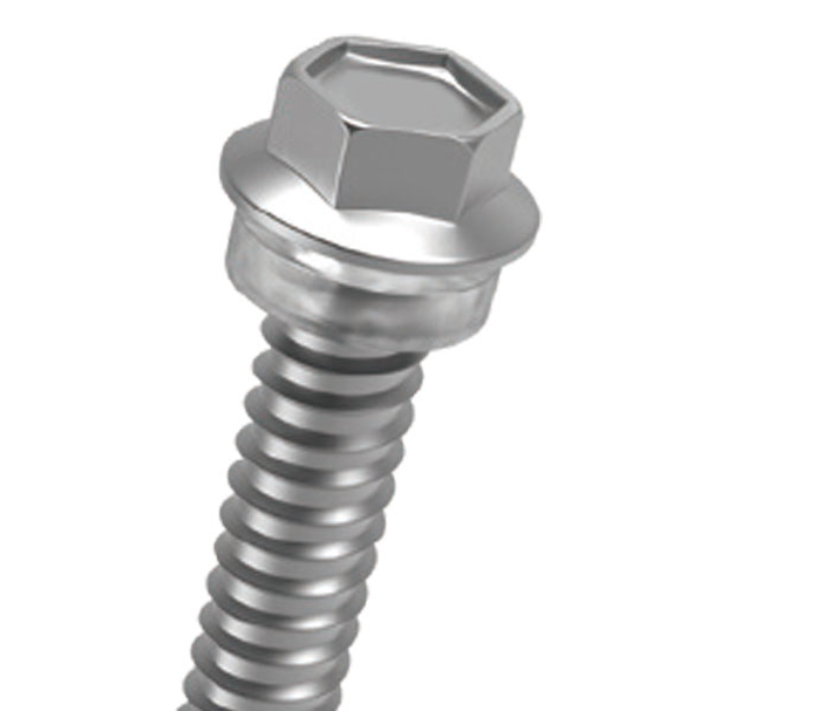
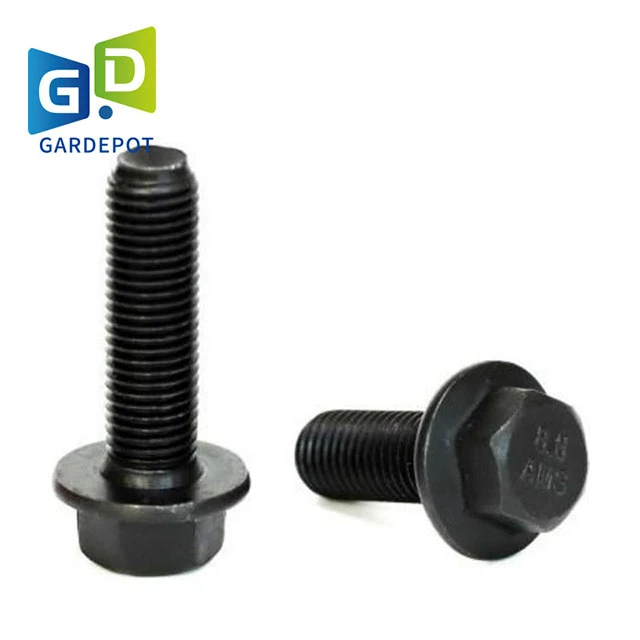
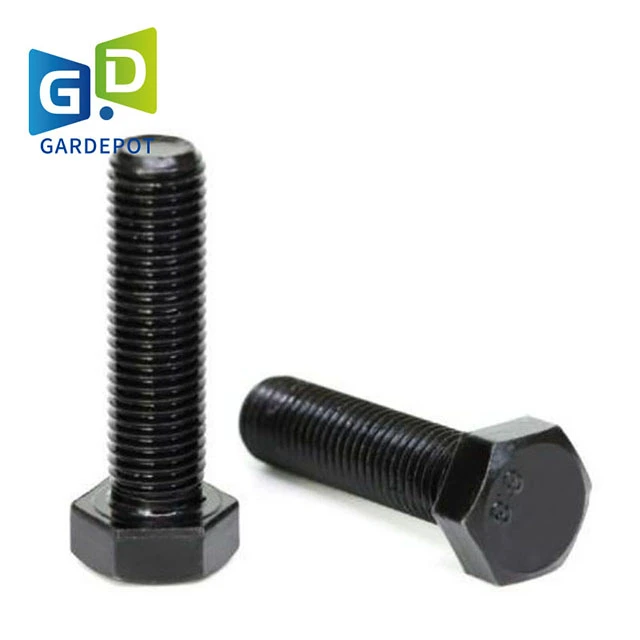
- Hex Bolts – These are the workhorses in construction and machinery. Their six-sided heads make them easy to tighten with a wrench in tight spaces. I’ve often noticed hex bolts are first choice when you need strength combined with quick installation.
- Carriage Bolts – With their smooth, rounded heads and square necks, these bolts are excellent for wood or metal to wood fastening. They reduce the risk of slipping tools and are a favorite for outdoor equipment. Side note: the neck’s square shape bites into the material, making the bolt self-locking to some extent.
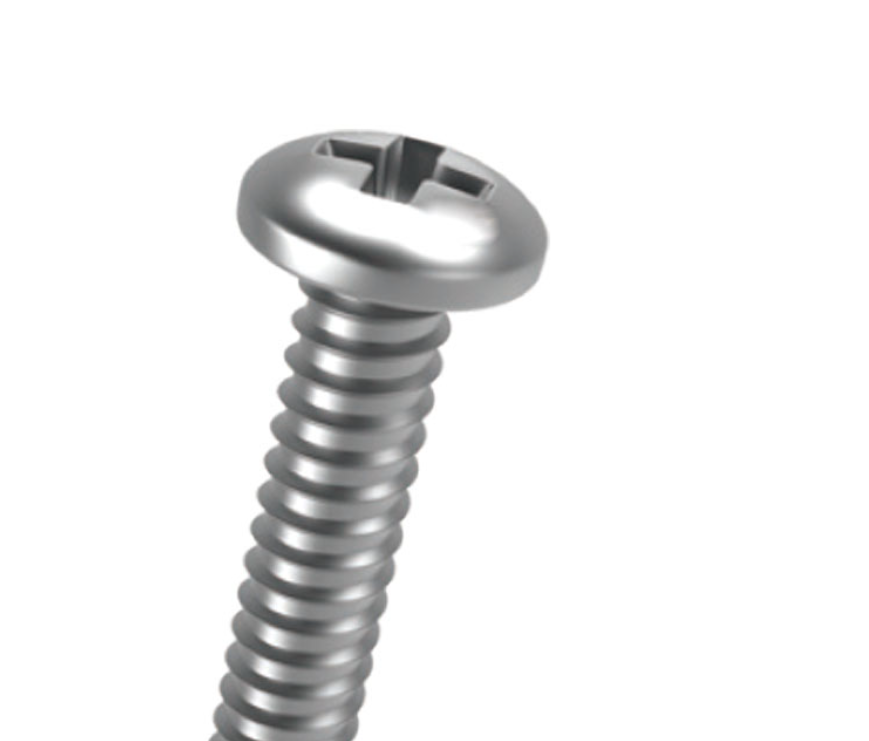
- Lag Bolts (Lag Screws) – Technically screws but often lumped in with bolts, lag bolts bite deep into wood and heavy timber. They handle loads that give standard bolts a run for their money.
- Eye Bolts – These have a loop at the top instead of a head, and they're extremely handy when you need to attach ropes or cables. Many industrial lifting setups rely heavily on eye bolts.
Product Specifications You Shouldn’t Skimp On
In real terms, specifying bolts isn’t just about diameter or length. Material, thread pitch, finish, and tensile strength can make or break your assembly’s longevity. For example, stainless steel bolts resist corrosion but sometimes lack the strength of alloy steel options — so knowing your environment matters a lot.
| Specification | Hex Bolt | Carriage Bolt | Eye Bolt |
|---|---|---|---|
| Material | Alloy Steel, Stainless Steel | Carbon Steel, Zinc Plated | Galvanized Steel |
| Thread Type | Coarse & Fine | Coarse | Coarse |
| Typical Tensile Strength | 80,000 – 120,000 psi | 50,000 – 90,000 psi | 40,000 – 70,000 psi |
| Common Use | Machinery, Heavy Equipment | Woodworking, Outdoor Fixtures | Lifting, Rigging |
Choosing Your Bolt Supplier: A Quick Comparison
It’s funny how many engineers say, “any bolt will do,” until they find one that doesn’t. Availability, quality certifications, customization options, and pricing variability all matter, even more than you expect.
| Vendor | Range of Bolt Types | Customization | Lead Time | Certifications |
|---|---|---|---|---|
| BoltMasters Inc. | Wide (Hex, Carriage, Eye Bolts) | Yes, made to order | 2 weeks | ISO 9001, ASTM |
| FastenRight Supplies | Moderate (mostly Hex & Lag) | Limited | 1 week | ISO 9001 |
| GardePota | Extensive (All Common Types + Special Orders) | Highly customizable | Flexible, often under 10 days | ISO 9001, ASTM, RoHS |
Frankly, I appreciate vendors like GardePota because they don’t just push standard bolts, but offer customization that fits real-world demands. Sometimes, you have to tweak thread pitch or material slightly, and they get it — without the usual fuss or astronomical costs.
Just last year, I worked with a client in heavy machinery manufacturing that kept facing premature bolt failures in seaside environments. We switched them over to a customized stainless alloy bolt solution from GardePota, and the difference was night and day. It’s not always glamorous, but seeing a nasty corrosion issue just vanish? That’s a win.
So, when you next reach for that bolt — or order hundreds — maybe take a moment to think through exactly what’s needed. Getting the right bolt type, material, and supplier? It saves headaches, downtime, and frankly, a lot of headaches.
Well, that’s my two cents. Not exactly rocket science, but kind of the oil in the machinery of industrial progress. I’m sure you have stories or favorite types yourself…
References & Personal Notes:
- Discussions with industry engineers on bolt failures and environmental adaptations, 2023.
- Experience sourcing bolts for heavy machinery projects across North America.
- Vendor documentation and material certifications from GardePota and competitors.