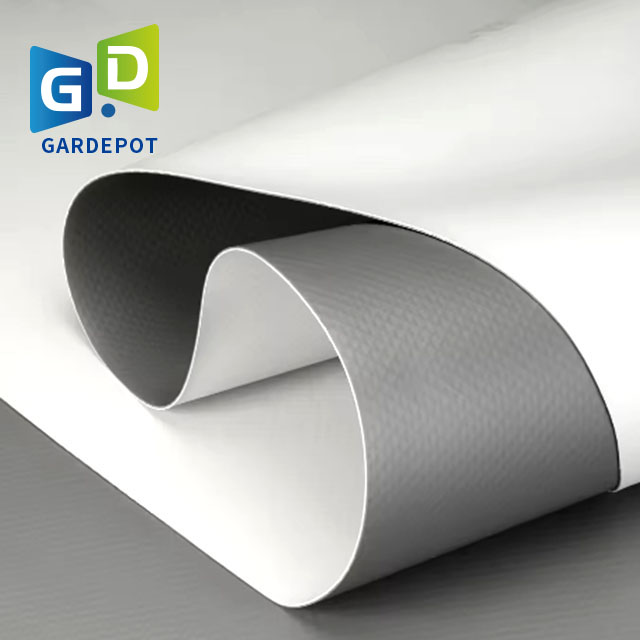
Industry Trends and Market Dynamics for High-Performance Sealants
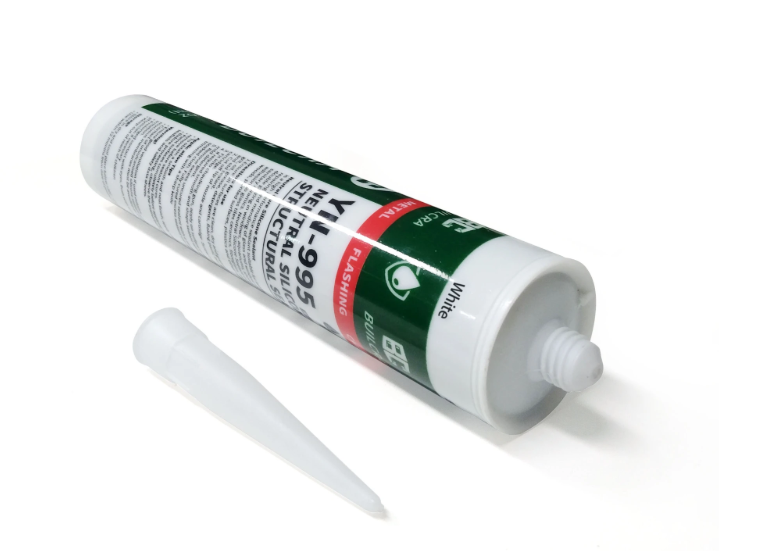
The global market for industrial sealants is experiencing robust growth, driven by increasing demands across construction, infrastructure, automotive, and renewable energy sectors. A key segment within this dynamic landscape is the application of specialized coatings, particularly white sealant paint. This product category is seeing heightened adoption due to its multifaceted benefits, including superior waterproofing, thermal reflectivity, and enhanced aesthetic appeal. The drive towards sustainable building practices and energy efficiency is a significant accelerator, with white reflective coatings demonstrably reducing cooling loads in buildings.
Industry reports indicate a compounded annual growth rate (CAGR) of over 5% for the global sealants market, projecting it to reach upwards of $15 billion by 2027. This growth is largely fueled by escalating infrastructure development projects in emerging economies and the refurbishment of aging infrastructure in developed nations. Furthermore, the emphasis on robust environmental protection and longevity in industrial assets necessitates advanced sealing solutions. Demand for white sealant paint is particularly strong in regions prone to high solar radiation, where its high albedo properties offer substantial energy savings.
Innovations in polymer chemistry are continuously improving product performance, leading to more durable and versatile solutions. The evolution of external sealant white formulations, for instance, now includes advanced acrylic, silicone, and polyurethane hybrids that offer superior elasticity, UV resistance, and adhesion to diverse substrates. This technological progression is critical for applications demanding long-term performance under harsh environmental conditions, providing reliable protection against moisture ingress and material degradation.
Manufacturing Process of High-Performance White Sealant Paint
The production of white sealant paint involves a meticulously controlled multi-stage process, ensuring consistent quality and optimal performance characteristics. This process integrates advanced material science with precision manufacturing techniques to yield a product capable of meeting stringent industrial demands.
Process Flow Schematic:
- Raw Material Procurement & Pre-treatment: Selection of high-grade polymers (e.g., acrylic resins, silicone emulsions, polyurethane prepolymers), pigments (titanium dioxide for whiteness and UV stability), fillers (calcium carbonate, silica), rheology modifiers, and performance additives (biocides, defoamers). Materials undergo stringent quality checks to meet specifications (e.g., ASTM E1157 for pigment purity).
- Dispersion & Grinding: Primary pigments and fillers are dispersed into a portion of the polymer resin using high-speed dissolvers. This process breaks down agglomerates and ensures homogeneous distribution. For fine particle sizes, bead mills or sand mills are utilized, operating under controlled temperatures to achieve optimal particle fineness (typically measured by Hegman gauge to ensure smooth application and film formation).
- Let-Down & Mixing: The dispersed pigment paste is transferred to a larger mixing vessel. The remaining polymer resins, solvents (if applicable, low-VOC formulations are preferred), and various performance additives are gradually incorporated. High-shear mixing continues to ensure complete homogenization and proper viscosity development. This stage is critical for achieving the desired thixotropic properties.
- Quality Control & Adjustment: Samples are taken for comprehensive quality control testing. This includes viscosity, density, pH, solids content, cure time, adhesion strength (e.g., ASTM D4541), elongation, tensile strength (e.g., ISO 527), and colorimetry. Adjustments are made to ensure the batch conforms to all technical specifications and industry standards like ISO 9001 for quality management.
- Filtration & Packaging: The finished sealant is filtered through fine mesh screens or bag filters to remove any remaining impurities or undissolved particles, ensuring a smooth, defect-free product. It is then filled into appropriate container111s (cans, pails, drums) under automated conditions, sealed, and prepared for distribution.
This meticulous process ensures that our products deliver exceptional performance, offering a service life exceeding 15-20 years under typical conditions. They are extensively used in target industries such as petrochemical, metallurgy, water supply & drainage, and general construction, demonstrating significant advantages in energy saving through superior solar reflectivity and robust corrosion resistance for critical infrastructure.
Technical Specifications and Performance Metrics
Understanding the technical specifications of white sealant paint is crucial for engineers and procurement specialists to ensure optimal product selection for demanding industrial and commercial applications. Below is a detailed table outlining typical parameters for high-performance industrial-grade white sealants, often designed to function as an external sealant white coating.
| Parameter | Test Method/Standard | Typical Value | Description/Benefit |
|---|---|---|---|
| Tensile Strength | ASTM D412 | ≥ 1.5 MPa (218 psi) | Resistance to pulling forces, crucial for joint movement. |
| Elongation at Break | ASTM D412 | ≥ 300% | Ability to stretch without breaking, accommodating substrate movement. |
| Adhesion Strength | ASTM D4541 | ≥ 1.0 MPa (145 psi) on concrete | Strong bond to various substrates (concrete, metal, wood). |
| Shore A Hardness | ASTM D2240 | 35-50 | Indication of material resistance to indentation. |
| Solar Reflectance Index (SRI) | ASTM E1980 | ≥ 90 | Measure of surface's ability to reject solar heat, reducing cooling costs. |
| VOC Content | EPA Method 24 | < 50 g/L | Environmentally friendly, meets stringent air quality standards. |
| Service Temperature Range | Manufacturer Specific | -40°C to +80°C (-40°F to +176°F) | Performance stability across extreme thermal cycles. |
| Curing Mechanism | Humidity/Air Dry | Moisture-cure / Evaporation | Reliable and predictable hardening process. |
These parameters highlight the robust engineering behind modern sealants. For specialized applications requiring extreme flexibility or chemical resistance, a white rubber sealant variant might be specified, offering enhanced elasticity and resilience against aggressive chemicals, often based on advanced silicone or modified polyurethane chemistries. Our commitment to rigorous testing and adherence to international standards ensures that our products consistently meet or exceed these critical performance benchmarks.
Application Scenarios and Technical Advantages
The versatility of high-performance white sealants makes them an indispensable component in a wide array of industrial and commercial applications. Their inherent properties provide significant technical advantages, contributing to enhanced structural integrity, operational efficiency, and extended asset life.
Primary Application Scenarios:
- Roof Waterproofing and Restoration: High-performance white elastomeric coatings are widely used on commercial and industrial low-slope roofs. They form a seamless, highly reflective membrane that waterproofs, protects against UV degradation, and significantly reduces roof surface temperatures, contributing to lower building cooling costs. This makes it a prime candidate for a robust waterproof white sealant solution.
- Facade and Wall Sealing: As an external sealant white, it's applied to exterior walls and building facades to prevent moisture intrusion, seal hairline cracks, and provide a durable, weather-resistant finish. Its aesthetic appeal also contributes to the clean, modern look of structures.
- Expansion and Construction Joint Sealing: In concrete structures, bridges, and highways, white sealants effectively seal expansion and control joints, accommodating thermal expansion and contraction while preventing water and debris ingress. Formulations with high elasticity are crucial here.
- Industrial Equipment Protection: Applied to tanks, pipelines, and machinery, it provides a protective barrier against corrosion, chemical exposure, and abrasion, prolonging the lifespan of critical assets in harsh industrial environments.
- Marine and Coastal Applications: Due to its exceptional resistance to saltwater and UV radiation, specialized formulations are used for sealing and protecting marine structures, vessels, and coastal facilities.
Key Technical Advantages:
- Superior Weatherability and UV Stability: High-quality white pigments (e.g., Titanium Dioxide) provide excellent UV reflectivity and resistance to chalking, fading, and degradation from solar exposure, ensuring long-term performance and appearance retention.
- Thermal Reflectivity and Energy Efficiency: The high solar reflectance of white surfaces significantly reduces heat absorption, lowering ambient temperatures in coated structures. This translates into considerable energy savings by decreasing air conditioning loads, often yielding paybacks in a few years.
- Exceptional Adhesion and Elasticity: Formulated for strong adhesion to a variety of substrates, these sealants maintain integrity even with substrate movement. High elasticity allows them to bridge cracks and accommodate thermal expansion/contraction without cracking.
- Chemical and Corrosion Resistance: Specialized polymer blends offer robust resistance to a range of industrial chemicals, mild acids, alkalis, and pollutants, protecting underlying surfaces from corrosive elements.
- Durability and Long Service Life: Engineered for industrial environments, these sealants provide a resilient, long-lasting protective layer, minimizing maintenance cycles and associated costs over decades.
Vendor Comparison and Customized Solutions
Selecting the appropriate sealant for a specific project requires careful consideration of product characteristics, supplier capabilities, and long-term value. While many general-purpose sealants exist, industrial applications often demand specialized formulations and robust vendor support, such as for an effective waterproof white sealant.
| Feature | Acrylic (Elastomeric) | Silicone (High-Performance) | Polyurethane (Industrial Grade) |
|---|---|---|---|
| Primary Application | Roof coatings, general exterior walls | Roofing, expansion joints, high-movement areas, specific industrial equipment | Heavy-duty roofing, trafficable decks, chemical resistance, marine |
| Elongation at Break | 150-300% | 300-600% | 300-500% |
| UV Resistance | Good | Excellent | Very Good |
| Chemical Resistance | Fair to Good | Good | Excellent |
| Service Life (Years) | 10-15 | 15-25+ | 15-20+ |
| Cost Index (Relative) | $ | $$$ | $$ |
Customized Solutions:
Recognizing that off-the-shelf products may not always meet the unique challenges of every industrial environment, we specialize in providing customized white sealant solutions. Our R&D team works closely with clients to develop formulations tailored to specific project requirements.
- Viscosity and Rheology Modification: Adjusting the flow properties for specialized application methods, such as high-pressure spray systems for large areas or specific brush/trowel applications for intricate details.
- Enhanced Chemical Resistance: Integrating specialized polymers and additives to withstand specific corrosive agents prevalent in a client's operating environment (e.g., highly acidic or alkaline conditions).
- Accelerated or Retarded Cure Times: Modifying cure kinetics to suit project timelines, climate conditions, or subsequent coating application requirements.
- Specific Substrate Adhesion: Developing primer-less adhesion to challenging substrates or enhancing adhesion to aged or previously coated surfaces.
- Low-Temperature Flexibility: For installations in arctic or extremely cold climates, we can formulate sealants that maintain elasticity and prevent embrittlement at sub-zero temperatures.
Our approach emphasizes a consultative partnership, where client needs are thoroughly analyzed, and solutions are engineered to deliver measurable performance improvements and long-term cost efficiencies.
Application Case Studies: Proven Performance in Diverse Environments
The efficacy of our high-performance white sealants is best demonstrated through real-world applications where their properties have delivered tangible benefits to our clients. These case studies underscore our commitment to delivering reliable, high-performance solutions.
Case Study 1: Large-Scale Industrial Roof Restoration
Client: Major Logistics Hub, Southern USA
Challenge: An expansive 500,000 sq ft logistics facility was experiencing significant heat gain through its black asphalt roof, leading to high cooling costs and occupant discomfort. The existing roof membrane was aging, showing minor cracks and surface degradation.
Solution: We recommended and supplied our premium elastomeric white sealant system. The application involved thorough cleaning and priming of the existing surface, followed by two coats of our high-solids, high-SRI white coating. The product was chosen for its exceptional solar reflectivity and waterproofing capabilities.
Results: Post-application, surface temperatures on the roof were reduced by an average of 35°F (19°C) during peak summer months. This directly led to a documented 18% reduction in annual HVAC energy consumption for the facility. The seamless, flexible membrane also provided superior waterproofing, eliminating previous leak issues. The client reported, "The reduction in our energy bills was immediate and substantial. Our staff also noted a noticeable improvement in indoor comfort." The projected service life of the roof system was extended by over 15 years.
Case Study 2: Wastewater Treatment Plant Tank Protection
Client: Municipal Wastewater Treatment Facility, Northern Europe
Challenge: Concrete sedimentation tanks were subject to continuous moisture exposure, chemical attack from treated water, and freeze-thaw cycles, leading to concrete degradation and leakage. The client required a durable, chemical-resistant, and waterproof white sealant solution.
Solution: A specialized two-component white rubber sealant based on modified polyurethane was applied to the interior and exterior surfaces of the tanks. This formulation offered enhanced chemical resistance, superior adhesion to concrete, and high flexibility to accommodate structural movement.
Results: The sealant formed an impenetrable barrier, effectively stopping all leaks and protecting the concrete from further chemical erosion. The white finish also provided a cleaner, more sterile appearance, facilitating easier inspection. After three years, the coating showed no signs of degradation, even under constant immersion and chemical exposure. "Our operational integrity has vastly improved, and the ease of maintenance is a major bonus," commented the facility manager.
Commitment to : Expertise, Authority, and Trust
Authoritativeness and Certifications
Our position as a leader in specialized sealant solutions is built on over two decades of dedicated research, development, and application experience. We adhere to the highest international standards, ensuring that every batch of our industrial sealants meets stringent quality and performance criteria.
- ISO 9001:2015 Certified: Our manufacturing processes and quality management systems are certified to ISO 9001, guaranteeing consistency and continuous improvement.
- ASTM & ANSI Compliance: All products are rigorously tested to relevant ASTM (American Society for Testing and Materials) and ANSI (American National Standards Institute) standards for performance, durability, and safety.
- Environmental Certifications: Our low-VOC formulations comply with environmental regulations, including LEED (Leadership in Energy and Environmental Design) requirements, promoting sustainable building practices.
- Strategic Partnerships: We collaborate with leading architectural and engineering firms, as well as major industrial contractors globally, to ensure our solutions are at the forefront of industry needs.
Trustworthiness: FAQ, Logistics, Warranty, and Support
Frequently Asked Questions (FAQ)
A: Depending on the specific formulation and application conditions, our industrial-grade white sealants are designed for a service life of 15 to 25+ years, often exceeding typical warranty periods due to their robust chemistry and superior weatherability.
A: In many cases, yes. Proper surface preparation, including cleaning and potentially light abrasion or priming, is essential. Our technical support team can provide specific recommendations based on the existing substrate and coating type.
A: The high solar reflectance index (SRI) of white sealants significantly reduces the urban heat island effect and lowers indoor temperatures, leading to substantial energy savings from reduced HVAC loads. Our low-VOC formulations also contribute to improved indoor air quality and reduced environmental impact.
Lead Time and Fulfillment
We maintain efficient production schedules and robust supply chain logistics to ensure timely delivery. Standard products typically have a lead time of 7-14 business days, while customized solutions or large volume orders may require 3-5 weeks for production and shipping, depending on complexity and material availability. Our global distribution network ensures reliable fulfillment worldwide.
Warranty Commitments
All our industrial white sealant products are backed by a comprehensive limited warranty against manufacturing defects and material failures when applied according to our specifications. Standard warranties range from 5 to 10 years, with extended warranty options available for specific project types and certified installations. Detailed warranty information is provided with each product.
Customer Support and Technical Assistance
Our dedicated team of technical experts and customer support specialists is available to assist with product selection, application guidance, troubleshooting, and post-sales support. We offer:
- On-site technical consultations for complex projects.
- Detailed product data sheets, safety data sheets (SDS), and application guides.
- Training programs for applicators and project managers.
- Responsive support via phone, email, and online channels.
Conclusion and Authoritative References
The deployment of high-performance white sealants represents a strategic investment in the longevity, energy efficiency, and operational resilience of industrial and commercial assets. Our comprehensive range of products, coupled with unparalleled technical expertise and commitment to customer satisfaction, positions us as a trusted partner for even the most demanding sealing and coating challenges. By leveraging advanced material science and rigorous quality control, we deliver solutions that consistently exceed industry expectations, ensuring sustainable performance and superior return on investment.
References:
- ASTM International. "Standard Test Methods for Vulcanized Rubber and Thermoplastic Elastomers—Tension." ASTM D412.
- ISO 9001:2015. "Quality management systems — Requirements." International Organization for Standardization.
- United States Environmental Protection Agency (EPA). "Method 24—Determination of volatile matter content, water content, density, volume solids, and weight solids of surface coatings."
- Cool Roof Rating Council (CRRC). "CRRC Product Rating Program Manual."
- The Adhesive and Sealant Council (ASC). "Sealant Compendium."