Navigating the Landscape of Advanced Fasteners for Industrial Applications
In the demanding world of B2B industrial applications, the choice of fasteners significantly impacts operational integrity, longevity, and safety. Among the myriad options, assorted stainless steel screws stand out as a critical component, offering unparalleled resistance to corrosion, high temperatures, and extreme loads. This comprehensive guide delves into the essential aspects of these indispensable fasteners, from manufacturing precision to their widespread application across various high-stakes sectors.
The global market for industrial fasteners, especially those crafted from high-performance alloys like stainless steel, continues to expand, driven by increasing infrastructure development, manufacturing growth, and stringent safety regulations. Industry trends indicate a strong demand for specialized fasteners that can withstand harsh environments, reduce maintenance downtime, and contribute to overall system efficiency. This includes a growing focus on sustainability, with manufacturers exploring processes that minimize waste and energy consumption while producing fasteners with extended service lives. Innovations in material science, such as duplex and super duplex stainless steels, are further pushing the boundaries of what is achievable in terms of strength and corrosion resistance, directly impacting the performance envelope of products like assorted stainless steel screws and specific types such as stainless steel socket screws, which are highly valued for their robust design and secure fastening capabilities in applications requiring high torque.
The Meticulous Manufacturing Process of Assorted Stainless Steel Screws
Producing high-quality assorted stainless steel screws is a multi-stage process that requires precision engineering and stringent quality control. The process ensures that each fastener meets the rigorous demands of industrial environments, offering optimal performance and longevity.
Process Flow Overview:
-
Material Selection and Preparation:
High-grade stainless steel wire or rods (e.g., AISI 304, 316, 310, 410, Duplex grades) are selected based on the required corrosion resistance, strength, and temperature tolerance. These materials undergo pickling to remove scale and lubrication for subsequent forming processes.
-
Cold Forging (Heading):
The most common method for forming screw heads. Wire is cut to length and fed into a heading machine, where dies and punches cold form the head and sometimes the basic shank shape. This process enhances material strength through work hardening. Key specifications like head type (e.g., hex, socket, pan, flat) and drive (e.g., Phillips, slotted, Torx) are defined here.
-
Thread Rolling:
Unlike cutting, thread rolling forms the threads by plastically deforming the material using dies. This method results in stronger threads with a smoother surface finish and improved fatigue resistance, as the material's grain structure is unbroken. This is crucial for fasteners like 3 4 stainless steel screws and 8 3 4 stainless steel screws where thread integrity under high stress is paramount.
-
CNC Machining (for specific designs):
For complex geometries, specialized heads, or precise dimensions not achievable by cold forging, CNC machining is employed. This method offers extreme precision and surface finish, crucial for custom fasteners or those with unique features.
-
Heat Treatment (as required):
While austenitic stainless steels are generally not hardened by heat treatment, martensitic and precipitation-hardening stainless steels undergo processes like hardening and tempering to achieve desired mechanical properties, such as increased tensile strength and hardness.
-
Surface Treatment and Finishing:
Passivation (chemical treatment to remove free iron and form a protective chromium oxide layer) is standard for all stainless steel fasteners, enhancing corrosion resistance. Other treatments may include polishing, coating (e.g., PTFE, ceramic for added lubricity or specific chemical resistance), or black oxide finishes for aesthetic or anti-galling purposes.
-
Quality Control and Testing:
Each batch undergoes rigorous testing to comply with international standards such as ISO (International Organization for Standardization) and ANSI (American National Standards Institute). This includes dimensional inspection, tensile strength tests, hardness tests, torque tests, salt spray corrosion tests, and material composition analysis (Spectroscopy). This ensures the fasteners meet specified mechanical properties, corrosion resistance, and dimensional tolerances.
-
Packaging and Distribution:
Fasteners are carefully packaged to prevent damage and contamination during transit, often with protective coatings or specialized container111s.
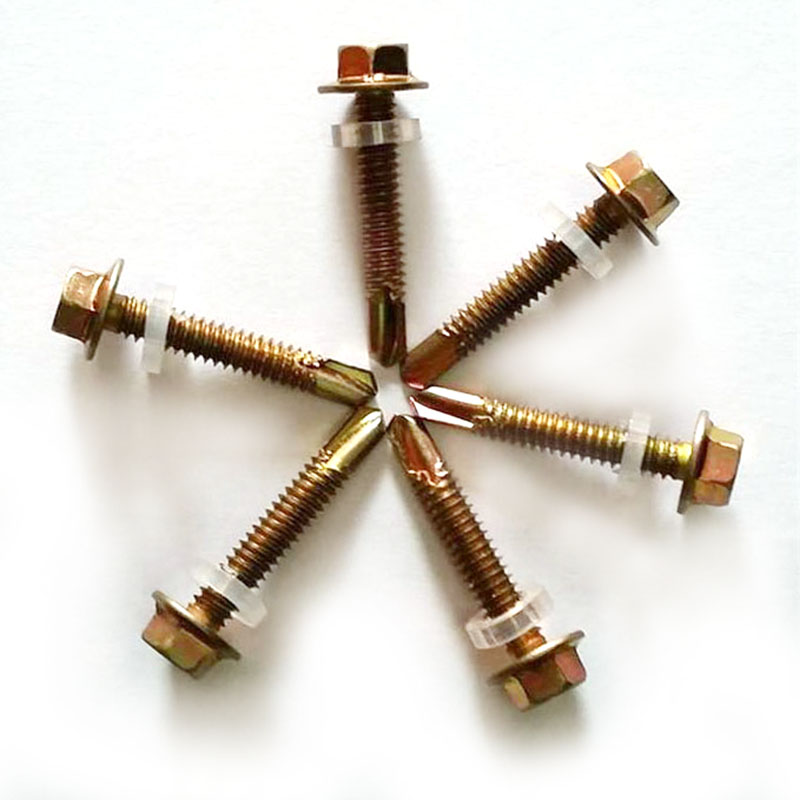
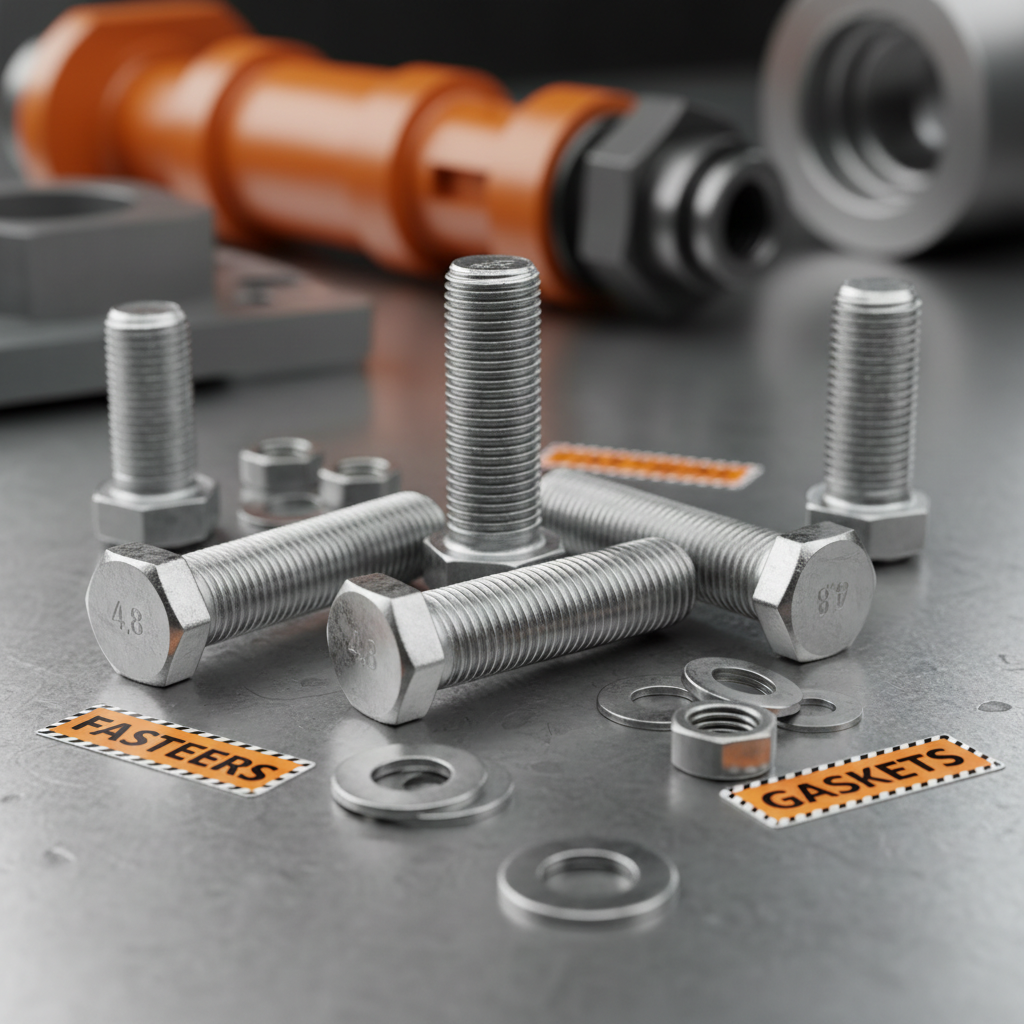
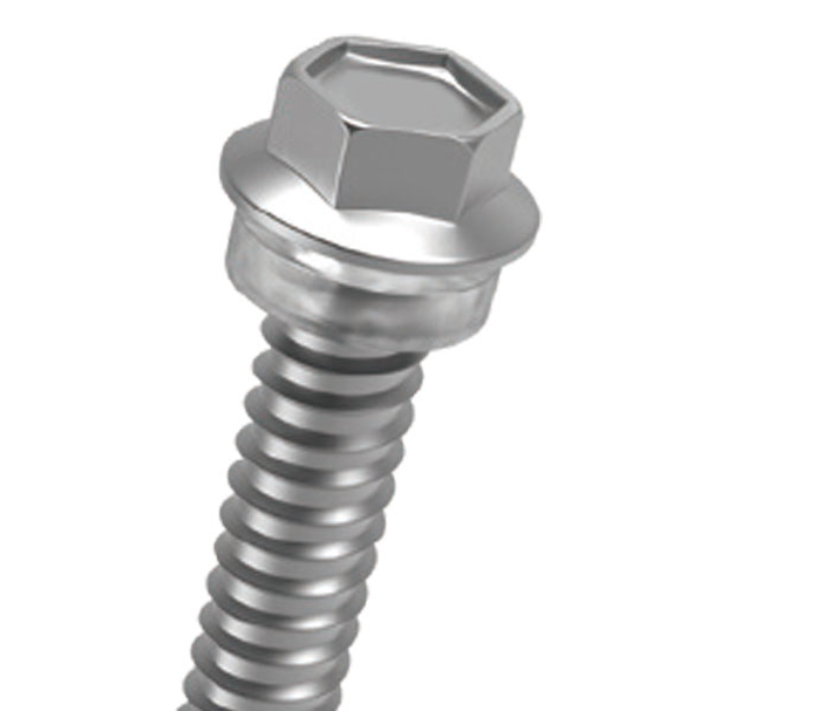
Figure 1: Illustration of a typical stainless steel fastener production line.
Target Industries & Advantages:
These meticulously manufactured fasteners find indispensable roles in a multitude of heavy industries:
- Petrochemical: Extreme corrosion resistance to acids, alkalis, and chlorides, vital for pipelines, valves, and offshore platforms. Service life can extend decades in such environments due to superior material properties.
- Metallurgy: Withstanding high temperatures and abrasive conditions in furnaces, rolling mills, and refining equipment.
- Water Supply & Drainage: Long-term performance in submerged or constantly wet environments, preventing rust and ensuring system integrity in municipal infrastructure.
- Marine: Essential for shipbuilding, dock construction, and offshore wind turbines, resisting saltwater corrosion.
- Renewable Energy: Critical for solar panel mounting structures and wind turbine components, where durability against weather extremes and corrosion is paramount.
The primary advantages across these scenarios include significant energy saving by reducing friction in assembly, superior corrosion resistance leading to minimized maintenance and replacement costs, and enhanced structural integrity under dynamic loads. For instance, in a large-scale chemical processing plant, using 316-grade assorted stainless steel screws can extend the service interval of critical equipment by 2-3 times compared to standard carbon steel fasteners, leading to substantial operational savings and reduced downtime.
Technical Specifications and Performance Parameters
Understanding the technical specifications of assorted stainless steel screws is crucial for engineers and procurement specialists to select the correct fastener for specific load, environment, and material compatibility requirements. These parameters are typically governed by standards like ASTM F593, ISO 3506, and ASME B18.2.1.
Typical Stainless Steel Screw Specifications:
| Parameter | AISI 304 (A2) | AISI 316 (A4) | AISI 410 | Duplex 2205 |
|---|---|---|---|---|
| Yield Strength (min) | 200 MPa (29 ksi) | 200 MPa (29 ksi) | 480 MPa (70 ksi) | 450 MPa (65 ksi) |
| Tensile Strength (min) | 515 MPa (75 ksi) | 515 MPa (75 ksi) | 655 MPa (95 ksi) | 620 MPa (90 ksi) |
| Hardness (Rockwell) | HRB 70-95 | HRB 70-95 | HRC 30-40 | HRC 24-32 |
| Corrosion Resistance | Good (general) | Excellent (marine, chemical) | Moderate (oxidizing) | Superior (chloride pitting) |
| Max Operating Temp | 870°C (1600°F) | 870°C (1600°F) | 400°C (750°F) | 300°C (572°F) |
| Typical Applications | General purpose, food, medical | Marine, chemical processing, offshore | Structural, elevated temps, moderate corrosion | Aggressive chloride environments, oil & gas |
Beyond the material grade, specific dimensions for fasteners like 3 4 stainless steel screws and 8 3 4 stainless steel screws are critical. This includes thread type (e.g., UNC, UNF, Metric Coarse, Metric Fine), thread pitch, nominal diameter, length, and head dimensions. For example, a "3/4" stainless steel screw" typically refers to its nominal diameter, while the length would be specified separately (e.g., 3/4-10 x 2 inches). The "8 3/4" could denote a larger diameter or length in specific industrial contexts, requiring careful verification against engineering drawings.
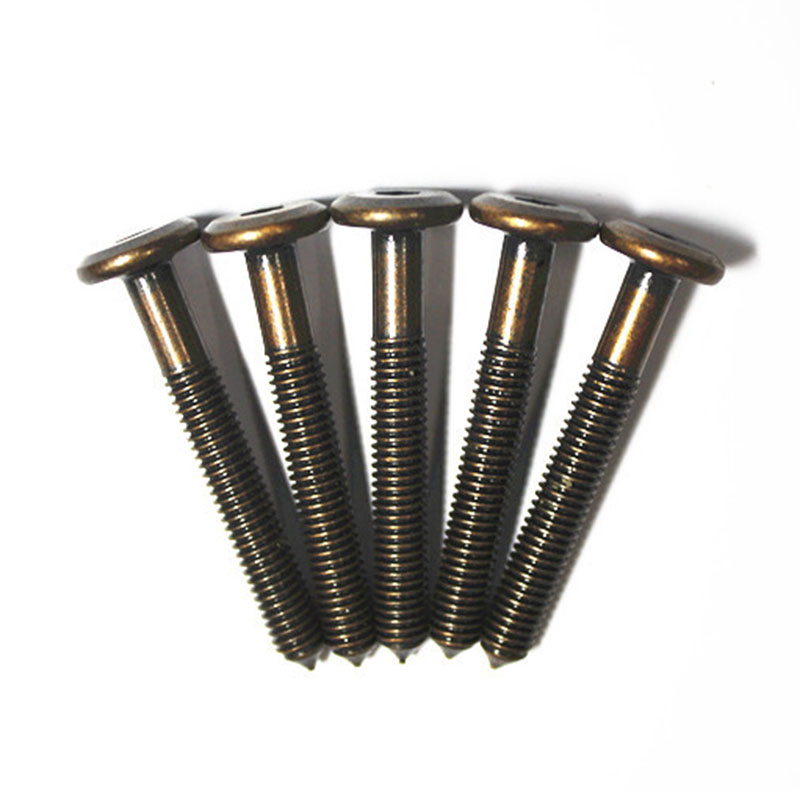
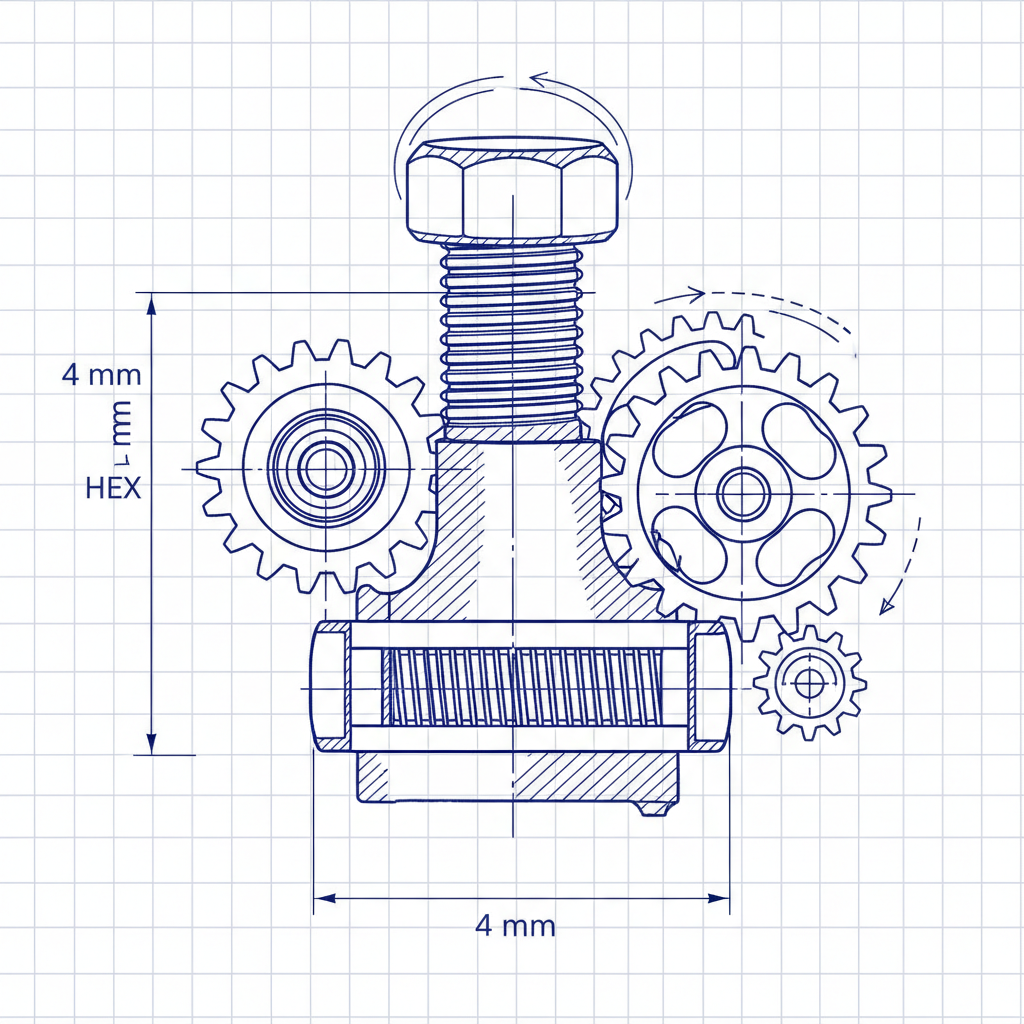
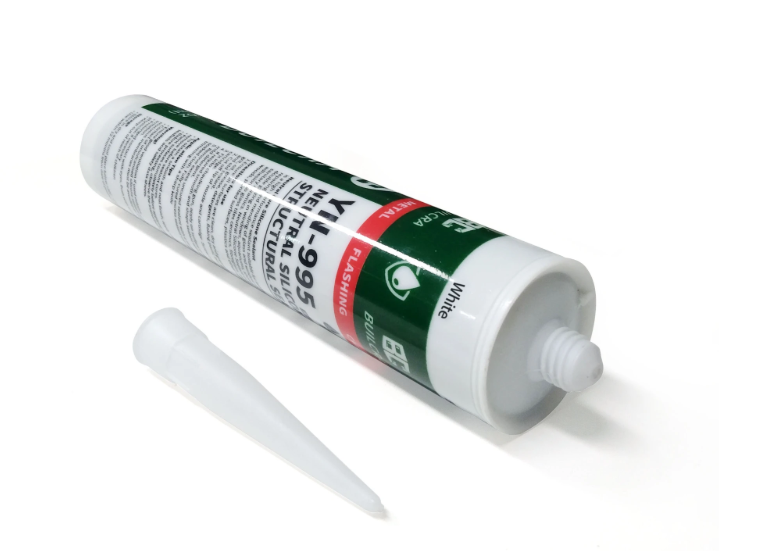
Figure 2: Precision engineering for stainless steel fasteners.
Application Scenarios and Technical Advantages
The versatility of assorted stainless steel screws makes them indispensable across a wide spectrum of demanding industrial applications. Their inherent properties provide significant technical advantages over conventional fasteners.
Key Application Scenarios:
- Chemical Processing Plants: Fasteners in this sector must resist highly corrosive acids, alkalis, and chlorides. Stainless steel grades like 316 and Duplex offer the necessary chemical inertness for pressure vessels, piping, and reactors. For stainless steel socket screws, their internal wrenching allows for compact designs and high torque, crucial in tight chemical manifold configurations.
- Marine and Offshore Structures: Exposure to saltwater, extreme humidity, and UV radiation necessitates materials with exceptional resistance to pitting and crevice corrosion. 316 and super duplex stainless steels are standard for deck fittings, submerged equipment, and structural components of oil rigs and ships.
- Food and Pharmaceutical Equipment: Hygiene and cleanliness are paramount. Stainless steel's smooth, non-porous surface is easy to clean and sterilize, preventing bacterial growth, making it ideal for processing machinery where contamination must be avoided.
- High-Temperature Environments: Furnaces, heat exchangers, and exhaust systems often require fasteners that can maintain mechanical integrity at elevated temperatures. Specific stainless steel alloys, like 310S, exhibit excellent creep resistance and oxidation resistance in such conditions.
- Construction and Infrastructure: Structural applications in bridges, tunnels, and facades benefit from stainless steel's long-term durability and aesthetic appeal, minimizing maintenance in corrosive urban or coastal environments.
Technical Advantages:
- Superior Corrosion Resistance: The primary advantage, stemming from the passivation layer of chromium oxide. This resistance varies by grade, with 316 offering enhanced resistance to chlorides (pitting/crevice corrosion) and Duplex grades providing even higher resistance in aggressive environments. This significantly extends the service life of assembled components.
- High Strength-to-Weight Ratio: Especially true for precipitation-hardening and duplex grades, allowing for lighter designs without compromising structural integrity. This can be critical in aerospace or high-performance automotive applications where weight reduction is a priority.
- Temperature Stability: Stainless steel maintains its mechanical properties across a broad temperature range, from cryogenic conditions to high heat, far better than many other metals, reducing thermal fatigue and failure risk.
- Aesthetic Appeal: The inherent bright, clean finish of stainless steel is often desired in architectural and consumer product applications, where appearance is as important as function.
- Excellent Weldability and Formability: Many stainless steel grades are easily welded and formed, allowing for complex designs and efficient manufacturing processes. This is especially relevant for custom fasteners and integrated structural components.
- Recyclability: Stainless steel is 100% recyclable without degradation, aligning with sustainable industrial practices and contributing to a circular economy.
These intrinsic technical advantages translate directly into reduced lifecycle costs, enhanced safety, and improved operational efficiency for industrial clients. The initial investment in quality assorted stainless steel screws is consistently outweighed by long-term benefits in performance and reliability.
Vendor Comparison and Customized Solutions
Selecting the right vendor for assorted stainless steel screws is as critical as choosing the fastener itself. B2B decision-makers must evaluate vendors not just on price, but on quality, reliability, technical support, and customization capabilities.
Key Vendor Comparison Criteria:
| Criterion | Premium Manufacturer (e.g., Gardepota) | Standard Distributor | Budget Supplier |
|---|---|---|---|
| Product Quality & Consistency | Excellent (ISO 9001, ASTM, traceable materials) | Good (standard compliance, limited traceability) | Variable (may lack certifications) |
| Technical Support & Expertise | Dedicated engineering team, material science expertise | Basic product knowledge, re-seller support | Limited to no technical support |
| Customization Capabilities | Full-spectrum R&D, bespoke designs, unique alloys, specific coatings | Limited stock modifications, basic materials | None, standard off-the-shelf only |
| Lead Times & Fulfillment | Optimized supply chain, flexible production, quick lead times for standard/custom | Standard lead times, reliance on manufacturer stock | Longer, unpredictable lead times |
| Certifications & Compliance | ISO, CE, RoHS, PED, API, NACE, PPAP available | Basic common certifications | Minimal or unverified certifications |
| Post-Sales Support & Warranty | Comprehensive, long-term warranty, dedicated support | Standard limited warranty, basic support | Often none or very limited |
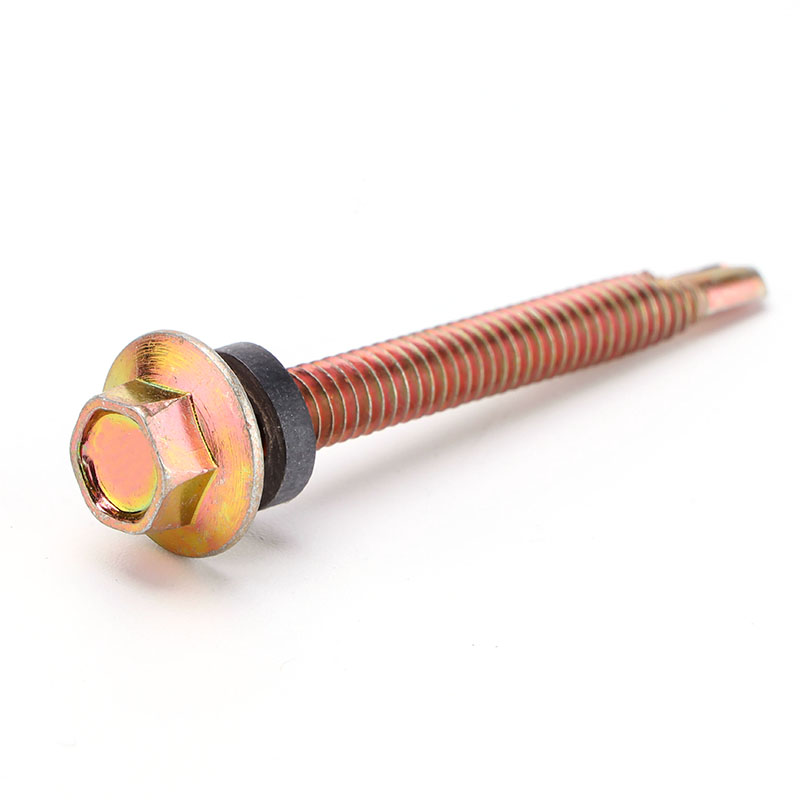
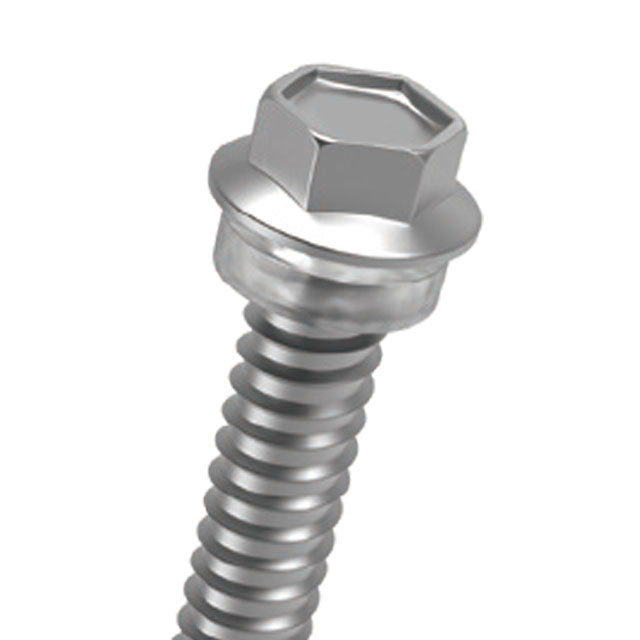
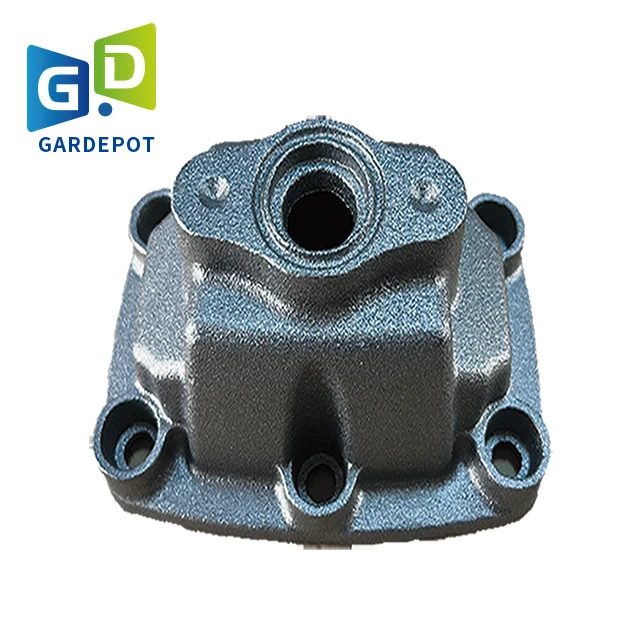
Figure 3: A diverse range of specialized stainless steel fasteners.
Customized Solutions: Tailoring to Unique Demands
Many industrial applications demand more than off-the-shelf fasteners. Customization is often necessary to meet highly specific performance criteria, environmental challenges, or integration requirements. A reputable manufacturer offers a robust customization process that includes:
- Material Specialization: Beyond standard 304/316, custom solutions might involve super duplex stainless steels (e.g., S32750, S32760) for extreme corrosion, or specialized alloys for cryogenics or ultra-high temperature applications.
- Dimensional Modifications: Non-standard diameters (e.g., custom 3 4 stainless steel screws dimensions), lengths, thread forms (e.g., left-hand threads, specialized self-tapping designs), or head geometries (e.g., security heads, low-profile designs).
- Advanced Coatings: Applying specialized coatings such as PTFE (for anti-galling and chemical resistance), Xylan (for corrosion protection and low friction), or ceramic coatings for wear resistance.
- Specific Mechanical Properties: Tailoring heat treatments to achieve precise hardness, tensile strength, or fatigue limits for critical applications.
- Integrated Fastener Solutions: Designing fasteners that integrate washers, seals, or specific locking mechanisms for enhanced performance and simplified assembly.
A vendor with strong R&D capabilities and a collaborative engineering approach can significantly enhance a project's success by providing precisely engineered fasteners that reduce total cost of ownership and mitigate risks. For example, a client requiring fasteners for a deep-sea exploration vehicle would benefit immensely from a custom solution involving super duplex stainless steel with a specialized anti-galling coating, ensuring functionality under immense pressure and extreme corrosive conditions, far exceeding standard product capabilities.
Application Case Studies and Customer Trust
Case Study 1: Offshore Wind Turbine Assembly
A leading renewable energy company required robust fasteners for the critical structural connections of its offshore wind turbines. The challenge involved extreme environmental exposure (saltwater, high winds, sub-zero temperatures) and the need for zero-failure components over a 25-year design life. We provided custom-engineered stainless steel socket screws manufactured from Duplex 2205 stainless steel, featuring a specialized anti-galling coating. Our fasteners passed rigorous EN ISO 898-1 mechanical tests and 1000-hour salt spray tests (ASTM B117), exceeding client expectations. The precision-machined threads and controlled torque ensured optimal tensioning, reducing installation time by 15% and eliminating premature corrosion failures observed with previous suppliers. This partnership has now spanned 7 years, securing their ongoing project needs.
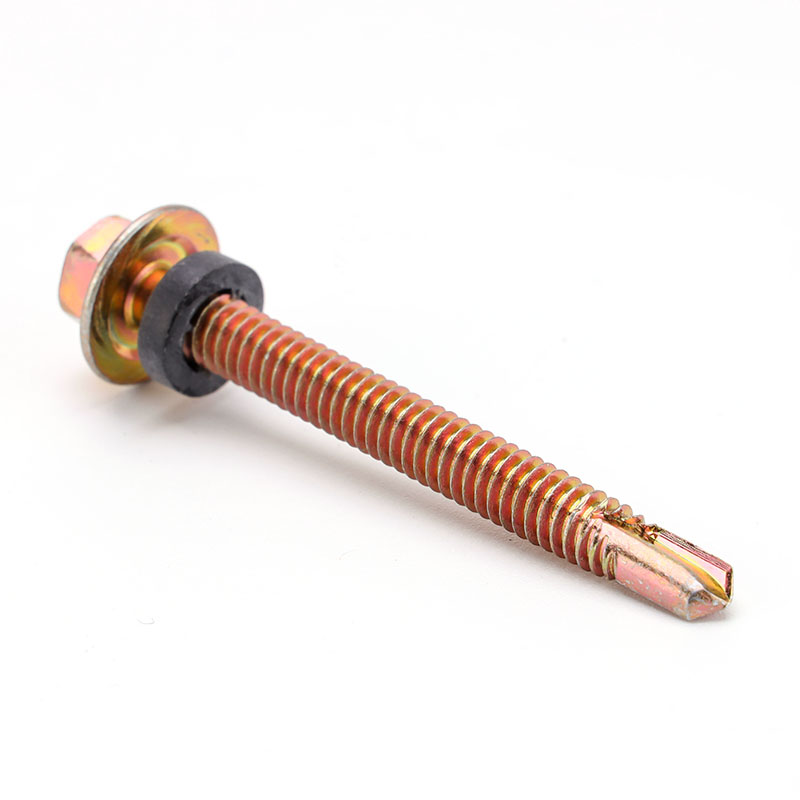
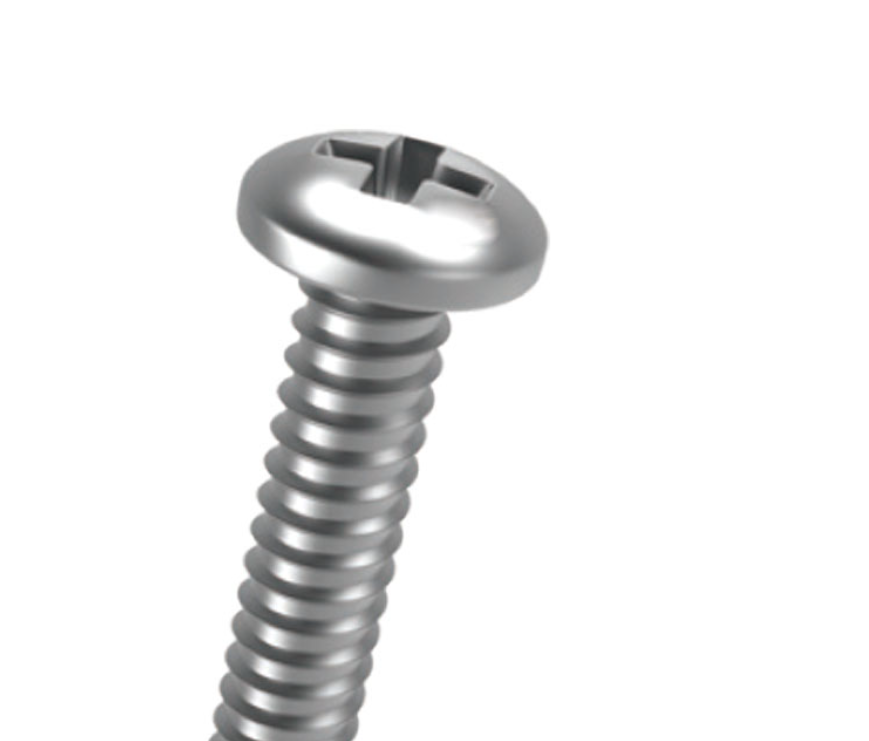
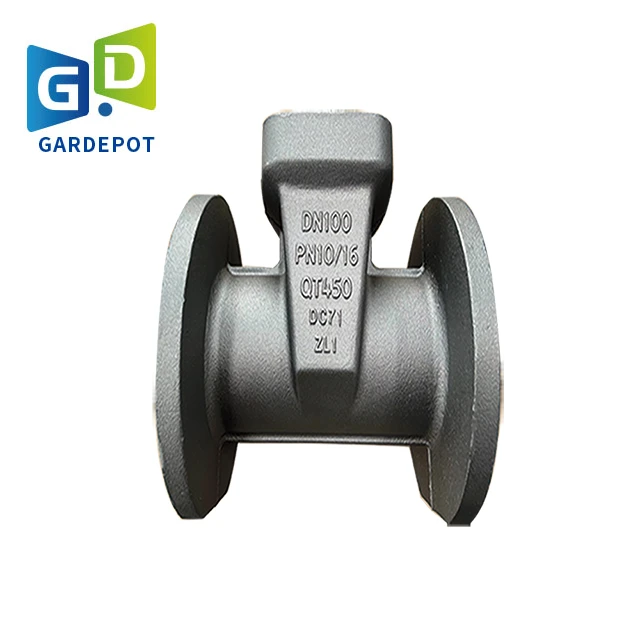
Figure 4: Stainless steel fasteners designed for demanding environments.
Case Study 2: High-Purity Pharmaceutical Production Line
A global pharmaceutical manufacturer faced challenges with standard fasteners in their sterile processing equipment, leading to surface corrosion and potential contamination risks. They needed assorted stainless steel screws that offered ultra-high purity, absolute corrosion resistance, and specific surface finishes. We delivered custom 316L stainless steel fasteners with electropolished surfaces, conforming to FDA and GMP (Good Manufacturing Practice) standards. Each batch was accompanied by material traceability certificates (3.1 certificates) and surface roughness reports. Customer feedback highlighted a significant reduction in cleaning cycle times and zero instances of fastener-related contamination over two years of operation, reinforcing our position as a trusted supplier.
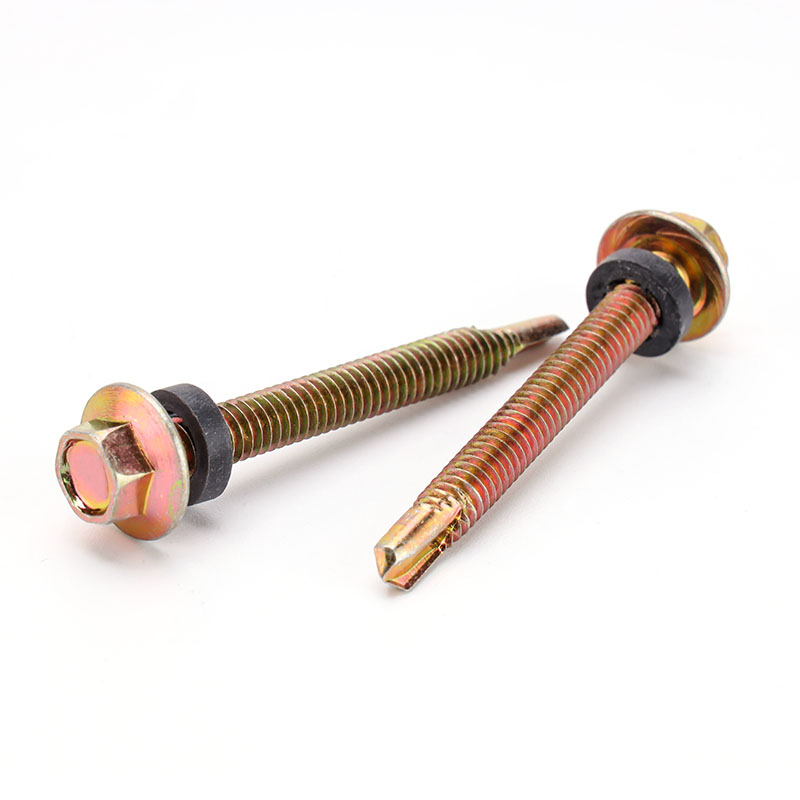
Figure 5: Precision fasteners awaiting quality inspection.
Trustworthiness: FAQ, Lead Times, Warranty, and Support
Frequently Asked Questions (FAQ)
- Q: What is the primary advantage of stainless steel screws over galvanized steel?
- A: Stainless steel offers intrinsic corrosion resistance throughout the material, unlike galvanized steel which relies on a sacrificial zinc coating that can be damaged or wear off. Stainless steel, especially grades like 316, provides superior resistance to a wider range of corrosive agents and environments, including marine applications, without requiring external coatings.
- Q: How do I choose the correct stainless steel grade for my application?
- A: The choice depends on the specific environmental factors (e.g., presence of chlorides, acids, high temperatures), required mechanical strength, and cost considerations. AISI 304 is suitable for general-purpose use; AISI 316 is preferred for marine and chemical environments; 400 series for hardness/strength; and Duplex grades for extreme corrosion and strength. Our technical sales team can provide expert consultation based on your project's unique specifications.
- Q: Can you provide material certifications for your fasteners?
- A: Absolutely. We provide comprehensive material test reports (MTRs) or 3.1 certificates conforming to EN 10204 for all our products, ensuring full traceability from raw material to finished product. Additional certifications like PPAP (Production Part Approval Process) or specific industry standards (e.g., API, NACE) are available upon request.
Lead Time & Fulfillment Details
For standard assorted stainless steel screws, our typical lead time is 2-4 weeks, depending on order volume and stock availability. For customized solutions and specialized materials, lead times can range from 6-12 weeks, as these involve specific material procurement and dedicated production runs. We employ a robust supply chain management system and maintain strategic stock levels to expedite urgent orders. Expedited shipping options are available upon request.
Warranty Commitments
We stand behind the quality of our assorted stainless steel screws with a comprehensive 5-year warranty against manufacturing defects and material failures under normal operating conditions. This warranty covers replacement or repair of any non-conforming products. Our commitment to quality is reinforced by our ISO 9001 certified quality management system, ensuring every fastener meets stringent industry standards before leaving our facility.
Customer Support Information
Our dedicated customer support team and technical engineers are available to assist you from initial inquiry to post-installation support. You can reach us via:
- Email: sales@examplefasteners.com
- Phone: +1 (800) 123-4567 (Mon-Fri, 8 AM - 5 PM EST)
- Online Portal: Secure client portal for order tracking, technical documents, and support tickets.
We are committed to providing exceptional service and ensuring your projects are equipped with the highest quality, most reliable fasteners available.
References
- ISO 3506-1:2009 - Mechanical properties of corrosion-resistant stainless steel fasteners - Part 1: Bolts, screws and studs.
- ASTM F593 - Standard Specification for Stainless Steel Bolts, Hex Cap Screws, and Studs.
- ASM Handbook, Volume 1: Properties and Selection: Irons, Steels, and High-Performance Alloys, ASM International.
- Stainless Steel World - Technical Articles & Industry Insights.
- NACE International (AMPP) - Standards for Corrosion Control.