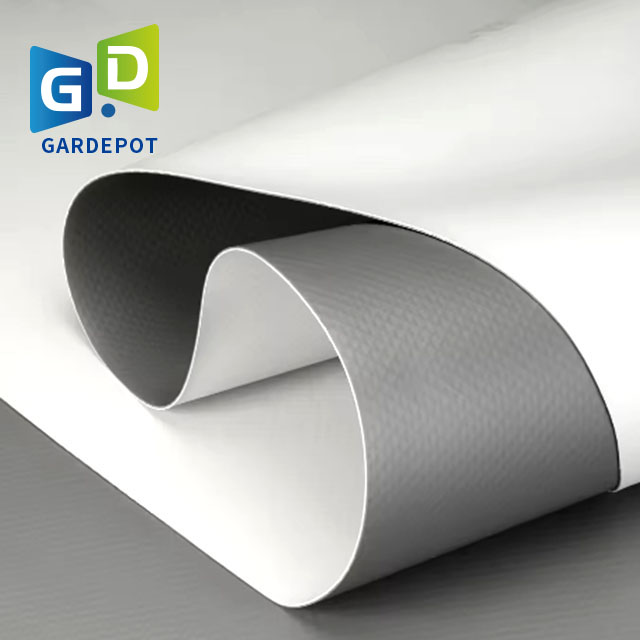
EPDM Rubber Roofing Rolls vs Fleece‑Back TPO: What’s Actually Working On Roofs in 2025
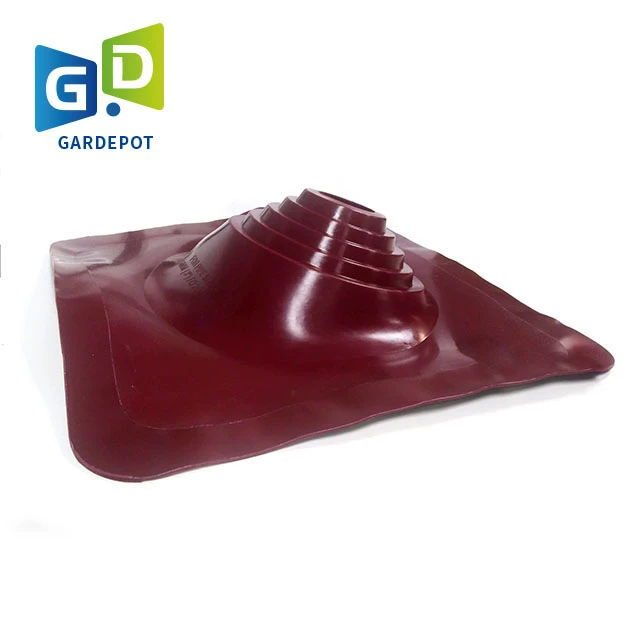
If you’re shopping for epdm rubber roofing rolls, you’re probably also hearing a lot about fleece‑back TPO re‑cover systems. To be honest, both camps have strong track records. I’ve watched crews switch between materials based on climate, schedule, and seam preferences. The twist lately: factory‑applied polyester fleece on TPO membranes that lets you re‑cover without a slip sheet and boosts puncture resistance—especially where hail is no joke.
Industry trends I’m seeing
- Reflective, low‑maintenance membranes for energy codes and rebates.
- Re‑covers over aging BUR or mod‑bit to avoid tear‑off—time is money.
- Hot‑air welders for faster seams (TPO/PVC) vs. primer+tape seams for epdm rubber roofing rolls.
- Impact resistance getting more scrutiny after big hail seasons.
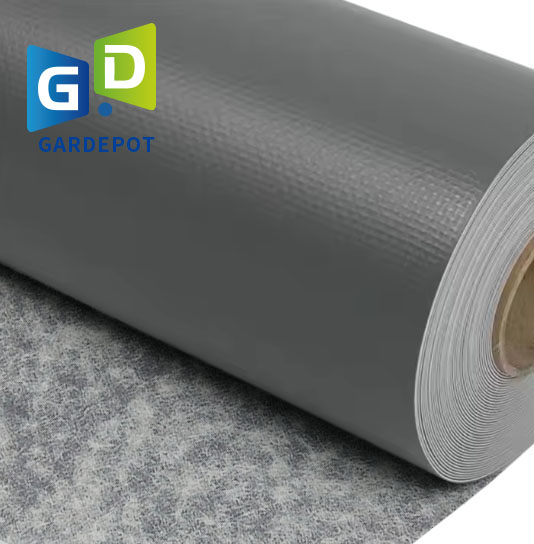
Product snapshot: TPO Membrane With Fiber Composite Backing Sheet
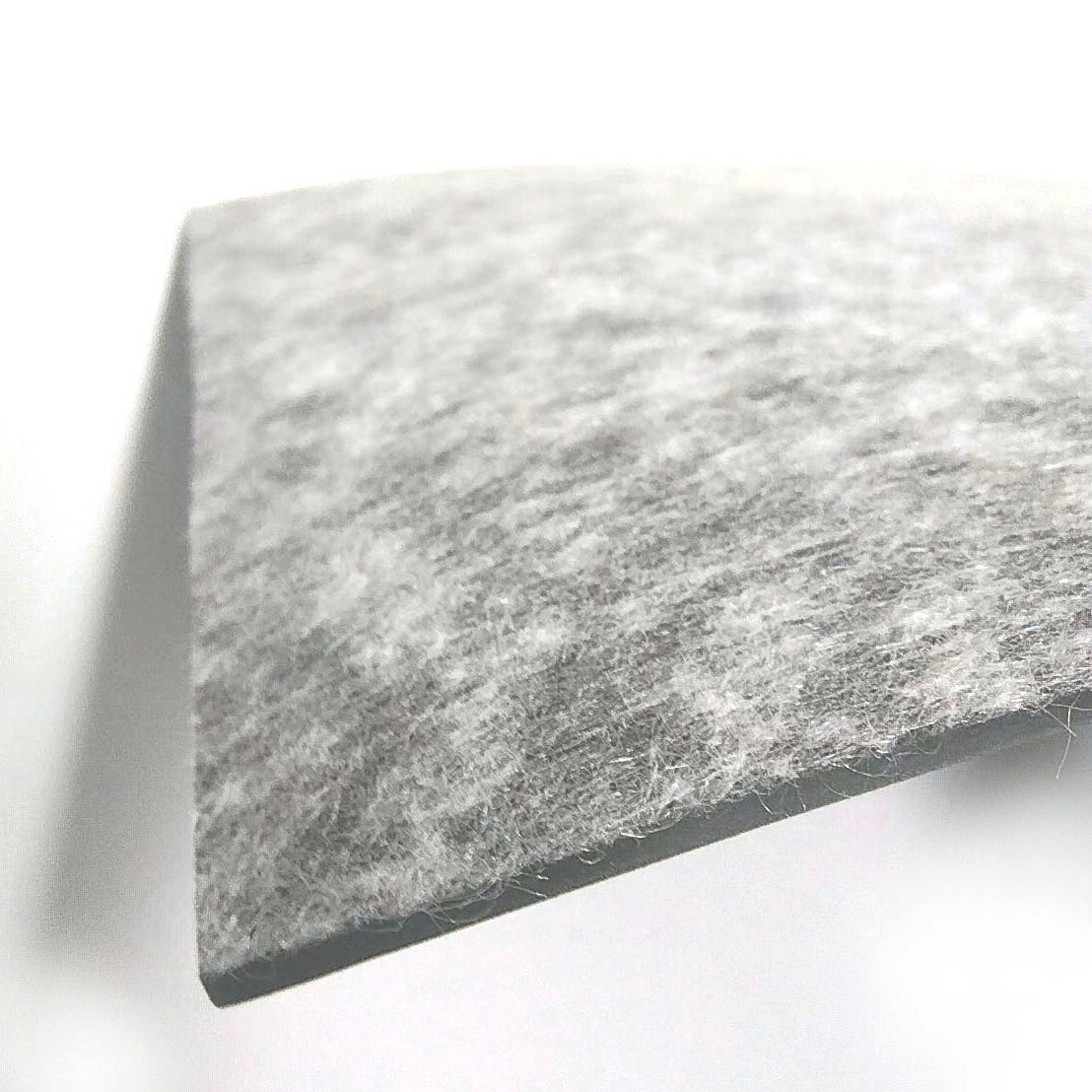
Factory‑applied polyester fleece under the TPO sheet adds a cushion layer—no slip sheet in many re‑covers, better adhesion, and improved puncture resistance. Many contractors say it “saves a step” and smooths out rough substrates.
| Specification | Typical Value (≈) | Reference/Test |
|---|---|---|
| Thickness (membrane) | 1.5 mm (60 mil) or 2.0 mm (80 mil) | ASTM D6878 |
| Fleece backing | Polyester, factory‑laminated | Manufacturer QA |
| Tensile strength | ≥ 220 lbf/in (MD/CD) | ASTM D751 (per D6878) |
| Elongation at break | ≥ 15% | ASTM D412 |
| Puncture resistance | Enhanced vs. non‑fleece (field reports, ≈ +20–40%) | ASTM D4833/impact tests |
| Roll size options | 3–3.6 m width x ~30 m length | Typical production |
| Service life (typ.) | 20–30 years (real‑world may vary) | FM/field data |
Process flow in brief: polymer compounding → calendaring/extrusion → scrim and fleece lamination → hot‑air weldability checks → dimensional stability/aging tests → finished rolls → jobsite hot‑air welds, plates/fasteners or low‑rise foam adhesives. Standards to watch: ASTM D6878 (TPO), FM 4470 approvals, UL 2218 hail impact, and local fire ratings.
Where it fits vs. epdm rubber roofing rolls
- Re‑cover over granulated mod‑bit/BUR without slip sheet—big labor saver.
- Hail‑prone regions needing extra cushion under foot traffic paths.
- Owners chasing reflective “cool roof” benefits.
| Option | Seams | Strengths | Notes |
|---|---|---|---|
| Gardepota TPO Fleece‑Back | Hot‑air welded | Re‑cover without slip sheet; puncture resistance; reflective | ASTM D6878; good for hail zones |
| Industry‑standard EPDM roll | Tape/adhesive seams | Great cold flex; very long history; wide sheets | ASTM D4637; black or white (coated) |
| PVC single‑ply | Hot‑air welded | Chemical resistance; reflective | Watch plasticizer aging on some lines |
Customization and QA
Thicknesses around 45/60/80/90 mil, widths up to ≈3.6 m, colors (white/gray), and fleece weights can be specified. Testing typically aligns to ASTM D6878 (TPO) or ASTM D4637 (epdm rubber roofing rolls), FM 4470 assemblies, and UL 2218 for impact. On our tours, peel/ shear weld tests and heat‑aging ovens are standard fare. Origin for this product line: Room 1314, Block A, Huaye Building, No. 388 Xinhua Road, Qiaoxi District, Shijiazhuang, Hebei.
Quick case notes
Logistics roof, ≈4,600 m², northern China: fleece‑back TPO re‑cover over weathered mod‑bit. No slip sheet. Two crews, hot‑air welders, adhesive beads around 305 mm o.c. Post‑storm (hail) inspections reported no punctures on walk paths. Owner feedback: “quieter install, less dust,” and, surprisingly, better summer HVAC run times.
Bottom line? If you prefer tape seams and deep black heat absorption, epdm rubber roofing rolls still shine. If you want hot‑air seams and a cushioned re‑cover that shrugs off rough substrates, the fleece‑back TPO approach is hard to ignore.
Citations
- ASTM D6878 – Standard Specification for Thermoplastic Polyolefin (TPO) Roofing, astm.org
- ASTM D4637 – Standard Specification for EPDM Sheet Used in Roofing, astm.org
- UL 2218 – Impact Resistance of Prepared Roof Covering Materials, ul.com
- FM 4470 – Approval Standard for Single‑Ply Roof Coverings, fms.tuv.com