Flanged Metric Bolts: Essential Industrial Fasteners Explained
Understanding Flanged Metric Bolts: A Veteran’s Take
If you’ve spent any decent chunk of time in the industrial equipment sector, like I have—well, you quickly realize that not all bolts are created equal. Flanged metric bolts may not be the flashiest component on a machine, but they have saved the day more times than I can count. Honestly, they feel like the unsung workhorses holding everything together under pressure, literally.
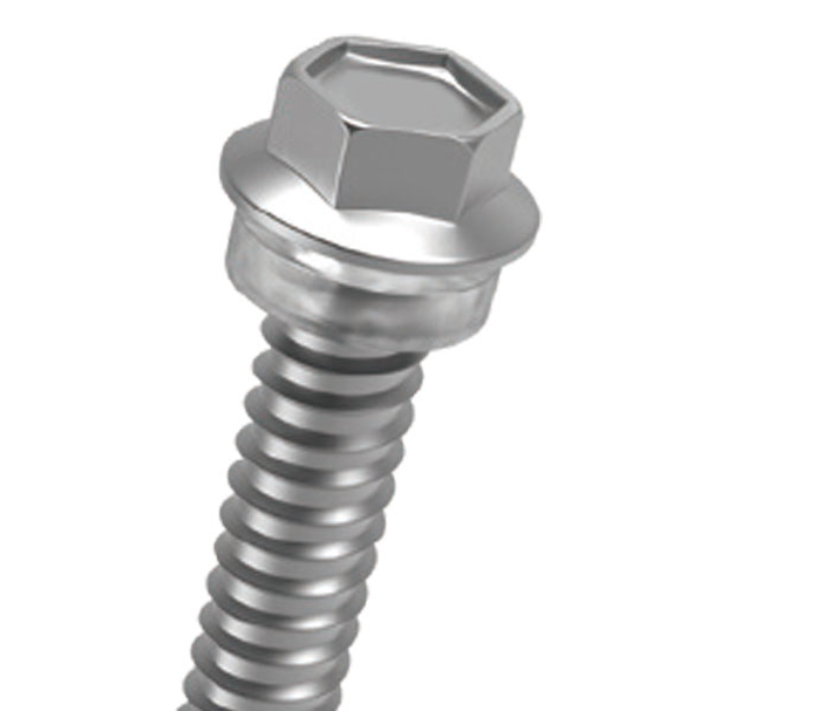
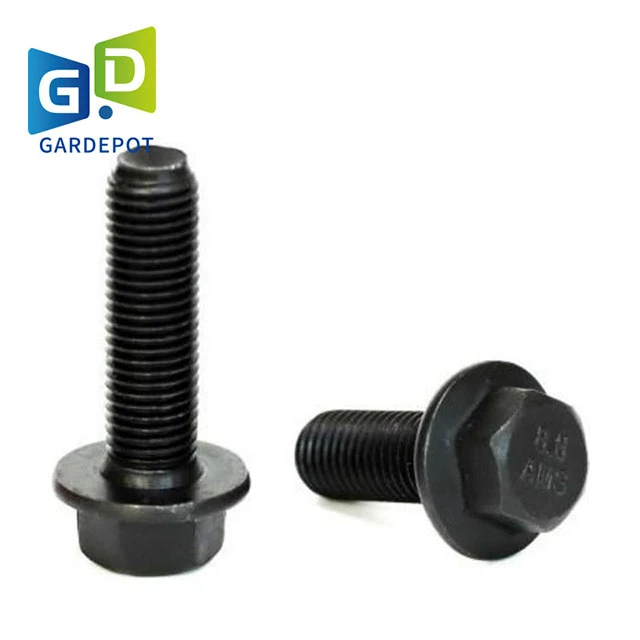
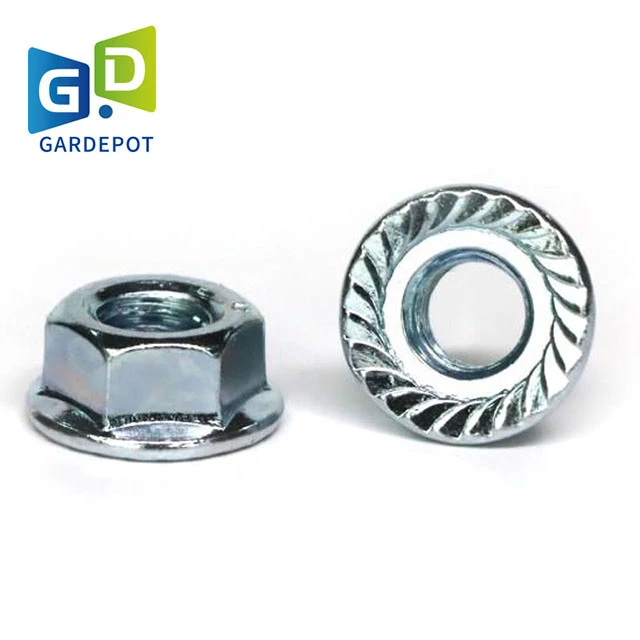
Now, let me back up a bit. The “flanged” part refers to a built-in washer-like base under the bolt head. This flange spreads the load and eliminates the need for a separate washer, which, in my experience, speeds up assembly and cuts down on loose hardware – a small win, but meaningful in a busy workshop.
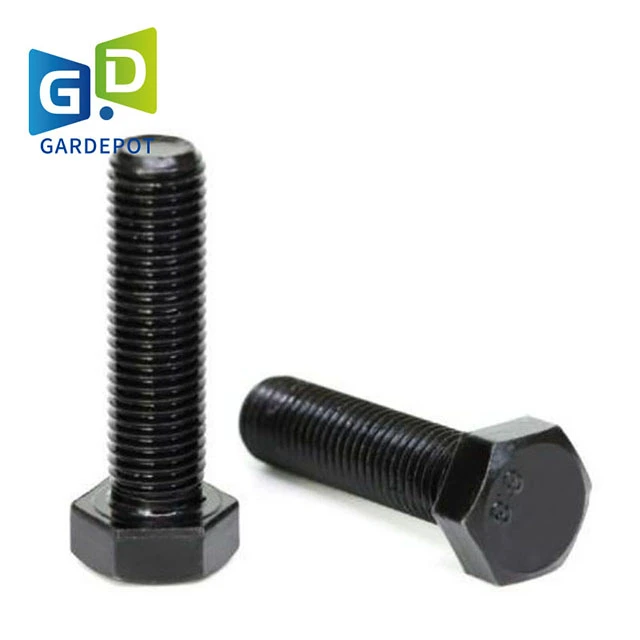
One thing I’ve noticed over the years is how much the material quality matters. Most flanged metric bolts come in grades like 8.8 or 10.9 tensile strength. The difference matters more than you’d imagine — 10.9 bolts, for example, are the go-to when you need serious clamping power without deformation. Often, these bolts get coated with zinc or black oxide to fight corrosion, which is critical when working outdoors or in damp environments.
Size variety is another topic altogether. Machines don’t standardize their fasteners (naturally, right?), so having a good range of metric sizes is essential. I recall a project where we needed M12 flanged bolts that could resist both vibration and heavy loads. The flange design was perfect, reducing the risk of loosening without extra locking nuts.
Speaking of design, the standard flange size sometimes isn’t enough, especially in custom machinery. A few vendors I’ve worked with offer custom flanges, which is a neat option to keep things tight and stable.
Here’s a quick rundown of typical flanged metric bolt specs you might encounter:
| Specification | Details |
|---|---|
| Bolt Diameter | M6 to M24 (common sizes) |
| Thread Pitch | Coarse and fine pitch variants |
| Material | Carbon Steel, Stainless Steel |
| Tensile Strength Grades | 8.8, 10.9, 12.9 |
| Surface Treatment | Zinc Plating, Black Oxide, Hot-dip Galvanizing |
Now, I suppose you might wonder which vendors actually deliver quality consistently. Having seen the budget no-name bolts fail in the field, I’m pretty cautious. Here’s a quick side-by-side of some well-known suppliers we’ve tried:
| Vendor | Range of Sizes | Material Options | Customization | Price (per 100 units) |
|---|---|---|---|---|
| BoltPro | M6–M20 | Carbon, Stainless Steel | Limited | $120 |
| FastenTech | M5–M24 | Carbon, Stainless, Alloy | Yes (flange size, thread) | $140 |
| MetricMakers | M6–M30 | Stainless Steel Only | No | $180 |
Oh, and a quick anecdote: on one offshore installation, we were battling corrosion issues due to salty air. Switching our standard bolts for a batch of flanged metric bolts with hot-dip galvanizing made a world of difference — so much so that the maintenance team actually noticed fewer replacements over six months. When the hardware quietly outperforms expectations, I feel like it’s earned a bit of respect.
So, in real terms, flanged metric bolts are more than just nuts and bolts. They’re the little heroes that ease assembly, ensure holding integrity, and sometimes even save projects. You know, sometimes the best tech is hidden in the details.
Before I sign off, if you’re looking for a reliable source for these flanged metric bolts, I’d suggest checking out Gardepota. They strike a solid balance between quality and cost, a rare combo in this industry.
To wrap up: the right bolt doesn’t just hold parts together—it holds your entire project’s reliability in place.
References:
- ISO 898-1: Mechanical properties of fasteners: bolts, screws and studs.
- “Fastener Technology Handbook,” ASM International, 1994.
- Industry case studies from offshore and heavy machinery environments (anecdotal).