Full Thread Stud Bolt - Essential Guide for Industrial & Construction Use
Understanding the Full Thread Stud Bolt: A Global Industrial Staple
Whatever industry you’re in—construction, engineering, automotive, or even disaster relief—you’ve likely come across a full thread stud bolt at some point. It’s one of those humble components with outsized importance worldwide. From towering skyscrapers to emergency shelters, these bolts keep things fastened, reliable, and safe.
Why does this matter globally? Well, consider how infrastructure failures can ripple through economies and communities. The full thread stud bolt, often overlooked, plays a key role in mitigating those failures. Understanding its design, applications, and innovations can help industries improve durability while cutting costs and waste.
The Global Context: Why the Full Thread Stud Bolt Matters
According to recent ISO reports and World Bank infrastructure assessments, the global construction market is projected to surpass $15 trillion by 2030 [1]. Within this sprawling ecosystem, fastening solutions like full thread stud bolts are critical in securing everything from bridges to pipelines.
Yet, challenges linger: corrosion in coastal projects, supply chain inconsistencies in emerging economies, and the push toward sustainable materials. The full thread stud bolt addresses many of these by offering enhanced load distribution and modularity—qualities prized from industrial zones in Southeast Asia to post-disaster rebuilds in the Caribbean.
Oddly enough, something so simple becomes a linchpin in massive, complex systems.
What Is a Full Thread Stud Bolt?
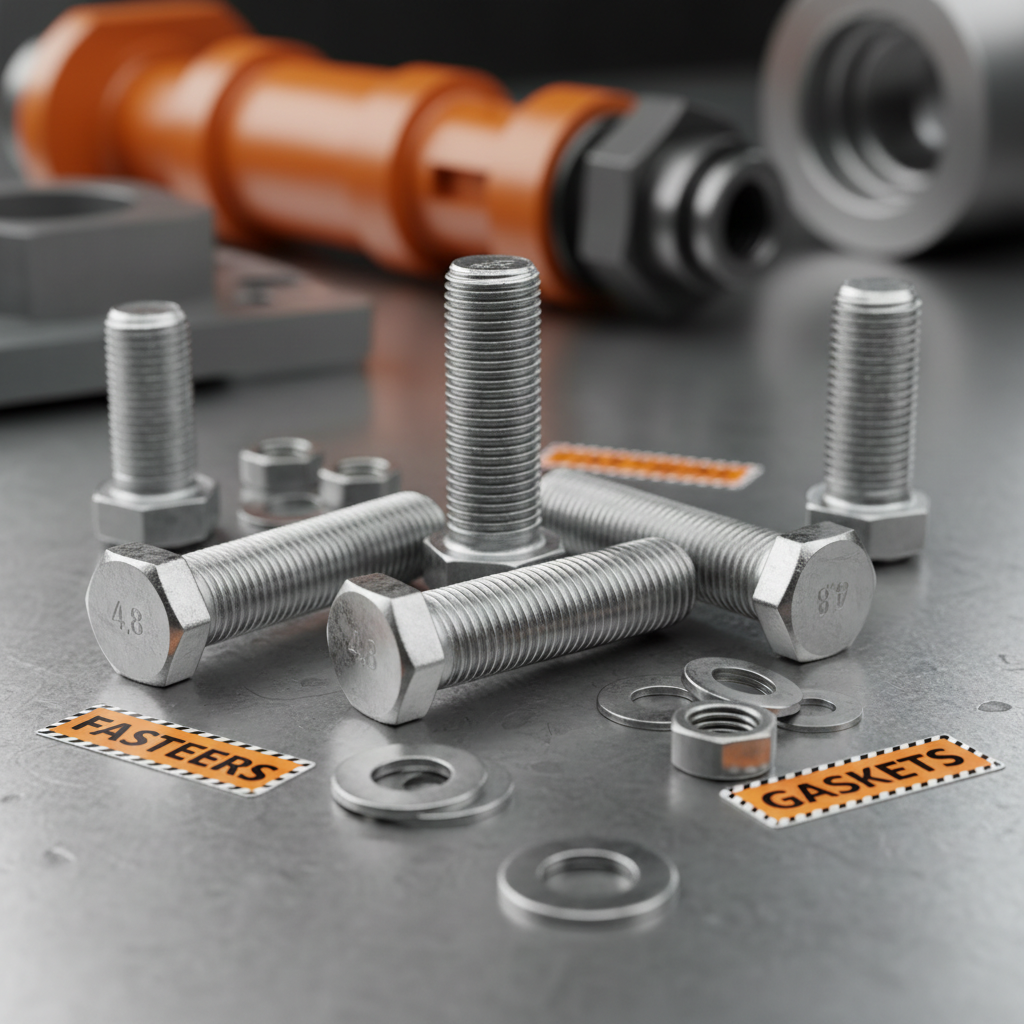
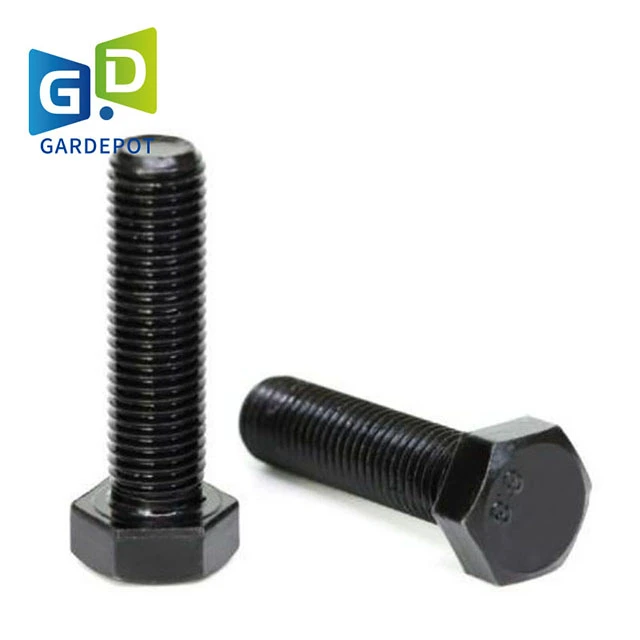
Put simply, a full thread stud bolt is a cylindrical rod that is threaded along its entire length. Unlike partial-thread bolts where only a segment is threaded, this design allows nuts to engage fully on both ends or anywhere along the bolt.
This versatility means they can join two components firmly—whether metal plates in heavy machinery or modular housing panels. Their full length threading translates to better grip and adjustability, which can be invaluable when precision is required.
In humanitarian efforts, where modular shelters must be quickly assembled and disassembled, these bolts ensure stability without the fuss of complex tooling.
Mini takeaway:
- Full thread stud bolts offer continuous threading for superior fastening flexibility.
- Their design supports a wide range of industrial and humanitarian applications.
Key Features That Make Full Thread Stud Bolts Indispensable
Durability
Many engineers swear by the tensile strength and corrosion resistance of these bolts, especially when made from stainless steel or coated alloys. In marine and chemical plants, this means years of dependable service despite harsh environments.
Cost Efficiency
Because they simplify assembly and disassembly without compromising strength, projects save time and labor. And frankly, less downtime means better ROI for heavy equipment manufacturers and infrastructure builders alike.
Versatility
From fastening flanges in oil pipelines to securing concrete forms, their full threading accommodates variable lengths and nut adjustments. It’s easier to stock one type that serves multiple purposes.
Scalability and Customization
Manufacturers can tailor lengths, thread pitch, and materials to customer needs—making them highly adaptable across sectors from aerospace to agricultural machinery.
Reliability Under Load
With stress evenly distributed along the entire threaded length, full thread stud bolts handle shear and tensile forces without loosening—a critical advantage in vibration-prone assemblies like engines or transport frames.
Mini takeaway:
- Durability and corrosion resistance extend service life.
- Versatility means fewer part numbers and faster project turnaround.
- Customizable specs open doors to diverse applications.
Where Full Thread Stud Bolts Make a Real Difference
These bolts are everywhere—in ways we often don’t notice. Let’s pinpoint some specific global use cases:
- Construction and Infrastructure: In regions prone to earthquakes, such as Japan or California, flexibility and strength in fasteners help maintain structural integrity during tremors.
- Disaster Relief & Humanitarian Aid: Following hurricanes or floods, modular shelters require quick assembly and robust fastening. Full thread stud bolts enable this rapid deployment in Latin America and Southeast Asia.
- Energy Sector: Wind turbine assembly in Europe relies on these bolts for their reliable grip and vibration resistance under high loads.
- Automotive and Machinery Manufacturing: Factories in Germany and South Korea use customized full thread studs to streamline assembly lines and improve maintenance.
In fact, after the 2010 Haiti earthquake, emergency housing kits equipped with full thread stud bolts impressed relief organizations with their quick installation and durability, showcasing a real-world benefit beyond pure engineering jargon.
Mini takeaway:
Full thread stud bolts are a small but vital piece in global initiatives—from keeping construction safe to aiding communities in crisis.
Advantages & Long-Term Value of Full Thread Stud Bolts
Some benefits are straightforward—cost savings, safety, and durability. But if you look beyond, there’s a kind of emotional reassurance here. Knowing your structures hold firm under stress or that your emergency shelter won’t collapse in a storm offers peace of mind that's invaluable.
On the sustainability front, bolts made from recycled materials or designed for reuse align with the circular economy ideals—helping reduce waste and emissions over product lifecycles.
Moreover, long-term reliability builds trust between manufacturers, contractors, and end users. That trust can translate into repeat business, better compliance with safety regulations, and less frequent repairs.
Typical Full Thread Stud Bolt Specifications
| Specification | Description |
|---|---|
| Material | Stainless Steel (A2, A4), Carbon Steel, Alloy Steel |
| Length Range | 50 mm to 300 mm (custom lengths available) |
| Thread Pitch | Metric (M6 to M24), Unified National |
| Surface Treatment | Zinc Plated, Hot-dip Galvanized, Black Oxide |
| Tensile Strength | Class 8.8, 10.9, 12.9 |
Vendor Comparison: Who Makes the Best Full Thread Stud Bolts?
| Vendor | Material Quality | Customization | Price Range | Lead Time |
|---|---|---|---|---|
| BoltMasters Inc. | High (A4-grade stainless) | Full custom lengths and coatings | $$$ | 2-3 weeks |
| GlobalFasteners | Medium (Carbon steel with zinc) | Limited thread pitch options | $ | 1-2 weeks |
| PrecisionThread | High (Alloy steel, heat treated) | Extensive customization, special coatings | $$$$ | 3-4 weeks |
Keeping Up with Trends: Innovations in Full Thread Stud Bolt Technology
The fastening industry isn’t standing still, not by a long shot. We’re seeing bolts made with advanced alloys and nanocoatings that resist corrosion years longer. Automation in manufacturing means tighter tolerances and consistent quality—both crucial when safety is on the line.
Green manufacturing processes are also gaining traction, using recycled metals to reduce environmental impact. On the design front, there’s a push for integrated sensors to detect loosening in real time—particularly exciting for infrastructure monitoring.
Challenges & Practical Fixes
Despite their usefulness, full thread stud bolts can encounter issues like thread galling (the metal seizing), corrosion in salty environments, or difficulty in removal after long-term installation. But the industry isn’t blind to this.
- Material Coatings: Innovations like PTFE or ceramic coatings can drastically reduce galling.
- Lubricants: Applying specialized lubricants helps during assembly and disassembly.
- Design Adjustments: Engineering partial anti-seize grooves can ease removal without sacrificing strength.
Addressing these pain points boosts efficiency and safety, especially in high-stakes sectors.
Frequently Asked Questions About Full Thread Stud Bolts
- What are the main advantages of full thread stud bolts over partial thread bolts?
- Full thread stud bolts provide uniform thread engagement along the entire length, allowing for flexible nut positioning and better load distribution—making assemblies more secure and adjustable compared to partial thread bolts.
- Can full thread stud bolts be used in high-corrosion environments?
- Yes, especially when made from stainless steel grades or coated with corrosion-resistant materials like hot-dip galvanizing or special nano-coatings designed for marine and chemical exposure.
- Are full thread stud bolts customizable in length and thread pitch?
- Absolutely. Vendors typically offer a variety of thread pitches (metric and imperial) and lengths tailored to specific project needs, which is why they’re versatile across industries.
- How do I prevent thread galling during installation?
- Use appropriate lubricants, avoid overtightening, and consider coated bolts or studs with anti-seize properties to minimize galling, which is common in stainless steel threads.
- Where can I find reliable suppliers for full thread stud bolts?
- You can check established manufacturers like full thread stud bolt specialists or look for ISO-certified suppliers who offer quality assurance and customization.
Wrapping Up: Why Keeping the Full Thread Stud Bolt in Mind Pays Off
To sum it up, the full thread stud bolt isn’t just a piece of hardware; it’s part of the backbone of global industry and emergency readiness. It brings cost efficiency, reliability, and versatility wrapped into one. Whether you’re finishing a factory line or helping rebuild after a natural disaster, these bolts hold more weight than you might think.
If you want to explore top quality options and custom solutions for all your fastening needs, visit our website and see how the right bolt can make all the difference.