Fully Threaded Studs – Versatile Fasteners for Industry & Innovation
The Fully Threaded Stud: Small Component, Big Impact
If you’ve ever marveled at how something as small as a simple metal fastener can hold together entire bridges, aircraft, or skyscrapers, you’re already appreciating the power of a fully threaded stud. These unassuming mechanical heroes play a critical role in industries worldwide, ensuring that structures, vehicles, and machinery hold firm under pressure. Understanding fully threaded studs isn’t just for engineers — their design choices ripple through global supply chains, safety standards, and even disaster relief efforts.
Globally, billions of dollars in infrastructure depend on this humble fastener’s reliability. The United Nations and World Bank regularly highlight the need for robust infrastructure to support economic growth and mitigate risks from natural disasters. Here, fully threaded studs stand out by providing consistent, strong, and versatile connections that streamline construction and maintenance worldwide.
The Global Importance of Fully Threaded Studs
Fully threaded studs may seem like a niche product, but their relevance spans continents and industries. According to ISO standards governing fasteners, the fully threaded stud is a standardized solution used in everything from automotive manufacturing in Europe to wind turbine assembly in Asia-Pacific.
Challenges emerge when structures face extreme environments — offshore oil rigs battling corrosion, or post-disaster shelters requiring rapid assembly without compromise on strength. Fully threaded studs address these issues by offering uniform grip and quick adaptability, which is crucial when time and safety are of the essence.
Mini takeaway: Fully threaded studs act as a universal language in engineering — a dependable fix that crosses borders and industries.
What Exactly Is a Fully Threaded Stud?
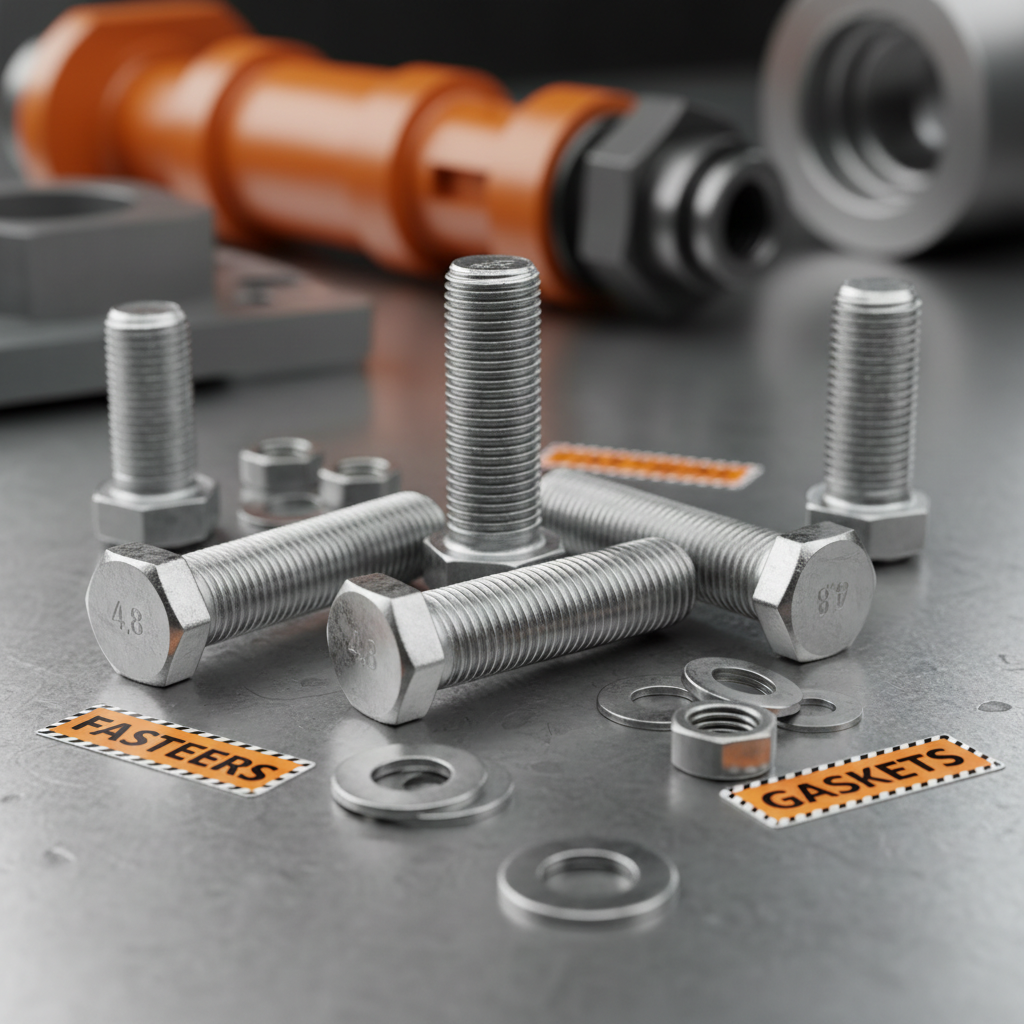
At its core, a fully threaded stud is a cylindrical rod with continuous threading from end to end. Unlike bolts that have a head on one end, studs are threaded all the way, allowing nuts to be fastened on both sides. This simple design means they can join parts flush or extend through structures, providing both tension and compression capabilities.
This might sound straightforward, but this simplicity plays beautifully into modern industry demands. Fully threaded studs connect steel beams in skyscrapers, hold engine components together with precise torque in automotive plants, and even help set up modular housing units in remote humanitarian sites. It’s a blend of mechanical reliability with multi-industry flexibility.
Mini takeaway: Think of fully threaded studs as the Swiss army knife of fasteners — simple, versatile, reliable.
Core Components and Key Features of Fully Threaded Studs
1. Material Durability
Most fully threaded studs are made from high-grade steel, stainless steel, or alloy metals to resist corrosion, fatigue, and temperature extremes. This helps them maintain fastening integrity even in corrosive marine environments or industrial chemical plants.
2. Thread Precision & Standardization
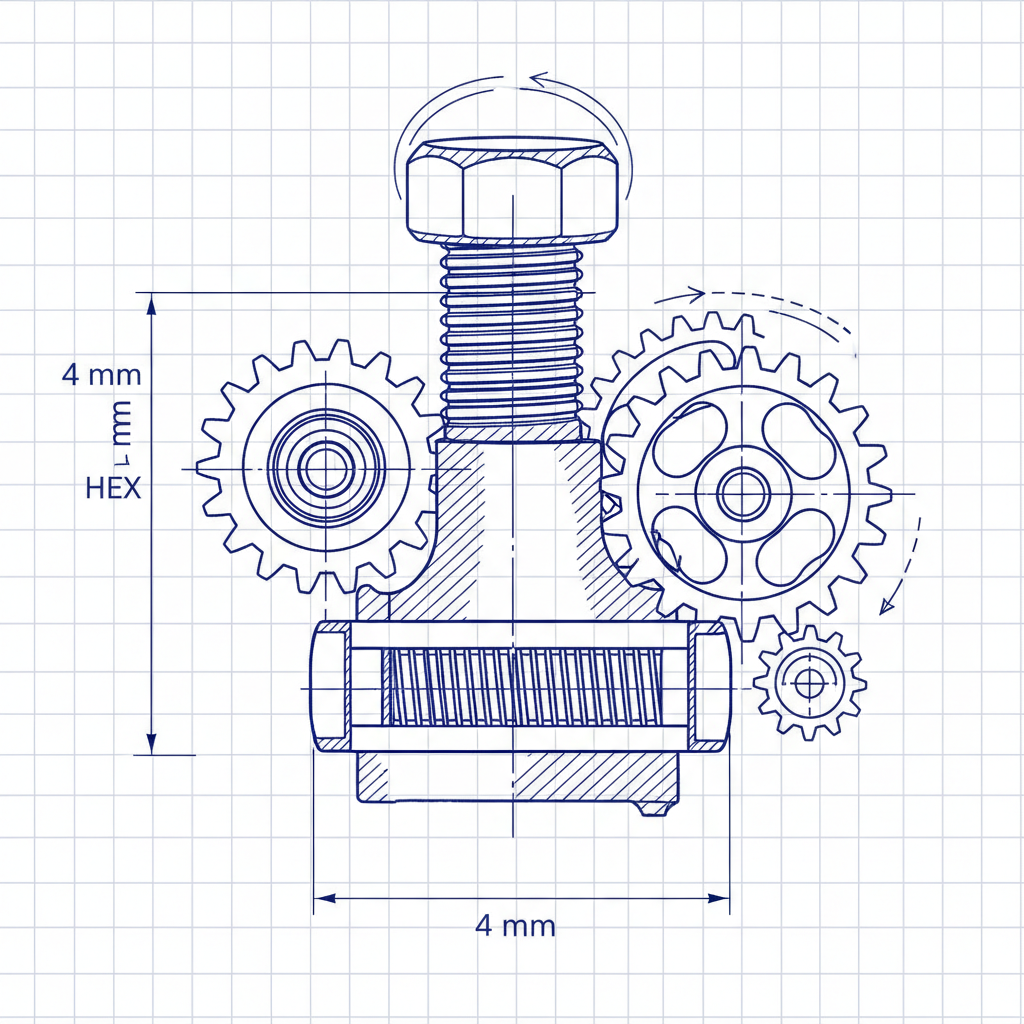
The threading pitch, depth, and angle follow strict standards (like ISO metric thread profiles) to ensure consistent fit and torque transfer. This consistency makes installation predictable — something highly valued on demanding construction sites or complex manufacturing lines.
3. Load Bearing & Tensile Strength
Depending on size and grade, a fully threaded stud can support thousands of pounds of tension and shear forces. This capability underpins critical infrastructure like bridges or aircraft wings.
4. Versatility in Application
The thread-all-over design allows for easy integration into tight or variable spaces where short bolts aren’t optimal. Engineers often use fully threaded studs in applications requiring fastening from both sides or requiring adjustable overlap.
5. Cost Efficiency
Compared to custom fasteners or welded joints, fully threaded studs are economical to produce and quick to install. This reduces downtime and labor costs on projects.
| Specification | Description |
|---|---|
| Material | Carbon Steel, Stainless Steel, Alloy Steel |
| Thread Type | ISO Metric, Unified National Thread (UNC/UNF) |
| Diameter Range | M3 to M36 (3mm to 36mm) |
| Length Range | 10mm to 300mm (custom sizes available) |
| Tensile Strength | Up to 1200 MPa depending on grade |
| Coating/Finish | Zinc plated, Hot-dip galvanized, Black oxide |
Mini takeaway: Quality matters. The right materials and dimensions mean these studs can handle everything from light fixtures to heavy industrial equipment.
How and Where Are Fully Threaded Studs Used Globally?
From the high-rises of New York City to the wind farms in Denmark and the automotive assembly lines in Germany, fully threaded studs are everywhere. Developing regions, too, benefit enormously. NGOs building modular shelters after hurricanes in the Caribbean employ fully threaded studs for fast, reliable assembly.
In oil and gas sectors, they act as anchors for complex piping systems enduring extreme pressures. Aerospace manufacturers use them for precise engine component fastenings that demand not only strength but also vibration resistance.
Oddly enough, smaller industries like furniture manufacturing even utilize them for heavy-duty connections in ergonomic office chairs and modular shelving — proving their versatility.
Mini takeaway: Fully threaded studs are the quiet workhorses behind countless products and structures worldwide, spanning high tech to humanitarian aid.
Why Choose Fully Threaded Studs? Advantages & Enduring Value
- Cost Effectiveness: Production and installation savings help projects stay on budget.
- Reliability: Uniform thread engagement means fewer fastener failures in critical assemblies.
- Sustainability: Longevity reduces replacement frequency, cutting waste.
- Safety: Properly installed studs prevent catastrophic structural failures.
- Social Impact: By enabling efficient infrastructure, they indirectly support community development and economic growth.
I often think about how trust in a tiny threaded rod can literally hold up entire industry sectors. It’s an emotional, yet logical bridge between people and technology, innovation and tradition, risk and security.
Emerging Trends: What’s Next For Fully Threaded Studs?
The fastener industry isn’t standing still. New materials like advanced stainless steels infused with nano-coatings promise to resist corrosion for decades. 3D printing is starting to enable custom thread geometries for specialized applications too.
Automation in assembly lines and smart fasteners with embedded sensors to monitor tension and loosening in real-time are becoming realities. This ties into the broader Industry 4.0 revolution, making the humble fully threaded stud part of the connected, intelligent infrastructure of tomorrow.
Challenges and How the Industry is Responding
One significant challenge is the correct selection and installation of studs for extreme environments — mistakes can lead to costly failures. Engineers caution about thread galling in stainless steels and emphasize the use of proper lubrication or coatings.
Furthermore, supply chain disruptions can delay availability, especially for custom sizes. Vendors are collaborating to maintain standards compliance and stock buffers.
Innovative solutions like hybrid coatings, improved quality control, and global certification programs help overcome these hurdles, ensuring the fully threaded stud remains a staple.
Vendor Comparison: Choosing Your Fully Threaded Stud Supplier
| Vendor | Material Quality | Customization Options | Lead Time | Certifications |
|---|---|---|---|---|
| MegaFasteners Inc. | High-grade stainless steel | Yes – Custom lengths & coatings | 2 weeks | ISO 9001, RoHS |
| SteelBolt Solutions | Carbon alloy steel | Limited customization | 1 week | ISO 14001 |
| Global Stud Co. | Premium alloy steel | Wide custom thread profiles | 3 weeks | ISO 9001, IATF 16949 |
Frequently Asked Questions About Fully Threaded Studs
Q1: What makes fully threaded studs better than regular bolts for construction?
A: Fully threaded studs provide continuous threads along their length, allowing nuts to be fastened on both ends for stronger, more versatile joints, especially in complex or adjustable assemblies. This design improves load distribution and is easier to install in confined spaces.
Q2: How do I choose the right material grade for a fully threaded stud?
A: Material choice depends on your application environment. For corrosion resistance, stainless steel grades like 304 or 316 are popular. For high tensile strength, alloy steels with appropriate heat treatments are preferred. Consulting standards like ISO 898-1 helps ensure the right selection.
Q3: Can fully threaded studs be reused after disassembly?
A: Generally, yes, if threads and integrity remain undamaged. However, reusing studs in critical applications (like aerospace or structural components) is often avoided or carefully inspected, to prevent failure risk.
Q4: Are there eco-friendly options for fully threaded studs?
A: Yes, options include studs made from recycled steel and coated with environmentally safe finishes like hot-dip galvanizing. Some manufacturers also promote energy-efficient production methods aligned with ISO 14001 standards.
Q5: How can I import fully threaded studs for large-scale projects internationally?
A: Working with certified vendors who understand global logistics and provide standardized documentation (like certificates of conformity) is key. Collaborate with freight forwarders experienced in hardware import/export to streamline customs clearance.
Wrapping It Up: Why Fully Threaded Studs Matter
From skyscrapers to disaster relief shelters, the fully threaded stud quietly holds our world together — literally. Its unmatched versatility, reliability, and cost-efficiency make it an essential catalyst for industry and humanitarian progress worldwide. If you’re looking for dependable connectors that don’t cut corners, these studs are a smart choice.
If you want to explore high-quality options and custom solutions, feel free to visit our website at GardePota. Because sometimes, it’s the small parts that make the biggest difference.
References: