Identifying reliable screw manufacturers is critical for procurement managers and engineers within the non-metallic mineral products and construction sectors. In industries where structural integrity and material compatibility are paramount, the choice of a fastener supplier directly impacts the longevity and safety of the final installation, from architectural fixtures to industrial machinery.
The primary challenge for buyers lies in balancing aesthetic requirements, such as decorative finishes, with rigorous technical demands like corrosion resistance and tensile strength. Selecting a manufacturer that can provide both precision engineering and specialized surface treatments is essential to prevent premature failure in harsh environments.
This analysis provides a comprehensive framework for evaluating screw manufacturers, examining technical specifications, material selection, and the practical application of specialized coatings to ensure high-performance fastening solutions for residential and commercial projects.

Critical Quality Indicators for Fastener Production

When assessing screw manufacturers, the focus must extend beyond simple dimensions to include the precision of thread geometry and the consistency of the heat treatment process. High-quality manufacturing ensures that screws maintain their grip without stripping during installation, which is especially vital when working with dense masonry or high-grade stainless steel.
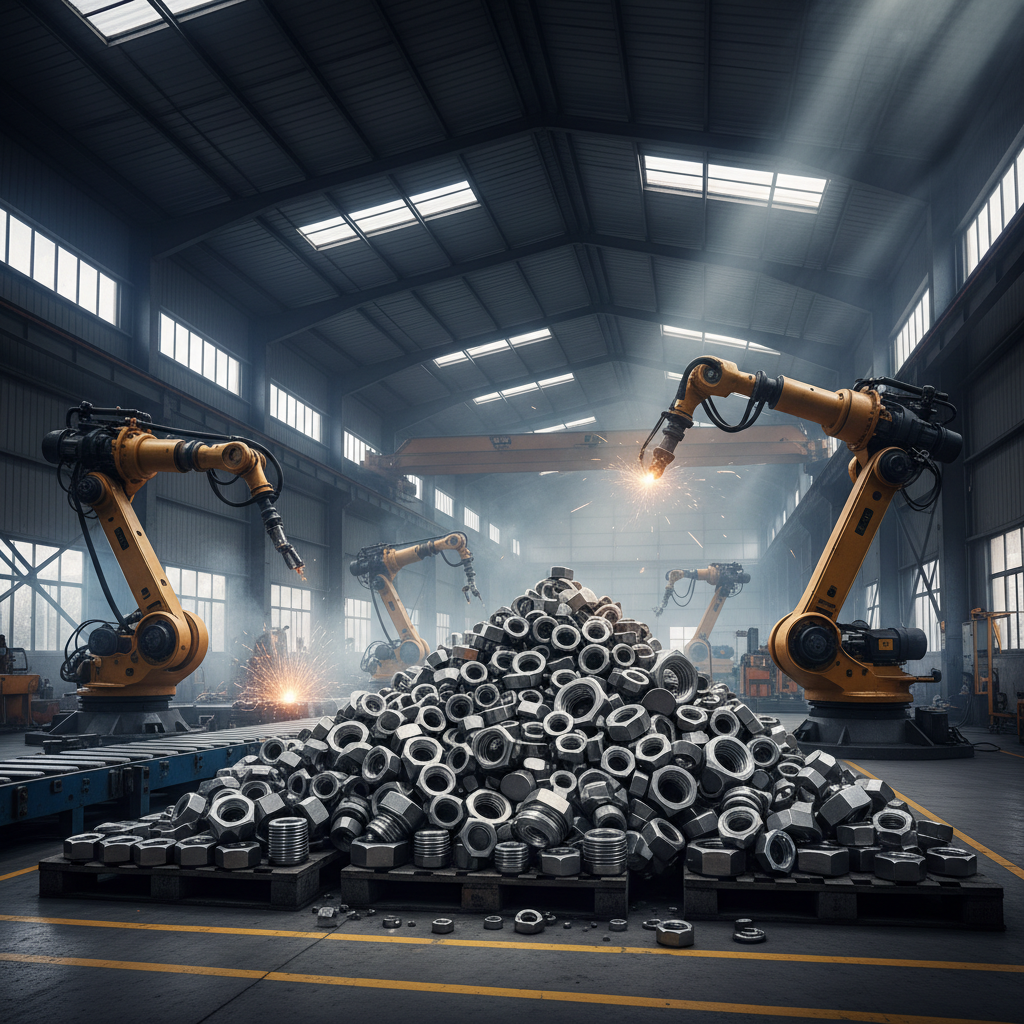
From a production standpoint, the use of automated machinery reduces human error in thread pitch and head alignment. Hebei Gardepot Technology Co., Ltd. integrates high-quality automatic machinery to ensure that each fastener meets strict tolerances, providing the stability required for industrial-scale construction and equipment assembly.
Material Science in Screw Manufacturing
The base material determines the fundamental load-bearing capacity and chemical stability of the fastener. Most professional manufacturers offer a range of materials including carbon steel, stainless steel, and bimetal options, each catering to different environmental stressors and structural requirements.
Stainless steel is preferred for high-moisture environments due to its inherent oxidation resistance, while carbon steel provides the high tensile strength necessary for heavy-duty machinery. The choice of material must be aligned with the specific project needs, such as furniture assembly where stability is key, or exterior architectural installations where weathering is a constant factor.
Surface Treatment and Corrosion Protection
Surface coatings are not merely aesthetic; they serve as the primary defense against environmental degradation. Specialized finishes like Oil Rubbed Bronze provide a sophisticated vintage appearance while simultaneously offering a protective layer that resists rust and wear, making them ideal for both interior cabinetry and exterior fixtures.
Beyond decorative finishes, industrial coatings such as Galvanized, Ruspert, and Aluminum-magnesium coatings are employed to enhance longevity in chemically aggressive environments. These processes ensure that the screw maintains its structural integrity even when exposed to saltwater, humidity, or industrial pollutants.
Relative Performance Analysis by Application
Different application environments demand different performance priorities. The following conceptual index illustrates the relative importance of specific attributes—such as aesthetic appeal, corrosion resistance, and tensile strength—across common usage scenarios provided by screw manufacturers.
As indicated in the relative evaluation, decorative interior projects prioritize the visual finish, whereas outdoor decking and industrial machinery prioritize corrosion resistance and load capacity. Understanding these trade-offs allows engineers to specify the correct fastener and coating combination for each unique environment.
Matching Fasteners to Specific Substrates
Effective fastening requires a deep understanding of the interaction between the screw and the substrate. Whether the material is wood, metal, or masonry, the thread design must be optimized to maximize grip and prevent material splitting. Sharp threads are essential for ensuring a tight hold in denser materials.
For instance, when installing door hardware or hinges in architectural projects, the combination of high-quality steel and a durable finish prevents stripping during the tightening process. This is particularly important for professionals and DIY enthusiasts who require a reliable, long-lasting hold in varied construction materials.
Common Procurement Risks and Mitigation
A significant risk in sourcing from screw manufacturers is the discrepancy between specified material grades and the actual delivered product. Substandard alloys can lead to catastrophic failure under load or rapid corrosion despite the presence of a surface coating.
To mitigate these risks, buyers should demand transparency regarding the coating process and material sourcing. Verifying the manufacturer's capability to provide consistent results across large batches is essential, as well as ensuring they possess the technical infrastructure to handle customized requirements for specialized industrial applications.
Supplier Evaluation Framework
Selecting the right manufacturer involves a multi-dimensional comparison of their production capabilities and product range. A supplier that integrates diverse fastening solutions—including bolts, nuts, rivets, and specialized screws—generally offers better system compatibility for complex projects.
| Evaluation Dimension | Standard Supplier | Specialized Manufacturer | Impact on Project |
|---|---|---|---|
| Material Range | Limited (Steel only) | Diverse (SS, Bimetal, etc) | Environmental Fit |
| Coating Options | Basic Zinc | ORB, Ruspert, Al-Mg | Corrosion Lifespan |
| Production Method | Manual/Semi-Auto | Full Automatic | Dimensional Precision |
| Customization | Catalog Only | R&D Support | Design Flexibility |
| Quality Control | Batch Sampling | Systemic Monitoring | Failure Rate |
| Product Ecosystem | Screws only | Fasteners + Tools | Sourcing Efficiency |
This framework suggests that for high-end construction or industrial equipment, a specialized manufacturer capable of providing R&D support and a wide array of corrosion-resistant coatings is the most viable long-term partner.
Frequently Asked Questions
They are treated with a protective coating layer that provides superior resistance to rust, corrosion, and wear, ensuring they maintain both their aesthetic appeal and structural integrity in outdoor environments.
By utilizing high-quality base materials like stainless steel and employing precision automatic machinery to ensure sharp, accurate thread geometry and consistent hardness through proper heat treatment.
Depending on the environment, high-grade carbon steel is often used for maximum tensile strength, while stainless steel is used when both load capacity and corrosion resistance are required.
Yes, provided the correct screw type and material are selected. High-quality screws are designed to provide a secure hold across various materials including wood, metal, and masonry.
These coatings provide enhanced corrosion resistance compared to standard galvanization, making them highly effective for fasteners used in demanding industrial or outdoor settings.
Evaluate their range of materials, available coating technologies, use of automated production equipment, and their ability to provide technical R&D support for customized needs.
Conclusion
Selecting the right partner among various screw manufacturers requires a focus on the intersection of material science, precision engineering, and specialized surface treatments. By prioritizing suppliers who employ automated production and offer a diverse range of corrosion-resistant coatings, buyers can ensure that their fastening solutions provide long-term stability and aesthetic consistency across residential and industrial applications.
For organizations seeking reliable fastening solutions, comprehensive product information and technical capabilities can be reviewed at www.gardepota.com to determine the most suitable material and coating for specific project requirements.