Selecting the right fasteners is rarely about finding the cheapest option; it is about mitigating the risk of structural failure in corrosive environments. For engineers and procurement officers, the challenge lies in distinguishing between generic hardware and precision-engineered components that can withstand long-term chemical or atmospheric stress.
The global supply chain for industrial fasteners has shifted toward specialized materials, where the chemistry of the steel determines the lifespan of the entire assembly. From coastal infrastructure to chemical processing plants, the demand for high-grade corrosion resistance has redefined how buyers vet their partners.
Navigating the landscape of stainless steel bolt suppliers requires a technical understanding of alloy grades and manufacturing tolerances to ensure operational safety.


The effectiveness of stainless steel in industrial fastening depends on the formation of a passive chromium oxide layer. This microscopic film protects the underlying metal from oxygen and moisture, effectively halting the oxidation process that leads to rust.
When sourcing from stainless steel bolt suppliers, it is essential to understand that not all "stainless" steels are equal. The balance of chromium, nickel, and molybdenum determines whether a bolt will survive in a saltwater spray or succumb to pitting corrosion in a chemical plant.
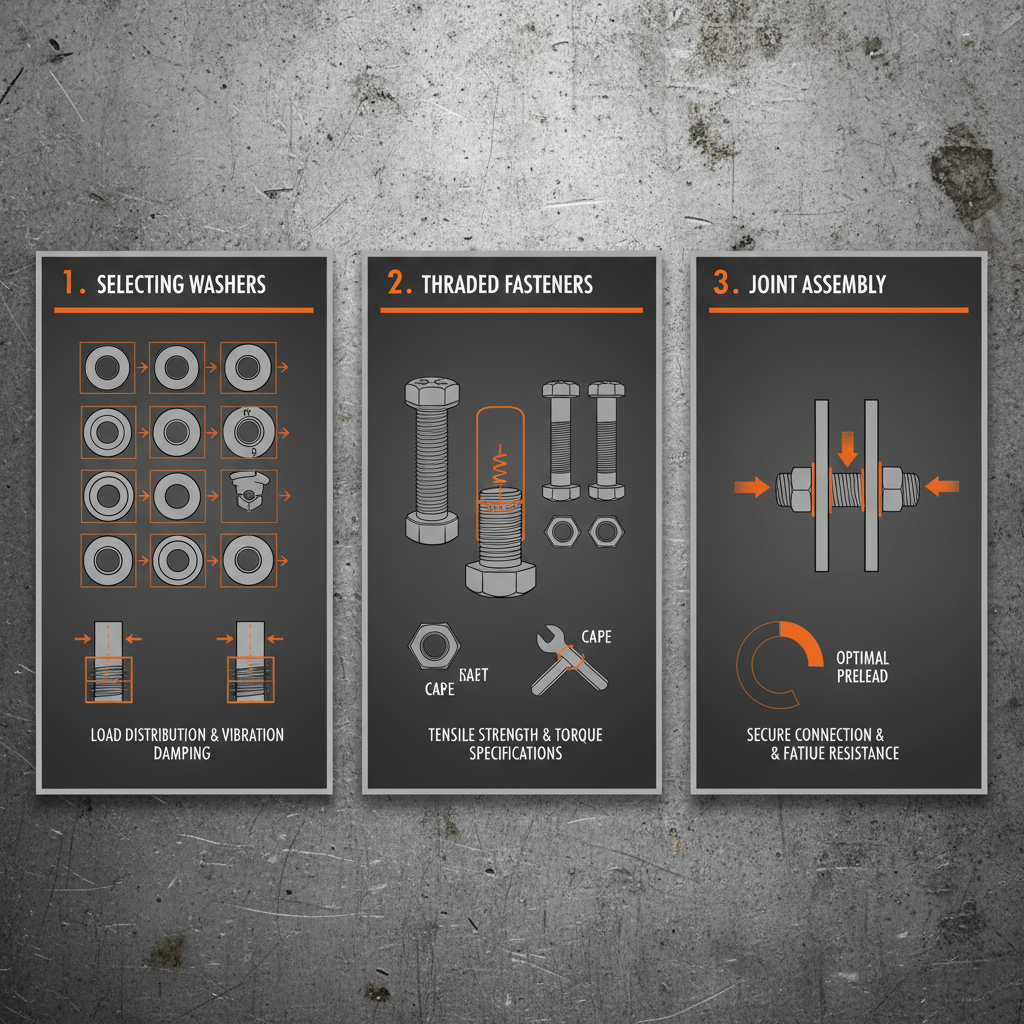
Selecting a bolt requires more than just matching a diameter and thread pitch. The tensile strength, yield point, and hardness must be aligned with the load-bearing requirements of the project. Over-specifying can lead to unnecessary costs, while under-specifying can cause catastrophic mechanical failure.
Furthermore, the interaction between the bolt and the nut—specifically the risk of galling—is a primary concern in stainless steel assemblies. Galling occurs when cold welding happens between the threads during installation, effectively seizing the fastener. This is often mitigated through specialized lubricants or the use of varying hardness levels between the bolt and the nut.
Environmental factors such as temperature fluctuations and chemical exposure also dictate the choice. For instance, in high-temperature settings, thermal expansion coefficients must be considered to prevent the fastener from loosening or snapping under stress.
Beyond the bolts themselves, the integrity of the entire assembly depends on the synergy between different metal parts. When combining stainless steel bolts with other materials, the risk of galvanic corrosion increases if the metals are too far apart on the galvanic series.
True structural reliability in industrial fastening is achieved when material compatibility is prioritized over individual component strength, ensuring that the interface between parts does not become the point of failure.
This is why comprehensive suppliers often provide integrated kits including washers and nuts of the same alloy grade. For specialized welding projects, the integration of high-quality steel components, such as induction weld plates, ensures that the base structure is as resilient as the fasteners holding it together.
Comparing different grades of stainless steel allows procurement teams to optimize for both cost and performance. While 304 grade is a versatile standard, 316 grade offers significantly higher resistance to chlorides, making it the baseline for marine and pharmaceutical applications.
The following relative index illustrates how different common alloys perform across key industrial metrics, such as corrosion resistance and mechanical strength.
In a typical industrial setting, such as a wastewater treatment plant, fasteners are exposed to a combination of humidity, sulfur compounds, and varying pH levels. In these environments, the use of carbon steel is untenable, and even low-grade stainless steel may fail. Here, the focus shifts to molybdenum-enhanced alloys that prevent pitting in the presence of chlorides.
Similarly, in the construction of high-strength concrete formwork or industrial ceiling panels, fasteners must work in tandem with materials like magnesium oxide boards. The priority is to maintain a tight seal and structural stability without the risk of rust stains leaching into the finished architectural surface.
While the base alloy provides the primary defense, advanced coating processes are now used to further enhance surface hardness and corrosion resistance. Techniques such as Aluminum-magnesium coating or Ruspert treatments are increasingly common for fasteners used in high-stress environments where pure stainless steel might be too soft or costly.
Electrophoresis and specialized paints are also utilized to provide an additional barrier against chemical splashes. These coatings are not merely aesthetic; they are designed to fill microscopic surface pores, reducing the areas where corrosive agents can settle and begin the pitting process.
The trend is moving toward "hybrid" solutions—combining high-strength alloy cores with high-performance coatings—to achieve a balance of mechanical strength and environmental resilience that neither could provide alone.
Evaluating stainless steel bolt suppliers requires a transition from price-per-unit thinking to a total-cost-of-ownership model. A cheaper bolt that requires replacement every two years is significantly more expensive than a premium fastener that lasts a decade, when labor and downtime are factored in.
Key indicators of a reliable supplier include their ability to provide mill test reports (MTRs), their adherence to international standards like ASTM or DIN, and their capacity for customization. A supplier that integrates product development with manufacturing is typically better equipped to handle complex project requirements.
The following framework provides a method for comparing different sourcing options based on technical and operational capabilities.
| Evaluation Factor | Standard Supplier | Technical Partner | Impact on Project |
|---|---|---|---|
| Certification | Basic ISO | ASTM/DIN + MTRs | Risk Mitigation |
| Material Range | Limited (304/316) | Multi-Alloy / Duplex | Application Fit |
| Customization | Stock sizes only | Bespoke Engineering | Design Flexibility |
| Coating Options | Basic Galvanized | Al-Mg / Ruspert | Lifespan Extension |
| Lead Times | Variable | Optimized Supply Chain | Schedule Security |
| Quality Control | Batch Sampling | Precision Testing | Failure Prevention |
Grade 304 is the most common stainless steel, offering excellent corrosion resistance for general use. Grade 316 contains added molybdenum, which significantly increases its resistance to pitting and crevice corrosion, especially in chloride-rich environments like seawater or chemical processing plants. Choosing between them depends entirely on the severity of the corrosive agents present in the application environment.
Galling is prevented by reducing friction and avoiding the "cold welding" of threads. The most effective methods include using high-quality anti-seize lubricants, selecting bolts and nuts with slightly different hardness levels, or employing a slower, controlled tightening speed. Using precision-machined threads from reputable suppliers also reduces the likelihood of surface imperfections that trigger galling.
It depends on the objective. Uncoated stainless steel relies on its natural passive layer. Coatings are used when additional properties are needed, such as increased surface hardness, specific colors for architectural needs, or an extra layer of protection against extremely aggressive chemicals. For most standard industrial uses, high-grade uncoated stainless is sufficient, but specialized coatings provide an added safety margin in extreme conditions.
The most critical factors are material traceability (Mill Test Reports), adherence to international standards (ASTM/DIN), and the supplier's technical support capabilities. A reliable supplier should be able to advise on the correct alloy grade based on your environmental data and provide consistent quality across large batches to prevent mixed-grade contamination in a single project.
Yes, but the specific grade must be chosen based on the temperature range. While austenitic steels like 304 and 316 are common, they can lose strength at very high temperatures. In extreme heat, specialized alloys or ferritic stainless steels may be required to avoid creep or oxidation. Always verify the thermal expansion coefficients to ensure the fastener remains secure under heat cycles.
The primary risk is galvanic corrosion. When two dissimilar metals (e.g., stainless steel and carbon steel) are in electrical contact in the presence of an electrolyte (like moisture), the more anodic metal will corrode rapidly. This can be mitigated by using insulating washers, applying non-conductive coatings, or ensuring that both the fastener and the joined material are of the same alloy family.
The transition toward high-performance fasteners is a reflection of a broader industrial shift toward longevity and sustainability. By prioritizing material science and supplier expertise over short-term cost savings, companies can drastically reduce maintenance cycles and enhance the safety of their infrastructure.
Ultimately, the success of any industrial assembly depends on the smallest components. Ensuring that your stainless steel fasteners are matched to the specific demands of the environment is the most effective way to guarantee structural integrity for the long term.