Introduction to TPO Waterproofing Systems in Modern Construction
In the demanding landscape of modern infrastructure and building construction, advanced waterproofing solutions are not merely beneficial but essential. Among these, TPO waterproof membrane technology stands out as a leading choice, offering a compelling blend of durability, performance, and environmental responsibility. Thermoplastic Polyolefin (TPO) membranes are single-ply roofing membranes known for their excellent heat-weldability, UV resistance, and flexibility. This material has rapidly gained traction across various sectors due to its robust protective qualities and ease of application, making it a cornerstone for architects, engineers, and construction firms prioritizing long-term structural integrity and sustainability.
This comprehensive overview delves into the intricate details of TPO waterproofing systems, from their fundamental composition and sophisticated manufacturing processes to their diverse application scenarios and significant technical advantages. We aim to provide B2B decision-makers and technical professionals with an authoritative resource, highlighting industry trends, specific technical parameters, and a commitment to quality that underpins effective waterproofing solutions.
Industry Trends and Market Dynamics in TPO Waterproofing
The global market for waterproofing membranes, particularly within the single-ply segment, is experiencing substantial growth. Driven by increasing demand for sustainable building materials, energy-efficient construction, and resilient infrastructure, the adoption of TPO waterproofing systems is on an upward trajectory. According to recent market analysis, the global TPO roofing membrane market size was valued at approximately USD 2.1 billion in 2022 and is projected to reach USD 3.5 billion by 2030, exhibiting a compound annual growth rate (CAGR) of over 6.5%.
Key trends influencing this growth include a heightened focus on "cool roof" technologies, where the reflective properties of TPO membranes significantly reduce building cooling loads, contributing to substantial energy savings. The push for green building certifications, such as LEED, also favors TPO due to its recyclable nature and low environmental impact. Furthermore, advancements in installation techniques, including induction welding and fully adhered systems, are enhancing application efficiency and long-term performance, making tpo waterproof membrane an even more attractive option for large-scale commercial and industrial projects.
Innovations in polymer science are also leading to TPO membranes with enhanced fire resistance, improved flexibility at extreme temperatures, and better chemical compatibility, broadening their applicability in specialized environments. This continuous evolution ensures that TPO waterproofing remains at the forefront of robust and sustainable building envelope solutions.
The Manufacturing Process of TPO Waterproof Membrane
The production of a high-performance tpo waterproof membrane is a sophisticated industrial process, involving careful selection of raw materials and precise manufacturing controls to ensure consistent quality and desired performance characteristics.
Materials Selection and Composition
The core of TPO membranes lies in their unique blend of polymers, typically polypropylene and ethylene-propylene rubber (EPR or EPDM). These are compounded with various additives including UV stabilizers, flame retardants, colorants, and reinforcements. The reinforcement layer, commonly polyester fabric, is crucial for imparting tensile strength, tear resistance, and dimensional stability, ensuring the membrane can withstand thermal expansion and contraction cycles without compromising integrity. This composite structure is key to the exceptional durability and longevity of TPO waterproofing membrane.
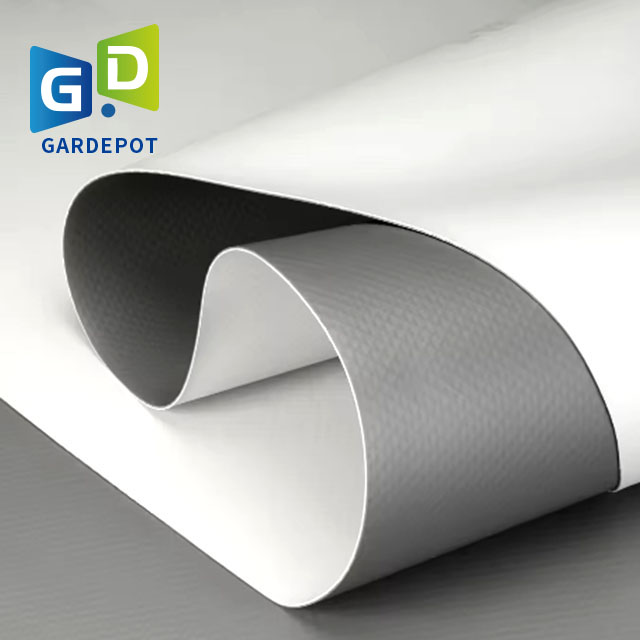
Manufacturing Process Flow
Schematic Steps for TPO Waterproof Membrane Production:
- Step 1: Raw Material Preparation & Blending: Polymers (polypropylene, ethylene-propylene rubber) are carefully weighed and mixed with UV stabilizers, antioxidants, flame retardants, and pigments in a high-shear mixer to achieve a homogeneous compound. This ensures consistent material properties throughout the membrane.
- Step 2: Extrusion: The compounded TPO pellets are fed into a large extruder, where they are heated and melted. The molten polymer is then forced through a die to form a continuous sheet of the desired thickness. This is a critical step for achieving uniform thickness and density.
- Step 3: Reinforcement Lamination: While the TPO sheet is still molten, a high-strength polyester fabric scrim is introduced and laminated between two layers of the TPO compound. This process is typically done via a calendering or extrusion coating method, ensuring complete encapsulation and bonding of the reinforcement. This creates the reinforced tpo waterproofing membrane.
- Step 4: Cooling & Annealing: The newly formed reinforced membrane is then passed through a series of cooling rollers to solidify the material gradually. An annealing process may follow to relieve internal stresses and enhance dimensional stability, preventing shrinkage or warping after installation.
- Step 5: Surface Treatment & Finishing: Depending on specific product requirements, the membrane surface might undergo treatments to enhance its weldability, reflectivity, or adhesion properties. Edge trimming ensures clean, uniform rolls.
- Step 6: Quality Control & Testing: Throughout and after the manufacturing process, rigorous quality control checks are performed. This includes testing for thickness, tensile strength, elongation, tear resistance, puncture resistance, and weathering characteristics (UV and ozone resistance).
- Step 7: Rolling & Packaging: The finished TPO membrane is wound onto large rolls, typically 10 to 12 feet wide and 50 to 100 feet long, then packaged for shipping.
Testing Standards and Service Life
All TPO membranes are subjected to stringent testing to comply with international standards such as ASTM D6878 (Standard Specification for Thermoplastic Polyolefin Based Sheet Roofing), ISO 9001 (Quality Management Systems), and various regional building codes. These tests ensure the membrane meets specified performance criteria for tensile strength (typically >200 lbf/in for reinforced TPO), elongation, tear strength (>50 lbf), puncture resistance, and long-term weathering.
With proper installation and maintenance, a high-quality tpo waterproofing membrane can achieve a service life of 20 to 30 years, often exceeding that of traditional roofing systems. This longevity, coupled with its robust performance, makes it a highly economical choice over the lifecycle of a building.
Technical Specifications and Performance Parameters
Understanding the detailed specifications of a tpo waterproof membrane is crucial for engineers and procurement specialists to ensure optimal material selection for specific project requirements. Below is a typical table outlining key technical parameters.
Typical TPO Waterproof Membrane Specifications
| Parameter | Standard (ASTM/ISO) | Typical Value (Reinforced TPO) | Unit |
|---|---|---|---|
| Thickness | ASTM D6878 | 1.14 - 2.03 (45 - 80) | mm (mil) |
| Width | N/A | 1.83 - 3.66 (6 - 12) | m (ft) |
| Tensile Strength (Grab) | ASTM D6878 | ≥ 1000 (≥ 200) | N/50mm (lbf/in) |
| Elongation at Break | ASTM D6878 | ≥ 200 | % |
| Tear Resistance | ASTM D6878 | ≥ 220 (≥ 50) | N (lbf) |
| Puncture Resistance | ASTM D6878 | ≥ 220 (≥ 50) | N (lbf) |
| Reflectivity (Initial) | ASTM C1549 | ≥ 78 | % |
| Emissivity (Initial) | ASTM C1371 | ≥ 0.85 | - |
| Ozone Resistance | ASTM D1149 | No Cracks at 100 pphm | - |
| Low Temp Flexibility | ASTM D6878 | -40°C (-40°F) | °C (°F) |
Note: Specific values may vary slightly by manufacturer and product line. Always refer to the manufacturer's data sheets for precise product specifications.
Key Technical Advantages of TPO Waterproofing Systems
The proliferation of tpo waterproofing is directly attributable to its comprehensive suite of technical advantages, addressing critical needs in modern construction.
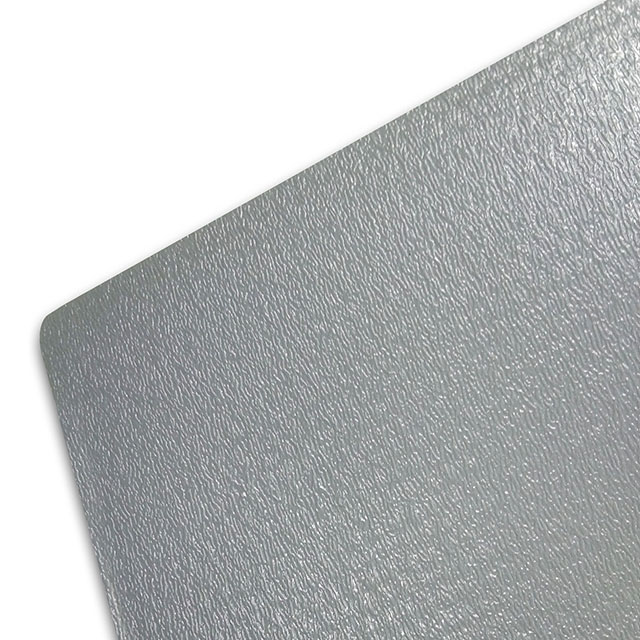
- ✓ Exceptional Durability and Longevity: TPO membranes are inherently resistant to UV radiation, ozone, and chemical exposure, which are common degradation factors for other roofing materials. Their reinforced structure provides high tear and puncture resistance, ensuring a long service life even in harsh environmental conditions.
- ✓ Energy Efficiency (Cool Roofs): Light-colored TPO membranes boast high solar reflectivity and thermal emissivity. This significantly reduces heat absorption, lowering interior cooling costs for buildings, especially in warmer climates. This energy-saving attribute makes TPO a preferred material for sustainable construction.
- ✓ Superior Heat-Welded Seams: TPO seams are hot-air welded, fusing the membrane sheets into a single, monolithic layer. This creates seams that are stronger than the membrane itself, offering unparalleled resistance to water infiltration, a common point of failure in other roofing systems.
- ✓ Flexibility and Adaptability: TPO retains its flexibility across a wide range of temperatures, making it suitable for diverse climates and architectural designs. Its adaptability allows for easy integration around complex roof penetrations and details, critical for comprehensive tpo waterproofing systems.
- ✓ Environmental Responsibility: TPO membranes are generally made from recyclable materials and do not contain chlorine, plasticizers, or other potentially harmful substances often found in other roofing products, contributing to healthier indoor air quality and reduced environmental impact.
- ✓ Ease and Speed of Installation: TPO membranes are available in large rolls, which can significantly speed up installation time compared to built-up or modified bitumen systems. Their lightweight nature also reduces structural load and eases handling.
These advantages collectively position TPO as a superior choice for long-term, high-performance waterproofing applications across commercial, industrial, and institutional sectors.
Application Scenarios for TPO Waterproofing Systems
The versatility and robust performance characteristics of tpo waterproofing systems make them ideal for a wide array of application scenarios, particularly in target industries such as petrochemical, metallurgy, and water supply & drainage, alongside general commercial and industrial roofing.
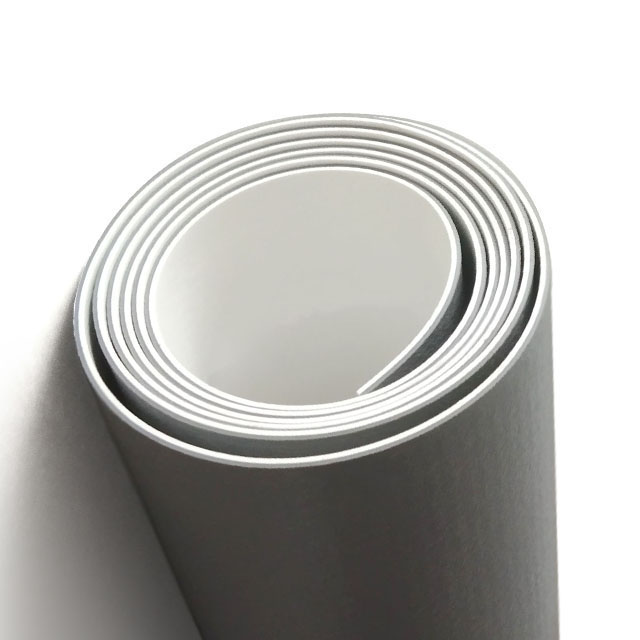
- Commercial and Industrial Roofing: This is the most prevalent application. TPO is used on flat or low-slope roofs of warehouses, factories, shopping centers, office buildings, and educational institutions. Its reflective properties are especially beneficial in large commercial spaces to reduce cooling costs.
- Green Roofs and Vegetated Systems: TPO's root-resistant properties, combined with its durability and resistance to biological growth, make it an excellent choice as a waterproofing layer beneath extensive or intensive green roof systems.
- Re-roofing Projects: TPO membranes can often be installed directly over existing roofing systems, depending on the condition of the substrate, thereby reducing tear-off waste and overall project costs and time.
- Solar Panel Integration: The robust nature of TPO makes it highly compatible with rooftop solar panel installations. Its long lifespan matches that of solar arrays, and its white surface can enhance the efficiency of certain solar technologies by reflecting light.
- Specialized Industrial Applications: In industries like petrochemical and metallurgy, where structures might be exposed to specific chemicals or extreme temperatures, enhanced TPO formulations offer superior corrosion resistance. For example, specific grades of tpo waterproofing membrane specifications can be tailored for resistance to particular industrial effluents.
- Water Supply & Drainage Basins: While primarily known for roofing, specialized TPO geomembranes are used in lining retention ponds, irrigation canals, and wastewater treatment facilities due to their impermeability, chemical resistance, and long-term stability.
These diverse applications underscore the adaptability and reliability of TPO in meeting critical waterproofing needs across the built environment.
Vendor Comparison and Selection Criteria
Choosing the right supplier for a tpo waterproof membrane is as critical as selecting the product itself. B2B decision-makers must evaluate vendors based on a holistic set of criteria to ensure product quality, reliable delivery, and comprehensive support.
Key Factors for Vendor Evaluation:
| Criteria | Description & Importance |
|---|---|
| Product Quality & Certifications | Verify adherence to ASTM D6878, ISO 9001, and other relevant national/international standards. Look for third-party certifications (e.g., Cool Roof Rating Council for reflectivity, FM Approvals for severe weather). |
| Experience & Reputation | Assess years in business, project portfolio, and client testimonials. A vendor with extensive experience implies reliability and a deep understanding of waterproofing challenges. |
| Technical Support & Training | Availability of technical experts for design assistance, installation guidance, and on-site support. Offering installer training programs is a significant advantage for proper system execution. |
| Warranty & After-Sales Service | Comprehensive warranty covering materials and workmanship. Responsive customer service for troubleshooting and maintenance inquiries is essential for long-term satisfaction. |
| Customization Capabilities | Ability to provide tailored solutions, such as specific membrane thicknesses, widths, colors, or enhanced chemical resistance for unique project demands. |
| Logistics & Lead Time | Efficient supply chain management, reliable lead times, and flexible delivery options are crucial for project scheduling and minimizing downtime. |
A thorough vendor assessment ensures that you not only acquire a high-quality tpo waterproofing product but also gain a reliable partner committed to the success of your project.
Customized Solutions in TPO Waterproofing
While standard TPO membranes offer exceptional performance, many complex B2B projects require tailored solutions. Leading manufacturers understand this need and provide extensive customization options for their tpo waterproofing membrane offerings.
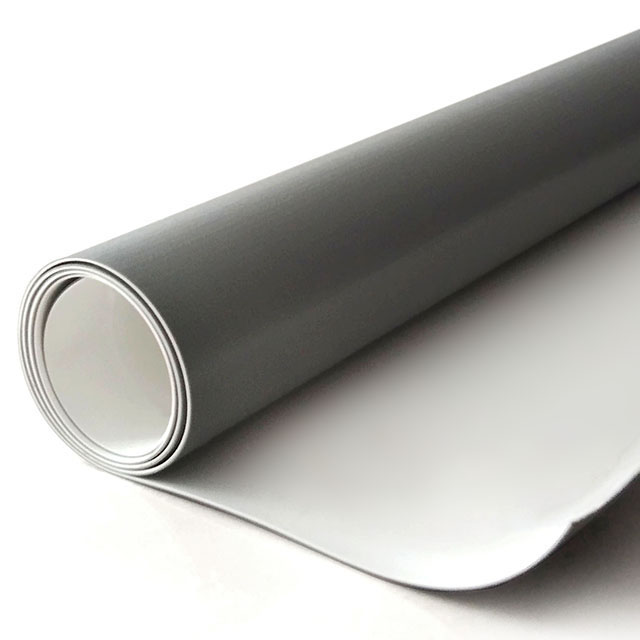
Areas of Customization:
- Thickness and Reinforcement: Membranes can be customized with varying thicknesses (e.g., 45-mil, 60-mil, 80-mil) and different types or densities of reinforcement to meet specific structural demands or extreme environmental conditions.
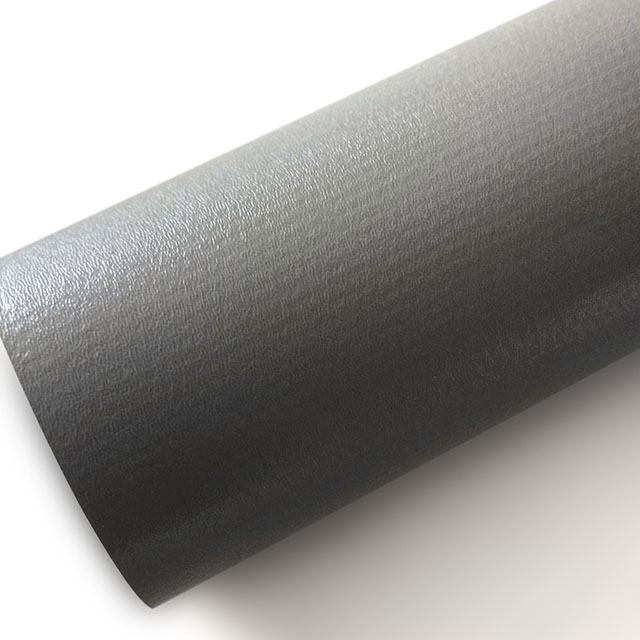
- Color Options: While white is standard for its reflective properties, TPO is available in a range of colors (e.g., tan, gray, black) to match aesthetic requirements or specific solar absorption needs.
- Enhanced Chemical Resistance: For industrial facilities handling specific chemicals, TPO formulations can be enhanced to provide superior resistance to particular acids, bases, or hydrocarbons.
- Slip Resistance: For areas requiring pedestrian access or specific safety protocols, membranes can be manufactured with textured surfaces to improve slip resistance.
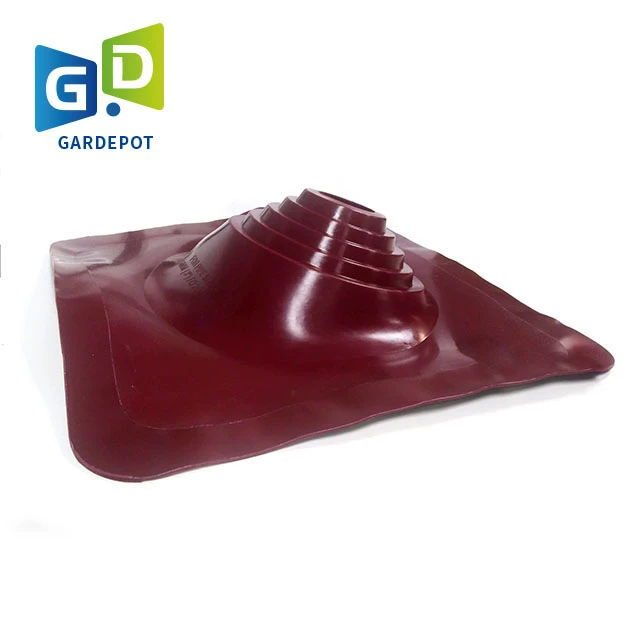
- Pre-fabricated Accessories: Many manufacturers offer pre-fabricated TPO accessories like pipe boots, corners, and drains, which significantly speed up installation and improve the integrity of detailing compared to field-fabricated components.
Engaging with a manufacturer capable of providing these tailored solutions ensures that the waterproofing system is perfectly matched to the unique demands of each project, optimizing performance and cost-effectiveness.
Application Case Studies and Success Stories
Real-world applications demonstrate the tangible benefits and reliability of tpo waterproof membrane. Here are examples showcasing its effectiveness:
Case Study 1: Large-Scale Distribution Center (Energy Saving)
Project: Installation of a TPO roofing system on a 500,000 sq ft distribution center in a hot climate (e.g., Arizona, USA).
Challenge: Minimize internal heat gain to reduce enormous cooling costs.
Solution: A 60-mil white reinforced tpo waterproofing membrane was chosen, mechanically fastened over insulation.
Result: Post-installation monitoring revealed a 20% reduction in HVAC energy consumption during peak summer months compared to previous roofing materials, leading to significant operational cost savings and improved indoor climate control for sensitive goods. The project achieved LEED Silver certification, partly due to the high solar reflectivity of the TPO membrane.
Case Study 2: Chemical Processing Plant (Corrosion Resistance)
Project: Re-roofing of a chemical storage and processing facility in Houston, Texas.
Challenge: Roofs were frequently exposed to chemical fumes and occasional spills, leading to rapid degradation of traditional roofing materials.
Solution: A specialized TPO membrane with enhanced chemical resistance additives was selected, fully adhered to the substrate. All seams were hot-air welded.
Result: After 5 years, the TPO membrane showed no signs of degradation or corrosion, maintaining its integrity and providing superior protection compared to the previous system that failed within 2 years. This extended service life drastically reduced maintenance costs and operational disruptions.
Case Study 3: Urban Green Roof Project
Project: Development of an extensive green roof on a multi-story urban office building in Vancouver, Canada.
Challenge: Implement a robust, root-resistant waterproofing layer that supports a vegetated system and offers long-term leak protection.
Solution: A heavy-duty, reinforced tpo waterproof membrane was installed as the primary waterproofing layer, underneath drainage mats, filter fabric, and growing medium.
Result: The TPO membrane successfully provided a watertight barrier, resisting root penetration and ensuring the longevity of the green roof. The building now benefits from enhanced stormwater management, improved thermal insulation, and increased biodiversity, contributing to urban sustainability goals.
Commitment to Quality: Certifications and Trust
Authoritativeness and trustworthiness are paramount in B2B transactions. Our commitment to providing superior tpo waterproofing membrane solutions is underpinned by rigorous quality assurance and adherence to international standards.
Certifications and Standards:
- ✓ ISO 9001:2015 Certified: Our manufacturing processes conform to the highest international standards for quality management, ensuring consistent product excellence.
- ✓ ASTM D6878 Compliance: All TPO products meet or exceed the Standard Specification for Thermoplastic Polyolefin Based Sheet Roofing, guaranteeing performance attributes such as tensile strength, tear resistance, and elongation.
- ✓ Cool Roof Rating Council (CRRC) Rated: Our white TPO membranes are CRRC listed, verifying their high solar reflectivity and thermal emissivity for energy-saving cool roof applications.
- ✓ FM Approvals and UL Classified: Products hold ratings from Factory Mutual (FM) and Underwriters Laboratories (UL), indicating compliance with rigorous testing for fire resistance, wind uplift, and hail resistance.
Warranty and After-Sales Support:
We stand behind the quality and performance of our TPO membranes with comprehensive warranty programs, typically ranging from 10 to 30 years, covering material defects and, in some cases, system performance when installed by certified applicators. Our dedicated customer support team provides expert guidance, technical assistance, and responsive issue resolution, ensuring long-term satisfaction and peace of mind for our clients.
Frequently Asked Questions (FAQ)
Q1: What makes TPO superior to other single-ply membranes like EPDM or PVC?
A1: TPO combines the best attributes of both EPDM and PVC. It offers the heat-weldable seams and reflectivity of PVC without the plasticizers (which can leach out over time) and the environmental benefits of EPDM but with stronger seams and often better puncture resistance. Its lighter color options also provide superior energy efficiency compared to traditional black EPDM.
Q2: What is the typical lead time for ordering TPO waterproof membrane?
A2: Standard TPO membrane orders typically have a lead time of 2-4 weeks, depending on volume and current production schedules. Customized or large-scale orders may require 4-6 weeks. We recommend contacting our sales team for precise lead time estimates based on your specific project requirements.
Q3: How is TPO waterproof membrane installed?
A3: TPO membranes can be installed in several ways: mechanically fastened (most common, using fasteners and plates to secure the membrane to the deck), fully adhered (using an adhesive to bond the membrane to the substrate), or ballasted (loose-laid with a layer of aggregate or pavers on top). All methods require hot-air welding of seams for a watertight bond.
Q4: Is TPO environmentally friendly?
A4: Yes, TPO is considered an environmentally friendly roofing option. It is recyclable, contains no chlorine or plasticizers, and its high solar reflectivity contributes to significant energy savings, reducing the carbon footprint of buildings.
Q5: What maintenance is required for a TPO roof?
A5: TPO roofs require minimal maintenance. Regular inspections (typically twice a year) to check for debris, clogged drains, and potential seam issues are recommended. Cleaning the surface can help maintain its reflective properties. Prompt repair of any damage is crucial to preserve the roof's integrity.
Conclusion
The selection of a waterproofing system is a critical decision that impacts the long-term performance, energy efficiency, and structural integrity of any building. The tpo waterproof membrane stands as a premier solution, offering a compelling combination of advanced technical specifications, proven durability, environmental benefits, and cost-effectiveness over its extensive service life. From its meticulous manufacturing process to its versatile application across diverse industries—including commercial, industrial, and specialized sectors—TPO consistently delivers superior protection.
By adhering to stringent quality standards, offering extensive customization capabilities, and backing products with robust warranties and dedicated support, we empower B2B decision-makers to invest with confidence in solutions that meet the complex demands of modern construction. Partner with us to leverage the full potential of TPO waterproofing for your next project, ensuring a resilient, sustainable, and high-performance building envelope.
References
- Thermoplastic Polyolefin (TPO) Roofing Membranes. National Roofing Contractors Association (NRCA). nrca.net
- ASTM D6878/D6878M-13: Standard Specification for Thermoplastic Polyolefin-Based Sheet Roofing. ASTM International. astm.org
- Market Analysis: TPO Roofing Membrane Market Size, Share & Trends Analysis Report By Application (Commercial, Residential, Others), By Region, And Segment Forecasts, 2023 - 2030. Grand View Research. grandviewresearch.com
- Cool Roof Rating Council (CRRC) Product Directory. coolroofs.org
- ISO 9001: Quality management systems — Requirements. International Organization for Standardization. iso.org