High-Quality Screws and Plates for Rubber Roofing – Durable, Cost-Effective Fasteners Worldwide
Screws and Plates for Rubber Roofing: Why They Matter Worldwide
When you hear "screws and plates for rubber roofing," what comes to mind? Maybe something simple, like parts to hold things down on a roof. But if you think bigger, these components actually play a crucial part in creating long-lasting, weather-resistant roofing solutions used globally in everything from commercial buildings in New York to remote shelters in sub-Saharan Africa. Understanding these seemingly humble components means understanding how quality roofing stands up to nature’s worst — storms, extreme heat, or cold — and how this affects everything from energy efficiency to human safety.
Mini takeaway: Though small, screws and plates for rubber roofing are vital for durability and worldwide shelter resilience.
The Global Picture: Why Screws and Plates for Rubber Roofing Matter
Rubber roofing, often called EPDM (ethylene propylene diene monomer), has been adopted globally for its flexibility and waterproof qualities. According to ISO standards and reports by the United Nations Office for Disaster Risk Reduction (UNDRR), roofing failures during extreme weather cause billions in damages annually. Screw-and-plate systems are key here—they ensure the membrane stays put, resisting wind uplift and expanding and contracting with temperature fluctuations.
But hold on — these systems aren’t just for keeping roofs on. In regions facing rapid urbanization, such as Southeast Asia, or disaster-prone Caribbean islands, the ability to secure rubber roofing quickly with durable fasteners directly impacts the speed and safety of construction efforts. The World Bank also iterates how infrastructure resilience is a cornerstone for sustainable development and disaster preparedness, and here’s where these screws and plates come in.
Mini takeaway: Globally, proper fastening of rubber roofs supports disaster resilience and sustainable, affordable construction.
What Exactly Are Screws and Plates for Rubber Roofing?
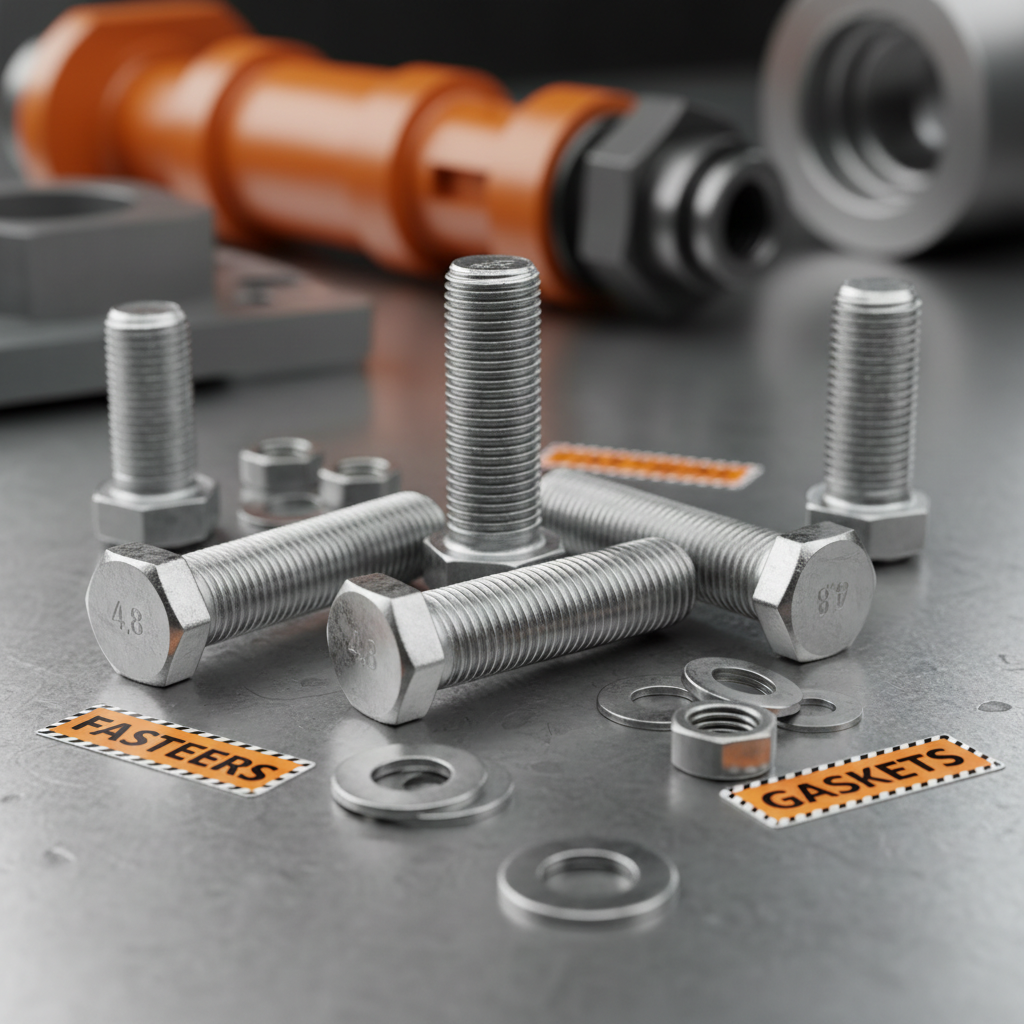
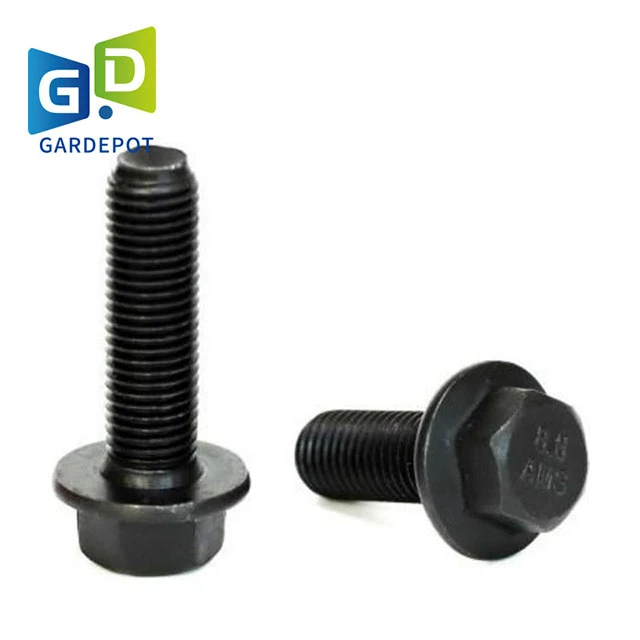
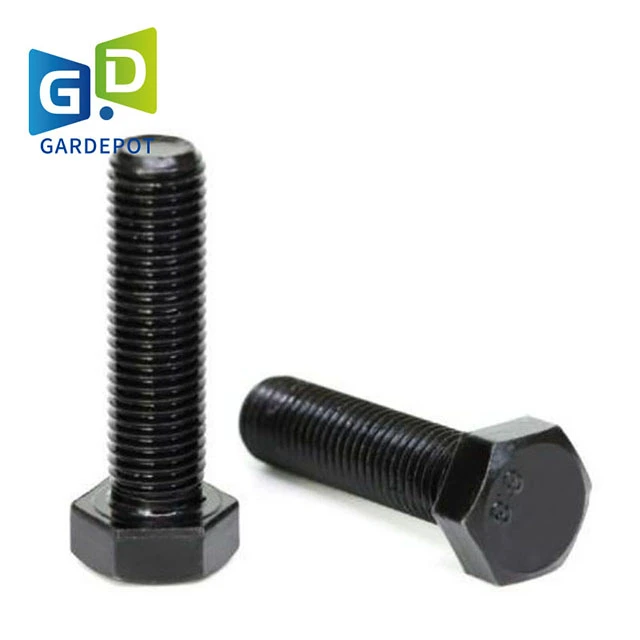
In plain terms, screws and plates for rubber roofing are specially designed fixtures that anchor flexible synthetic membranes to roof decks. Unlike ordinary screws, these have corrosion-resistant coatings and broader plates (often called washers) to prevent tearing or damage to the roofing material. The plates distribute pressure evenly, which is crucial because rubber roofs expand and contract a lot with temperature changes.
This makes them indispensable in modern construction and in humanitarian projects, like quick-deploy shelters after emergencies, where reliable roofing protects people’s dignity and safety.
Key Components That Make These Fasteners Work
1. Durability and Corrosion Resistance
Screws and plates endure harsh elements: sun, rain, snow, and salt air. Stainless steel or coated carbon steel is typical to prevent rust, which can weaken attachments and cause leaks.
2. Compatibility with Rubber Membranes
The plates’ material and size must match the elasticity and thickness of EPDM or other rubber membranes to avoid damage during expansion.
3. Ease of Installation
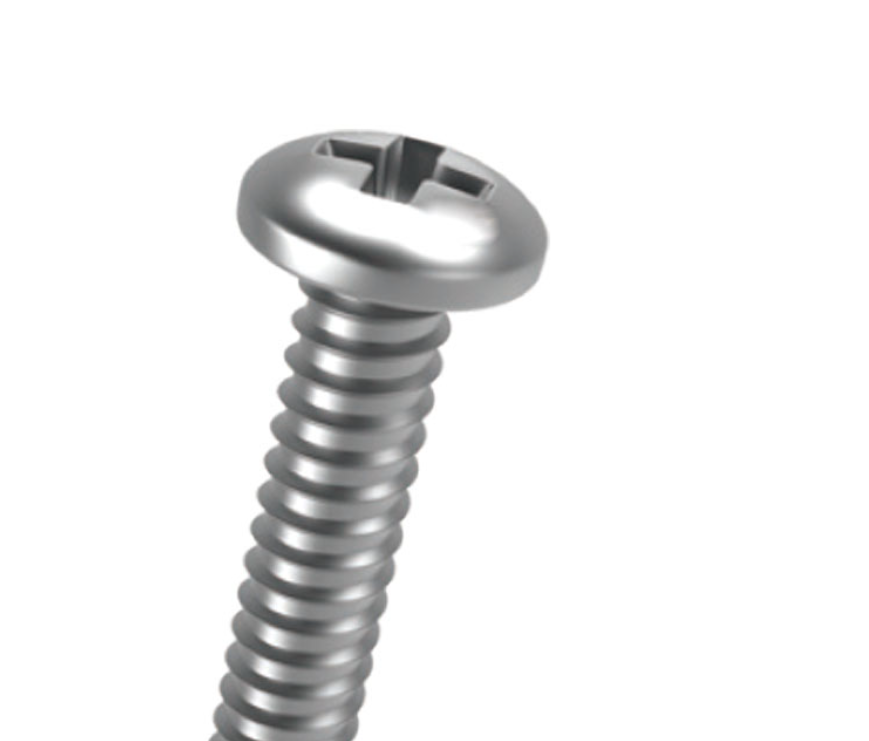
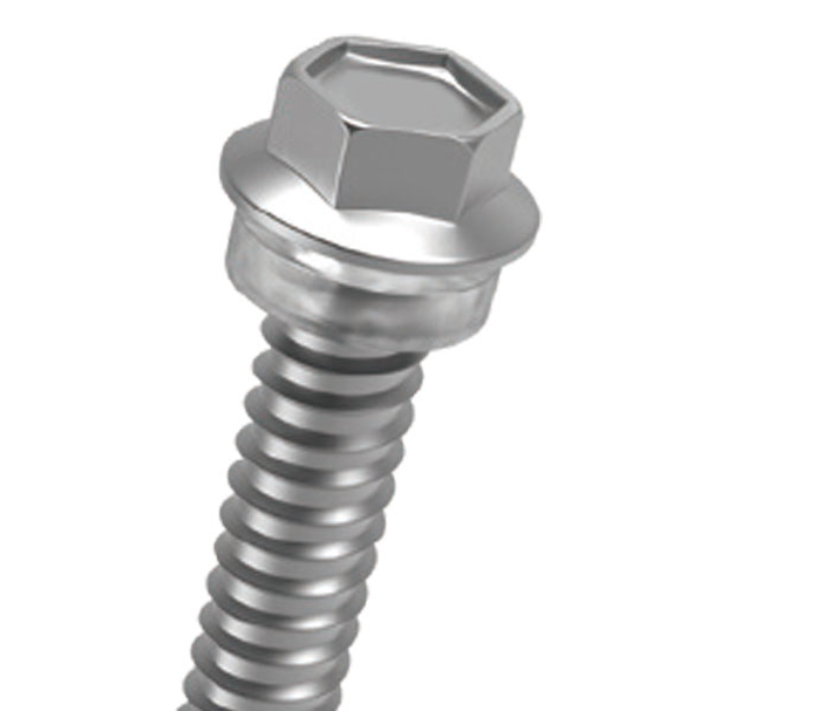
Screw designs often feature self-drilling tips or thread patterns that make fastening quicker and reduce tool fatigue—vital for large projects or remote sites where labor may be limited.
4. Cost Efficiency
Choosing the right fasteners balances upfront costs with long-term durability. Cheap alternatives might save pennies now but cause leaks and repairs later.
5. Environmental Impact
Some manufacturers now offer eco-friendly coatings or recyclable metals, appealing to the growing green building movement.
Mini takeaway: The best screws and plates combine strength, rubber compatibility, ease of use, cost-effectiveness, and sustainability.
How the World Uses Screws and Plates for Rubber Roofing
From cold climates in Canada to tropical monsoons in India, these fasteners hold roofs that protect everything inside. Consider the textile factory in Bangladesh that rebuilt its roofing with EPDM sheets fastened by specialized screws and plates after a rainstorm collapse. Production resumed quickly, saving livelihoods.
Or take disaster relief scenarios: after an earthquake or hurricane, NGOs like Red Cross deploy temporary shelters with rubber roofs that use screw-and-plate systems for quick setup and long-lasting protection. In developed countries, commercial buildings, warehouses, and even schools benefit from these attachments’ reliability.
Interesting to note — in remote industrial zones, such as mining camps in Australia, the simplicity of these fasteners means workers can easily repair roofing without specialized skills.
Mini takeaway: Whether in disaster zones or industrial sites, screws and plates make rubber roofing versatile, effective, and essential.
Clear Advantages and the Long-Term Value of Quality Fastening
- Cost Savings: Fewer leaks and less maintenance means long-term savings.
- Safety: Reliable roofs protect occupants from hazardous weather, disasters, and structural failures.
- Sustainability: Long-lasting fasteners reduce waste and energy consumption linked with repairs.
- Trust and Peace of Mind: Building owners and occupants can rely on the roof through seasons and storms.
Emotionally, a solid roof foundation offers comfort and security, intangible but deeply felt. Technically, the innovation in screw coatings and plate design reflect industry responses to real-world challenges.
Product Specification Table: A Typical Screw and Plate Set for Rubber Roofing
| Feature | Specification | Benefit |
|---|---|---|
| Material | Stainless steel (304 or 316) | Corrosion resistance in harsh climates |
| Plate diameter | 40 mm | Even pressure distribution, protects membrane |
| Screw length | 50 mm | Secure grip in different roof decks |
| Coating | Epoxy or ceramic-based | Extra durability and UV protection |
| Thread type | Self-drilling, fine-pitch | Faster and easier installation |
Comparing Top Vendors: Screws and Plates for Rubber Roofing
| Vendor | Material Quality | Price Range | Eco-friendly Options | Distribution |
|---|---|---|---|---|
| RoofFast Solutions | 316 Stainless Steel | $$$ (Premium) | Yes (biodegradable coating) | North America, Europe |
| EcoFasteners Inc. | 304 Stainless Steel | $$ (Mid-tier) | Yes (recycled metal) | Global |
| Budget Nails & Screws | Zinc-plated Carbon Steel | $ (Economy) | No | Limited (Asia, Africa) |
Looking Ahead: Future Trends in Rubber Roofing Fasteners
Innovation doesn’t stop with screws and plates being “just fasteners.” Ahead, you’ll see coatings that self-heal minor damage, enhanced polymers mixed with metals for better strength-weight ratios, and smart fasteners embedded with tiny sensors to monitor roof health remotely. Digital transformation in construction logistics also means quicker delivery and better quality control.
Green building certifications like LEED increasingly push for fastener inventory sustainability — manufacturers are working on reducing carbon footprints and introducing recyclable packaging.
Challenges and How Experts Are Tackling Them
The main issues? Installation mistakes, subpar materials, and price pressures that tempt users toward cheaper but less reliable products. Poor fastening can cause membrane punctures or wind damage.
Experts recommend comprehensive training for contractors, strict material standards adherence, plus on-site QC with handheld moisture meters and fastener pull tests. Also, software tools now assist architects and engineers in specifying proper screw and plate combos — technology and skill combined.
FAQ: Your Burning Questions About Screws and Plates for Rubber Roofing
Q1: Are all screws and plates compatible with every type of rubber membrane?
A: Not quite. Compatibility depends on membrane thickness and elasticity. For example, thicker EPDM roofs require larger plates to avoid tearing, while thinner membranes might need smaller fasteners. Always check manufacturer specs for the best match.
Q2: How do screws and plates improve the lifespan of rubber roofing?
A: By securely anchoring the membrane and distributing pressure evenly, they prevent movement and damage caused by wind uplift and temperature changes, greatly extending the roof’s usable life.
Q3: Can these fasteners be used in hurricane-prone or seismic zones?
A: Absolutely. Many fasteners are tested to meet wind uplift and seismic codes. Using high-quality stainless steel screws combined with wide plates is essential in these regions.
Q4: How do I choose between coated carbon steel and stainless steel fasteners?
A: Stainless steel offers superior corrosion resistance, especially near salty or humid environments but comes at a higher price. Coated carbon steel may be adequate for inland areas with less exposure.
Q5: Where can I find reliable suppliers of screws and plates for rubber roofing?
A: Several vendors specialize in these fasteners. For a start, check out screws and plates for rubber roofing suppliers that provide quality certifications, warranties, and technical support.
Wrapping It Up: Why Investing Wisely Matters
Ultimately, screws and plates for rubber roofing are much more than just hardware; they're the unsung heroes ensuring roofs protect residents, businesses, and infrastructure worldwide. Their quality and application impact costs, safety, environmental sustainability, and resilience against extreme weather — increasingly vital given the climate challenges ahead.
Next time you gaze up at a flat rubber roof, think about the small fasteners holding it all together. They matter, and the right choice makes all the difference.
Explore more and secure your roofing projects today: https://www.gardepota.com