High-Quality Sunk Bolts for Industrial Use | Garde Pota
Understanding the Practical Uses of a sunk bolt in Industrial Equipment
Having spent quite a number of years in the industrial equipment sector, I can tell you one thing: the little details often make a massive difference. Oddly enough, components like the sunk bolt tend to be that overlooked hero. I suppose it’s because they’re not flashy, but when you ask any seasoned engineer or technician, they’ll tell you how critical these elements are for secure, flush fastening in heavy machinery or construction.
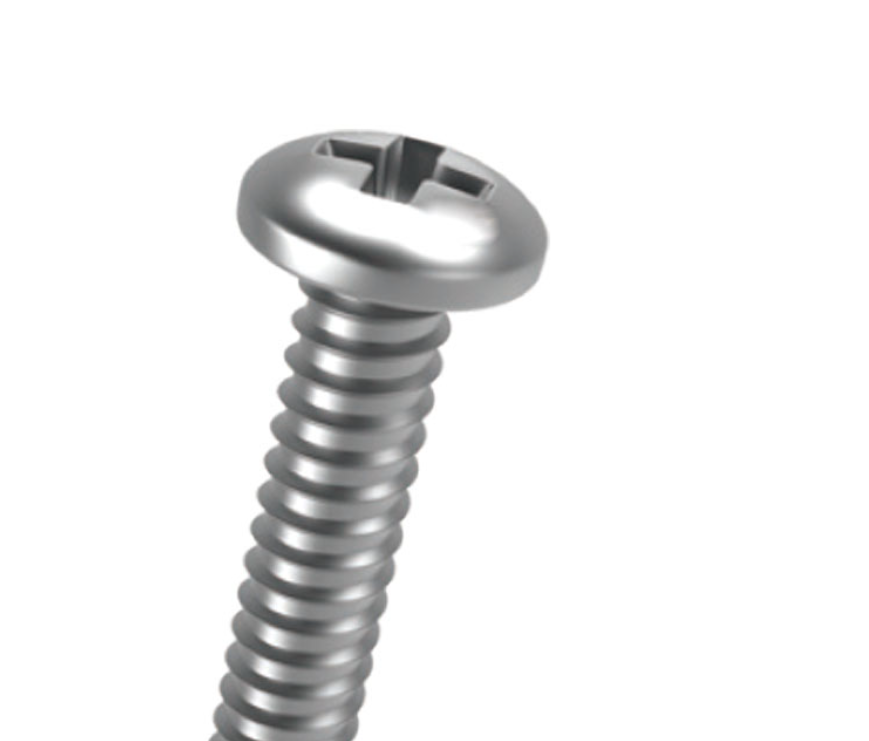
So, what exactly makes the sunk bolt stand out? In real terms, a sunk bolt (sometimes called a countersunk bolt) is designed so its head sits flush or just below the surface of the material it's fastening. This sleek fitting isn’t just about looks — it reduces snagging, prevents interference with moving parts, and offers a cleaner finish. When safety and durability are on the line (and they always are), those benefits become non-negotiable.
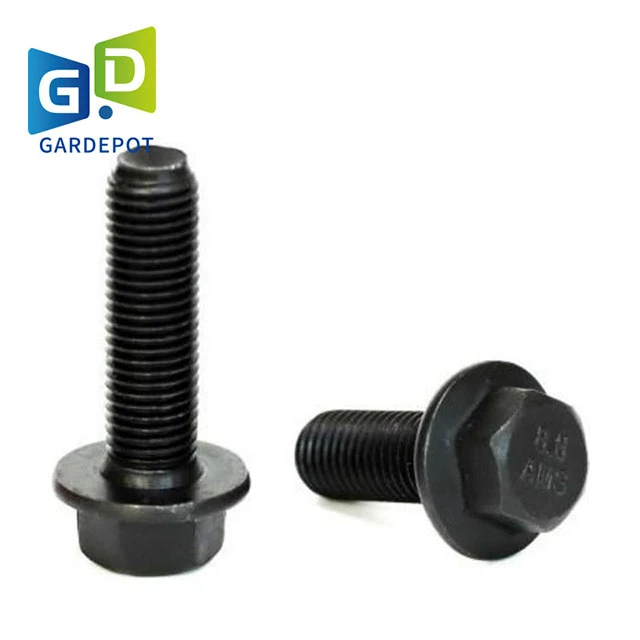
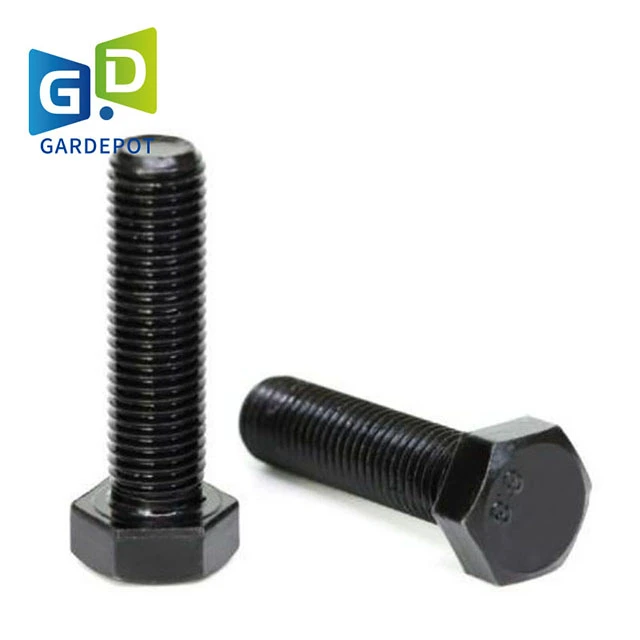
Materials and manufacturing, naturally, play a huge role. You’ll usually see sunk bolts made from high-grade steel alloys, stainless steel variants for corrosion resistance, or even specially treated metals for high-temperature environments. Many manufacturers run these bolts through rigorous tensile and shear testing. I’ve witnessed firsthand how failing to meet spec here can lead to costly equipment downtime — not something to take lightly.
Customization, frankly, is where sunk bolts get interesting. Depending on what you’re fastening — say, heavy industrial panels versus precision machinery components — you might need different head styles (flat, oval), thread types, or coatings. One customer I recall needed specifically coated sunk bolts that could withstand a highly corrosive marine environment without compromising strength. After a bit of back-and-forth, the supplier focused on a special zinc-nickel coating, and the bolts performed flawlessly for years.
| Specification | Details |
|---|---|
| Material | Stainless Steel A2, Carbon Steel, Alloy Steel |
| Head Type | Flat Countersunk, Oval Countersunk |
| Thread Size | M3 to M24 (custom sizes available) |
| Finish / Coating | Zinc Plated, Black Oxide, Zinc-Nickel |
| Typical Applications | Construction, Machinery Assembly, Marine Equipment |
If you’re weighing suppliers or deciding what’s best for your next project, some vendor traits can really steer your decision. Below is a quick snapshot comparing a few common options on market — this comparison is based on direct experience and industry feedback, so it should give a realistic view.
| Vendor | Quality Control | Customization | Lead Time | Price Range |
|---|---|---|---|---|
| Garde Pota | ISO 9001 Certified, Batch Testing | High (Tailored coatings & sizes) | 2-3 weeks | Mid-Range |
| Vendor B | Standard QC | Medium | 4 weeks | Lower |
| Vendor C | Basic QC | Low | 1-2 weeks | Budget |
Standing back a bit, the sunk bolt might seem like “just another component,” but it quickly becomes apparent how its design nuances impact everything from assembly efficiency to long-term reliability. Many engineers say it’s those small flush fittings that prevent costly repairs down the line.
Whether you’re retrofitting an existing machine or designing fresh equipment, it’s worth investing that little extra time to pick the right sunk bolt. Frankly, it feels like a simple thing that pays off big — you know, small parts, big impact.
In the end, whether you’re sourcing from established players like Garde Pota or exploring alternatives, make sure your choice ticks all your boxes—from material endurance to lead times.
References:
- Industry Standards for Fasteners, ISO 9001 Documentation
- Case Notes from Marine Equipment Retrofit, 2022
- User Feedback on Industrial Fasteners, Machinery Journal, 2023