Fastening systems in industrial construction often fail not because of the primary bolt, but because of the failure to distribute load across soft substrates. In high-performance roofing and wall installations, the interface between the structural fastener and the insulation layer is a critical point of potential vulnerability.
The reliance on standardized hardware requires a deep understanding of how materials like galvanized steel and stainless steel interact under sustained pressure. When securing heavy-duty panels over thermal barriers, the risk of "pull-through"—where the fastener sinks into the insulation—can compromise both the structural integrity and the energy efficiency of the entire building.
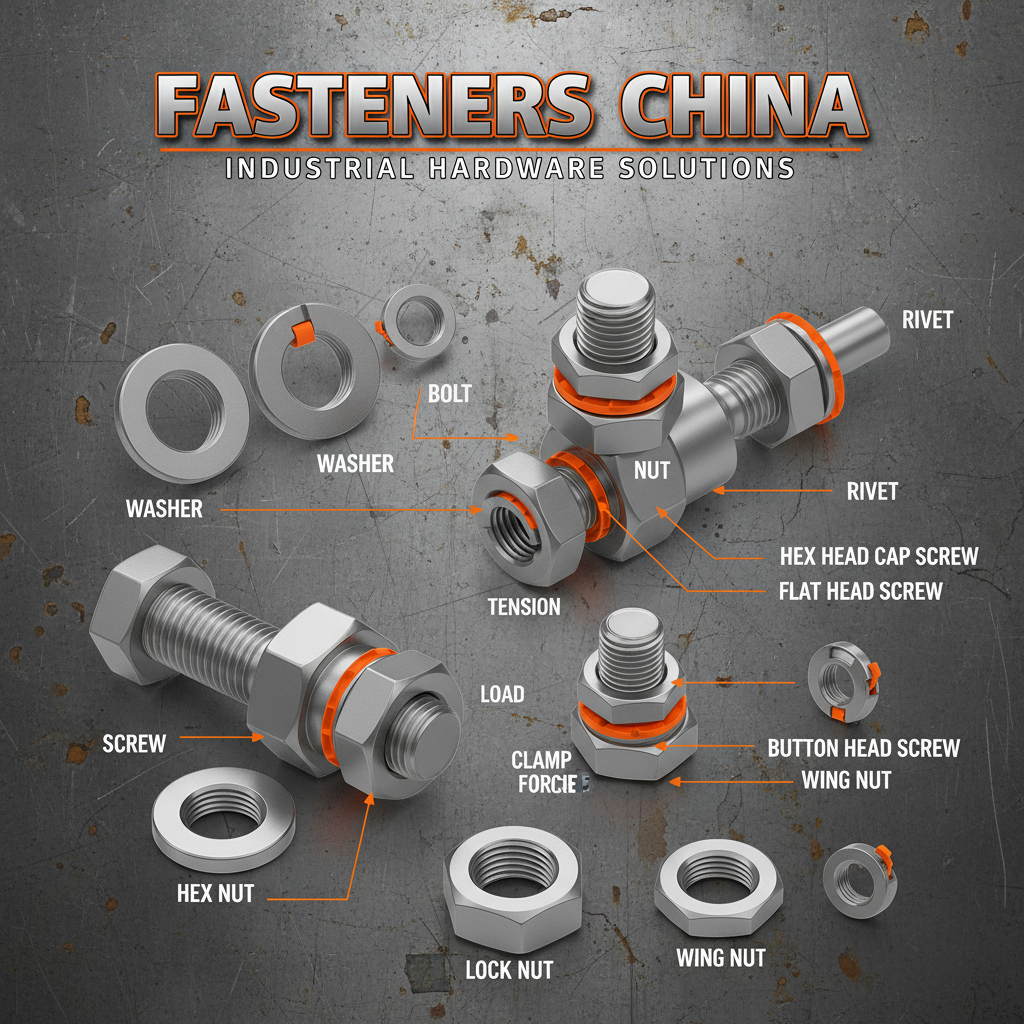
Addressing these challenges requires a combination of precision-engineered components and high-quality hardware. By integrating a china hex nut with specialized load-distribution plates, engineers can ensure a secure fit that preserves the thermal properties of the installation.


The fundamental challenge in fastening through insulation is the disparity in material density. While a bolt or a china hex nut provides high concentrated clamping force, the underlying insulation (such as mineral wool or foam) has low compressive strength. Without a distribution medium, the fastener simply cuts through the insulation, leading to loose panels and air leaks.
A 3-inch insulation plate solves this by expanding the bearing surface. By converting a small, concentrated point of pressure into a wider area of distribution, the plate ensures that the structural load is shared across a larger section of the insulation, maintaining the integrity of the thermal layer while providing a rigid anchor point.
Environmental exposure dictates the longevity of any fastening system. In outdoor roofing or HVAC installations, fasteners are subject to constant humidity, temperature fluctuations, and potentially corrosive airborne chemicals. Selecting the wrong material can lead to oxidation, which not only weakens the physical connection but can also cause staining on the exterior facade of a building.
Galvanized steel remains a standard for general construction due to its balance of cost and corrosion resistance. However, for high-salinity coastal areas or sterile industrial environments, stainless steel is preferred. These materials ensure that the 3” insulation plate and associated nuts remain structurally sound over decades of service, preventing rust-induced failure.
Beyond the base metal, advanced coatings—such as aluminum-magnesium or electrophoresis—provide an additional barrier against environmental wear. This multi-layered approach to material science ensures that the fastening assembly can withstand high-moisture conditions without compromising the holding power of the system.
One of the most overlooked risks in industrial insulation is the "compression set." When a fastener is over-tightened, it compresses the insulation material, creating a dense spot that conducts heat more readily than the surrounding airy structure. This phenomenon, known as thermal bridging, can significantly reduce the overall R-value of a wall or roof.
The primary technical objective of a distribution plate is to maintain the original thickness and density of the insulation layer by preventing localized deformation during the tightening process.
By utilizing a standardized 3-inch diameter, the plate prevents the fastener from pulling through the material while simultaneously ensuring that the pressure is low enough to avoid crushing the insulation fibers. This balance is essential for maintaining the acoustic and thermal properties required for LEED-certified or energy-efficient buildings.
Evaluating the effectiveness of an insulation plate involves analyzing several relative indices, including load distribution efficiency, corrosion resistance, and ease of installation. A higher distribution index indicates a lower risk of material pull-through, which is critical when working with softer, high-efficiency insulation foams.
When comparing different plate sizes and materials, the relationship between surface area and holding power becomes evident. A 3-inch plate typically offers the optimal trade-off between structural support and installation speed, making it a versatile choice for diverse commercial projects.
In a typical industrial setting, such as the construction of a cold-storage warehouse, the requirements for fastening are extreme. The temperature differential between the interior and exterior creates significant stress on the fasteners. Here, the use of a china hex nut paired with a high-grade stainless steel insulation plate prevents the fasteners from loosening due to thermal expansion and contraction.
Similarly, in commercial roofing systems, the installation of TPO or PVC membranes over rigid insulation requires a stable base. The 3-inch plate provides the necessary bearing surface to ensure that wind uplift forces are distributed across the insulation rather than concentrating on the bolt head, thereby preventing membrane failure and water leakage.
The industry is moving toward "low-impact" fastening, where the goal is to minimize the physical footprint of the fastener on the building's envelope. This involves the development of lightweight yet ultra-strong composites that can provide the same load distribution as steel but with lower thermal conductivity, further reducing heat loss.
Automation is also playing a role. The integration of automatic tools for precise torque application ensures that fasteners are tightened to the exact specification—enough to secure the structure, but not so much that they compress the insulation. This precision reduces waste and improves the long-term energy efficiency of the building.
As building codes become more stringent regarding carbon emissions, the focus will shift toward the lifecycle of these components. Recyclable metals and long-lasting coatings that eliminate the need for frequent replacements are becoming the priority for engineers and procurement managers.
Selecting the right combination of fasteners depends on the specific environmental and structural constraints of the project. For example, a project utilizing Mgo products or high-strength boards requires different clamping forces than one using soft glass wool.
The trade-off usually lies between initial cost and long-term durability. While carbon steel is economical, the lifecycle cost of stainless steel is often lower in corrosive environments due to reduced maintenance and replacement needs.
The following framework provides a relative assessment of different material and component combinations based on typical industrial requirements.
| Scenario | Recommended Material | Plate Requirement | Suitability Index |
|---|---|---|---|
| Coastal Roofing | Stainless Steel | 3" Coated Plate | High |
| Indoor HVAC | Galvanized Steel | Standard Plate | Medium |
| Cold Storage | Bimetal / Stainless | Wide Load Plate | High |
| Residential Wall | Carbon Steel | Small/Med Plate | Medium |
| Industrial Plant | Coated Steel | 3" Reinforced | High |
| Temporary Sheds | Zinc Plated | None/Basic | Low |
The primary function of an insulation plate, such as the 3" version, is to distribute the clamping force of a bolt or nut over a wider surface area. This prevents the fastener from compressing or pulling through soft insulation materials, which maintains the structural stability of the panel and preserves the thermal and acoustic properties of the insulation layer.
The choice depends on the environment. Galvanized steel is suitable for general construction and dry indoor environments. Stainless steel is required for high-moisture, coastal, or chemically aggressive environments where rust prevention is critical for long-term structural safety and aesthetics.
While designed for versatility, they are most effective when paired with compatible screws, threaded bolts, or a china hex nut. Compatibility depends on the shaft diameter and the required torque. Always ensure the fastener length accounts for the thickness of the plate to ensure full engagement.
Omitting the plate often leads to "point loading," where the fastener sinks into the insulation. This causes the exterior panels to bow or loosen over time, creating gaps that allow water infiltration and air leaks, which significantly degrades the energy efficiency of the building.
Yes, but in a positive way. By preventing the crushing of insulation material, the plate ensures that the air pockets within the insulation remain intact. This prevents the creation of thermal bridges, thereby maintaining the design R-value of the wall or roof system.
Common industrial coatings include aluminum-magnesium, Ruspert, and electrophoresis. These are preferred over simple zinc plating for their superior resistance to salt spray and chemicals, ensuring the plate does not corrode and weaken the fastening point over time.
The integrity of an industrial building's envelope depends on the smallest details of its fastening system. By combining a reliable china hex nut with a precision-engineered 3" insulation plate, contractors can effectively mitigate the risks of material compression and pull-through.
As the industry shifts toward higher energy standards and more durable materials, the integration of load-distribution components is no longer optional but a technical necessity for sustainable, high-performance construction.