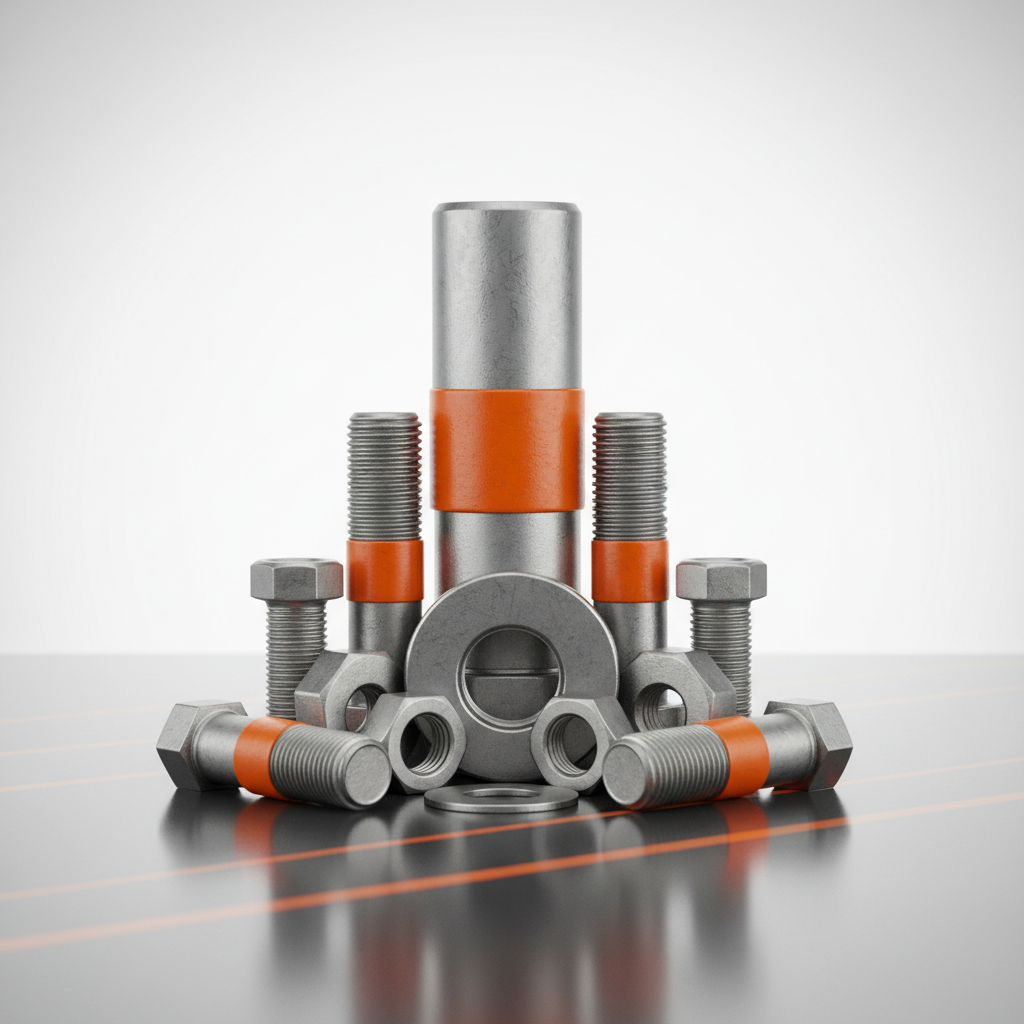
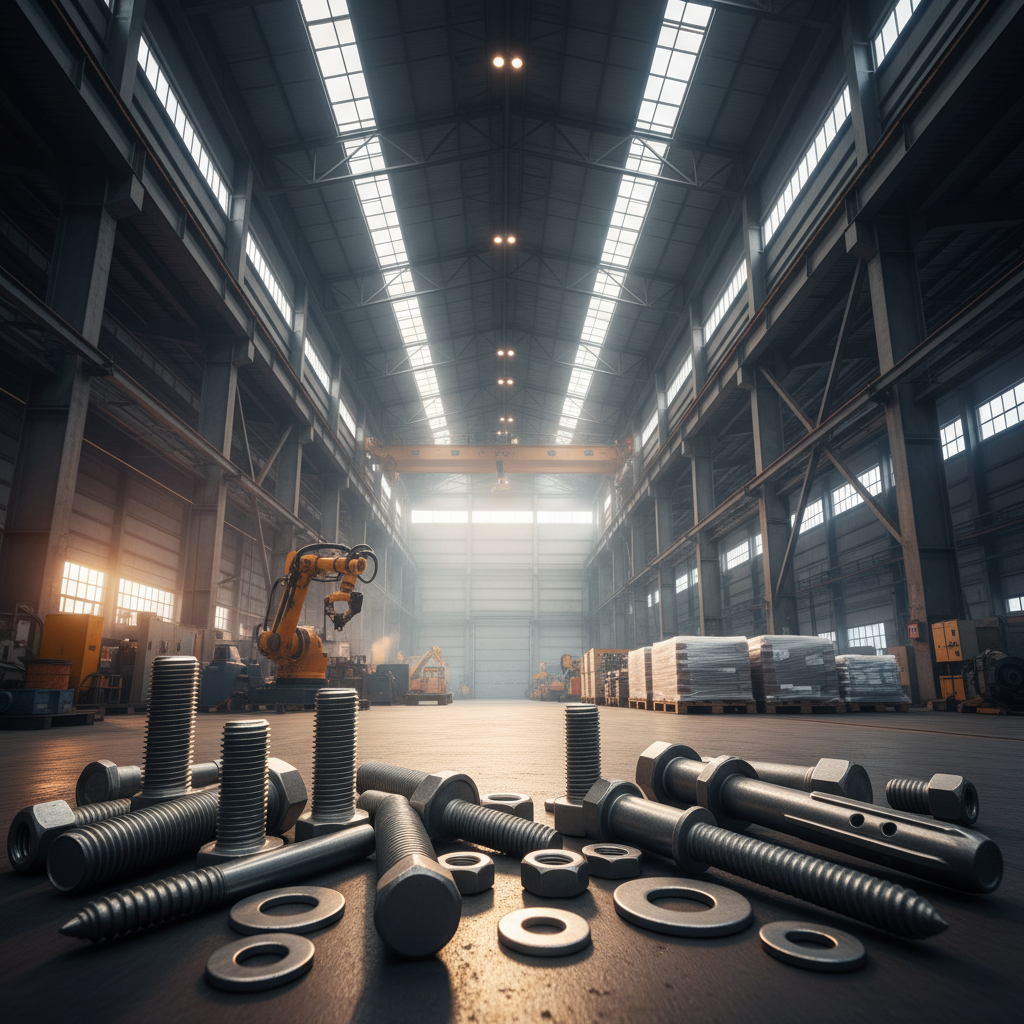
Metal fasteners are ubiquitous components in modern infrastructure and manufacturing, playing a crucial role in joining materials and ensuring structural integrity. From the smallest electronics to the largest bridges, these seemingly simple elements underpin countless aspects of our daily lives. Understanding the principles behind their design, manufacturing, and application is vital for engineers, builders, and anyone involved in creating durable and reliable products and structures. The global market for metal fasteners is substantial and continually expanding, driven by growth in construction, automotive, aerospace, and various other industries.
The importance of metal fasteners extends beyond simply holding things together. They impact safety, efficiency, and longevity in countless applications. Poorly chosen or improperly installed fasteners can lead to catastrophic failures, making knowledge of their properties and best practices paramount. Furthermore, advancements in materials and manufacturing techniques are constantly improving fastener performance, offering solutions for increasingly demanding engineering challenges. The efficient use of metal fasteners contributes to resource optimization and reduced waste.
This understanding of metal fasteners is increasingly important in a world focused on sustainable practices and resilient infrastructure. Innovative fastening solutions are being developed to address environmental concerns and enhance the durability of structures in the face of climate change.
Introduction to Metal Fasteners
Metal fasteners are the essential components that securely join materials together, creating robust and lasting assemblies. They are fundamentally vital across countless sectors, including construction, automotive, aerospace, and electronics. Their selection and proper implementation directly impact the reliability, safety, and longevity of any structure or product.
The development of metal fasteners has evolved alongside advancements in metallurgy and manufacturing. Early fasteners were often rudimentary, relying on basic materials and techniques. However, with the advent of standardized threads, improved alloys, and precision manufacturing processes, metal fasteners have become sophisticated engineering elements capable of withstanding extreme conditions and loads.
Defining Metal Fasteners
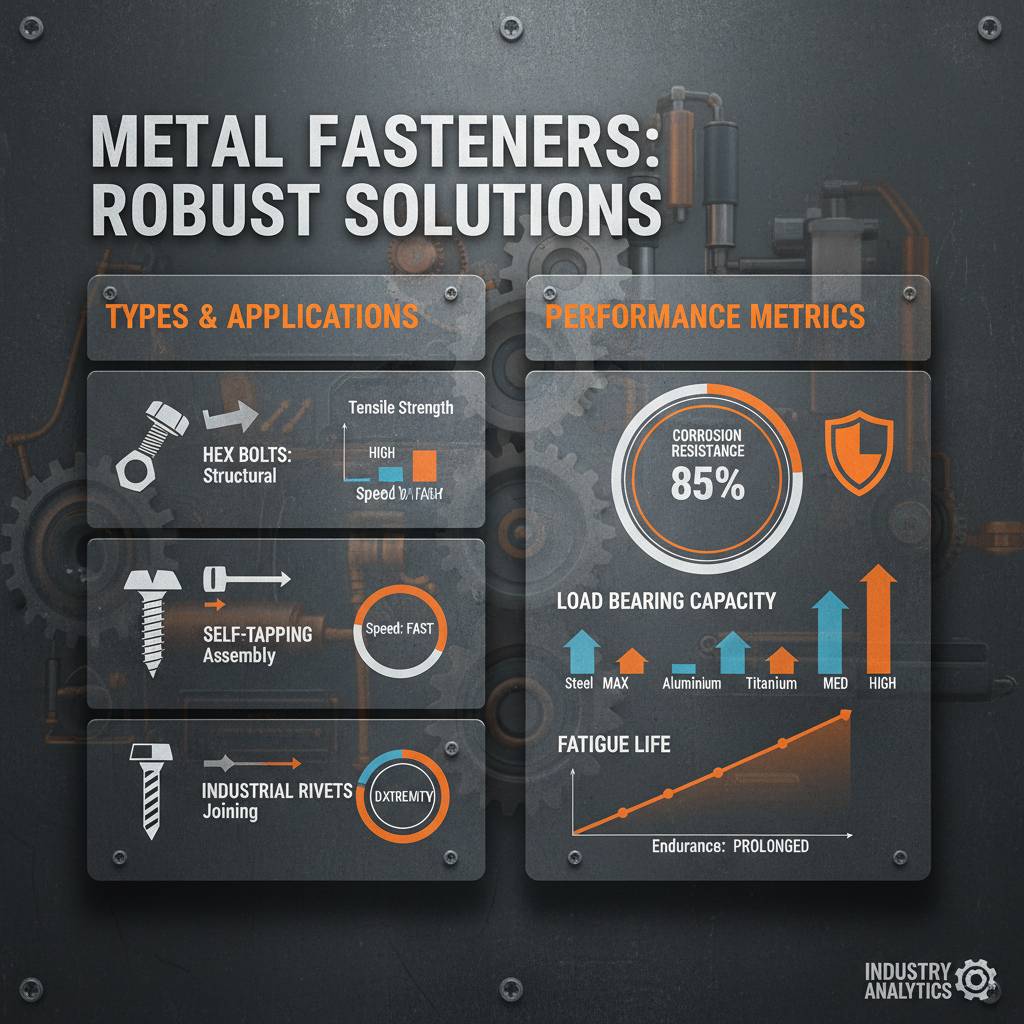
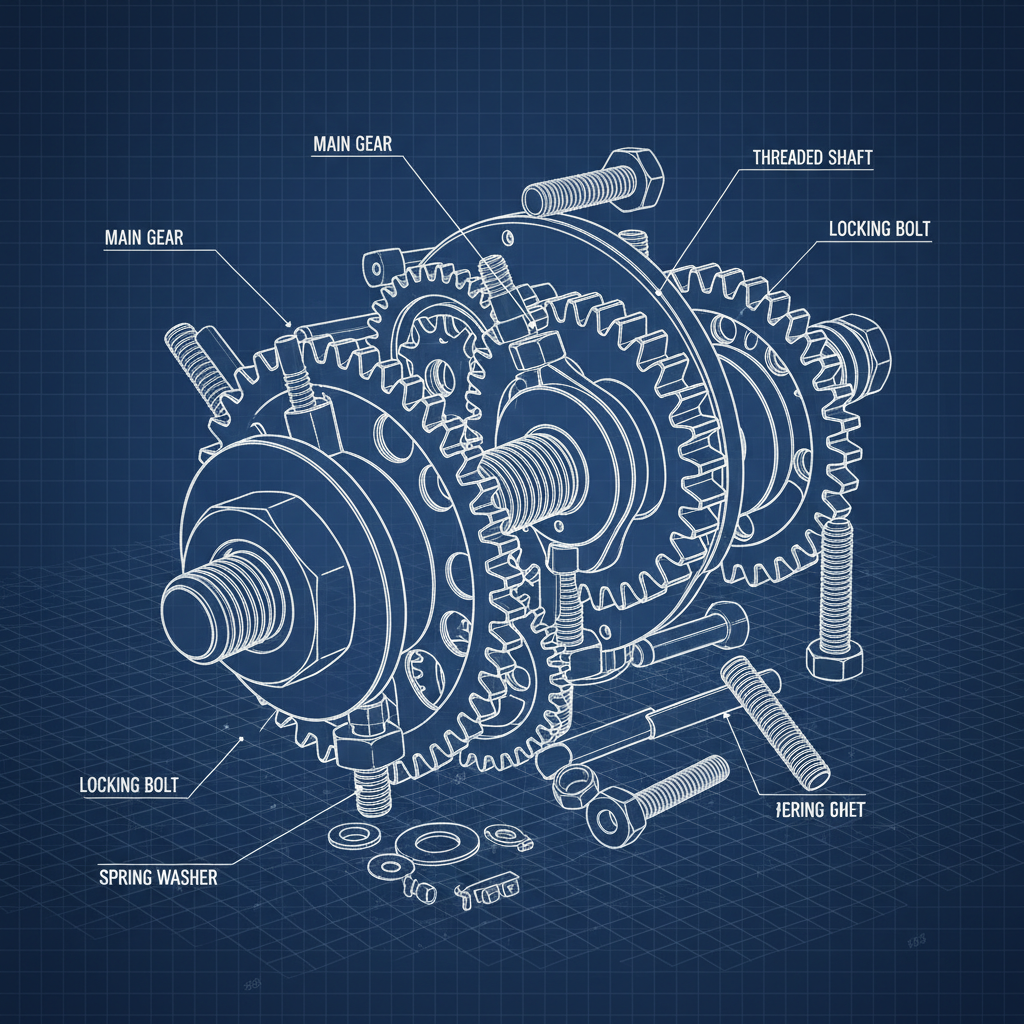
At their core, metal fasteners are mechanical joining elements designed to create a secure connection between two or more components. They utilize various mechanisms – threads, pressure, friction, or a combination thereof – to achieve this. Common examples include bolts, screws, nuts, rivets, and washers. These are typically manufactured from metals like steel, stainless steel, aluminum, brass, and titanium, each offering different properties in terms of strength, corrosion resistance, and weight.
The connection of metal fasteners to modern industry is inseparable. Without these components, mass production, complex machinery, and large-scale construction would be significantly hampered. They facilitate disassembly for maintenance or repair, allowing for efficient product lifecycle management.
Beyond industrial applications, metal fasteners also play a role in humanitarian efforts. In disaster relief and emergency housing construction, rapidly deployable structures rely heavily on standardized metal fasteners for quick assembly and structural stability.
Core Components of Metal Fasteners
One of the most critical aspects of metal fasteners is their Durability. The ability to withstand stress, fatigue, and environmental factors directly impacts the lifespan and reliability of the assembled product. Selecting the appropriate metal alloy and surface treatment is paramount for ensuring longevity, particularly in harsh environments.
Scalability refers to the availability of fasteners in a wide range of sizes, materials, and configurations to meet diverse application requirements. Standardized dimensions and threading systems, such as ISO and ANSI, are crucial for ensuring interoperability and simplifying the procurement process. This allows for efficient adaptation to changing project needs.
Cost Efficiency is a significant consideration in many applications. While high-performance fasteners can be expensive, they often represent a cost-effective solution in the long run by reducing maintenance, preventing failures, and extending the service life of the assembled product. Careful material selection and optimized design can also minimize costs without compromising performance.
Applications Across Industries
Metal fasteners are integral to the Automotive industry, securing everything from engine components to body panels. High-strength bolts and screws are essential for ensuring the safety and reliability of vehicles. In Aerospace, where weight and performance are critical, specialized fasteners made from titanium alloys are employed to withstand extreme temperatures and stresses.
The Construction sector relies heavily on metal fasteners for building structures, bridges, and infrastructure. Bolts, screws, and rivets are used to join steel beams, concrete elements, and other construction materials. In Electronics, tiny screws and standoffs are used to secure circuit boards, components, and enclosures.
In post-disaster relief operations, quickly assembled shelters utilizing standardized metal fasteners provide immediate housing for affected populations. In remote industrial zones, where specialized parts may be difficult to source, the availability of common metal fasteners simplifies maintenance and repair procedures.
Metal Fastener Application Distribution
Advantages of Metal Fasteners
One of the primary advantages of using metal fasteners is their Reliability. When properly selected and installed, they provide a strong and durable connection that can withstand significant loads and stresses. This translates to increased safety and reduced risk of failure.
Metal fasteners also offer significant Cost Savings over alternative joining methods, such as welding or adhesive bonding, in many applications. They are relatively inexpensive to manufacture and install, and they allow for easy disassembly and reassembly, reducing maintenance costs.
Future Trends in Fastening Technology
The future of metal fasteners is inextricably linked to advancements in materials science and manufacturing techniques. The development of new, high-strength alloys and corrosion-resistant coatings will further enhance fastener performance. Self-locking fasteners and smart fasteners with integrated sensors are emerging technologies offering improved safety and monitoring capabilities.
Automation and robotic assembly are streamlining fastener installation processes, increasing efficiency and reducing labor costs. Furthermore, digital twin technology and predictive maintenance are being used to optimize fastener life cycle management and prevent failures.
Sustainability is also driving innovation in the fastener industry. The use of recycled materials and eco-friendly coatings is becoming increasingly prevalent, reducing the environmental impact of fastener production and disposal.
Challenges and Innovative Solutions
A common challenge in the metal fastener industry is ensuring consistent quality control and preventing counterfeiting. Substandard fasteners can compromise the integrity of critical structures and lead to catastrophic failures. Implementing rigorous testing procedures and traceability systems is essential for mitigating this risk.
Corrosion remains a significant concern, particularly in harsh environments. Developing advanced coatings and corrosion-resistant alloys is crucial for extending fastener life and reducing maintenance requirements. Innovative solutions like cathodic protection and sacrificial anodes are also being explored.
Another challenge is addressing the environmental impact of fastener production and disposal. Promoting the use of recycled materials, developing eco-friendly coatings, and implementing closed-loop manufacturing processes can significantly reduce the industry's carbon footprint.
Summary of Future Trends and Challenges in Metal Fastener Technology
| Trend/Challenge |
Impact on Metal Fasteners |
Severity (1-10) |
Mitigation Strategy |
| Counterfeit Fasteners |
Compromised structural integrity and safety risks. |
9 |
Robust traceability systems & rigorous testing. |
| Corrosion Resistance |
Reduced fastener lifespan, increased maintenance costs. |
8 |
Advanced coatings, corrosion-resistant alloys. |
| Sustainable Materials |
Environmental impact of production and disposal. |
7 |
Recycled materials, eco-friendly coatings. |
| Automated Assembly |
Increased efficiency and reduced labor costs. |
6 |
Robotic integration & process optimization. |
| Smart Fasteners |
Real-time monitoring and predictive maintenance. |
5 |
Integration of sensors & data analytics. |
| Material Costs |
Fluctuating prices impacting overall project budgets. |
4 |
Supplier diversification & long-term contracts. |
FAQS
Several metals are widely employed in creating metal fasteners, each offering unique properties. Carbon steel is prevalent due to its strength and affordability, but it's susceptible to corrosion. Stainless steel provides superior corrosion resistance, making it ideal for outdoor or harsh environments. Aluminum is lightweight and corrosion-resistant, useful in applications where weight is a concern. Titanium offers exceptional strength-to-weight ratio and corrosion resistance, often used in aerospace and high-performance applications. Brass and other alloys are also used for specialized applications.
Thread pitch, the distance between threads, significantly impacts a fastener's strength. A finer pitch (more threads per inch) generally leads to a stronger fastener, as it provides a larger contact area and distributes stress more effectively. However, finer pitches can be more susceptible to cross-threading. Coarser pitches are easier to assemble but may not offer the same level of strength. Choosing the appropriate pitch is crucial for the application's load requirements and assembly conditions.
Fastener failures can arise from multiple sources. Overloading the fastener beyond its specified capacity is a frequent cause. Corrosion weakens the metal, reducing its strength. Fatigue, from repeated stress cycles, can lead to cracks and eventual failure. Improper installation, like over-tightening or cross-threading, can also induce failure. Finally, using the wrong type of fastener for the application can compromise its integrity.
Coatings play a critical role in protecting metal fasteners from corrosion and extending their service life. Zinc plating is a common and cost-effective coating for carbon steel fasteners. Galvanization provides a thicker zinc layer for enhanced protection. Other coatings like nickel, chrome, and specialized polymer coatings offer varying degrees of corrosion resistance and aesthetic finishes. The choice of coating depends on the specific environmental conditions and application requirements.
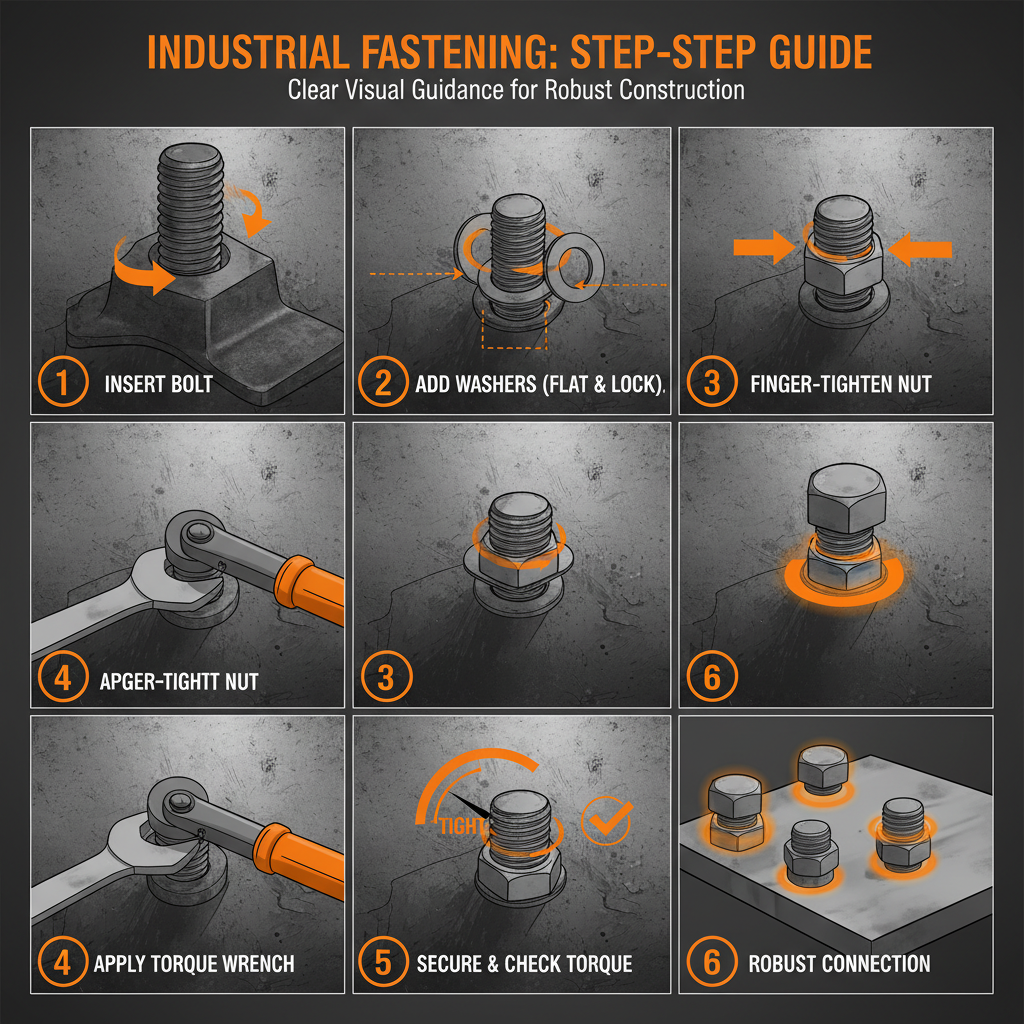
Proper torque is absolutely critical during fastener installation. Under-torquing can lead to loosening and potential failure, while over-torquing can strip threads or damage the fastener. Manufacturers specify torque values for each fastener based on its size, material, and application. Using a calibrated torque wrench is essential for ensuring the correct clamping force and maintaining the integrity of the connection.
While often used interchangeably, bolts and screws are distinct. Bolts typically require a nut to create a clamped joint, and are generally used in heavier-duty applications. They often have a hex head. Screws, on the other hand, can thread directly into the material being joined and don't necessarily require a nut. They come in various head styles (flat, pan, round, etc.) and are commonly used for lighter-duty applications. The fundamental difference lies in how they create the fastening force.
Conclusion
In conclusion, metal fasteners represent a foundational element of modern engineering and construction. Their durability, scalability, and cost-effectiveness have made them indispensable across countless industries. Understanding the various types of metal fasteners, their properties, and their applications is critical for ensuring the safety, reliability, and longevity of structures and products. The ongoing advancements in materials, manufacturing techniques, and smart technologies are continually expanding the possibilities for fastening solutions.
Looking ahead, the future of metal fasteners will be shaped by a growing emphasis on sustainability, automation, and data-driven decision-making. Embracing these trends will be essential for optimizing fastener performance, reducing environmental impact, and ensuring continued innovation in this vital field. To explore our extensive range of high-quality metal fasteners, and to learn more about how we can support your project needs, visit our website at metal fasteners.