Long Threaded Bolt: Key Applications, Benefits & Innovations in Industrial Fastening
Unlocking the Value of the Long Threaded Bolt: More Than Just a Fastener
If you’ve ever assembled heavy machinery or tackled large-scale construction, you know that not all bolts are created equal. Enter the long threaded bolt: a seemingly straightforward component but one that plays a surprisingly crucial role across countless industries worldwide. Understanding these bolts isn’t just an engineering exercise — it’s key to optimizing safety, reducing downtime, and promoting efficient manufacturing globally. So why does the long threaded bolt matter beyond just hardware stores? Let’s dig in.
The Global Stage: Why Long Threaded Bolts Matter More Than You Think
Bolts everywhere hold the modern world together, quite literally. But long threaded bolts are a different breed — their extended threads provide far superior grip and flexibility in assembly. According to the International Organization for Standardization (ISO), fasteners like these contribute significantly to industrial efficiency, reducing failures by up to 30% in structural applications (1). As global infrastructure projects — from bridges in Asia to wind farms in Europe — surge ahead, demand for reliable, scalable fastening solutions like long threaded bolts rises accordingly.
Oddly enough, in post-disaster zones where rapid deployment of temporary shelters is pivotal, engineers lean on these bolts for quick, safe assembly. So whether it’s industrial mega-projects or humanitarian help, the long threaded bolt quietly keeps things together. But what exactly do we mean by “long threaded bolt” here?
Defining the Long Threaded Bolt: What’s in a Name?
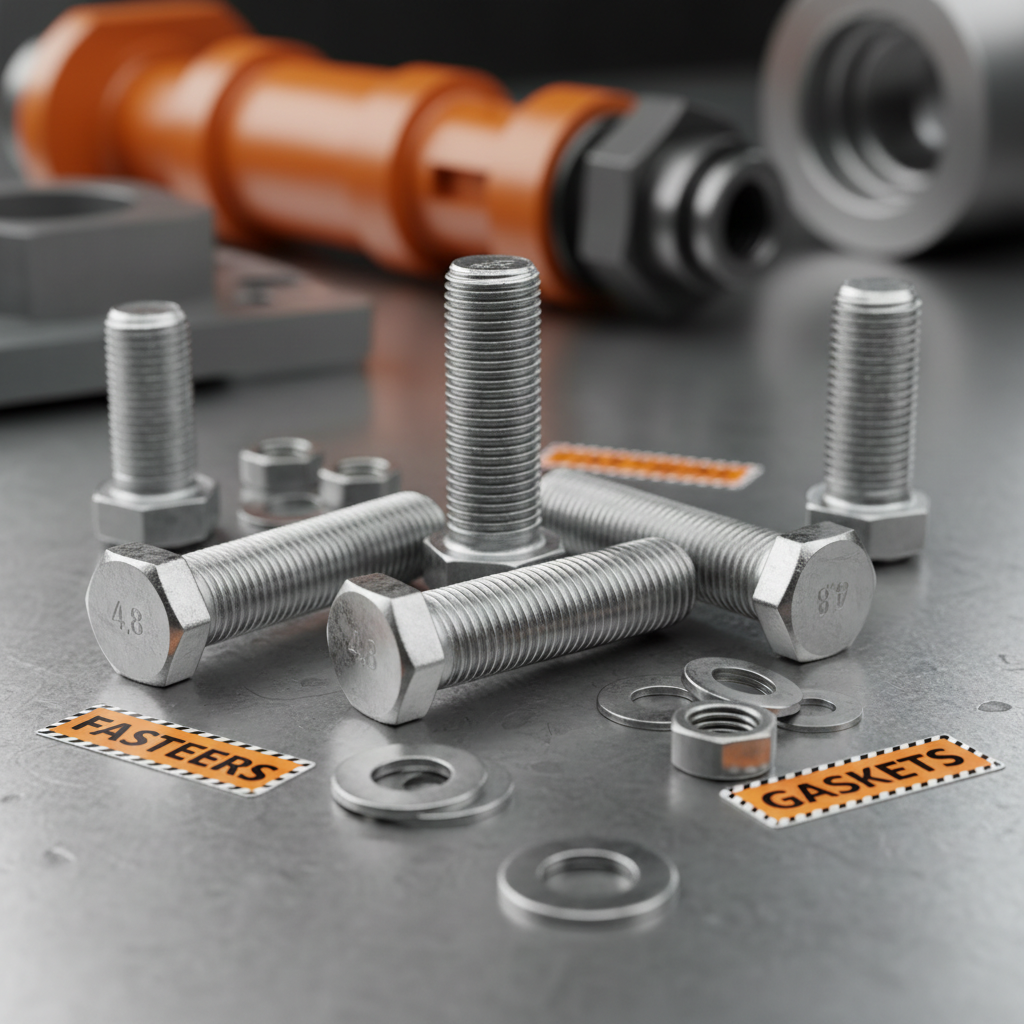
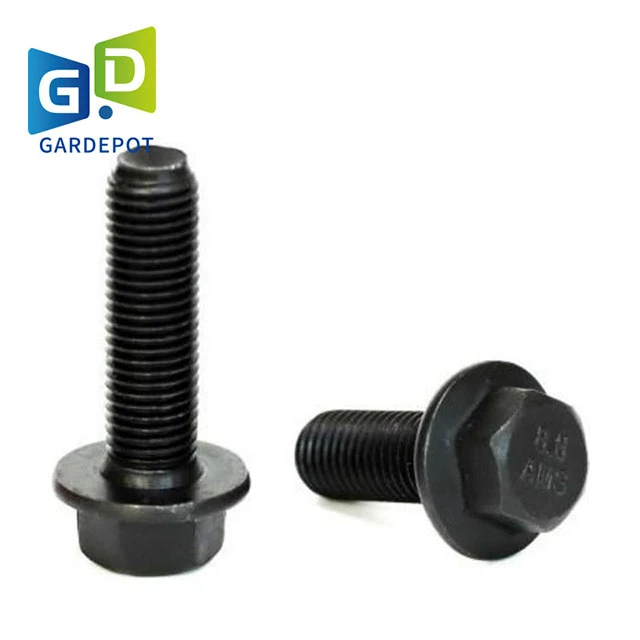
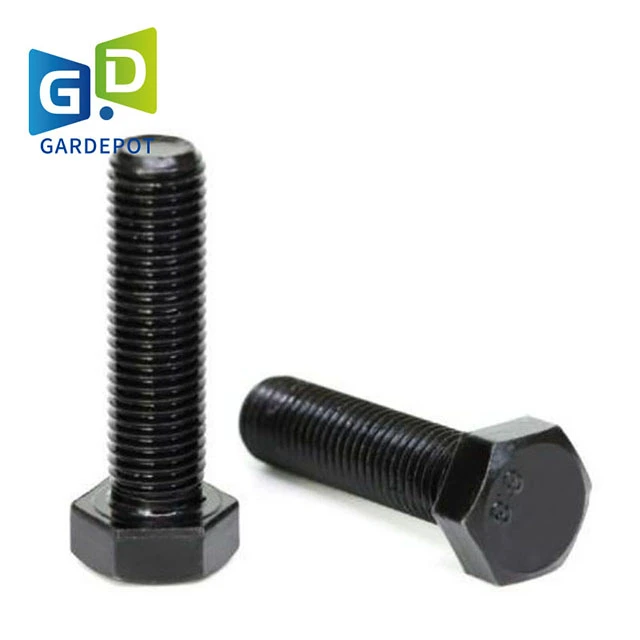
Simply put, a long threaded bolt is a fastener characterized by threads extending along most — or all — of its shank length, unlike standard bolts where threads occupy only a portion near the tip. This design enhances adjustability and grip, especially useful when fastening through thick or variable materials.
Modern industries prize this design because it offers flexibility in different assembly conditions — like uneven surfaces or deeper fastening needs. From factory floors to disaster relief, these bolts provide a reliable mechanical grip, often in environments where precision or pre-set hole sizes aren’t guaranteed.
Mini Takeaway:
- Long threaded bolts feature extended threading for enhanced grip and adjustability.
- They’re essential where fastening depth varies or quick assembly is critical.
Core Components and What They Mean for Real-World Use
Thread Length and Pitch
The defining factor is the thread length, often 75% to 100% of the bolt’s shank. The pitch (distance between threads) impacts how tightly and smoothly the bolt can engage with washers, nuts, or pre-threaded holes. Fine pitch threads work better for vibration resistance — something you’d want in automotive or aerospace applications.
Material and Coating
Steel alloys dominate the market, but stainless steel, titanium, and even specialty plastics are making inroads where corrosion resistance, strength-to-weight ratio, or electrical insulation is pivotal. Coatings like zinc plating or black oxide prolong lifespan by fighting rust, especially in marine or outdoor contexts.
Durability under Stress
Many engineers swear by Grade 8 bolts for heavy machinery, but different grades serve different purposes. Long threaded bolts often withstand shear and tensile stresses better, thanks to the increased thread engagement.
Custom Sizing and Thread Types
Producers offer a variety of customization options — metric, imperial, coarse, fine threading, and lengths up to several feet. This adaptability supports specialized needs in construction, railways, and oil rigs where exact measurements matter.
Cost Efficiency
Of course, these goodies don’t come free. Longer threading means more machining time and material — but the tradeoff is often better installation flexibility and less loosening over time, saving money on repairs.
Mini Takeaway:
- Thread length and pitch tailor fastening precision and engagement.
- Material and coating choices dictate lifespan and environment suitability.
- Durability and customization support a range of industrial needs.
Product Specification Table: Typical Long Threaded Bolt Characteristics
| Specification | Typical Range | Common Application |
|---|---|---|
| Length | 50 mm to 300 mm (2" to 12") | Manufacturing, construction |
| Thread Length | 75% to 100% of bolt length | Mechanical assemblies |
| Materials | Carbon steel, stainless steel, titanium | Marine, aerospace, heavy equipment |
| Thread Type | Coarse, Fine | Vibrational resistance needs |
| Grade | 4.8 to 10.9 | Load bearing applications |
Global Applications and Real-World Use Cases
Long threaded bolts aren’t just for engineers and mechanics tinkering in a garage. Their reach spans some very impressive, sometimes unexpected, frontiers:
- Infrastructure Development: Bridges, skyscrapers, and pipelines worldwide depend on these bolts for the extra thread engagement needed to hold complex assemblies securely through weather and seismic stress.
- Renewable Energy Installations: Wind turbine manufacturers often specify these bolts to handle fluctuating loads and harsh outdoor conditions.
- Post-Disaster Relief: NGOs and emergency teams use long threaded bolts in temporary structures due to their quick, secure fastening ability, lessening set-up time.
- Heavy Machinery & Mining: Equipment pushed to extremes benefits from the durability and customizability of these bolts.
- Transportation: Trains and ships use long threaded bolts extensively where vibration and stress endurance are critical.
For example, a notable use case is a maritime project along the Scandinavian coast, where stainless steel long threaded bolts withstand salty, corrosive environments to secure dockside cranes that operate around the clock.
Mini Takeaway:
- Long threaded bolts perform critical safety roles in industrial and humanitarian fields alike.
- Their adaptability drives their widespread appeal across global projects from ports to wind farms.
Advantages & Long-Term Value of Choosing Long Threaded Bolts
Choosing a long threaded bolt can feel like a minor detail — until a standard bolt fails halfway through construction or maintenance. Here’s what you gain from making the right call:
- Cost Savings: Though initially pricier, their durability often means fewer replacements and less downtime.
- Enhanced Safety: Increased thread engagement improves clamping force, lowering mechanical failure risk.
- Sustainability: Longer lifespan reduces waste, and materials like stainless steel offer corrosion resistance without toxic coatings.
- Trust & Reliability: For brands and builders, relying on dependable fasteners enhances reputation.
You could almost say the long threaded bolt is a silent, unsung hero of engineering confidence...
Future Trends & Innovations in Fasteners
It’s fascinating how much engineering is still evolving in this tiny sector. Some of the buzzwords floating around include:
- Advanced Coatings: Nanotech and ceramic layers that resist even the harshest environmental factors.
- Smart Fasteners: Sensors embedded within bolts to detect stress, temperature changes, or loosening over time — a huge leap toward predictive maintenance.
- Sustainable Materials: Biodegradable or recyclable composites that don’t sacrifice strength.
- Digital Manufacturing: 3D printing custom bolts on-site to exact specifications, a game-changer for remote projects.
The integration with automated assembly lines also promises fewer errors and faster production cycles, which might seem mundane to outsiders but is huge in industry.
Challenges & How the Industry is Responding
Not everything is perfect. Common hurdles include:
- Cost vs. Performance: Balancing affordable materials with high-end specs is tricky, especially for smaller firms.
- Standardization: Global projects often face compatibility headaches due to differing regional thread standards.
- Supply Chain Delays: As demand spikes, sourcing premium quality bolts can be a bottleneck.
Innovative solutions, like centralized databases of bolt specs and advanced supply forecasting, are helping bridge these gaps — and companies that embrace holistic quality control usually come out ahead.
FAQ: Frequently Asked Questions About Long Threaded Bolt
- What is the main advantage of a long threaded bolt over a standard bolt?
- Long threaded bolts offer extended thread engagement, allowing for better grip and adaptability, especially when fastening through thick or uneven materials. This results in improved safety and less risk of loosening.
- Can long threaded bolts be used in corrosive environments?
- Yes, when made from materials like stainless steel or titanium and treated with protective coatings such as zinc plating or black oxide, long threaded bolts are highly resistant to corrosion, ideal for marine or chemical industries.
- Are there standardized sizes for these bolts internationally?
- While many sizes follow ISO or ANSI standards, thread pitch and length may vary regionally. It’s important to verify compatibility with project specifications or consult trusted suppliers.
- How do long threaded bolts impact maintenance schedules?
- Because of their stronger grip and resistance to vibration, long threaded bolts often reduce the frequency of inspections and replacements, improving overall equipment uptime.
Conclusion: Why the Long Threaded Bolt Deserves Your Attention
Choosing the right bolt might not be the sexiest topic at an engineering conference, but the long threaded bolt quietly underpins countless successes worldwide — from grand infrastructure to emergency shelters. The blend of durability, adaptability, and evolving innovation keeps it relevant as industries push toward sustainability and smarter manufacturing. So next time you hear long threaded bolt, remember it’s more than just metal. It’s a small component with a big job.
Want to explore a range of reliable long threaded bolts suitable for your next project? Visit our website: https://www.gardepota.com and see how quality fastening solutions can elevate your work.
Vendor Comparison Table: Leading Long Threaded Bolt Suppliers
| Vendor | Material Options | Customization | Typical Lead Time | Price Range (per 100 pcs) |
|---|---|---|---|---|
| BoltPro International | Carbon steel, stainless steel | Standard / Custom lengths & threads | 2-3 weeks | $120 - $200 |
| FastenTech Solutions | Titanium alloys, coated steel | High customization, adjusted threading | 3-4 weeks | $180 - $300 |
| Global Bolt Works | Carbon steel, stainless, plastic composites | Standard lengths, limited customization | 1-2 weeks | $100 - $170 |
Mini Reflection
When you zoom out, long threaded bolts seem like a small piece of a much bigger puzzle that is global industrial and humanitarian infrastructure. Today’s push for sustainability and smart tech integration means these humble fasteners need to evolve rather than just persist — a challenge, but also an opportunity to blend traditional reliability with modern innovation.