M30 Countersunk Bolt | Industrial Grade High-Tensile Fasteners
Understanding the M30 Countersunk Bolt: A Reliable Industrial Staple
Having worked over a decade in the industrial equipment sector, I’ve come to appreciate the subtle but crucial role certain fasteners play, especially the M30 countersunk bolt. Oddly enough, bolts aren’t just nuts and threads; they’re often the unsung heroes that hold complex machinery together — literally.
The M30 countersunk bolt is one of those weirdly fascinating components. Frankly, it feels like a small piece of engineering poetry amidst heavy-duty chaos. Why? Because its design offers a flush surface finish which, in real terms, prevents snagging and allows for smooth integration within tight industrial assemblies.
Let’s take a step back and unpack what exactly makes the M30 countersunk bolt so widely trusted. First up, its size—'M30' refers to a metric bolt with a nominal diameter of 30 millimeters, which means it carries a significant load-carrying capacity. When paired with a countersunk head, the bolt sits flush or slightly below the surface, eliminating protrusions. Many engineers swear by this design for applications where surface smoothness is paramount.
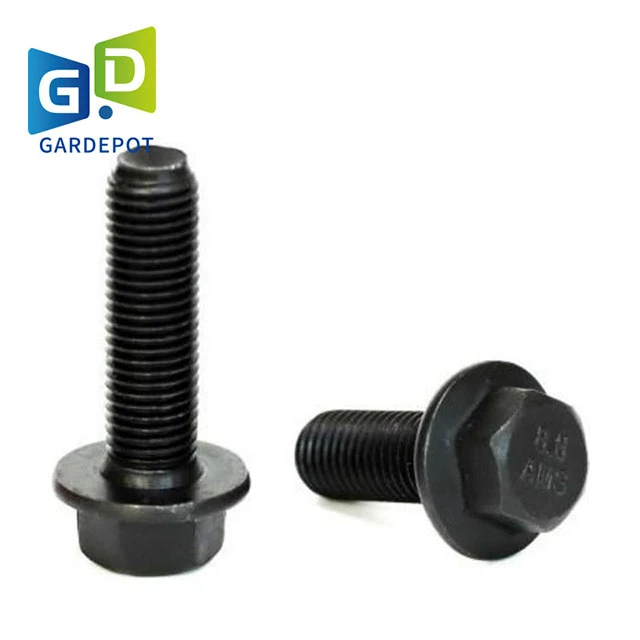
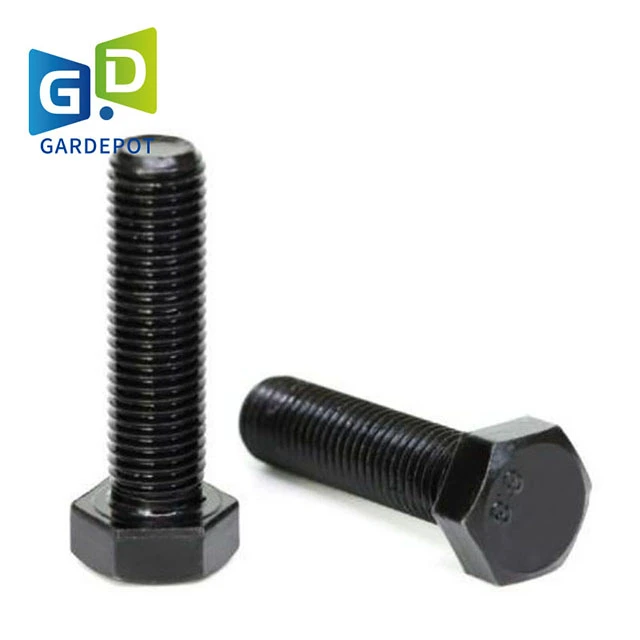
Materials matter a lot here. Most industrial M30 countersunk bolts come in high-tensile steel grades like 8.8 or 10.9, sometimes stainless steel if corrosion resistance is critical. I remember working on a project once where marine-grade stainless bolts were mandatory — because the bolts basically lived within the splash zone of a saltwater environment. The wrong choice, and you could expect rapid rust and failure.
Testing and quality control protocols for these bolts are pretty rigorous — you don’t just buy any bolt off the shelf. Tensile strength, hardness tests, and thread accuracy are routinely checked. I suppose that’s why when you use a high-quality M30 countersunk bolt, you rarely face problems like stripping or premature fatigue.
Customization is often overlooked. Though the standard M30 countersunk bolt specs cover many cases, certain projects call for tailored thread lengths, coatings, or even specially hardened cores — especially when dealing with high-stress, temperature-fluctuating environments.
Typical M30 Countersunk Bolt Specifications
| Specification | Details |
|---|---|
| Bolt Diameter | 30 mm (M30) |
| Thread Pitch | 3.5 mm (Coarse) / 2.5 mm (Fine) |
| Head Type | Countersunk (Flat Head) |
| Material | High Tensile Steel / Stainless Steel |
| Surface Finish | Zinc-Plated, Black Oxide, or Plain |
| Strength Grade | 8.8, 10.9, or higher |
| Length | Varies (typically 60 mm to 150 mm) |
Vendor Comparison: What to Look for When Buying M30 Countersunk Bolts
| Vendor | Material Options | Strength Grades | Customization | Price Range |
|---|---|---|---|---|
| GardePota | High tensile steel, stainless steel | 8.8, 10.9, 12.9 | Thread length, coatings, hardness | $$$ (Competitive) |
| IndustrialFasteners Inc. | Carbon steel, stainless steel | 8.8, 10.9 | Limited customization | $$ |
| HeavyDuty Bolts Ltd. | Alloy steel, stainless steel | 10.9, 12.9 | Full customization | $$$$ (Premium) |
One anecdote that sticks with me: I was once on the floor of a factory installing a large conveyor system. The engineers debated the merits of round head vs countersunk bolts for days. Ultimately, the countersunk M30 bolts provided a flush surface that allowed safer movement and reduced damage to nearby equipment — a small detail but a meaningful impact.
The takeaway? If you’re dealing with robust industrial machinery where precision and surface finish matter, grabbing a quality M30 countersunk bolt is often worth the slightly higher investment. You’re not just buying a bolt; you’re investing in safety, durability, and peace of mind.
In conclusion, choosing the right bolt feels like a trivial step but can massively affect long-term maintenance and safety. Keeping an eye on material specs and sourcing from trusted vendors (like GardePota, if you ask me) ensures that your industrial assemblies stay reliable for years.
References:
1. "Fastener Technology Handbook," Chapman & Hall, 1997
2. ISO 898-1: Mechanical properties of fasteners
3. Industry Insights from 12 years in heavy equipment manufacturing