Introduction to Advanced Membrane Waterproofing Solutions and Industry Trends
In the demanding landscape of modern construction, the integrity of a building's envelope hinges significantly on robust waterproofing. Among the myriad solutions available, 3 ply membrane waterproofing stands out as a high-performance, multi-layered system engineered for superior protection against moisture ingress. This advanced technology is crucial for applications such as flat roof deck membranes, where structural longevity and operational efficiency are paramount, as well as for underground structures and water containment systems requiring uncompromising impermeability.
Current industry trends reflect a strong shift towards durable, sustainable, and easily installable waterproofing solutions. Developers and contractors are increasingly seeking materials that offer extended service life, resistance to environmental degradation, and compliance with stringent green building standards. Innovations in polymer technology, particularly in PVC (Polyvinyl Chloride) formulations, are leading to membranes with enhanced flexibility, UV stability, and chemical resistance, offering significant advantages over traditional felt or bitumen-based systems. The emphasis is on proactive protection, with systems like a roof self sealing membrane gaining traction for their simplified application and inherent reliability.
The integration of smart technologies, such as leak detection systems compatible with these membranes, further elevates the performance envelope, allowing for predictive maintenance and early intervention. As infrastructure projects become more complex and exposed to diverse climatic conditions, the demand for resilient and adaptive water membrane roof systems continues to grow, driving innovation in material science and application methodologies.
Technical Specifications and Layered Structure of 3-Ply Membranes
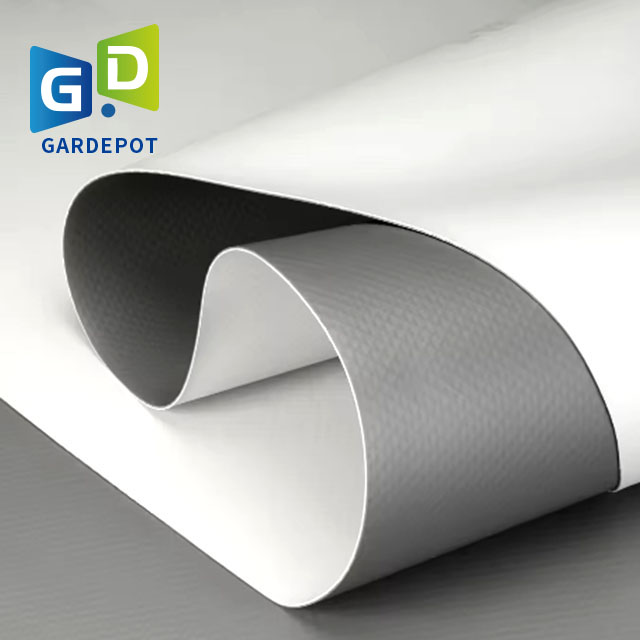
A key differentiator of 3 ply membrane waterproofing lies in its engineered multi-layer composition, designed to provide synergistic benefits that surpass single-layer alternatives. Typically, this structure comprises:
- Top Protective Layer: Often a highly UV-resistant and weather-resistant polymer, this layer acts as the primary shield against environmental factors such as solar radiation, ozone, and abrasion. For PVC membranes, this is a durable, flexible PVC compound.
- Reinforcement Layer: Positioned centrally, this layer provides dimensional stability, tear resistance, and tensile strength. It is commonly a polyester or fiberglass non-woven scrim, embedded within the polymer matrix, preventing membrane deformation under thermal stress or structural movement. This is critical for preventing punctures and tears during installation and throughout its service life.
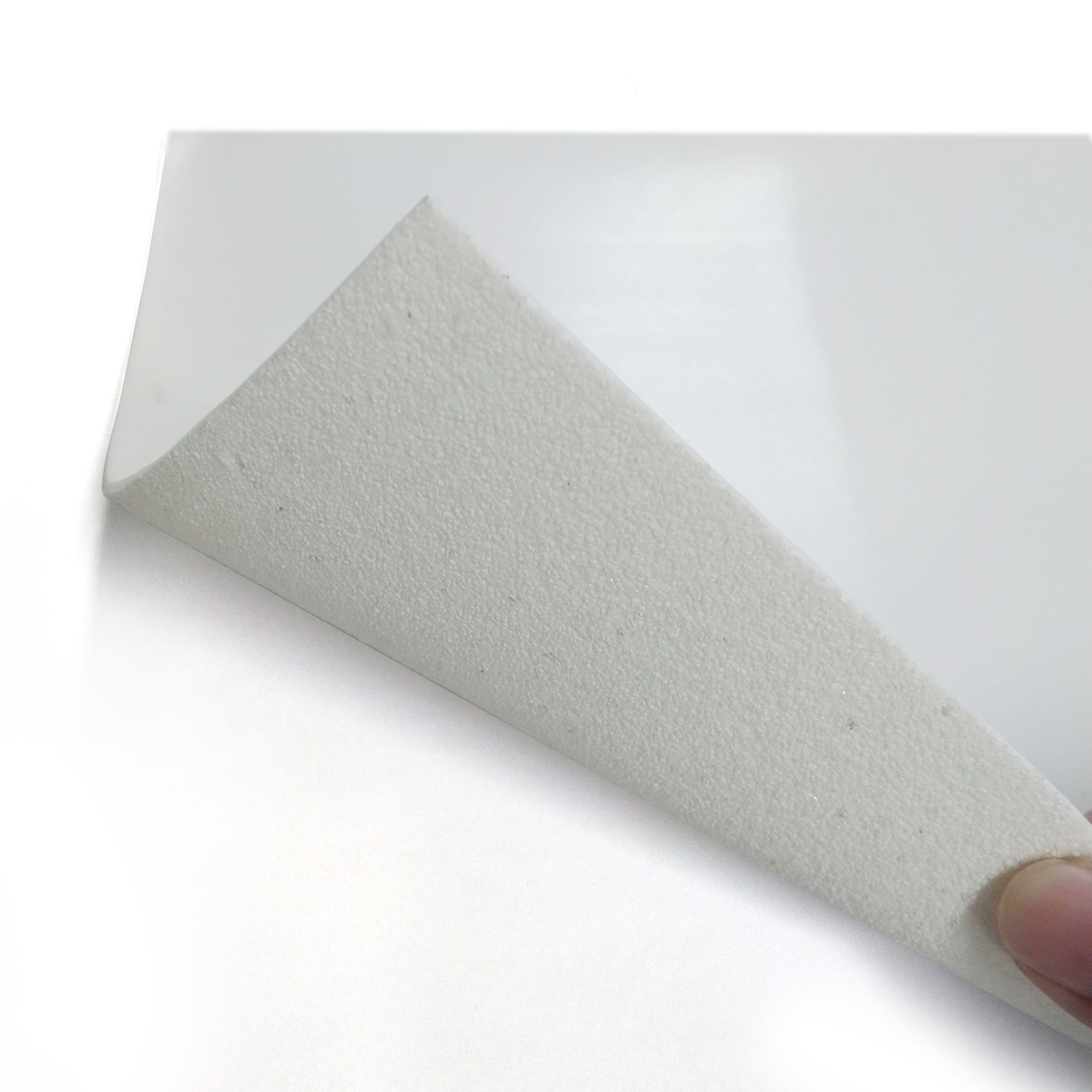
- Bottom Waterproofing/Adhesion Layer: This layer ensures the membrane's core waterproofing function and facilitates robust adhesion to the substrate. For pre-applied systems like PVC Prelay Waterproof Membrane, it's engineered for mechanical bonding with cast concrete, creating a tenacious, impermeable bond.
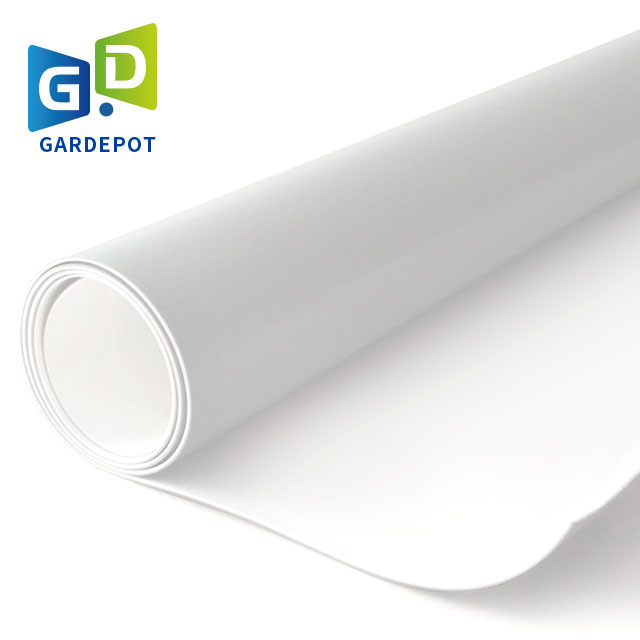
The PVC Prelay Waterproof Membrane, for instance, leverages advanced PVC resin with specialized plasticizers, stabilizers, and fungicides. These components are carefully formulated to enhance the membrane's flexibility, chemical resistance, and longevity. The embedded polyester reinforcement in such PVC membranes provides excellent puncture resistance and high breaking strength, crucial for demanding sub-grade applications.
Key Technical Parameters for PVC Prelay Waterproof Membrane
| Parameter | Typical Value (EN 13967/ASTM D5602) | Significance for Performance |
|---|---|---|
| Thickness | 1.5 mm – 2.5 mm | Directly influences puncture resistance and service life. Thicker membranes offer enhanced durability. |
| Tensile Strength (Longitudinal/Transverse) | ≥ 11 kN/m | Ability to withstand stretching and structural movement without tearing. |
| Elongation at Break | ≥ 15% | Indicates membrane flexibility and capacity to bridge cracks in the substrate. |
| Tear Resistance | ≥ 250 N | Resistance to tearing propagation once a cut or puncture occurs. |
| Water Vapor Diffusion Resistance Factor (μ) | ≥ 50,000 | Extremely high resistance to water vapor transmission, preventing condensation and material degradation. |
| Hydrostatic Pressure Resistance | ≥ 0.7 MPa (7 Bar) | Ability to withstand significant water pressure without leakage, crucial for below-grade applications. |
| Root Resistance | FLL Compliant | Essential for green roofs, preventing root penetration that could compromise waterproofing. |
Detailed Manufacturing Process Flow for 3-Ply Waterproofing Membranes
The manufacturing of high-quality 3 ply membrane waterproofing involves a precise, multi-stage process, typically executed in highly controlled environments to ensure consistent product integrity and performance. For PVC membranes, the primary raw materials include high-grade PVC resin, various plasticizers (e.g., DINP, DOTP) to impart flexibility, heat stabilizers to prevent degradation during processing and service, UV stabilizers for weather resistance, and fungicides to inhibit microbial growth. The reinforcement layer is usually a high-strength polyester scrim.
Manufacturing Process Steps:
- Raw Material Preparation and Compounding: Precise weighing and mixing of PVC resin, plasticizers, stabilizers, and additives. This compound formulation is critical for achieving the desired physical and chemical properties of the membrane.
- Extrusion/Calendering: The PVC compound is fed into an extruder or calender machine, where it is heated and formed into thin sheets. This process ensures uniform thickness and consistency for the top and bottom PVC layers.
- Reinforcement Impregnation/Lamination: The non-woven polyester scrim is fed into the production line and laminated between the two freshly formed PVC sheets under controlled heat and pressure. This step intimately binds the reinforcement layer within the PVC matrix, creating the robust three-ply structure.
- Cooling and Curing: The laminated membrane is progressively cooled to stabilize its dimensions and molecular structure. This controlled cooling prevents internal stresses and ensures optimal performance.
- Surface Treatment (Optional): Depending on the product, specific surface treatments may be applied, such as anti-slip textures or pre-applied adhesive coatings for specific installation methods.
- Quality Control & Testing: Throughout and post-production, strict quality control measures are implemented. Samples are tested against international standards such as ISO 9001 for quality management, ASTM D5602 for physical properties, and EN 13956 for flexible sheets for waterproofing. Tests include thickness verification, tensile strength, tear resistance, elongation, hydrostatic pressure resistance, and accelerated aging tests.
- Rolling and Packaging: Once quality-approved, the membrane is carefully rolled onto cores, cut to specified lengths, and packaged for shipment, ensuring protection during transport and storage.
Service Life and Target Industries:
A well-manufactured 3 ply membrane waterproofing system can boast an impressive service life of 20-30 years or even longer, significantly reducing lifecycle costs for building owners. These membranes are extensively used across a range of demanding industries:
- Petrochemical: For secondary containment and lining of chemical processing facilities due to excellent chemical resistance.
- Metallurgy: Protecting critical infrastructure from corrosive elements and process fluids.
- Water Supply & Drainage: Lining reservoirs, canals, and wastewater treatment plants, ensuring containment and preventing leakage.
- Commercial and Industrial Roofing: Providing durable, high-performance waterproofing for large flat roofs.
- Civil Engineering: Tunnels, underground garages, foundations, and bridge decks, where resistance to hydrostatic pressure and ground movement is essential.
In these scenarios, advantages such as energy saving (through reflective surfaces for roofs), superior corrosion resistance, and robust mechanical properties translate directly into reduced maintenance, enhanced safety, and extended operational lifespans of critical assets.
Diverse Application Scenarios and Proven Effectiveness
The versatility and high performance of 3 ply membrane waterproofing systems enable their application across a wide spectrum of construction and civil engineering projects. Their robust design makes them suitable for both exposed and concealed applications, providing critical protection against moisture and environmental stressors.
- Flat Roofs and Low-Slope Roofing: Ideal for commercial, industrial, and institutional buildings, these membranes provide a seamless, durable, and often reflective surface that contributes to energy efficiency. Their resistance to UV degradation and extreme weather makes them a preferred choice for long-term flat roof deck membrane solutions.
- Green Roofs and Podium Decks: The root-resistant formulations of membranes like PVC Prelay Waterproof Membrane are critical for green roof systems, preventing plant roots from penetrating the waterproofing layer and causing leaks. This allows for sustainable urban development and enhanced biodiversity.
- Basements and Underground Structures: Applied as a pre-lay or post-lay system, these membranes effectively resist hydrostatic pressure and prevent groundwater ingress into basements, elevator pits, and underground parking garages. The pre-applied method ensures a tenacious bond with the concrete, preventing lateral water migration.
- Tunnels and Subways: Due to their flexibility and ability to accommodate structural movement, 3-ply membranes are extensively used in tunnel waterproofing, offering protection against aggressive ground water and chemicals.
- Water Containment Systems: Reservoirs, irrigation canals, and artificial ponds benefit from the impermeable and durable nature of these membranes, ensuring efficient water management and preventing losses.
- Bridge Decks and Plaza Decks: Providing a resilient barrier against water and de-icing salts, protecting the structural integrity of concrete elements.
In each scenario, the inherent flexibility of materials like PVC allows the membrane to conform to complex geometries and withstand minor structural movements without compromising its waterproofing integrity. The factory-controlled thickness and quality ensure consistent performance, reducing on-site variability. This proven effectiveness makes it a go-to solution for engineers and architects seeking reliable long-term waterproofing.
Technical Advantages Driving Superior Performance
The adoption of 3 ply membrane waterproofing in high-stakes construction projects is driven by a comprehensive suite of technical advantages that translate into significant long-term value for B2B clients.
- Exceptional Waterproofing Impermeability: The multi-layer structure, particularly with a core reinforcing scrim, provides an unparalleled barrier against water penetration, even under significant hydrostatic pressure. The homogeneous weldability of PVC membranes ensures seamless, leak-proof joints.
- Superior Durability and Puncture Resistance: The robust reinforcement layer drastically improves resistance to punctures, tears, and abrasion, essential during construction and for long-term performance in demanding environments. This also contributes to an extended service life of 20-30+ years.
- Outstanding UV and Weathering Resistance: High-quality PVC membranes are formulated with advanced UV stabilizers, allowing them to withstand prolonged exposure to sunlight and extreme weather conditions without degradation, maintaining flexibility and performance over decades.
- Chemical and Biological Resistance: These membranes offer excellent resistance to a wide range of chemicals, pollutants, and micro-organisms commonly found in soil or industrial environments, making them suitable for aggressive conditions. Many also feature root resistance for green roof applications.
- Flexibility and Adaptability: The inherent flexibility of PVC allows the membrane to accommodate building movement, thermal expansion/contraction, and minor substrate irregularities, preventing cracking or delamination.
- Ease and Speed of Installation: Large membrane rolls and heat-welding techniques for PVC facilitate rapid installation and create robust, homogeneous seams, reducing labor costs and project timelines. Pre-applied systems offer simplified sub-grade installation.
- Sustainability and Energy Efficiency: Lighter colored PVC membranes can reflect solar radiation, reducing cooling loads in buildings and contributing to energy savings. Many PVC membranes are also recyclable at the end of their service life, supporting circular economy principles.
Vendor Comparison: 3-Ply PVC vs. Alternative Waterproofing Systems
When selecting a waterproofing solution, B2B decision-makers evaluate various systems based on technical performance, cost-effectiveness, and suitability for specific project demands. Below is a comparison highlighting the advantages of 3 ply membrane waterproofing (specifically PVC-based, like Gardepota's PVC Prelay Waterproof Membrane) against other common waterproofing technologies.
| Feature | 3-Ply PVC Membrane | EPDM Membrane | Modified Bitumen (SBS/APP) | Liquid Applied Membrane |
|---|---|---|---|---|
| Material Composition | PVC resin, plasticizers, stabilizers, polyester reinforcement. | Synthetic rubber (ethylene propylene diene monomer). | Asphalt blended with SBS or APP polymers, fiberglass/polyester reinforcement. | Polyurethane, acrylic, or hybrid polymers. |
| Seam Joining | Hot-air welding (homogeneous, extremely strong). | Adhesive tapes (cold-applied, require clean surface). | Torch-applied or hot asphalt (flame risk). | Seamless (brush/roller/spray applied). |
| UV Resistance | Excellent (formulated with UV stabilizers). | Excellent (inherently UV stable). | Good (granule-surfaced helps). | Varies (some formulations excellent). |
| Puncture/Tear Resistance | Very High (due to reinforcement layer). | Moderate (can be easily punctured). | High (reinforced). | Low-Moderate (thickness dependent, no internal reinforcement). |
| Root Resistance | Excellent (specific formulations). | Moderate (not inherently root resistant). | Moderate (some formulations). | Varies (some products offer). |
| Service Life (Typical) | 20-30+ years. | 20-30+ years. | 15-20 years. | 10-20 years. |
| Chemical Resistance | Good to Excellent (for many industrial chemicals). | Poor to Moderate (not ideal for oil/grease). | Poor (degrades with many chemicals). | Varies (depends heavily on polymer type). |
This comparison underscores the robust, multi-faceted performance of 3-ply PVC membranes, particularly their superior seam integrity, chemical resistance, and puncture resistance, making them a highly reliable choice for critical waterproofing applications.
Customized Solutions for Unique Project Requirements
Recognizing that no two projects are identical, leading manufacturers of 3 ply membrane waterproofing offer extensive customization options to meet specific design, performance, and environmental criteria. This bespoke approach ensures optimal material selection and application, maximizing both efficiency and long-term cost-effectiveness.
Customization capabilities include:
- Thickness and Width Variations: Membranes can be manufactured in various thicknesses (e.g., 1.5mm, 2.0mm, 2.5mm) to match specific hydrostatic pressure requirements or anticipated mechanical stresses. Roll widths can also be optimized for project dimensions, reducing overlaps and installation time.
- Specialized Formulations: Beyond standard PVC, specific chemical resistances can be enhanced for projects in petrochemical plants or areas with aggressive groundwater. For instance, increased plasticizer content can enhance flexibility for cold climates or areas with significant seismic activity.
- Color and Surface Finishes: While standard colors like grey and white are common, custom colors can be produced for aesthetic integration or specific solar reflectivity needs (e.g., cool roof applications). Anti-slip textures can also be incorporated for specific trafficable areas.
- Reinforcement Customization: The type and density of the internal reinforcement scrim (e.g., polyester, fiberglass) can be varied to achieve specific tensile strength, tear resistance, or dimensional stability requirements.
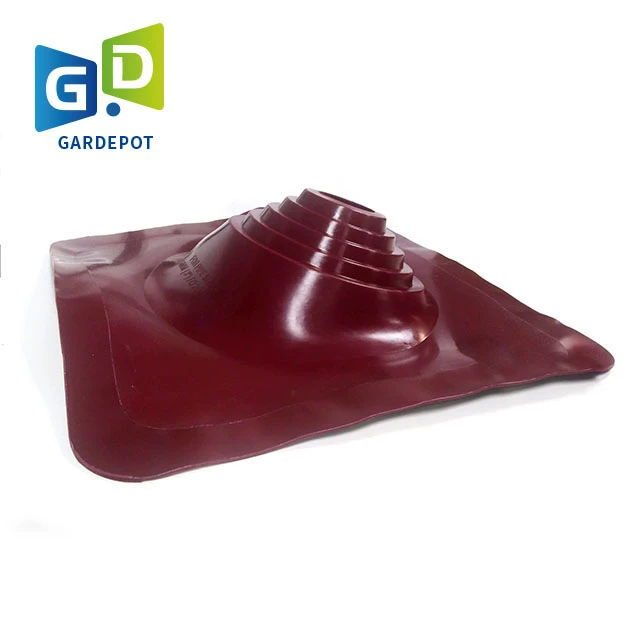
- Integrated Accessories: Manufacturers can provide a full suite of compatible accessories, including pre-fabricated corners, pipe boots, and drains, ensuring a fully integrated and leak-proof system.
By collaborating closely with architects, engineers, and contractors, vendors can provide tailored solutions that address unique challenges such as irregular building geometries, extreme climatic conditions, or complex sub-grade environments. This flexibility ensures that the chosen waterproofing system is not just a product, but a precision-engineered solution.
Application Case Studies and Customer Feedback
The efficacy of 3 ply membrane waterproofing is best demonstrated through its successful deployment in real-world projects, delivering long-term performance and peace of mind for clients. Here are generalized examples reflecting common use cases and benefits:
Case Study 1: Large-Scale Commercial Flat Roof Renovation
Project: Renovation of a 50,000 m² logistics hub roof in a region experiencing significant thermal cycling and heavy rainfall. The existing roof was prone to leaks and required frequent maintenance.
Solution: A 2.0mm thick PVC 3-ply membrane system with a light-colored top layer was specified. Its robust reinforcement offered excellent puncture resistance for ongoing maintenance traffic, and its high solar reflectivity contributed to reducing the building's internal cooling load.
Outcome: The project was completed ahead of schedule due to the large roll sizes and efficient hot-air welding. Post-installation, the roof has remained completely watertight through multiple severe weather events. The client reported a noticeable decrease in energy consumption for HVAC and eliminated recurring leak-related maintenance costs. The 25-year material warranty provided significant assurance.
Case Study 2: Sub-Grade Waterproofing for a High-Rise Foundation
Project: New construction of a high-rise building with a multi-level basement in an urban area with a high water table. The client required an absolute guarantee against water ingress.
Solution: A 2.5mm PVC Prelay Waterproof Membrane was installed beneath the foundation slab and against the diaphragm walls. The pre-applied adhesive layer on the membrane formed a mechanical bond with the poured concrete, preventing lateral water migration and creating a truly composite system.
Outcome: Despite significant groundwater challenges, the basement remained completely dry throughout construction and after completion. The project manager noted the ease of installation for the pre-lay system, contributing to efficient concrete pours. This solution eliminated the risk of costly post-construction remedial waterproofing.
Customer Feedback:
"Gardepota's PVC Prelay Waterproof Membrane was a game-changer for our underground car park project. The seamless installation and proven hydrostatic pressure resistance gave us confidence that the structure would remain dry for decades. The technical support throughout the design and installation phases was invaluable." - Head of Engineering, Major Construction Firm
Authoritativeness & Trustworthiness: Our Commitment
Our dedication to providing high-quality 3 ply membrane waterproofing solutions is underpinned by a steadfast commitment to industry standards, transparent operations, and unwavering customer support. Gardepota has been a trusted supplier in the waterproofing industry for over 15 years, building a reputation for excellence and reliability.
Certifications and Quality Assurance:
Our manufacturing processes and products adhere to stringent international quality and environmental management systems. We hold:
- ISO 9001:2015 Certification: For Quality Management Systems, ensuring consistent product quality and customer satisfaction.
- ISO 14001:2015 Certification: For Environmental Management Systems, reflecting our commitment to sustainable production practices.
- CE Marking: Conforming to European health, safety, and environmental protection standards.
- Compliance with ASTM & EN Standards: Our products are regularly tested to meet or exceed relevant American (e.g., ASTM D5602) and European (e.g., EN 13956, EN 13967) material and performance specifications.
Warranty Commitments:
We stand behind the quality of our PVC Prelay Waterproof Membranes with comprehensive warranties. Typically, our material warranties extend for 10 to 20 years, safeguarding against manufacturing defects and material degradation under normal use. Project-specific warranties can be negotiated based on scope and installation methodologies, providing long-term peace of mind for investors and developers.
Lead Time and Fulfillment:
Our advanced manufacturing facilities allow for efficient production. Standard lead times for PVC Prelay Waterproof Membrane typically range from 2-4 weeks, depending on order volume and specific customization requirements. We maintain strategic inventory levels and work with reliable logistics partners to ensure timely delivery to project sites globally, minimizing construction delays.
Customer Support and After-Sales Service:
Our commitment extends beyond product delivery. We provide comprehensive technical support, including:
- Project Consultation: Expert advice during the design phase to optimize membrane selection and system design.
- Installation Training: On-site or remote training for installation crews to ensure correct application techniques.
- Site Inspections: Periodic site visits to verify installation quality and adherence to specifications.
- Post-Installation Support: Assistance with maintenance guidelines and troubleshooting if required.
Our network of authorized distributors and certified installers ensures that professional support is always accessible.
Frequently Asked Questions (FAQ)
- Q: What is the typical lifespan of a 3-ply PVC waterproofing membrane?
- A: With proper installation and maintenance, our 3-ply PVC membranes are designed to provide a service life of 20-30 years, often exceeding these estimates in optimal conditions.
- Q: Is 3-ply PVC membrane suitable for green roof systems?
- A: Yes, specifically formulated PVC Prelay Waterproof Membranes are highly root-resistant (FLL compliant) and ideal for intensive and extensive green roof applications, protecting the structure from root penetration.
- Q: How does the pre-lay application method work, and what are its advantages?
- A: In a pre-lay system, the membrane is laid onto the prepared substrate (e.g., blinding layer, formwork) before concrete is poured. The membrane's specialized adhesion layer mechanically bonds with the fresh concrete, preventing lateral water migration and forming an inseparable composite system, offering superior protection for underground structures.
- Q: What are the primary advantages of PVC membranes over modified bitumen or EPDM?
- A: PVC membranes offer superior hot-air welded seam integrity, excellent resistance to many chemicals (including oils and greases), inherent root resistance in specific formulations, and better puncture resistance due to internal reinforcement compared to unreinforced EPDM. They are also often more reflective for cool roof applications.
- Q: What maintenance is required for a 3-ply PVC roof membrane?
- A: Minimal maintenance is required. Regular inspections (typically annually or bi-annually) to check for debris, clogged drains, and potential damage are recommended. Cleaning the surface can help maintain its reflective properties and aesthetic appeal. Repairs, if needed, are generally straightforward using hot-air welding techniques.
Conclusion
The evolution of 3 ply membrane waterproofing, particularly PVC-based systems, represents a significant leap forward in building envelope protection. Offering an unmatched combination of durability, flexibility, chemical resistance, and long-term performance, these membranes provide robust solutions for the most demanding commercial, industrial, and civil engineering applications. By adhering to rigorous manufacturing standards, offering comprehensive technical support, and providing tailored solutions, we empower B2B decision-makers and engineers to specify waterproofing systems that guarantee the integrity and longevity of their critical assets, mitigating risks and optimizing lifecycle costs for decades to come.
References:
- European Committee for Standardization. EN 13956: Flexible sheets for waterproofing - Plastic and rubber sheets for roof waterproofing - Definitions and characteristics.
- American Society for Testing and Materials. ASTM D5602: Standard Test Method for Static Puncture Strength of Roofing Membrane Specimens.
- International Organization for Standardization. ISO 9001: Quality management systems.
- FLL - Forschungsgesellschaft Landschaftsentwicklung Landschaftsbau e.V. (Research Society for Landscape Development and Landscape Construction). Guidelines for the Planning, Construction and Maintenance of Green Roofs.
- The Vinyl Institute. The Facts About PVC. (www.vinylinfo.org)