Introduction to Advanced Fastening Solutions for Metal Applications
In the realm of advanced manufacturing and industrial assembly, the choice of fastening technology significantly impacts structural integrity, assembly efficiency, and long-term performance. Among the myriad options, self threading screws for metal represent a critical innovation. These specialized fasteners are engineered to create their own mating threads in a pre-drilled pilot hole within metal substrates, eliminating the need for tapping operations. This capability streamlines assembly, reduces labor costs, and enhances joint strength in numerous applications across diverse industries. Understanding their technical specifications, manufacturing intricacies, and strategic advantages is paramount for B2B decision-makers and engineering professionals seeking optimal fastening solutions.
Current Industry Trends and Market Dynamics
The demand for efficient and durable fastening solutions is continually evolving, driven by several key industry trends. Manufacturers are increasingly prioritizing fasteners that offer enhanced corrosion resistance, higher tensile strength, and reduced assembly times. This shift is particularly evident in sectors requiring rapid deployment and long service life. The rise of automation in assembly lines further emphasizes the need for consistent, high-quality fasteners like self threading screws for metal that can perform reliably in automated systems. Furthermore, the push towards lightweighting in automotive and aerospace industries, coupled with the growing use of advanced alloys and multi-material designs, necessitates fasteners capable of accommodating diverse material properties while maintaining robust joint integrity. These trends underscore the growing market for specialized screw manufacturers, including ss screw manufacturers and bi metal screw manufacturers, who can deliver tailored solutions meeting stringent performance criteria.
Technical Specifications and Material Science
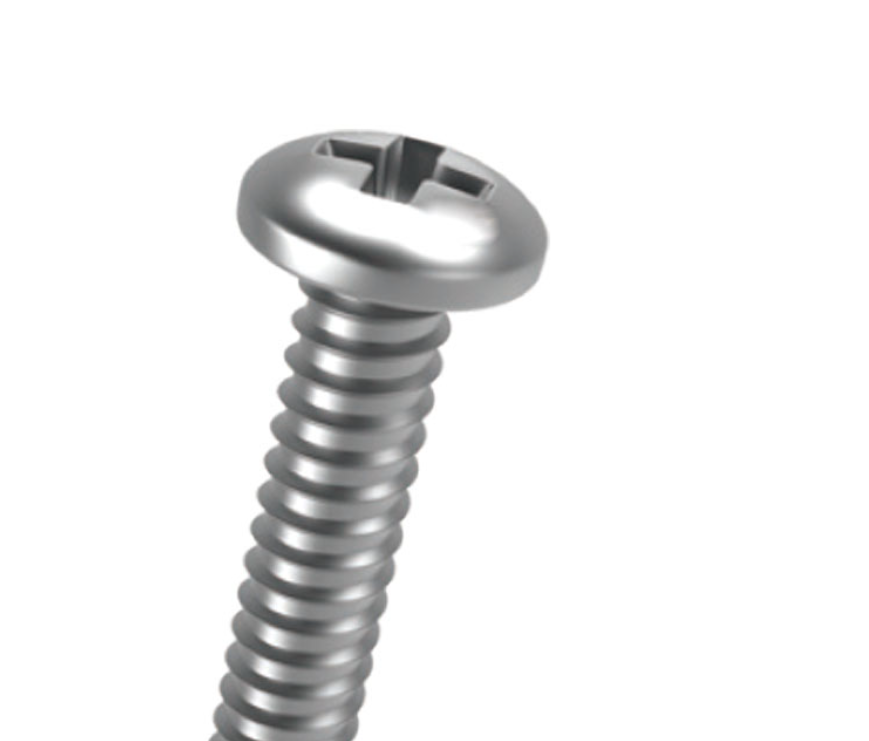
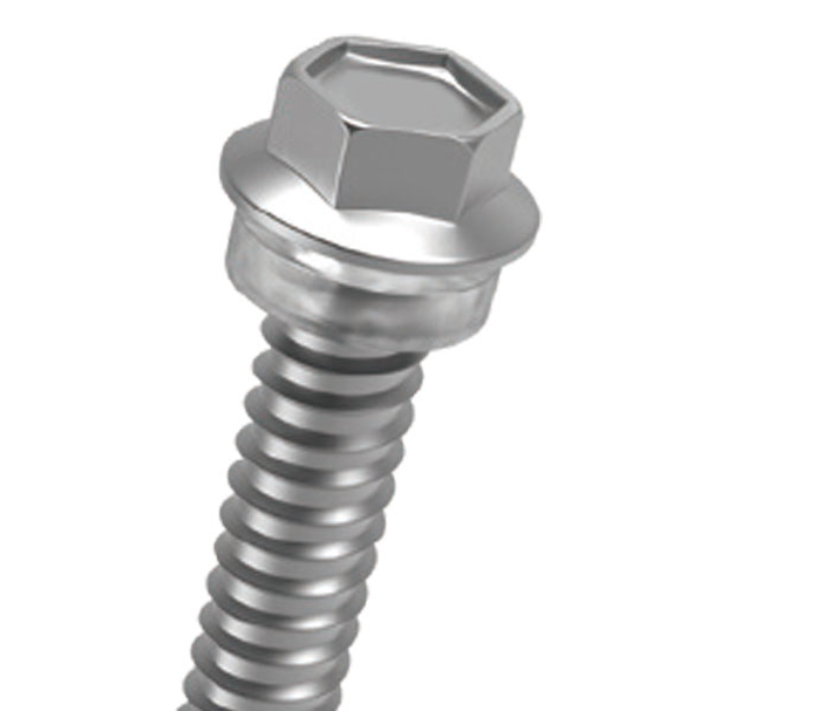
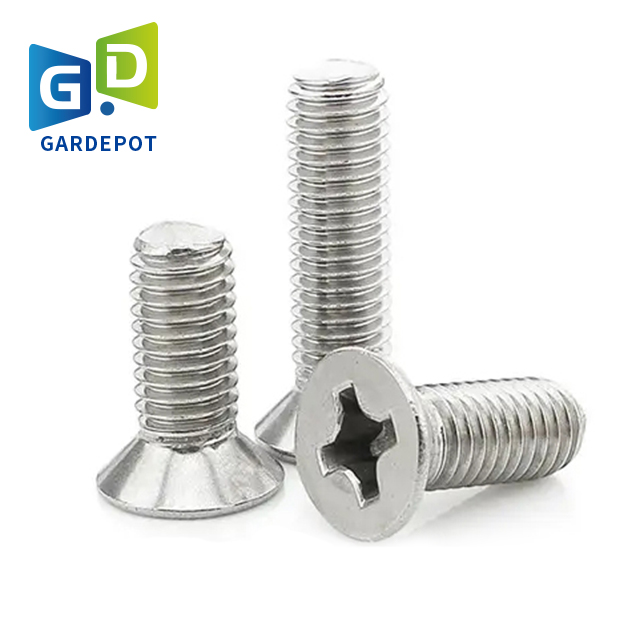
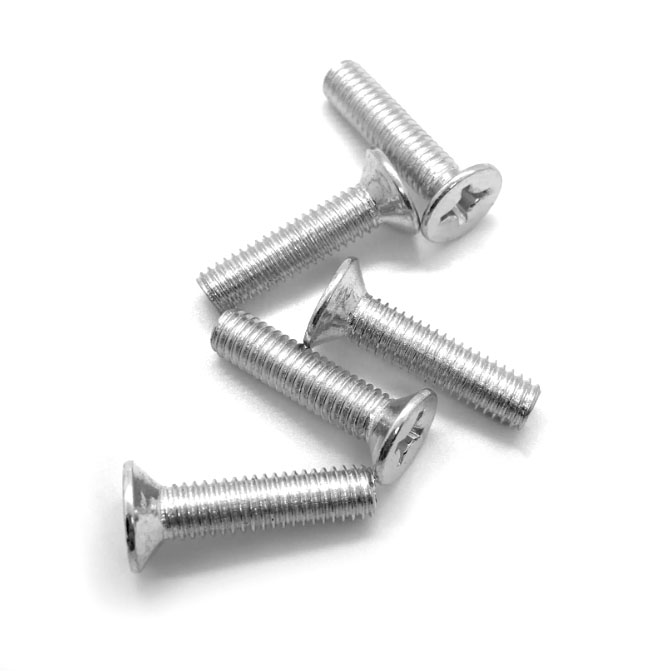
Understanding the technical specifications of self threading screws for metal is crucial for optimal selection. These fasteners are typically manufactured from high-grade carbon steel, stainless steel (e.g., 304, 316), or specialized bi-metal constructions for enhanced properties. Key parameters include thread pitch, major and minor diameters, head style (e.g., pan, flat, hex flange), drive type (e.g., Phillips, Pozi, Torx), and coating (e.g., zinc plating, Geomet, Dacromet). For example, a common industrial standard might specify a screw with a 4.2mm major diameter, a 1.41mm pitch, and a minimum core hardness of HRC 32-39. The selection of material directly influences properties such as tensile strength, shear strength, and resistance to corrosion, creep, and fatigue. Bi-metal screws, for instance, combine a hardened carbon steel point and thread section with a stainless steel head and upper shank, offering excellent corrosion resistance with superior drilling and tapping capabilities into tougher substrates.
Typical Product Specification Table: Self-Threading Screws for Metal
| Parameter | Standard Grade (e.g., Carbon Steel) | Stainless Steel (e.g., 304 SS) | Bi-Metal Construction |
|---|---|---|---|
| Material | C1022 Hardened Carbon Steel | A2 (304) or A4 (316) Stainless Steel | SS304/316 Head & Shank, Carbon Steel Tip |
| Tensile Strength (min) | 750 MPa | 515 MPa | 650 MPa (overall) |
| Core Hardness (Rockwell) | HRC 28-39 | HRB 70-95 | HRC 28-39 (tip), HRB 70-95 (head) |
| Surface Hardness (Rockwell) | HV 450-590 | N/A (Work Hardening) | HV 450-590 (tip) |
| Corrosion Resistance | Good (with coating) | Excellent | Excellent (head), Good (tip with coating) |
| Standard Sizes (Dia. x Length) | #6 to #14, 1/2" to 6" | #6 to #14, 1/2" to 6" | #6 to #14, 1/2" to 6" |
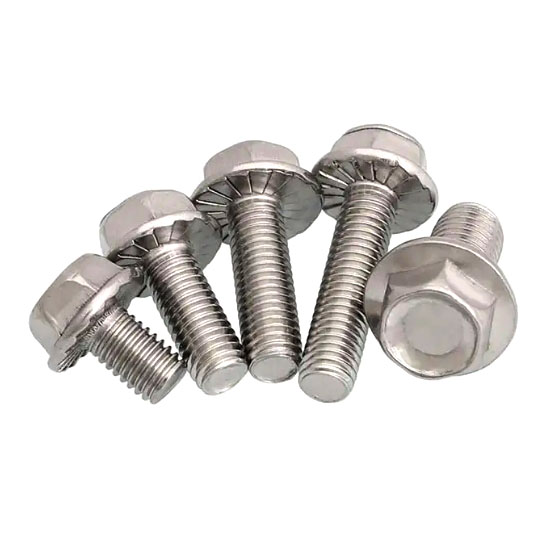
Manufacturing Process Flow of Self-Threading Screws for Metal
The production of high-quality self threading screws for metal is a multi-stage, precision-controlled process, adhering to stringent international standards like ISO 9001 and ANSI/ASME B18.6.4. This ensures consistent performance, reliability, and extended service life, often exceeding 20-30 years in non-corrosive environments or appropriately specified materials.
-
1. Material Selection & Preparation:
High-carbon steel wire (e.g., C1022) or stainless steel wire (e.g., 304, 316) is procured from certified mills. For bi-metal screws, two distinct material types are prepared. Wire is cut to precise lengths via cold heading machines.
-
2. Cold Heading (Forging):
This process forms the screw head and partially shapes the shank using high-speed, multi-station cold forging machines. This method enhances material grain structure, increasing strength and fatigue resistance.
-
3. Thread Rolling:
The most crucial step where threads are formed by rolling the shank between two dies. This displaces material rather than cutting it, preserving the grain flow and significantly increasing the screw's shear strength and resistance to stripping. The specialized thread profiles for self-threading are created here.
-
4. Point Forming & Slotting/Driving Recess:
The drilling or piercing point is formed. If required, a slot or specialized drive recess (e.g., Phillips, Torx) is punched or milled into the screw head. For bi-metal screws, the stainless steel head is typically fused or mechanically joined to the carbon steel body at this stage.
-
5. Heat Treatment:
Carbon steel screws undergo precise heat treatment processes (carburizing and tempering) to achieve the desired core hardness, surface hardness, and ductility. This is critical for the screw's ability to form threads without breaking and resist deformation. Stainless steel screws are often solution annealed for optimal corrosion resistance.
-
6. Surface Coating/Finishing:
Depending on application requirements, screws receive protective coatings such as zinc plating (clear, yellow, black), phosphating, Dacromet, or Geomet. These coatings enhance corrosion resistance and often reduce friction during installation, contributing to energy saving during assembly operations. This is a vital step, especially for screws intended for harsh environments (e.g., petrochemical plants).
-
7. Quality Control & Testing:
Comprehensive testing includes dimensional checks, hardness tests (Rockwell, Vickers), tensile strength tests, torque tests (driving and stripping), salt spray corrosion tests (ASTM B117), and metallurgical analysis. This adherence to testing standards (e.g., ISO, ANSI) ensures product reliability and performance.
-
8. Packaging:
Finished screws are packaged according to customer specifications, often with anti-corrosion protection and clear labeling.
These processes, especially the precise control over material properties and heat treatment, enable self threading screws for metal to deliver exceptional performance in demanding environments, including petrochemical, metallurgy, and water supply & drainage systems, where corrosion resistance and long-term stability are paramount.
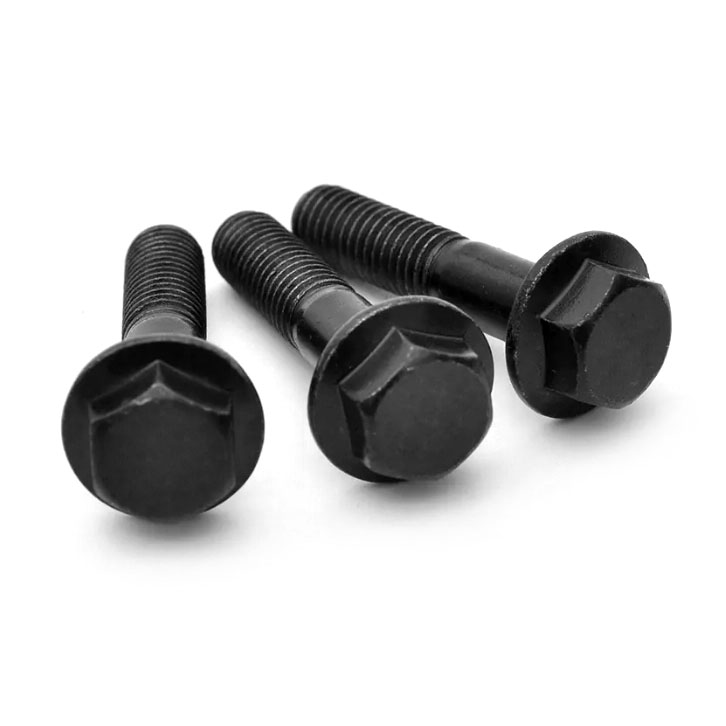
Key Application Scenarios and Industries
The versatility and efficiency of self threading screws for metal make them indispensable across a multitude of industries. Their ability to form robust connections in various metal types without pre-tapping significantly reduces assembly time and complexity.
- Automotive Manufacturing: Used extensively in vehicle assembly for attaching interior components, body panels, and electrical enclosures where vibration resistance and quick assembly are crucial.
- HVAC Systems: Ideal for ductwork assembly, fastening panels, and securing components in heating, ventilation, and air conditioning units due to their strong grip in sheet metal.
- Construction and Roofing: For securing metal roofing sheets, cladding, and framework. Specialized variants, such as bi-metal screws, are often chosen for exterior applications where corrosion resistance is critical, ensuring a long service life even in harsh weather conditions.
- Electronics Enclosures: Fastening metal housings for electronic devices, servers, and control panels where precise fits and secure connections are necessary.
- Appliance Manufacturing: Used in the assembly of domestic and commercial appliances, from refrigerators to washing machines, requiring robust and efficient fastening.
- Industrial Machinery: In the fabrication of various types of machinery and equipment, providing durable joints in structural components.
- Marine Applications: Stainless steel self-threading screws are preferred for marine environments due to their superior resistance to saltwater corrosion, ensuring the longevity of components on boats and offshore structures.
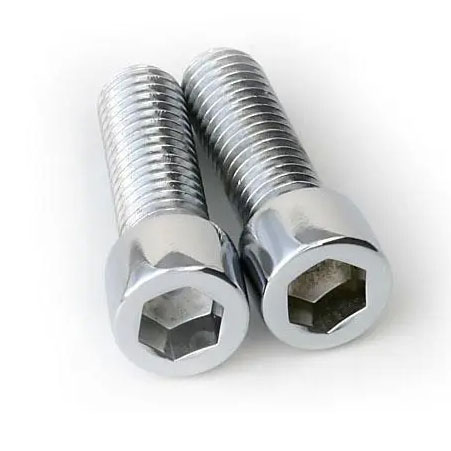
Technical Advantages and Performance Metrics
The inherent design and material science behind self threading screws for metal offer several distinct advantages over traditional fastening methods:
- Reduced Assembly Time and Cost: By eliminating the pre-tapping operation, these screws drastically cut down on labor time and the need for additional tooling, leading to significant energy saving in high-volume production. Studies show up to a 30% reduction in fastening time compared to machine screws requiring tapping.
- Enhanced Joint Strength: The thread-forming process cold-works the parent material around the screw, increasing the hardness and strength of the mating threads. This results in superior pull-out resistance and vibration loosening resistance compared to cut threads.
- Improved Material Efficiency: The material displacement during thread forming reduces waste by eliminating chips associated with tapping, leading to a cleaner assembly environment and better material utilization.
- Corrosion Resistance: Available in various materials and coatings (e.g., 304/316 SS for marine applications, Dacromet for automotive), they provide superior corrosion resistance, extending the service life of assembled components. This is especially beneficial in industries like petrochemical and water supply & drainage.
- Simplified Logistics: Fewer components (no separate nut or washer needed for many applications) simplify inventory management and supply chain logistics.
Performance metrics such as drive-to-strip ratio, prevailing torque, and ultimate tensile strength are rigorously tested. A typical self threading screws for metal might exhibit a drive-to-strip ratio exceeding 3:1, indicating robust installation tolerance and joint integrity.
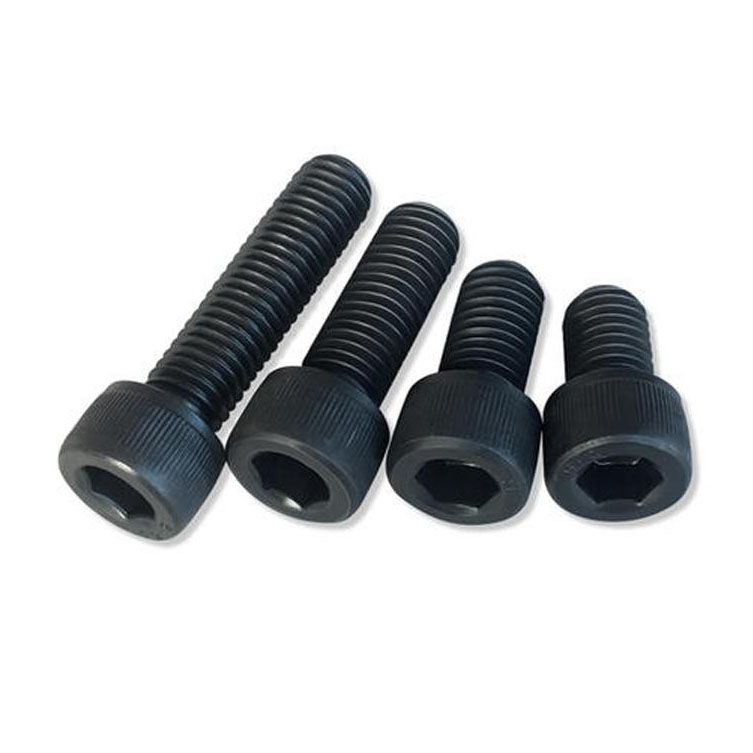
Vendor Comparison and Selection Criteria
Choosing the right supplier for self threading screws for metal is as critical as selecting the fastener itself. Key considerations go beyond mere price, encompassing quality, technical support, and customization capabilities. Reputable screw manufacturers often distinguish themselves through:
- Material Traceability: Ensuring raw materials meet specified standards (e.g., C1022, 304 SS).
- Manufacturing Accreditations: Certifications like ISO 9001:2015 demonstrate a commitment to quality management systems.
- Testing Capabilities: In-house labs for tensile, torque, and corrosion testing.
- Technical Expertise: Ability to provide engineering support for application-specific challenges.
- Customization Options: Offering bespoke designs for head styles, drive types, thread pitches, and coatings.
- Supply Chain Reliability: Consistent lead times and robust logistics.
Vendor Comparison Factors for Self-Threading Screws
| Feature/Service | Standard Vendor | Specialized (e.g., SS/Bi-Metal) Vendor |
|---|---|---|
| Product Range | Common materials (carbon steel), standard sizes. | Extensive materials (SS, bi-metal), custom geometries. |
| Certifications | Basic ISO 9001, perhaps material certificates. | ISO 9001, IATF 16949 (automotive), specific material certifications (e.g., ASTM, DIN). |
| Technical Support | Standard product datasheets. | Dedicated engineering team, design consultation, joint analysis. |
| Customization | Limited to standard modifications. | Full bespoke design, prototyping, unique coatings. |
| Quality Control | Batch testing. | 100% inspection, advanced metrology, PPAP documentation. |
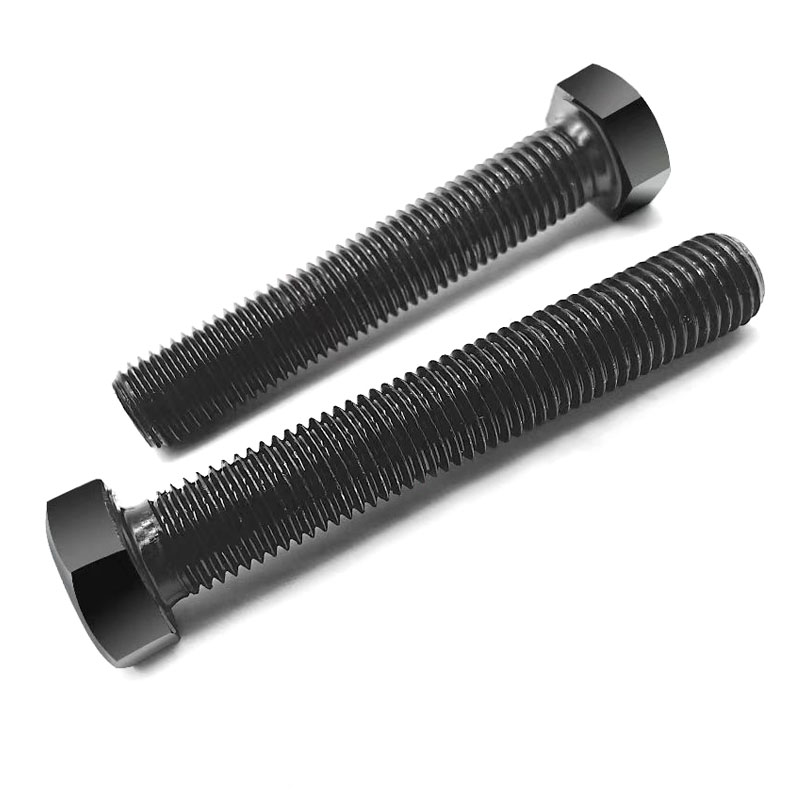
Customized Solutions for Unique Challenges
While standard self threading screws for metal fulfill a wide range of requirements, specific industrial challenges often necessitate customized solutions. Specialized screw manufacturers excel in tailoring fasteners to unique application demands. This can involve modifying thread geometry for different metal thicknesses or hardnesses, developing proprietary coatings for extreme corrosion or temperature resistance, or designing unique head and drive configurations for automated assembly systems or aesthetic requirements.
For instance, in aerospace applications, a specific alloy of bi-metal construction might be developed to resist galvanic corrosion between dissimilar metals, while providing adequate shear strength. In high-vibration environments, screws can be designed with specialized anti-loosening features. The process of developing customized solutions involves close collaboration between the client's engineering team and the manufacturer's R&D department, often starting with finite element analysis (FEA) to simulate performance before prototyping. This ensures the tailored fasteners not only meet but exceed performance expectations for their niche applications.
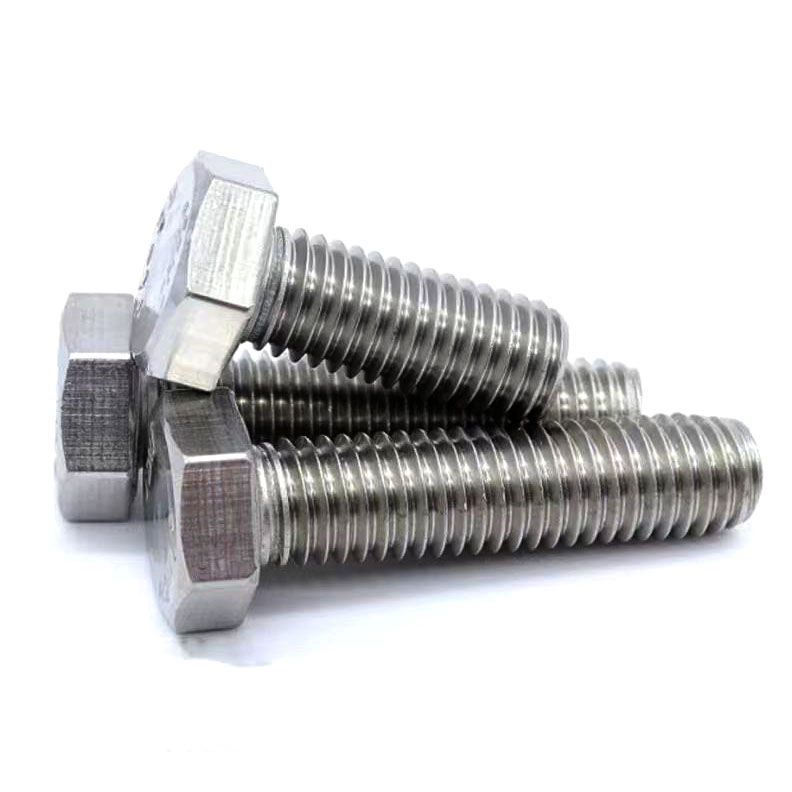
Application Case Studies
Case Study 1: HVAC Ductwork Assembly
A leading HVAC system manufacturer faced challenges with slow assembly times and inconsistent joint quality using traditional sheet metal screws. By transitioning to specialized self threading screws for metal with a drill point and anti-vibration threads, they achieved a 25% reduction in assembly time. The enhanced thread engagement led to a 15% increase in pull-out strength, significantly reducing warranty claims related to loose duct connections. The chosen screws were galvanized for superior corrosion resistance, ensuring a service life exceeding 20 years in typical indoor air quality environments.
Case Study 2: Offshore Wind Turbine Components
For critical non-structural panels and access points on offshore wind turbine nacelles, a manufacturer required fasteners with extreme corrosion resistance and high vibration tolerance. Standard stainless steel fasteners were insufficient due to dissimilar metal contact issues. Working with an experienced bi-metal screw manufacturer, a custom solution was developed: a 316L stainless steel head fused to a hardened carbon steel self-drilling tip, coated with a ceramic-metallic finish. These specialized self threading screws for metal ensured galvanic compatibility, resistance to saltwater spray (tested to over 2,000 hours in ASTM B117 salt spray), and maintained secure fastening despite constant operational vibrations, extending component lifespan and reducing maintenance cycles.
Frequently Asked Questions (FAQ)
Q: What is the primary advantage of self threading screws for metal over traditional machine screws?
A: The main advantage is the elimination of the pre-tapping operation. This significantly reduces assembly time, labor costs, and the need for separate tapping tools, leading to a more efficient and cost-effective assembly process. They also create stronger, vibration-resistant joints.
Q: How do you ensure the corrosion resistance of self threading screws for metal?
A: Corrosion resistance is ensured through material selection (e.g., 304 or 316 stainless steel for excellent natural resistance) and/or specialized coatings like zinc plating, Dacromet, or Geomet. For critical applications, bi-metal screws combine the strength of carbon steel with the superior corrosion resistance of a stainless steel head.
Q: What is the typical lead time for custom self threading screws for metal?
A: For standard products, lead times generally range from 2-4 weeks. Customized solutions, involving design, prototyping, and tooling, can extend to 8-12 weeks depending on complexity and order volume. We maintain sufficient raw material inventory to expedite urgent orders.
Commitment to Trust: Lead Time, Warranty, and Support
As leading screw manufacturers with decades of experience, we understand that trust is built on reliability, quality, and comprehensive support. Our commitment to trustworthiness extends across all facets of our operations, from initial consultation to post-sale service.
- Lead Time & Fulfillment: We leverage an optimized global supply chain and robust production planning to ensure predictable lead times. For standard components, orders are typically fulfilled within 2-4 weeks. Expedited options are available for critical requirements. Our logistics network ensures timely and secure delivery worldwide.
- Warranty Commitments: All our self threading screws for metal are backed by a comprehensive warranty against manufacturing defects and material failures under normal operating conditions. Specific warranty periods and conditions are detailed in our product documentation and can be discussed with our sales team. We stand by the quality and durability of our fasteners.
- Customer Support: Our dedicated technical support team comprises experienced engineers ready to assist with product selection, application guidance, and troubleshooting. We offer pre-sales consulting, post-sales technical assistance, and in-depth product training. Our goal is to forge long-term partnerships, providing continuous value and support to our clients. For inquiries, technical specifications, or support, please contact us via the details provided on our website.
References:
- ISO 9001:2015 Quality Management Systems - Requirements. International Organization for Standardization.
- ASTM B117-19: Standard Practice for Operating Salt Spray (Fog) Apparatus. ASTM International.
- ANSI/ASME B18.6.4: Screws, Tapping, and Metallic Drive Screws. American Society of Mechanical Engineers.
- Property-Performance Relationship of Self-Tapping Screws in Sheet Metal Joints. Journal of Mechanical Engineering.
- Materials Handbook: A Concise Desktop Reference. McGraw-Hill Professional.