A Field Guide to Roof And Foundation Protection with TPO Membranes
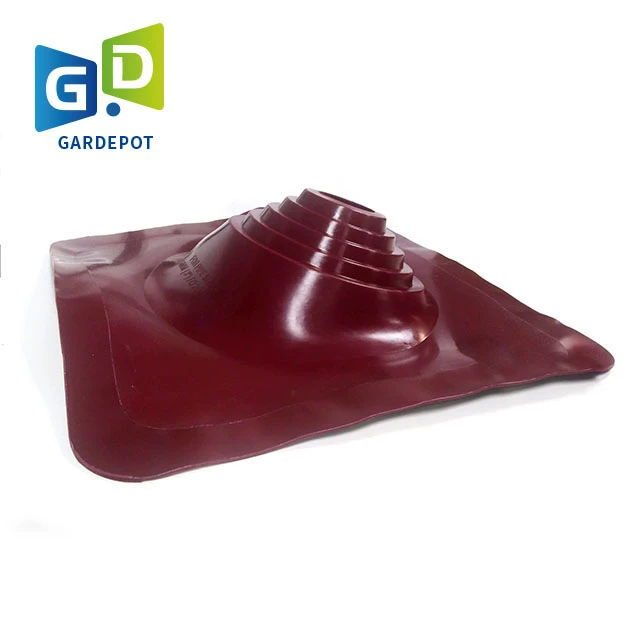
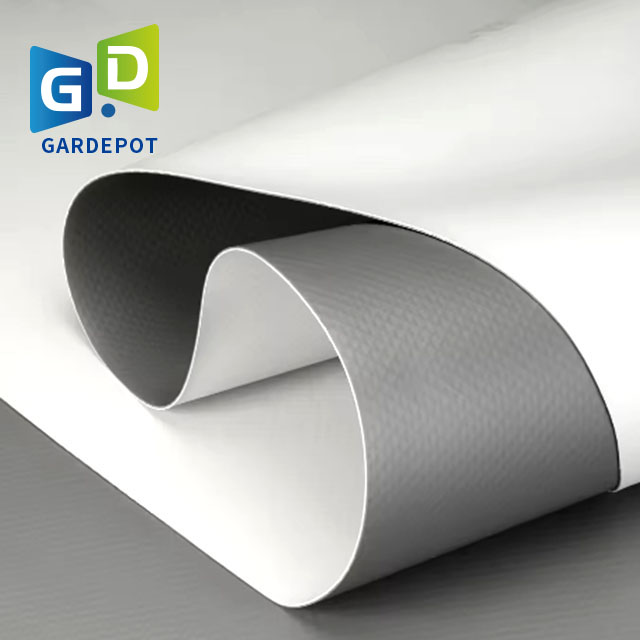
If you’ve ever tried to spec a project and felt lost between roofing jargon and below-grade realities, same here. Let’s demystify it. In today’s market, a smart approach to Roof And Foundation Coating often blends high-reflectance single-ply membranes on top with robust, weldable waterproofing below. One product we keep seeing on serious bid lists is the Tpo Prelay Waterproof Membrane from Gardepota—made for both roofs and foundations, which is handy when you want continuity of detailing and fewer suppliers to chase.
What’s trending (and why it matters)
The industry is nudging toward cool roofs, solvent-free installs, and membranes that can handle aggressive soils. TPO checks those boxes: high SRI, hot-air welds (no open flame), and good chemical resistance. For foundations, prelay or blindside installs are getting popular in tight urban sites. I guess the headline is: continuity from roof-to-footing is in, and so are systems that test well under real jobsite conditions.
Product snapshot: Tpo Prelay Waterproof Membrane
Origin: Room 1314, Block A, Huaye Building, No. 388 Xinhua Road, Qiaoxi District, Shijiazhuang, Hebei. In practice, specifiers like the fast hot-air seams and the option to run the same membrane family from roof parapet down to the footing. Many customers say it simplifies warranties and as-builts.
| Spec (≈, real-world use may vary) | Typical Value / Option |
|---|---|
| Thickness | 1.2 / 1.5 / 2.0 mm |
| Width × Length | 1.0–3.0 m × up to 30 m |
| Reinforcement | Polyester scrim or glass-fiber |
| Seam method | Hot-air welded (no solvent) |
| Tensile (ASTM D751) | ≈ 1.5–3.0 MPa |
| Elongation (ASTM D412) | ≥ 250% |
| Puncture (ASTM D4833) | ≥ 400 N |
| Hydrostatic (ASTM D5385) | Up to ≈ 0.6 MPa |
| Perm (ASTM E96) | ≤ 0.1 perms |
| SRI (white) | ≈ 90+ |
| Service life | 25–30 years with upkeep |
| Standards | ASTM D6878, FM 4470, UL 790 Class A (system), EN 13956 |
Where it fits
- Cool commercial roofs, solar-ready decks, reflective retrofits
- Basement walls and slabs (prelay/blindside), tunnels, podiums
- Green roofs with protection board + root barrier
Process flow (field-proven)
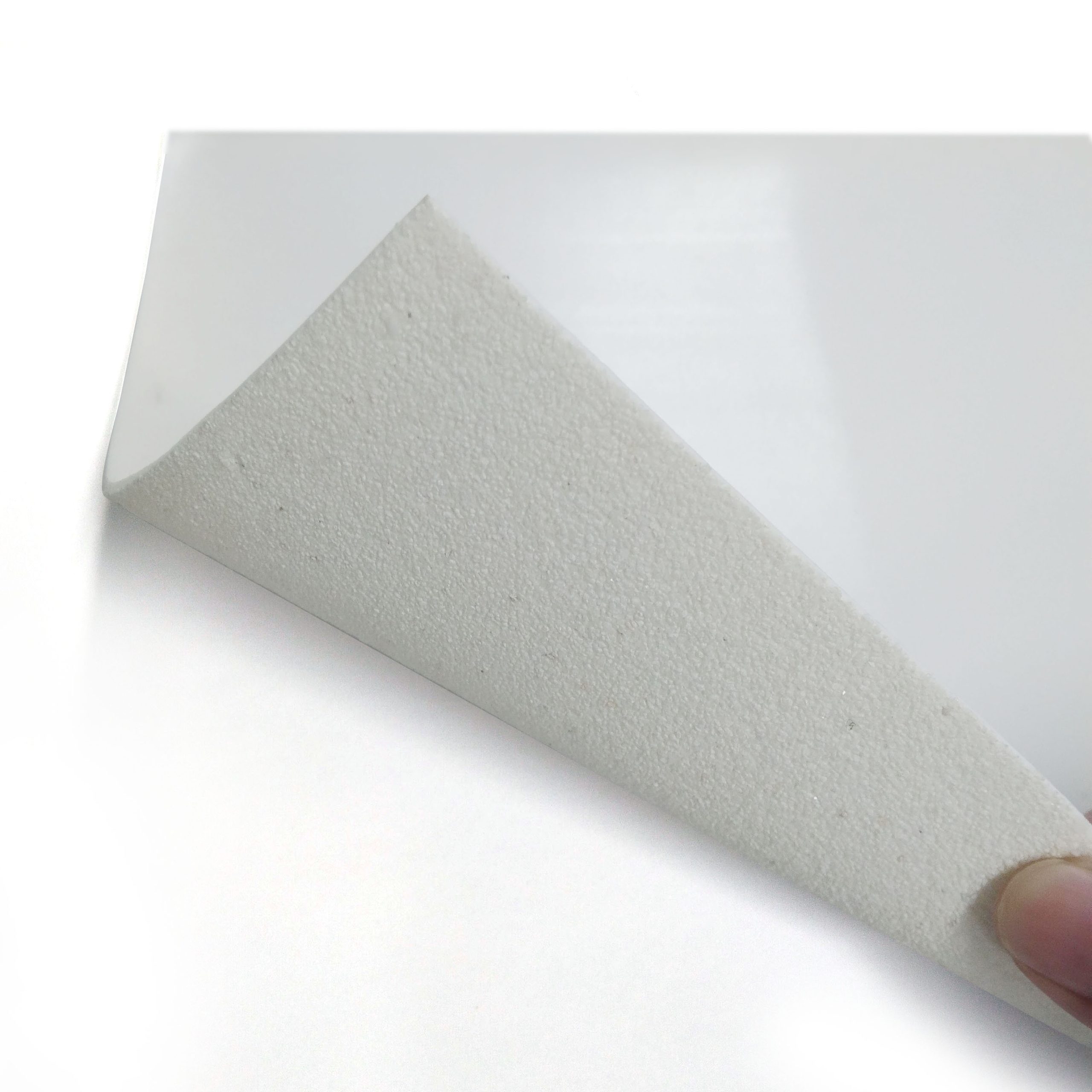
Materials: membrane, primers (as needed), plates/fasteners or adhesive, termination bars, protection/drainage board for below-grade, sealant. Methods: substrate prep (SP-13-like cleanliness for concrete), moisture check (≤ 5% internal), layout and hot-air welding (probe-test seams), terminations, and flood or chamber tests where specified. Testing standards often cited: ASTM D7877 (weld QA), ASTM D5957 (flood), or electronic leak detection per ASTM D7877 Annex. For foundations, mock-ups plus hydrostatic box tests are common. Commissioning teams increasingly ask for weld logs and infrared scans—fair.
Vendor/material comparison
| Material | UV/Heat | Chem/Soil | Welding | Approx Cost | Notes |
|---|---|---|---|---|---|
| TPO (Gardepota Prelay) | Excellent | Good | Hot-air | $$ | High SRI; roof-to-foundation continuity |
| PVC | Very good | Good | Hot-air | $$$ | Plasticizer aging to watch |
| EPDM | Good | Good | Tape/adhesive | $$ | Great flexibility; seams need care |
| SBS/Bitumen | Fair | Good | Torch/adhesive | $–$$ | Robust below-grade with protection board |
Customization and support
Color (white/gray/tan), logo printing, pre-formed corners, T-joint patches, fleece-back for recovery, and width tailoring cut waste. Factory weld coupons and on-site training cut rework, which—honestly—pays for itself.
Field data and feedback
Rooftop mock-up in a Gulf climate showed seam peel (ASTM D1876) ≈ 28 N/mm at 6 months; SRI stayed above 88 after 1,000 hours QUV. A basement pilot (≈ 0.4 MPa head) passed 72-hour hold with no damp spots. Contractors liked the fast welds; one PM said, “probe tests were boring—in a good way.” That’s the vibe you want with Roof And Foundation Coating.
Application tips
- Detail transitions ruthlessly: parapet-to-grade is where leaks start.
- For Roof And Foundation Coating below-grade, add protection and drainage board; backfill gently.
- Record weld temps and travel speed; verify with peel tests daily.
In fact, choosing fewer moving parts across the enclosure makes specs cleaner and maintenance simpler. If you want a single family of materials for both surfaces, Roof And Foundation Coating with a TPO prelay membrane is a practical, future-proof direction.
Authoritative citations
- ASTM D6878 – Standard Specification for Thermoplastic Polyolefin (TPO) Sheet Roofing
- FM 4470 – Approval Standard for Single-Ply, Polymer-Modified Bitumen Roofs
- ASTM D5385 – Hydrostatic Pressure Resistance of Waterproofing Membranes
- NRCA – Single-ply roof systems best practices and details
- UL 790 – Standard Test Methods for Fire Tests of Roof Coverings