Introduction to Stainless Steel Pan Head Screws and Industry Trends
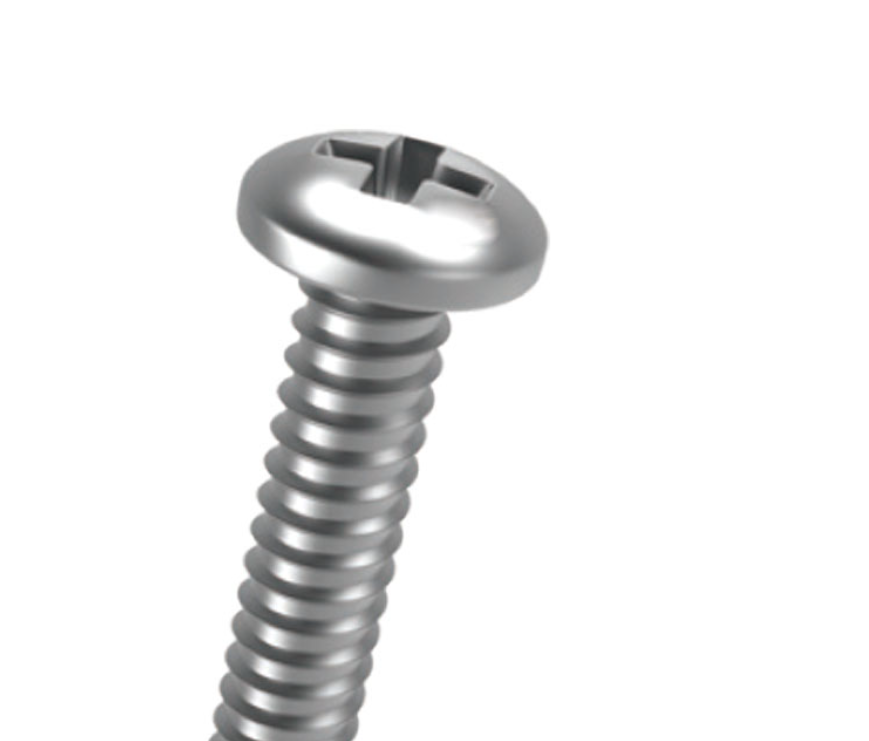
The demand for high-performance fasteners in critical industrial applications continues to escalate, driven by globalization and the increasing complexity of modern engineering projects. Among the myriad of fastening solutions, stainless steel pan head screws stand out as a cornerstone for reliable and durable connections. These screws, characterized by their low-profile, slightly rounded top surface and flat underside, offer a larger bearing surface than many other head types, making them ideal for applications requiring a secure, non-snagging, and aesthetically pleasing finish.
Current industry trends highlight a strong focus on material innovation, sustainability, and enhanced performance under extreme conditions. There's a growing preference for fasteners that offer superior corrosion resistance, high tensile strength, and longevity, especially in harsh environments. The market for stainless steel fasteners is experiencing robust growth, propelled by sectors such as automotive, aerospace, marine, construction, and electronics. Furthermore, the adoption of Industry 4.0 principles is driving demand for precision-manufactured components with tighter tolerances and verifiable quality, areas where specialized manufacturers excel.
Detailed Manufacturing Process of Stainless Steel Pan Head Screws
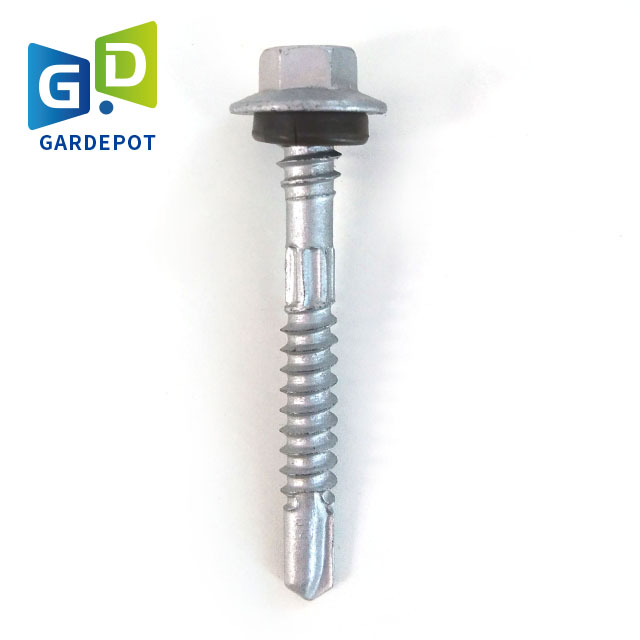
The production of a high-quality stainless steel pan head screws involves a meticulously controlled, multi-stage process designed to ensure material integrity, dimensional accuracy, and optimal performance.
1. Material Selection and Preparation
- Material: The primary material for these fasteners is typically austenitic stainless steel, such as 304 (A2) or 316 (A4) grade. 304 offers excellent corrosion resistance and strength, while 316 provides superior resistance to chlorides and acidic environments, making it suitable for marine and chemical applications. Raw material arrives as wire coils.
- Cleaning and Coating: The wire undergoes descaling and lubrication to prepare it for subsequent forming processes, reducing friction and extending tool life.
2. Cold Heading (Forming the Head and Shank)
This is a key process where the wire is cut to length, and then a series of high-speed cold heading machines shape the head and partially form the shank. Cold heading work-hardens the material, increasing its strength and fatigue resistance without requiring heat treatment. Precision dies are used to form the distinctive pan head profile, ensuring dimensional consistency across batches.
Step 1: Wire Feeding & Cutting
Stainless steel wire fed into machine, cut to specific length.
Step 2: Head Forming (Cold Heading)
Wire compressed by dies to form the pan head.
Step 3: Point Forming
Shank tip shaped (e.g., cone, blunt).
3. Thread Rolling
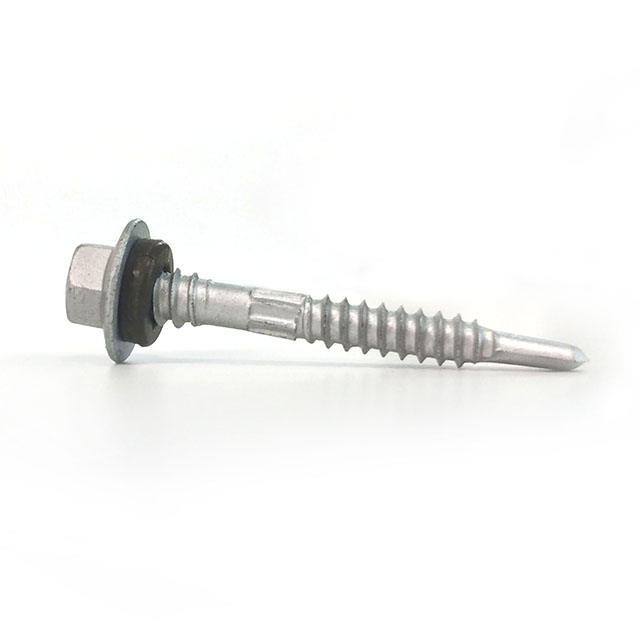
The most common method for forming threads is thread rolling, where the unthreaded shank is rolled between two dies. This process displaces material to form the threads, resulting in stronger threads with a smoother surface finish compared to cut threads. It also improves the fatigue resistance of the screw due to the cold-working effect and uninterrupted grain flow.
4. Heat Treatment (Optional for specific grades)
While most austenitic stainless steels are used in their cold-worked condition, specific applications requiring higher hardness or specific mechanical properties might involve processes like solution annealing for martensitic or precipitation-hardening stainless steels. This step ensures desired material characteristics.
5. Surface Treatment and Finishing
Typically, stainless steel pan head screws undergo passivation. This chemical process removes free iron from the surface and forms a passive oxide layer, significantly enhancing their inherent corrosion resistance. This is a crucial step for achieving the specified service life, especially in corrosive environments. Other optional finishes include polishing for aesthetic appeal or specific coatings for very specialized demands.
6. Quality Control and Testing
Throughout the manufacturing process, strict quality control measures are implemented. Fasteners are tested against international standards such as ISO (e.g., ISO 3506 for mechanical properties of stainless steel fasteners) and ANSI/ASME (e.g., ASME B18.6.3 for machine screws, tapped holes, and metallic drive screws). Key tests include dimensional accuracy, thread gauge verification, hardness testing, tensile strength, proof load, and corrosion resistance (e.g., salt spray tests). This rigorous testing ensures each screw meets specified performance criteria, ensuring a long and reliable service life, often exceeding decades in ideal conditions.
Target Industries and Advantages
- Petrochemical: Exceptional corrosion resistance to acids, alkalis, and chlorides.
- Metallurgy: High temperature stability and mechanical strength for heavy machinery.
- Water Supply & Drainage: Unmatched resistance to waterborne corrosion and chemical treatments.
- Food & Beverage: Hygienic properties and resistance to cleaning agents.
- Electronics: Non-magnetic properties (for certain grades) and secure fastening for delicate components like m4 stainless steel screws in device casings.
These fasteners offer significant advantages in energy saving by reducing maintenance and replacement costs due to their inherent corrosion resistance and extended service life.
Technical Specifications and Data Visualization
Understanding the technical specifications of stainless steel pan head screws is paramount for engineers and procurement specialists to ensure optimal performance in their applications. The following tables present key parameters for commonly used stainless steel grades and dimensions.
Common Stainless Steel Grades for Fasteners
Typical Mechanical Properties (ISO 3506-1:2009 for A2/A4)
Note: 'd' refers to the nominal diameter of the screw. These values represent minimum requirements for standard sizes.
Dimensional Specifications (e.g., M4 and 1/4" sizes)
These specifications are crucial for ensuring interchangeability and compatibility with mating components. For instance, selecting the right m4 stainless steel screws requires precise head and thread dimensions to fit standard enclosures and assemblies. Similarly, robust connections often rely on 14 stainless steel screws which typically refer to 1/4 inch diameter fasteners, requiring specific tooling and torque values.
Application Scenarios and Technical Advantages
The versatility and inherent properties of stainless steel pan head screws make them indispensable across a broad spectrum of demanding industrial and commercial applications. Their design allows for a flush or slightly raised aesthetic, while the broad bearing surface distributes clamping force effectively, minimizing damage to softer materials.
Typical Application Scenarios:
- Electronics and Appliance Manufacturing: Used for securing circuit boards, panels, and housings where non-corrosive and non-magnetic (for specific grades) properties are critical. The pan head provides a neat finish.
- Automotive Industry: Fastening interior components, trim, and electrical systems due to their vibration resistance and aesthetic appeal.
- Marine Applications: Essential for boat construction, rigging, and deck fittings where constant exposure to saltwater demands superior corrosion resistance (typically 316 stainless steel).
- Food Processing Equipment: Adherence to stringent hygiene standards requires stainless steel fasteners that are easy to clean and resist bacterial growth and corrosion from cleaning agents.
- Architectural and Construction: Used for cladding, railing systems, and structural elements exposed to weather, valuing both corrosion resistance and aesthetics.
- HVAC Systems: Fastening ductwork, panels, and components in environments with fluctuating temperatures and moisture.
Technical Advantages:
- Superior Corrosion Resistance: Stainless steel inherently forms a passive chromium oxide layer that protects against rust and various corrosive agents. This is a critical advantage over plain carbon steel fasteners, drastically extending service life in outdoor, marine, or chemical processing environments. For example, 316 stainless steel offers exceptional resistance to pitting and crevice corrosion in chloride-rich solutions, a common challenge for marine components or wastewater treatment plants.
- High Strength-to-Weight Ratio: Cold-formed stainless steel fasteners possess excellent tensile and shear strength, allowing for robust assemblies without excessive weight.
- Temperature Stability: Stainless steel maintains its mechanical properties across a wide range of temperatures, from cryogenic to elevated heat, making it suitable for demanding thermal cycling applications.
- Aesthetics and Hygiene: The clean, bright finish of stainless steel is visually appealing and easy to sterilize, crucial for pharmaceutical and food-grade equipment. The pan head profile provides a smooth, non-snagging surface.
- Non-Magnetic Properties (Austenitic Grades): For sensitive electronic or medical equipment where magnetic interference must be avoided, austenitic stainless steel (like 304 and 316) is the preferred choice.
- Reduced Maintenance & Lifecycle Cost: While the initial cost may be higher than conventional steel screws, the extended lifespan and reduced need for replacement or repair translate into significant long-term cost savings and improved operational efficiency. This contributes to better total cost of ownership (TCO) and directly impacts sustainability goals by minimizing waste and resource consumption.
Vendor Comparison and Customized Solutions
When sourcing stainless steel pan head screws, selecting the right vendor is as critical as choosing the right fastener itself. A reputable supplier offers not just products, but a partnership built on quality assurance, technical support, and the ability to deliver bespoke solutions tailored to unique project demands.
Key Factors for Vendor Comparison:
- Certifications and Compliance: Verify adherence to international standards like ISO 9001 (Quality Management), ISO 14001 (Environmental Management), and specific product standards such as ASTM F593, DIN 7985, or ASME B18.6.3. Look for certifications from recognized bodies.
- Material Traceability: A reliable vendor provides full material traceability, ensuring that the raw materials used can be tracked back to their source and accompanied by material test reports (MTRs). This is crucial for critical applications where material integrity is paramount.
- Manufacturing Capabilities: Assess whether the vendor utilizes advanced manufacturing processes like multi-station cold formers, optical sorting, and in-house testing facilities. This indicates control over quality and precision.
- Technical Expertise and Support: A strong vendor offers engineering support, helping clients select the optimal fastener for their application, including guidance on material grade, thread type, and coating.
- Lead Times and Logistics: Evaluate their ability to meet production schedules and manage logistics efficiently, particularly for just-in-time (JIT) manufacturing environments.
Customized Solutions:
While standard stainless steel pan head screws meet many needs, specialized applications often require bespoke solutions. Leading manufacturers offer comprehensive customization services, enabling engineers to design fasteners that precisely fit their unique requirements.
- Material Variations: Beyond standard 304 and 316, customization can include exotic alloys like Duplex, Super Duplex stainless steel, or specific precipitation-hardening grades for enhanced strength or extreme corrosion resistance.
- Dimensional Modifications: Non-standard lengths, diameters (e.g., specific m4 stainless steel screws dimensions beyond ISO standards), thread pitches, or head dimensions can be engineered to fit specialized assemblies. This includes custom shank diameters or underhead configurations.
- Drive Type and Recess: While Phillips and Torx are common, specific applications may require proprietary drive types for tamper resistance or specialized installation tools. This could also extend to custom recesses for improved torque transmission.
- Integrated Features: Custom fasteners can include pre-applied thread-locking patches, sealing elements, or captive washer assemblies to streamline installation and enhance performance.
- Surface Finishes: Beyond standard passivation, options like electropolishing for ultra-smooth surfaces, PTFE coatings for reduced friction, or specialized color treatments for aesthetic or identification purposes are available.
Application Case Studies and Customer Feedback
Real-world application case studies demonstrate the tangible benefits of utilizing high-quality stainless steel pan head screws in demanding environments. These examples underscore the expertise, experience, and trustworthiness that premium fasteners bring to complex engineering projects.
Case Study 1: Offshore Wind Turbine Construction
- Challenge: An offshore wind turbine manufacturer required fasteners for critical internal and external access panel attachments. These components are constantly exposed to harsh marine environments, including salt spray, high winds, and temperature fluctuations, demanding extreme corrosion resistance and vibration stability.
- Solution: Customized A4-80 grade stainless steel pan head screws (equivalent to 316SS with high tensile strength) with specialized thread-locking patches were provided. The pan head design ensured a low-profile, non-snagging surface crucial for safety and maintenance access.
- Outcome: After five years in service, the fasteners showed no signs of corrosive degradation or loosening, significantly reducing maintenance frequency and costs. The client reported a 30% reduction in inspection time for these components due to their consistent performance.
Case Study 2: High-Precision Medical Device Assembly
- Challenge: A manufacturer of portable diagnostic equipment needed small, precise, non-magnetic fasteners for internal housing and circuit board mounting. The environment demanded strict cleanliness, biocompatibility, and resistance to sterilization agents.
- Solution: Specialized m4 stainless steel screws in 316L (low carbon) stainless steel with a pan head were supplied. These fasteners underwent additional electropolishing and stringent particulate cleaning processes to meet ISO 13485 (Medical Devices Quality Management) standards.
- Outcome: The chosen fasteners provided reliable, sterile connections, ensuring the integrity and functionality of the medical devices. Feedback highlighted the consistent quality and excellent finish, which contributed to simplified assembly and long-term device reliability.
Customer Testimonial:
"Our partnership with [Supplier Name, if available, otherwise generic] for our stainless steel pan head screws needs has been instrumental in enhancing the reliability of our industrial machinery. Their deep technical expertise and commitment to quality, backed by comprehensive certifications, have consistently provided us with fasteners that meet and exceed our demanding specifications. The consistency in batch quality and timely delivery has significantly improved our production efficiency."
Trustworthiness: FAQ, Lead Time, Warranty & Support
Establishing trustworthiness in the B2B fastener industry is built on transparency, reliability, and robust support systems. Our commitment to these principles ensures our clients receive not only high-quality fasteners but also peace of mind.
Frequently Asked Questions (FAQ)
-
Q: What is the primary difference between 304 and 316 stainless steel pan head screws?
A: 316 stainless steel contains molybdenum, which significantly enhances its resistance to corrosion, particularly against chlorides and industrial solvents, making it superior for marine and chemical environments compared to 304. -
Q: Can I get custom sizes or materials for my fasteners?
A: Absolutely. We specialize in customized solutions, from non-standard dimensions (e.g., specific 14 stainless steel screws lengths) and thread types to exotic alloy materials. Our engineering team works closely with clients to develop fasteners that meet precise specifications. -
Q: How do you ensure the quality of your stainless steel pan head screws?
A: We adhere to strict ISO 9001 certified quality management systems. Our process includes comprehensive material traceability, in-process inspections, and final product testing (dimensional, mechanical, and corrosion resistance tests) according to international standards like ISO and ASTM. -
Q: Are your stainless steel dome head screws suitable for outdoor use?
A: Yes, our stainless steel dome head screws, especially in 304 and 316 grades, are highly recommended for outdoor applications due to their excellent corrosion resistance and robust design. The dome head offers a smooth, protective surface ideal for exposed conditions.
Lead Time and Fulfillment
Standard stock items typically have a lead time of 3-5 business days for shipping. For custom orders, lead times vary based on complexity, material availability, and production queue, generally ranging from 3 to 8 weeks. We provide clear, upfront lead time estimates and maintain proactive communication regarding order status to ensure timely fulfillment and inventory management for our clients. Our robust logistics network supports both domestic and international shipments, ensuring on-time delivery.
Warranty Commitments
We stand behind the quality of our stainless steel pan head screws with a comprehensive product warranty. All fasteners are guaranteed to be free from defects in material and workmanship for a period of [e.g., 24 months] from the date of purchase. This warranty covers manufacturing defects and material failures under normal operating conditions. Full warranty terms and conditions are available upon request and are provided with every order.
Customer Support
Our dedicated customer support team is available to assist with technical inquiries, order tracking, and any post-purchase support. We offer multi-channel support via phone, email, and a dedicated online portal. Our technical experts are equipped to provide detailed product information, installation guidance, and troubleshooting advice to ensure optimal performance of our fasteners in your applications.
Conclusion
The strategic selection and deployment of high-quality stainless steel pan head screws are critical for the longevity, safety, and performance of countless industrial and commercial assemblies. From their meticulous manufacturing process, emphasizing cold heading and precision thread rolling, to their exceptional resistance against corrosion and diverse application capabilities, these fasteners offer unparalleled value. Adherence to rigorous testing standards and the availability of customized solutions further solidify their role as a preferred choice for engineers and procurement professionals. Investing in superior stainless steel fasteners is not merely a purchase but a commitment to enduring quality and operational integrity, directly impacting project success and total cost of ownership. The evolution of manufacturing technologies and stringent quality control ensures that today's stainless steel fasteners are more reliable and adaptable than ever, poised to meet the future demands of global industries.
References
- ISO 3506-1:2009, Mechanical properties of corrosion-resistant stainless steel fasteners — Part 1: Bolts, screws and studs.
- ASTM F593, Standard Specification for Stainless Steel Bolts, Hex Cap Screws, and Studs.
- ASM Handbook, Vol. 16: Stainless Steels and Related Alloys. ASM International.
- The Fastener Technology International (FTI) Journal.
- National Institute of Standards and Technology (NIST) publications on material science and engineering.