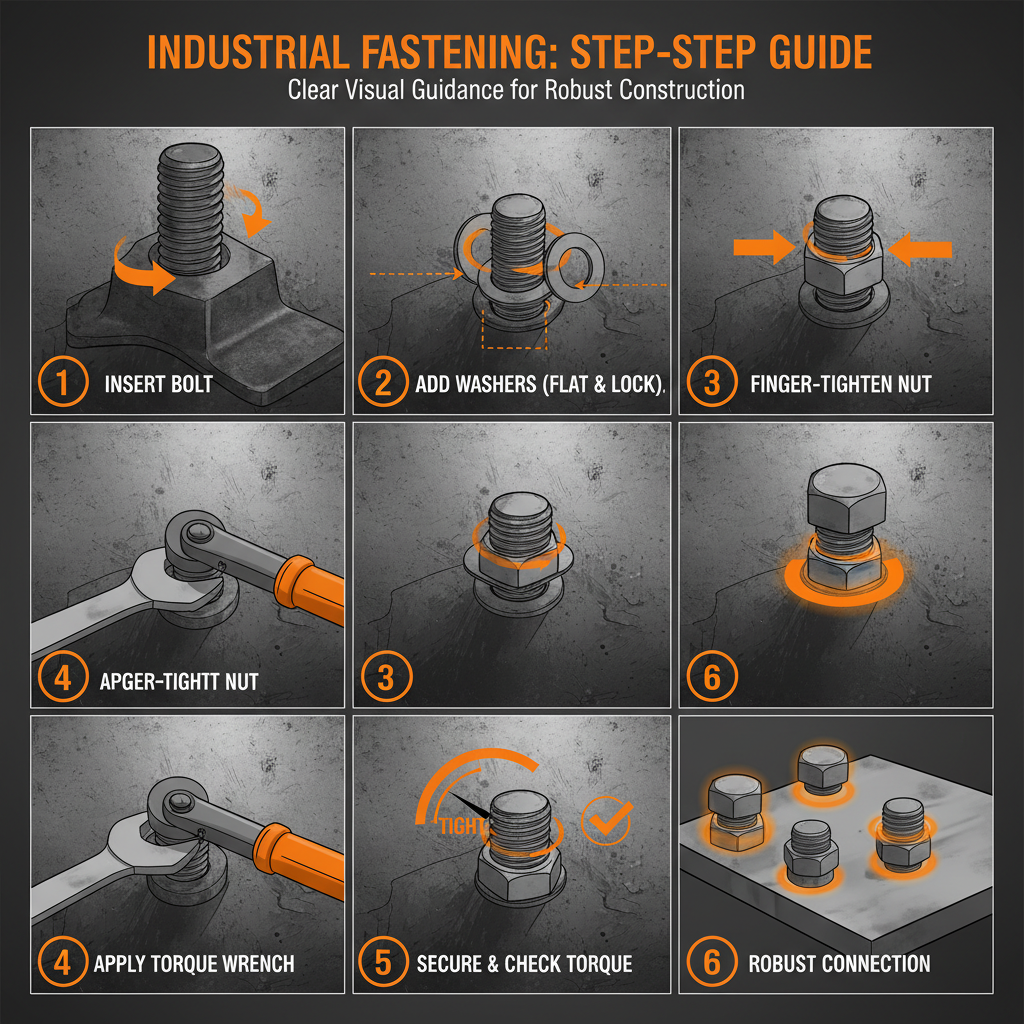
Stainless steel fasteners are critical components in a vast array of industries, from construction and automotive to aerospace and medical. Their inherent resistance to corrosion, high strength, and durability make them invaluable for applications where reliability and longevity are paramount. Understanding the nuances of these fasteners—their different grades, types, and applications—is crucial for engineers, procurement specialists, and anyone involved in projects requiring robust and dependable joining solutions.
Globally, the demand for stainless steel fasteners is steadily increasing, driven by infrastructure development in emerging economies and a growing emphasis on sustainability. The International Organization for Standardization (ISO) sets rigorous standards for the production and testing of these fasteners, ensuring consistent quality and performance across different manufacturers and regions. This standardization facilitates international trade and promotes trust in the integrity of these critical components.
The significance of stainless steel fasteners extends beyond mere mechanical function; they represent a commitment to safety, reliability, and long-term cost-effectiveness. Choosing the correct fastener for a given application can prevent catastrophic failures, minimize maintenance requirements, and ultimately contribute to the success of complex engineering projects. Proper selection and installation are vital to realize these benefits and avoid costly consequences.
The Importance of Stainless Steel Fasteners
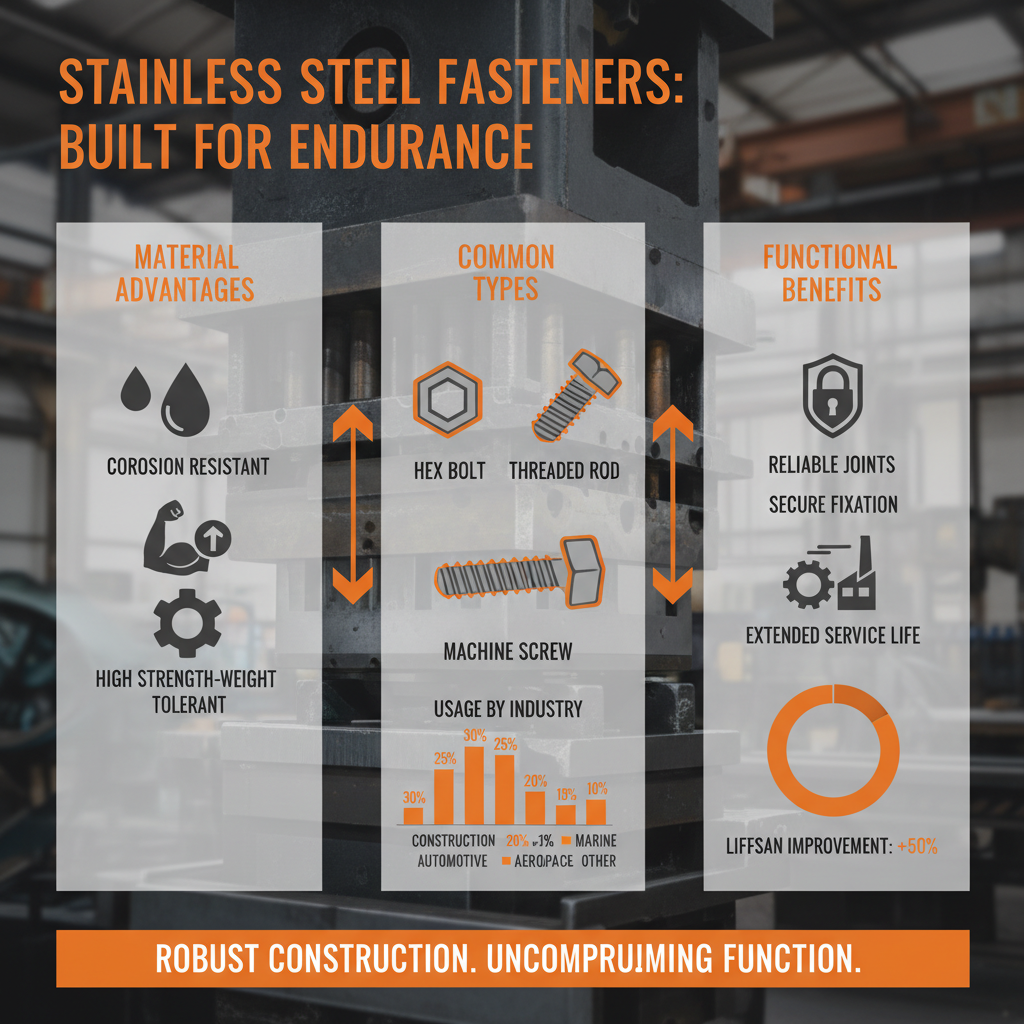
Stainless steel fasteners are engineered to withstand harsh environments and demanding conditions, providing a superior alternative to carbon steel or other alloys. Their corrosion resistance is achieved through the addition of chromium, which forms a passive layer protecting the underlying metal. This makes them ideally suited for outdoor applications, marine environments, and chemical processing plants where exposure to corrosive elements is unavoidable. stainless steel fasteners are a mainstay in these fields.
Beyond corrosion resistance, stainless steel fasteners offer exceptional strength, durability, and aesthetic appeal. They maintain their mechanical properties over a wide temperature range, making them suitable for both high-temperature and cryogenic applications. Their clean, modern appearance also makes them a preferred choice in architectural projects where aesthetics are a priority.
Global Relevance and Industry Context
The global stainless steel fastener market is a multi-billion dollar industry, fueled by robust growth in construction, infrastructure development, and manufacturing sectors worldwide. According to a report by Grand View Research, the global stainless steel market was valued at USD 75.31 billion in 2022 and is expected to grow at a compound annual growth rate (CAGR) of 6.3% from 2023 to 2030. This growth is particularly pronounced in Asia-Pacific, where rapid industrialization is driving demand for high-quality fasteners.
The automotive industry is a significant consumer of stainless steel fasteners, utilizing them in exhaust systems, structural components, and trim applications. Aerospace also relies heavily on these fasteners for their high strength-to-weight ratio and corrosion resistance in critical aircraft systems. The medical industry demands stainless steel fasteners due to their biocompatibility and sterilizability, ensuring patient safety and regulatory compliance.
One of the key challenges facing the industry is the volatility of raw material prices, particularly nickel, a major component of many stainless steel alloys. Supply chain disruptions and geopolitical factors can also impact the availability and cost of these fasteners. Manufacturers are increasingly focusing on optimizing production processes, diversifying sourcing strategies, and investing in research and development to mitigate these risks.
Defining Stainless Steel Fasteners
Stainless steel fasteners are mechanical components used to join materials together, manufactured from various grades of stainless steel alloys. These alloys contain a minimum of 10.5% chromium, which forms a passive protective layer on the surface, preventing rust and corrosion. They come in a multitude of forms, including bolts, screws, nuts, washers, and rivets, each designed for specific applications and fastening requirements.
The specific composition of the stainless steel alloy determines its properties, such as strength, ductility, and corrosion resistance. Common grades include 304/304L (austenitic), 316/316L (molybdenum-alloyed austenitic), and 410 (martensitic). Austenitic stainless steels are generally more corrosion-resistant and formable, while martensitic grades offer higher strength and hardness. Understanding these differences is crucial for selecting the appropriate fastener for a given environment and load-bearing capacity.
Their connection to modern industry is undeniable. Without reliable and durable fasteners, the construction of infrastructure, the assembly of vehicles, and the functionality of countless other products would be severely compromised. They underpin the very fabric of modern life and enable the progress and innovation we rely upon daily.
Key Characteristics of Stainless Steel Fasteners
One of the primary characteristics of stainless steel fasteners is their exceptional corrosion resistance. The chromium content creates a passive layer that prevents oxidation, even in harsh environments. This makes them ideal for marine applications, chemical processing plants, and outdoor structures.
Another key attribute is their high strength and durability. Stainless steel fasteners can withstand significant tensile, shear, and torsional forces, ensuring the integrity of joined components under stress. This is particularly important in applications where safety and reliability are critical.
Stainless Steel Fastener Performance Comparison
Applications Across Industries
In the construction industry, stainless steel fasteners are essential for building bridges, skyscrapers, and other infrastructure projects. Their corrosion resistance ensures the long-term integrity of these structures, even in harsh weather conditions. They are frequently used in roofing, cladding, and structural connections.
The chemical processing industry relies heavily on stainless steel fasteners to withstand the corrosive effects of chemicals and solvents. They are used in pipelines, tanks, and processing equipment, ensuring the safe and reliable operation of these facilities. In post-disaster relief operations, readily available and durable stainless steel fasteners are critical for rapid infrastructure repair.
Advantages and Long-Term Value
The cost-effectiveness of stainless steel fasteners extends beyond their initial price. Their exceptional durability and corrosion resistance significantly reduce maintenance and replacement costs over the lifespan of a project. This translates to long-term savings and a lower total cost of ownership.
From a sustainability perspective, stainless steel is a recyclable material, reducing environmental impact. Its longevity minimizes the need for frequent replacements, conserving resources and reducing waste. The inherent safety provided by reliable fastening systems enhances peace of mind and protects valuable assets.
Future Trends and Innovations
One emerging trend is the development of new stainless steel alloys with enhanced properties, such as increased strength, improved corrosion resistance, and better formability. Researchers are also exploring surface treatments and coatings that further enhance the performance of these fasteners.
Digital transformation is playing a role, with the implementation of smart fasteners equipped with sensors that monitor stress levels, temperature, and corrosion. This data can be used to predict failures and optimize maintenance schedules. Automation in fastener manufacturing processes is also increasing efficiency and reducing costs.
Furthermore, the focus on green energy projects is driving demand for stainless steel fasteners that can withstand the harsh conditions of offshore wind farms and solar power plants. The increasing emphasis on sustainability will continue to fuel innovation in the stainless steel fastener industry.
Challenges and Solutions
A significant challenge is the increasing cost of raw materials, particularly nickel and molybdenum, which are essential components of many stainless steel alloys. This can lead to price fluctuations and impact the affordability of these fasteners.
Supply chain disruptions, as witnessed during the COVID-19 pandemic, can also create challenges in sourcing and delivering stainless steel fasteners on time. Another challenge is the potential for counterfeiting, where substandard fasteners are sold as genuine products.
Solutions include diversifying sourcing strategies, investing in long-term contracts with suppliers, and implementing rigorous quality control measures. Utilizing advanced technologies like blockchain can help track the origin and authenticity of stainless steel fasteners, combating counterfeiting and ensuring product integrity.
Overview of Stainless Steel Fastener Performance in Various Environments
| Environment Type |
Fastener Grade Recommendation |
Corrosion Resistance Rating (1-10) |
Typical Application |
| Marine/Saltwater |
316/316L |
9 |
Boat building, offshore platforms |
| Chemical Processing |
316L |
10 |
Pipelines, tanks, reactors |
| Outdoor/Atmospheric |
304/304L |
8 |
Construction, infrastructure |
| Food Processing |
304/304L |
8 |
Equipment, machinery |
| High-Temperature |
316Ti |
7 |
Exhaust systems, furnaces |
| General Purpose |
410 |
6 |
Interior applications, non-corrosive environments |
FAQS
316 stainless steel contains molybdenum, which significantly enhances its corrosion resistance, especially against chlorides (like saltwater). 304 is more cost-effective and suitable for general applications, while 316 is preferred in marine environments, chemical processing, and applications requiring greater resistance to pitting and crevice corrosion. 316 also generally exhibits better performance at elevated temperatures.
Determining the correct size requires knowing the dimensions of the materials being joined and the required clamping force. The grade depends on the environment, load requirements, and temperature. Consult engineering standards, fastener charts, and, if necessary, a qualified engineer to ensure proper selection. Consider factors like tensile strength, shear strength, and corrosion resistance.
Galling, or adhesive wear, can occur with stainless steel fasteners. To prevent it, use anti-seize lubricants during installation, choose fasteners with different surface finishes, and ensure proper tightening torque. Consider using coatings or plating on the threads to reduce friction. Avoid using stainless steel fasteners with dissimilar metals without appropriate precautions.
Counterfeit fasteners often have poor surface finishes, incorrect markings, and substandard material composition. Purchase from reputable suppliers, verify certifications, and perform material testing if necessary. Look for consistent branding and packaging, and be wary of significantly lower prices than market averages.
Passivation is a chemical treatment that enhances the corrosion resistance of stainless steel by removing free iron from the surface, promoting the formation of a protective chromium oxide layer. This process is crucial for maximizing the lifespan and performance of stainless steel fasteners in corrosive environments. It is particularly important after machining or forming operations.
Using stainless steel fasteners with aluminum can lead to galvanic corrosion. Aluminum is less noble than stainless steel, so in the presence of an electrolyte (like moisture), the aluminum will corrode preferentially. To mitigate this, use isolation washers or coatings to separate the metals. Consider selecting a stainless steel grade with a similar electrochemical potential to aluminum.
Conclusion
Stainless steel fasteners are more than just joining components; they are essential elements in ensuring the safety, reliability, and longevity of countless structures and systems worldwide. Their unique combination of corrosion resistance, strength, and durability makes them indispensable across a wide range of industries. Understanding their properties, applications, and future trends is crucial for professionals and organizations striving for excellence in engineering and construction.
As technology advances and sustainability concerns grow, the demand for innovative and high-performing stainless steel fasteners will continue to increase. Investing in quality fasteners, coupled with proper installation and maintenance, represents a long-term investment in the integrity and resilience of critical infrastructure and essential products. Visit our website at Gardepota to explore our comprehensive range of stainless steel fasteners and learn how we can support your project needs.