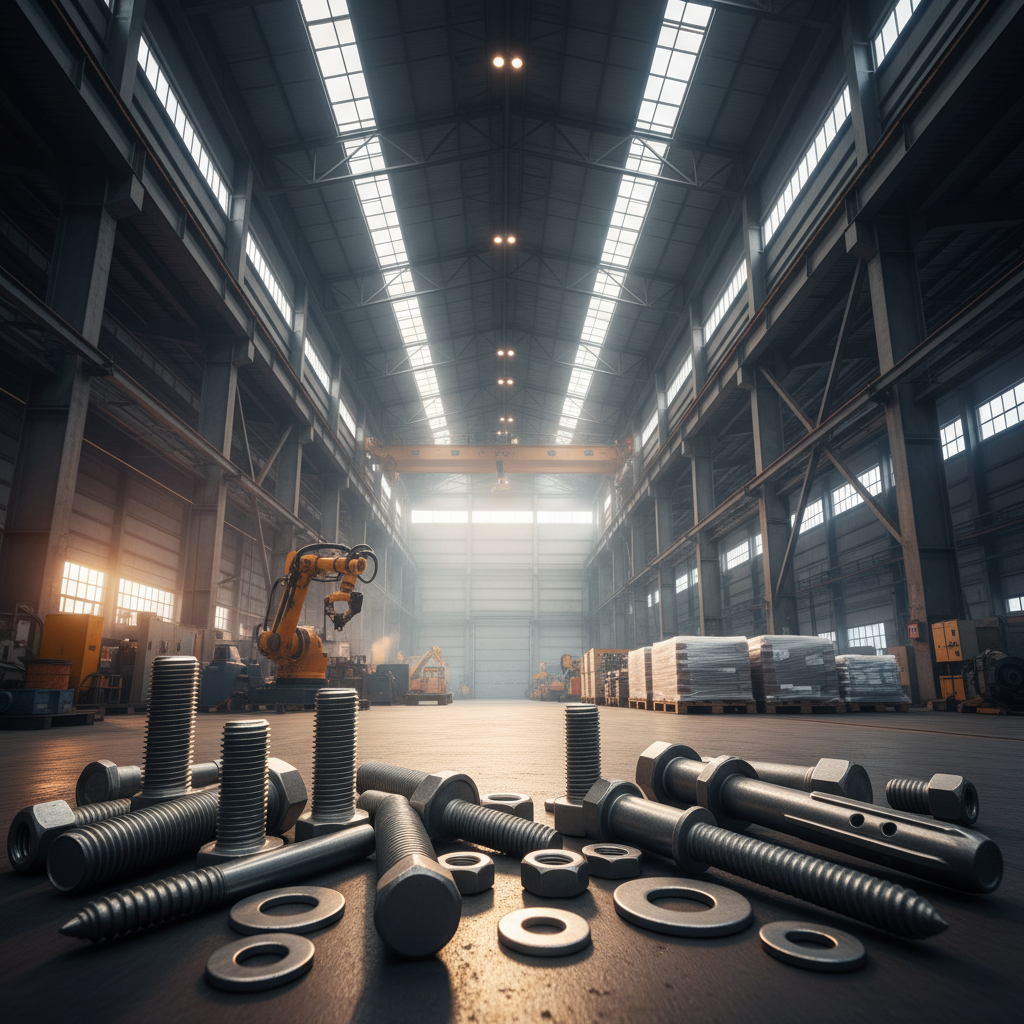
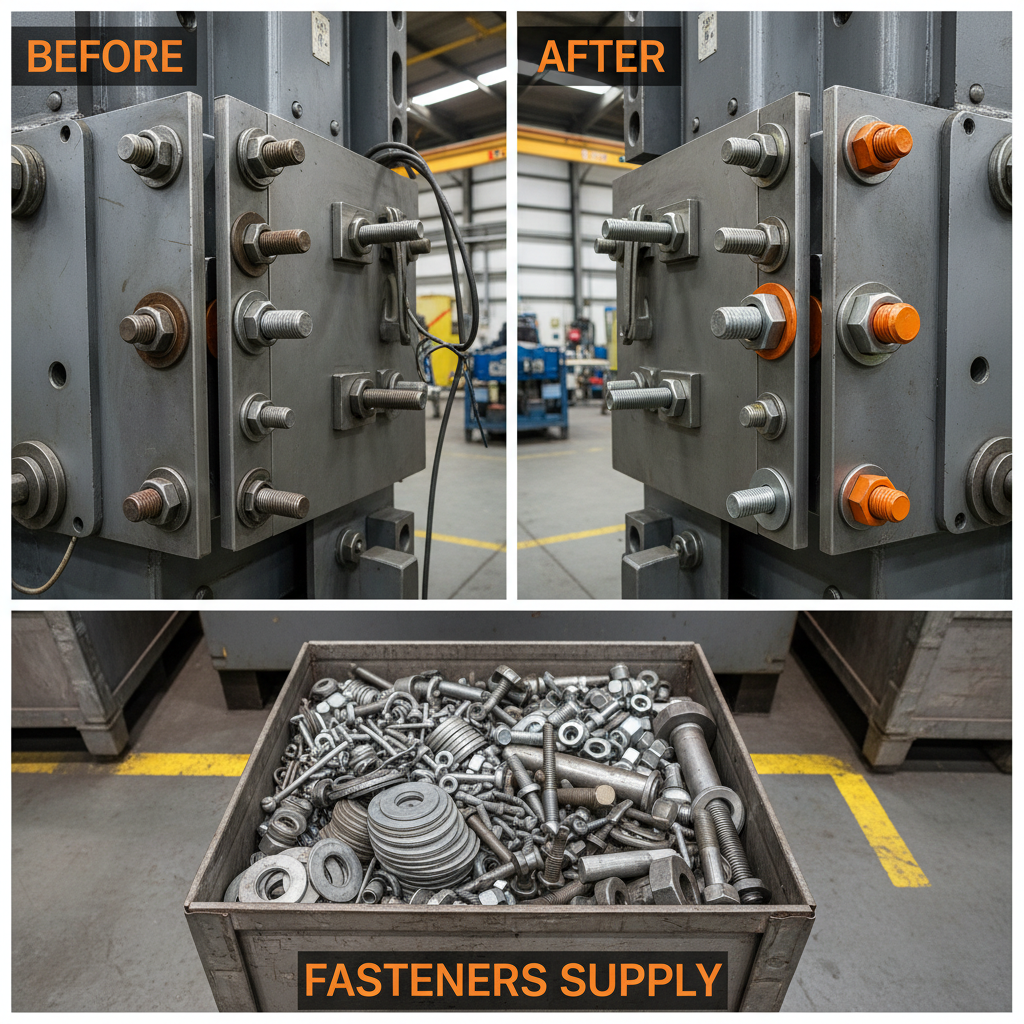
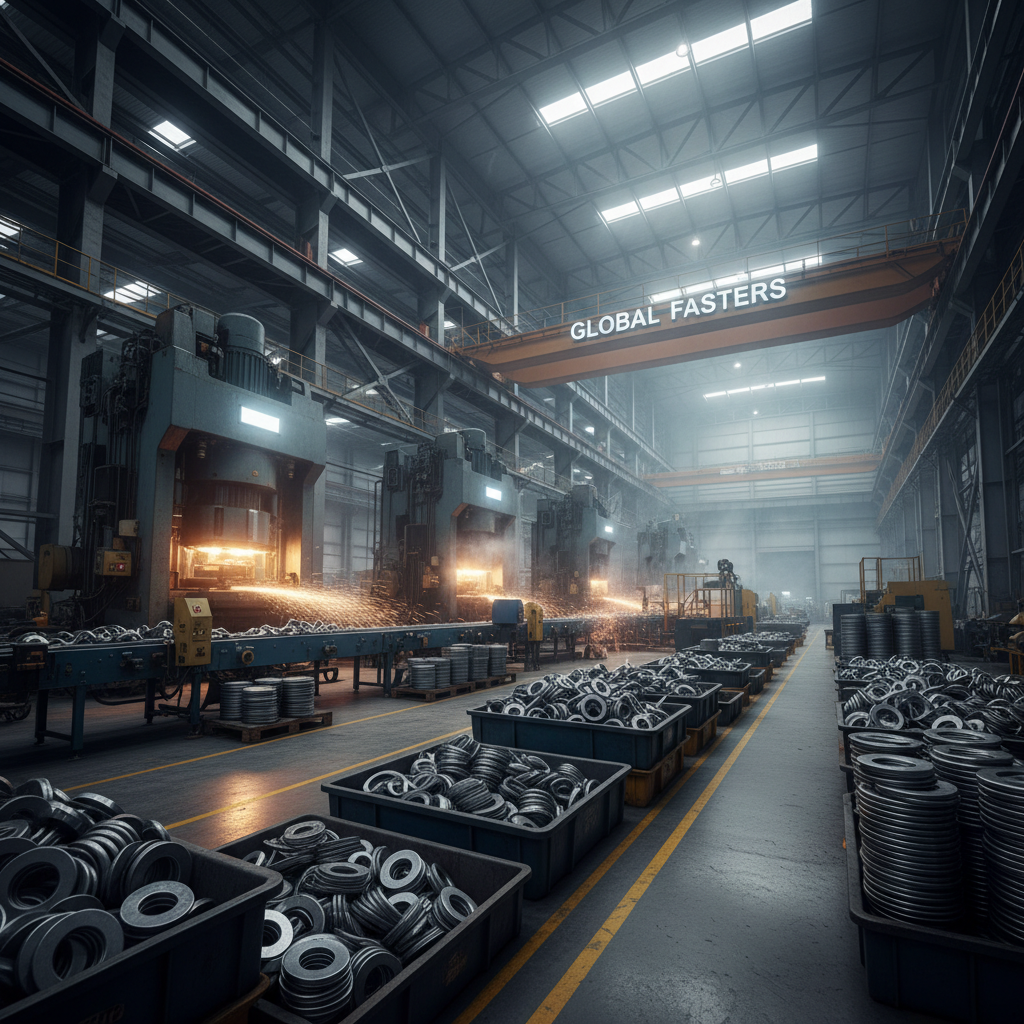
Different types of metal fasteners are fundamental components across a vast range of industries, from aerospace and automotive engineering to construction and everyday consumer goods. Their ability to securely join materials is critical for safety, durability, and functionality. The global market for these fasteners is substantial, driven by ongoing infrastructure development, manufacturing expansion, and a constant need for reliable assembly solutions. Understanding the nuances of different types of metal fasteners is no longer a niche technical concern, but a crucial element for engineers, procurement specialists, and anyone involved in the design, construction, or maintenance of modern structures and machines.
The demand for high-quality metal fasteners is directly linked to global economic growth and industrial output. According to reports from the UN and World Bank, infrastructure projects in developing nations are heavily reliant on a consistent supply of these essential components. The ISO standards organization plays a vital role in defining quality and performance benchmarks for metal fasteners, ensuring interoperability and safety across international markets. The increasing complexity of modern designs often necessitates specialized fasteners with unique properties, posing challenges for manufacturers to innovate and adapt.
A key issue facing industries today is balancing cost-effectiveness with the need for high-performance, corrosion-resistant fasteners. Traditional materials like steel are often susceptible to rust and degradation, leading to maintenance issues and potential failures. The rise of new materials and coating technologies aims to address these challenges, but widespread adoption is often hindered by cost concerns and a lack of standardized testing procedures. Effectively navigating these complexities requires a thorough understanding of the different types of metal fasteners available and their respective applications.
Introduction to different types of metal fasteners
The term “different types of metal fasteners” encompasses a broad spectrum of components designed to mechanically join materials together. These range from simple screws and bolts to more complex rivets, anchors, and specialized joining elements. Their primary function is to create a secure connection, resisting forces that attempt to separate the joined parts. The selection of the appropriate fastener depends heavily on factors like the materials being joined, the expected load, the environment, and the required level of permanence.
The significance of these components extends far beyond simply holding things together. High-quality metal fasteners are integral to the structural integrity of buildings, the safety of vehicles, and the reliable operation of countless machines. Failure of a single fastener can sometimes lead to catastrophic consequences, highlighting the critical importance of selecting the right type for each application and ensuring its proper installation. different types of metal fasteners play a huge role in our lives.
Defining Different Types of Metal Fasteners
Different types of metal fasteners are broadly categorized based on their method of application and the type of force they exert to create a joint. Threaded fasteners, such as screws, bolts, and nuts, rely on helical ridges to grip and secure materials. Non-threaded fasteners, like rivets and pins, create joints through deformation or interference fit. Specialty fasteners, including self-tapping screws and anchors, are designed for specific applications and materials.
The core purpose of all fasteners, regardless of their type, is to provide a reliable and consistent clamping force. This force is what prevents the joined materials from separating under stress. The effectiveness of a fastener depends on factors like its material properties, its geometry, and the accuracy of its installation. Choosing the correct fastener is crucial to ensuring the long-term integrity and safety of any assembled product or structure.
Understanding these distinctions is critical for anyone involved in design, engineering, or assembly. For example, a bolt requires a nut to create a secure joint, while a screw can often be driven directly into a material. Different types of metal fasteners also differ in their resistance to shear, tension, and corrosion, making selection even more complex.
Key Characteristics of Metal Fasteners
Several key characteristics define the quality and performance of metal fasteners. These include material composition, strength, corrosion resistance, and head style. Material composition directly impacts the fastener's tensile strength, shear strength, and resistance to environmental degradation. Common materials include carbon steel, stainless steel, aluminum, and titanium.
Strength is often measured by yield strength (the point at which the fastener begins to deform permanently) and tensile strength (the maximum stress the fastener can withstand before breaking). Corrosion resistance is particularly important in outdoor or harsh environments and can be enhanced through coatings like zinc plating, galvanization, or the use of corrosion-resistant alloys. Head style affects the fastener's appearance, accessibility for tightening, and the distribution of clamping force.
Beyond these fundamental characteristics, factors like thread pitch, fastener diameter, and drive type (e.g., Phillips, slotted, hex) also play a crucial role in determining its suitability for a given application. These specifications must be carefully considered during the design process to ensure a secure and reliable connection.
Durability and Performance Considerations
The long-term durability and performance of metal fasteners are paramount for ensuring the safety and reliability of any assembled structure. Factors that influence these aspects include the fastener’s material, the applied load, the environmental conditions, and the quality of installation. Proper torque application is critical; over-tightening can strip threads or damage the materials being joined, while under-tightening can lead to loosening and failure.
To assess durability, engineers often conduct rigorous testing, including tensile testing, shear testing, and fatigue testing. These tests simulate real-world conditions to determine the fastener's ability to withstand sustained loads, repeated stress cycles, and environmental factors such as temperature fluctuations and corrosion.
Performance Ratings of Different Fastener Materials
Global Applications of Metal Fasteners
Different types of metal fasteners are ubiquitous across a wide range of industries and applications worldwide. In the construction sector, they are used to assemble structural frameworks, secure cladding, and fasten roofing materials. The automotive industry relies heavily on fasteners for assembling vehicle components, ensuring structural integrity, and enhancing safety.
Aerospace applications demand high-strength, lightweight fasteners capable of withstanding extreme temperatures and stresses. The electronics industry utilizes specialized fasteners for securing components in circuit boards and enclosures. Even everyday consumer products, such as furniture, appliances, and toys, rely on metal fasteners for assembly and durability.
Advantages of Utilizing Metal Fasteners
Metal fasteners offer numerous advantages over other joining methods, such as welding or adhesives. They provide a strong, reliable, and often reversible connection. The ability to disassemble a joint without damaging the materials is a significant benefit for maintenance, repair, and product redesign. Different types of metal fasteners also offer excellent resistance to shear and tensile forces, making them ideal for structural applications.
Compared to adhesives, metal fasteners generally require less surface preparation and are less sensitive to environmental conditions. They are also less likely to creep or relax over time, maintaining their clamping force for extended periods. While welding can create a permanent joint, it often alters the material properties in the vicinity of the weld, potentially reducing its strength.
Furthermore, the wide variety of metal fasteners available allows engineers to tailor the connection to specific requirements, optimizing for strength, corrosion resistance, and cost-effectiveness. The standardized nature of many fasteners also ensures compatibility and simplifies sourcing.
Future Trends in Metal Fastener Technology
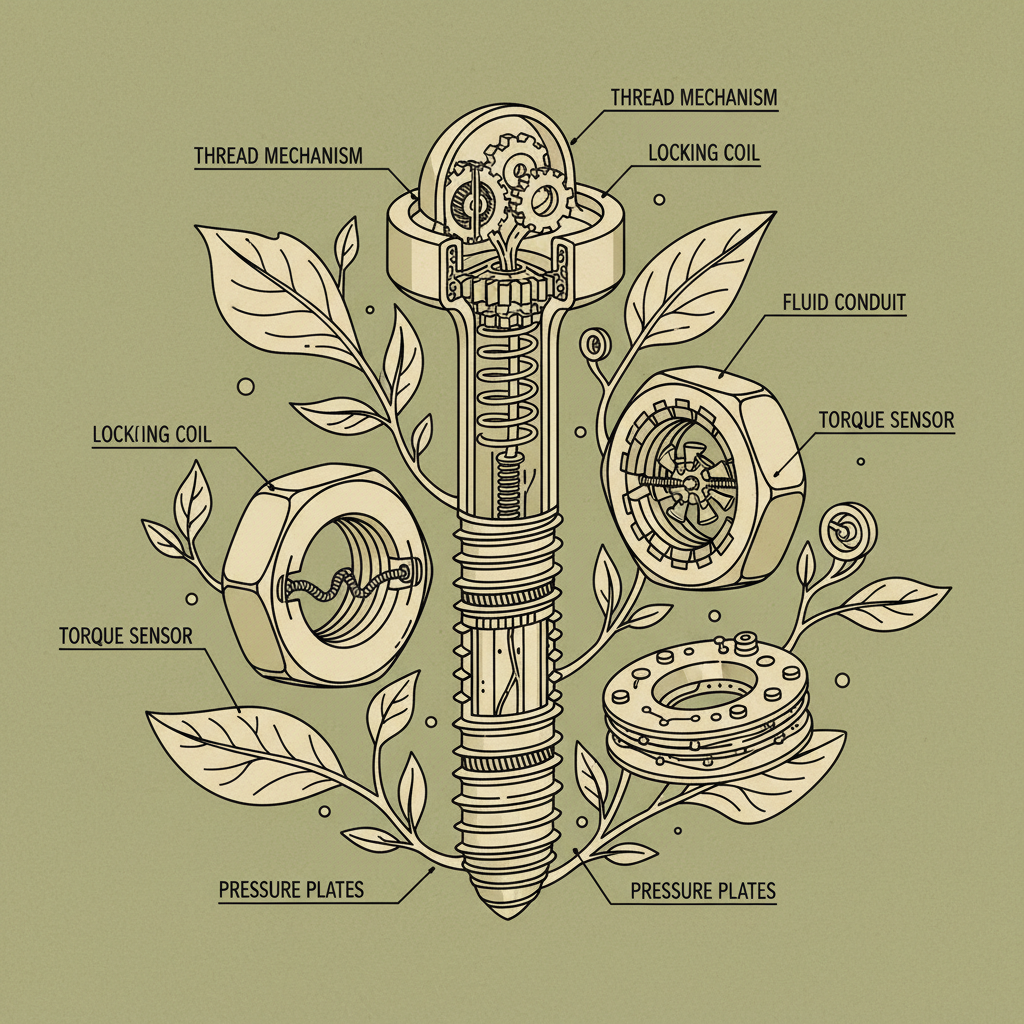
The field of metal fastener technology is continually evolving, driven by demands for greater efficiency, sustainability, and performance. One emerging trend is the development of self-locking fasteners that enhance joint security and prevent loosening due to vibration. Another is the use of advanced materials, such as high-strength alloys and composite materials, to reduce weight and improve corrosion resistance.
Digital technologies, including IoT sensors and data analytics, are being integrated into fasteners to monitor stress levels, detect potential failures, and optimize maintenance schedules. This predictive maintenance approach can significantly reduce downtime and improve safety. 3D printing is also enabling the creation of customized fasteners with complex geometries and tailored properties.
Sustainability is another key driver of innovation. Manufacturers are increasingly focused on reducing the environmental impact of fastener production through the use of recycled materials, energy-efficient manufacturing processes, and eco-friendly coatings.
Summary of Future Trends in Metal Fastener Technology
| Trend Category |
Specific Innovation |
Potential Impact |
Adoption Timeline |
| Materials Science |
High-Strength Aluminum Alloys |
Reduced weight, increased corrosion resistance |
5-10 Years |
| Smart Fasteners |
Integrated Strain Sensors |
Predictive maintenance, improved safety |
3-7 Years |
| Manufacturing Processes |
Additive Manufacturing (3D Printing) |
Customized designs, reduced lead times |
2-5 Years |
| Surface Treatments |
Advanced Corrosion-Resistant Coatings |
Extended fastener lifespan, reduced maintenance |
Currently Available |
| Design Innovation |
Self-Locking Fasteners with Enhanced Mechanisms |
Increased Joint Security, Vibration Resistance |
1-3 Years |
| Sustainability |
Recycled Material Integration |
Reduced Environmental Footprint |
Ongoing |
FAQS
Bolts generally require a nut to create a secure connection, while screws typically cut their own threads into the material being joined. Screws are often used for lighter-duty applications, while bolts are favored for higher-strength connections. The type of drive (e.g., hex, Phillips) also differs between the two. Understanding these distinctions is crucial for selecting the appropriate fastener for a given application, ensuring both safety and durability.
The material a fastener is made from significantly affects its resistance to corrosion. Stainless steel, for example, contains chromium which forms a protective oxide layer, preventing rust. Carbon steel, however, is prone to corrosion unless protected with coatings like zinc plating or galvanization. Choosing the right material for the environment is critical to prevent premature failure and maintain structural integrity.
Applying the correct torque is essential for ensuring a secure and reliable joint. Over-tightening can strip threads or damage the materials being joined, while under-tightening can lead to loosening and failure. Manufacturers typically specify a torque range for each fastener based on its size, material, and application. Using a calibrated torque wrench is highly recommended.
Self-locking fasteners are designed to resist loosening due to vibration or other forces. They typically incorporate features like nylon inserts, distorted threads, or prevailing torque mechanisms. These fasteners are ideal for applications where maintaining a secure connection is critical, such as in machinery, vehicles, and aerospace equipment.
Titanium fasteners are used in applications where a high strength-to-weight ratio and exceptional corrosion resistance are required. Common applications include aerospace, medical implants, and high-performance automotive components. While expensive, titanium’s unique properties make it ideal for demanding environments.
Determining the appropriate fastener involves considering several factors: the materials being joined, the expected load, the environmental conditions, the required level of permanence, and the desired aesthetic appearance. Consulting with an experienced engineer or fastener specialist is recommended, especially for critical applications.
Conclusion
In conclusion, understanding the diverse world of different types of metal fasteners is paramount for success across countless industries. From the fundamental principles of material selection and torque application to the emerging trends in smart fasteners and sustainable manufacturing, a comprehensive grasp of these components ensures structural integrity, safety, and long-term reliability. Proper fastener selection is not merely a detail; it is a critical element of sound engineering and responsible design.
Looking ahead, continued innovation in materials, manufacturing processes, and digital integration will undoubtedly shape the future of metal fastener technology. Embracing these advancements and prioritizing quality control will be essential for meeting the evolving demands of a globalized and increasingly complex world. For reliable, high-quality different types of metal fasteners, visit our website today.