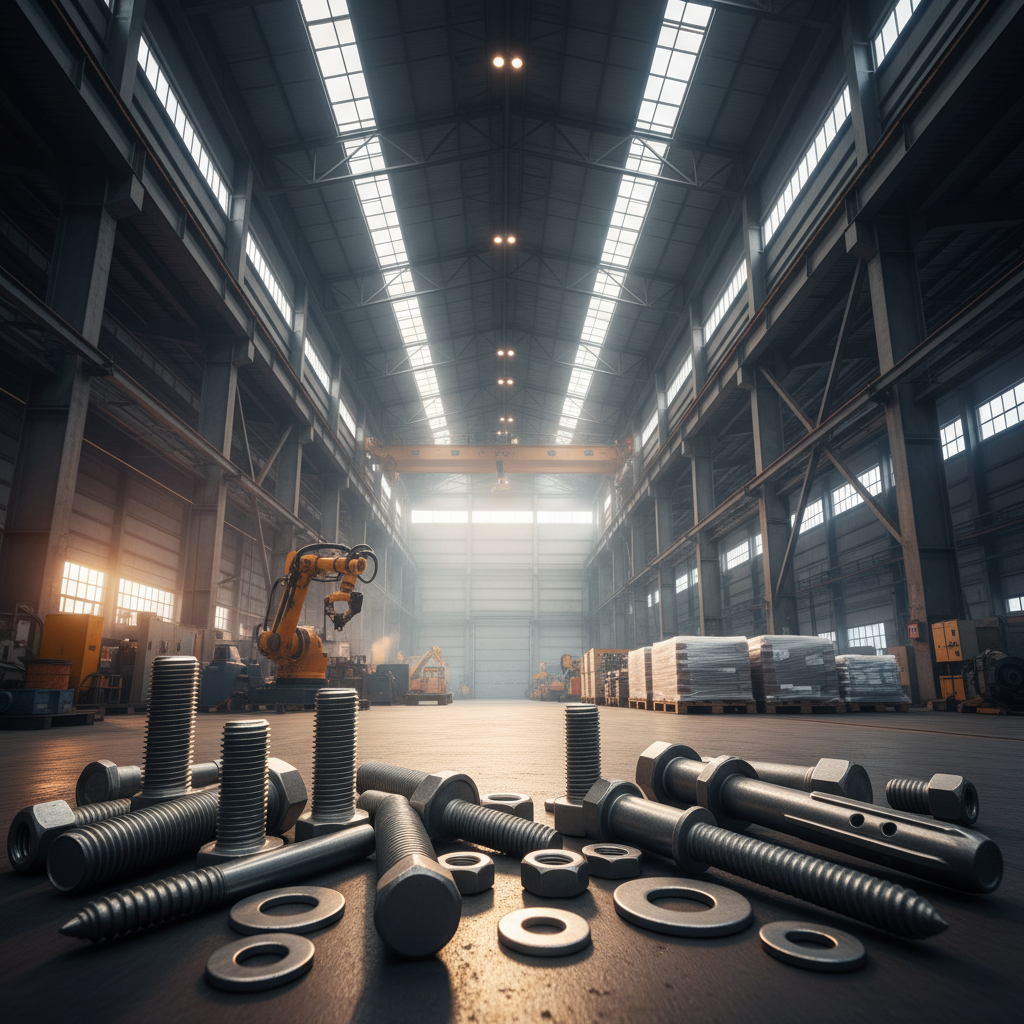
Metal washers, seemingly simple components, play a crucial role across a vast spectrum of industries and applications. These unassuming pieces, typically disc-shaped, are fundamental for distributing loads, preventing damage to surfaces, and ensuring secure fastening. Understanding the different types of metal washers available – from flat washers to lock washers, and those crafted from various materials – is essential for engineers, technicians, and anyone involved in assembly or maintenance. Their importance extends beyond mere mechanical function; proper washer selection directly impacts the longevity, safety, and reliability of assembled products and structures.
Globally, the demand for metal washers is driven by sustained growth in manufacturing, construction, automotive, and aerospace sectors. According to industry reports, the global washer market is projected to reach significant value in the coming years, fueled by increasing infrastructure development in emerging economies and the stringent safety regulations in developed nations. A challenge lies in matching the right washer type to specific application demands, considering factors like load capacity, environmental conditions, and material compatibility to prevent premature failure or costly repairs.
In essence, metal washers serve as vital interface elements between fasteners and assembled components. Their selection isn’t merely about fitting a hole; it’s about engineering a secure, durable, and reliable connection. From ensuring the structural integrity of bridges to guaranteeing the safety of vehicle assemblies, these small parts have a significant impact on modern life.
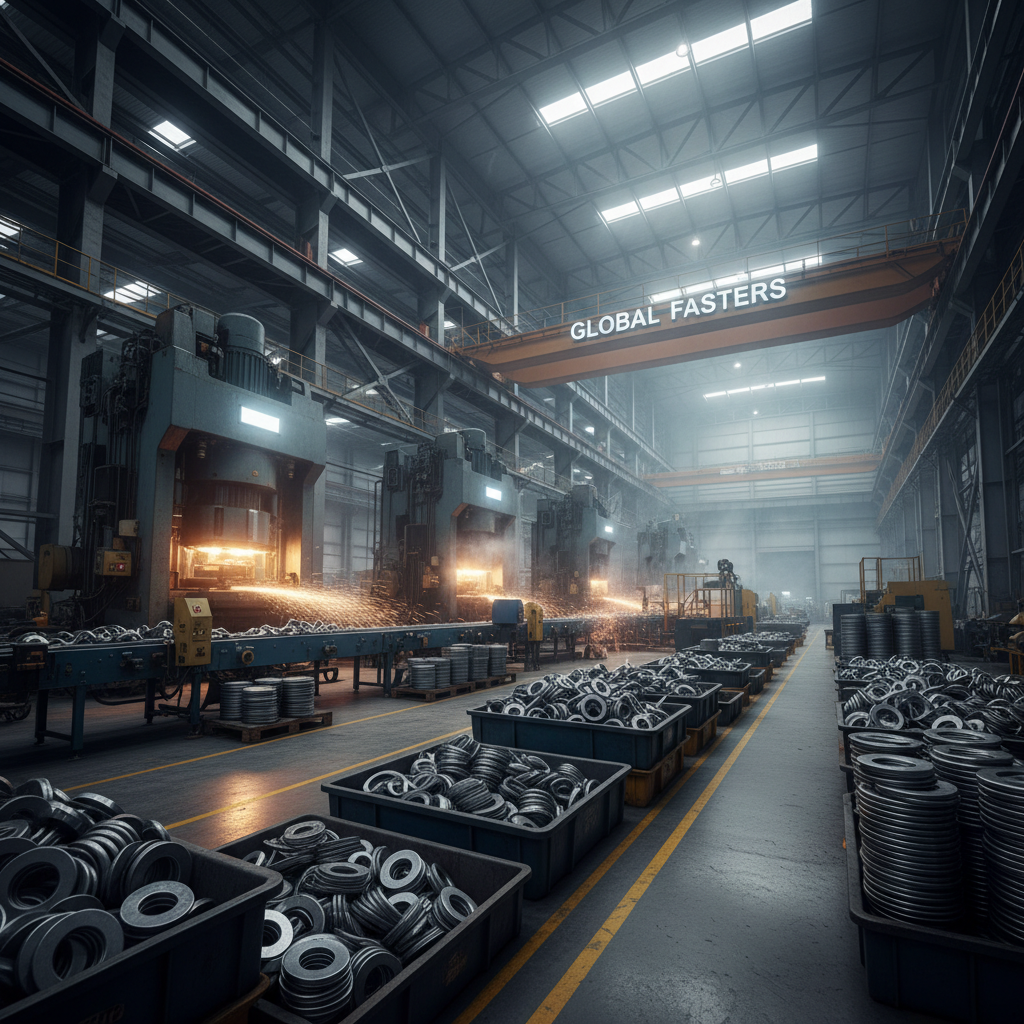
The world of metal washers is surprisingly diverse, extending far beyond the simple flat washer. Different types of metal washers are engineered for specific purposes, each with unique characteristics that affect performance. Lock washers, for instance, are designed to prevent loosening due to vibration, while split washers provide spring tension for a secure fit. The choice depends on the application's unique requirements.
Understanding these variations is critical. Using the wrong type can lead to joint failure, compromised safety, and increased maintenance costs. The correct washer ensures optimal stress distribution, preventing damage to the joined materials and maximizing the fastener's effectiveness.
Flat washers are used to distribute load and protect surfaces, while lock washers are designed to prevent loosening due to vibration. Lock washers achieve this through various mechanisms, like split ends (split lock washers) or serrated edges (tooth lock washers), creating friction and preventing the fastener from rotating. Choosing between them depends on the application’s vibration levels and the desired level of security.
In marine environments, corrosion is a major concern. Stainless steel washers, particularly those made from 316 stainless steel, are the best choice. 316 stainless steel contains molybdenum, which significantly improves its resistance to saltwater corrosion. Avoid using carbon steel washers in marine applications unless they have a robust protective coating, as they will corrode quickly.
The washer size should correspond to the bolt or screw size. The inner diameter (ID) of the washer should match the bolt’s shank diameter, not the thread diameter. The outer diameter (OD) should be large enough to distribute the load effectively across the surface being fastened. Consult fastener specifications and washer dimension charts for accurate sizing.
Yes, certain materials are better suited for high-temperature applications. Stainless steel washers can withstand moderate temperatures, but for extreme heat, materials like Inconel or Hastelloy are preferred. These alloys maintain their strength and corrosion resistance at very high temperatures, making them ideal for exhaust systems or furnace components.
Fender washers have a large outer diameter and are primarily used to distribute load over a wider surface area. This prevents damage to soft or thin materials, such as plastic or wood. They are often used in automotive applications to secure trim or panels, and in construction to prevent fasteners from pulling through drywall or plywood.
While it’s technically possible to reuse washers, it’s generally not recommended, particularly for critical applications. Repeated use can cause deformation, loss of spring tension (in the case of lock washers), and corrosion. Replacing washers with new ones ensures a secure and reliable connection, minimizing the risk of failure. For non-critical applications, inspection for damage is crucial before reuse.
In conclusion, understanding the various types of metal washers is fundamental to ensuring the safety, reliability, and longevity of assembled products and structures. From selecting the appropriate material to considering load capacity and environmental conditions, careful washer selection is a critical engineering practice. The subtle differences between washer types can have a significant impact on performance and prevent costly failures.
Looking ahead, continued innovation in materials, manufacturing processes, and sensor technologies will further enhance the capabilities of metal washers. Embracing sustainable practices and prioritizing preventative maintenance will be crucial for maximizing their long-term value. Visit our website at www.gardepota.com to explore our extensive range of metal washers and find the perfect solution for your application.