Understanding Roofing Plates and Screws: Durability and Global Impact
Why Roofing Plates and Screws Matter More Than Ever
At first glance, roofing plates and screws might seem like the unsung background players in construction projects. But frankly, they’re kind of the secret sauce for everything from your everyday rooftop to large-scale humanitarian shelters across continents. Understanding their role is not just valuable for builders or engineers; it shapes how we create safer, more sustainable living environments worldwide. These small but mighty components influence durability, cost, and even emergency response — reasons enough to give them some serious attention.
A Global Look at Roofing Components: Context and Challenges
Globally, the roofing market is a substantial segment within construction, with the World Bank estimating that over 1 billion people live in inadequate housing requiring roofing repairs or replacements. In regions prone to extreme weather, especially in the Asia-Pacific and sub-Saharan Africa, fast and reliable roofing solutions are essential. The International Organization for Standardization (ISO) offers guidelines to ensure these components meet strict quality controls, but many challenges remain: how to balance durability and affordability, how to streamline installation in remote areas, and how to integrate eco-friendly materials. In emergency scenarios—say, after a cyclone or an earthquake—time and trust hinge on the quality of roofing plates and screws.
What Exactly Are Roofing Plates and Screws?
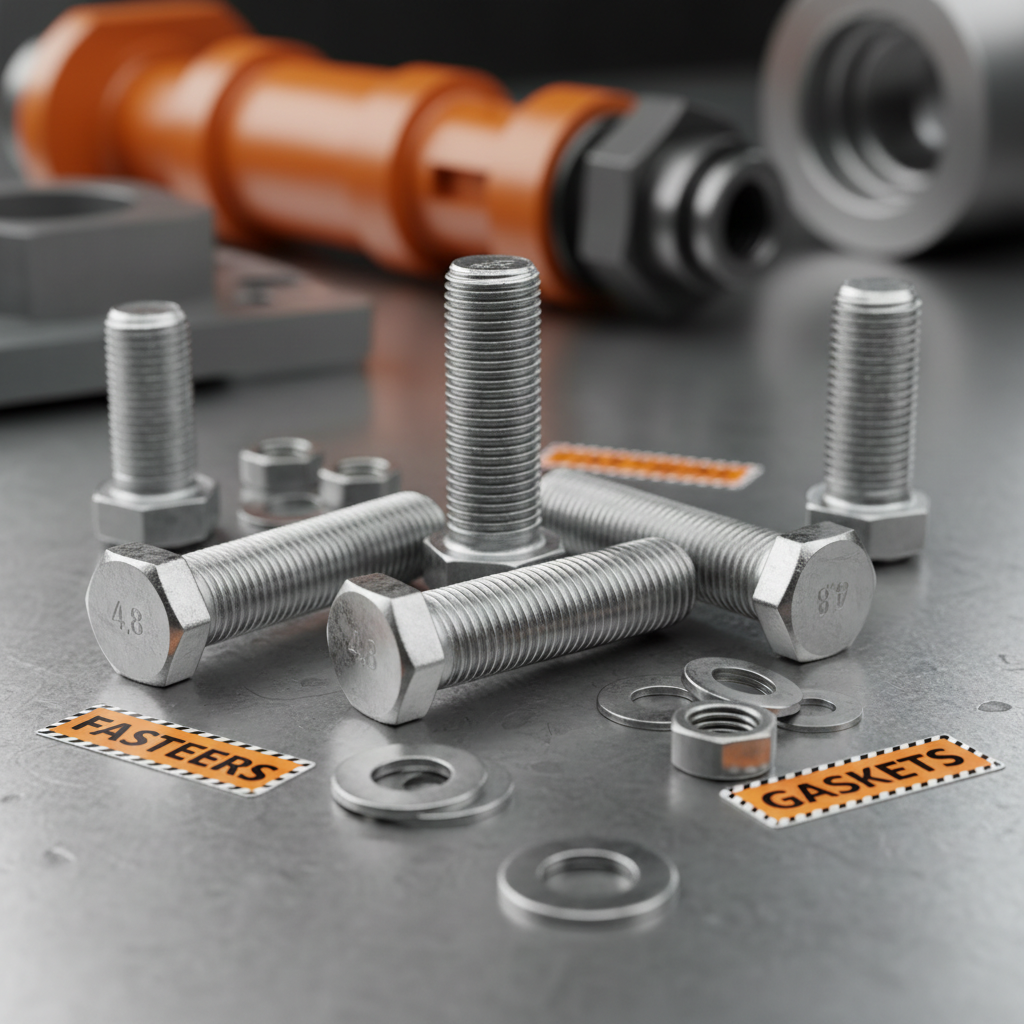
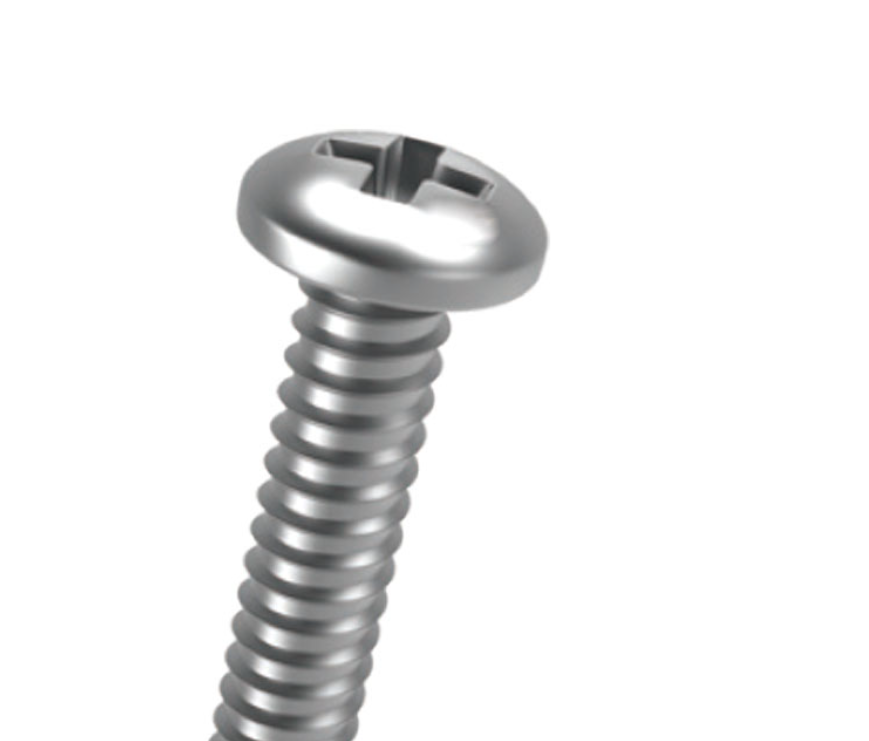
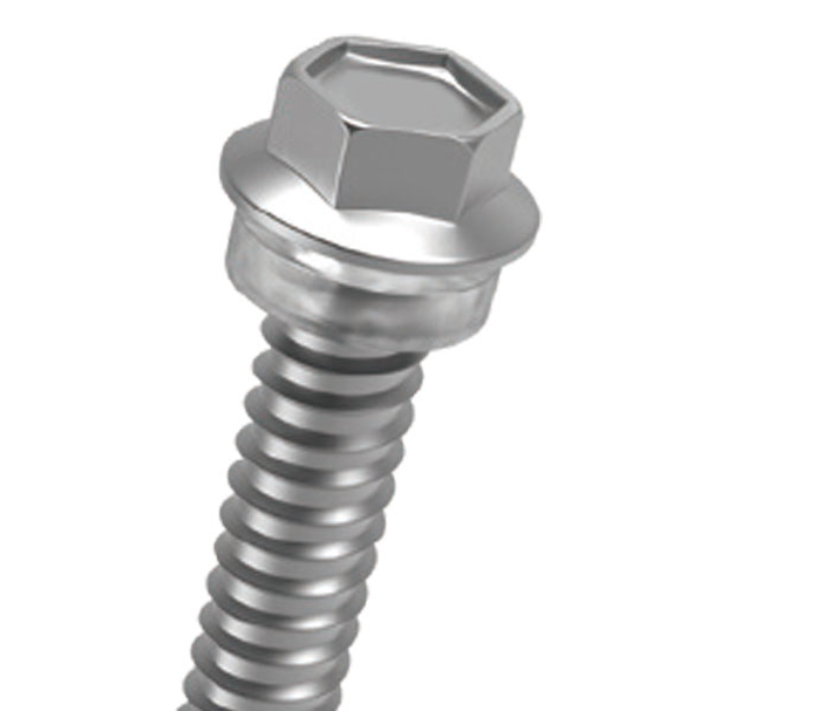
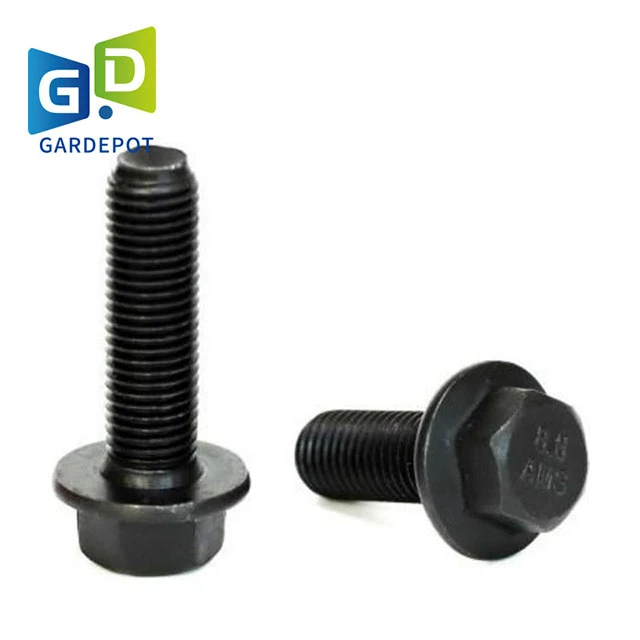
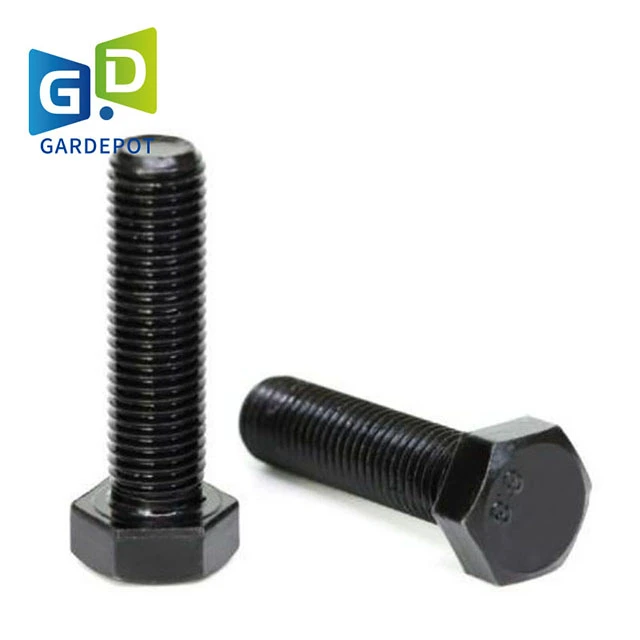
Simply put, roofing plates are flat or shaped metal pieces that reinforce joints or anchor roofing sheets to the building's structure. The screws designed for roofing have unique threads and seals to resist weather, rust, and vibration, making roofs stable under diverse conditions. Together, these components are the backbone of modern roofing systems. Modern industries rely on them for fast assembly and long-lasting structures, while humanitarian organizations count on them for delivering safe, dignified shelter solutions swiftly.
Mini Takeaway: Roofing plates and screws might sound basic, but they are engineering essentials that directly impact construction quality and speed worldwide.
Core Aspects of Roofing Plates and Screws
1. Durability and Materials
These hardware pieces are usually constructed from galvanized steel or stainless steel with corrosion-resistant coatings. Some manufacturers now offer polymer-based washers or anti-UV treated plastics to prolong lifespan. Durability means fewer repairs and longer shelter lifetimes — vital in climates with fluctuating temperature and humidity.
2. Scalability and Installation Speed
When roofing plates and screws are standardized and optimize quick fastening, builders can scale projects rapidly. This is indispensable in disaster-hit areas, where “speed to shelter” is a life-saving metric.
3. Cost Efficiency
By balancing material costs with performance, suppliers have made these components affordable without sacrificing quality. This ongoing balancing act influences everything from rural homes to commercial warehouses.
4. Weather Resistance
Seals integrated into roofing screws prevent leaks and rust, increasing the roof’s resilience. This means less downtime and downstream costs for maintenance.
5. Compatibility
Modern roofing plates and screws cater to various substrates — metal sheets, wood frames, composite panels — making them versatile in building design.
Mini Takeaway: Think of roofing plates and screws as more than just fixings; they're engineered solutions marrying strength, speed, and adaptability.
How Roofing Plates and Screws Are Changing the World
Walk through construction sites in Southeast Asia or Africa, and you’ll spot these components quietly holding together everything from school buildings to hospital rooftops. The United Nations Office for the Coordination of Humanitarian Affairs (OCHA) frequently emphasizes roofing hardware in its shelter kits. Post-disaster relief operations rely on them for fast, reliable assembly when evacuees need protection most. Industrial zones also prefer these fasteners for quick setup and ongoing maintenance ease. Oddly enough, even green building projects leverage specialized screws and plates that support solar panel mounts and rainwater harvesting rooftops.
Mini Takeaway: Whether saving lives or improving industrial efficiency, roofing plates and screws have real, on-the-ground impacts.
Advantages and Lasting Value
- Cost Savings: Reduced rework and maintenance thanks to long-lasting materials lower overall costs.
- Environmental Benefits: Longevity means less waste; newer materials enable recycling or reduced chemical impact.
- Social Trust: Safe shelters heighten occupant security and dignity.
- Innovation At Heart: Advances in coatings and profiles continually push the envelope.
In essence, these simple pieces combine emotional comfort with practical reliability. It’s safe to say many engineers feel a weird pride bolting down the perfect screw that will keep a home standing through storms.
Product Specifications Snapshot
| Specification | Typical Range | Comments |
|---|---|---|
| Material | Galvanized Steel, Stainless Steel | Depends on corrosion resistance needs |
| Coating | Zinc, Polymer Seal | Enhances weather resistance |
| Length | 25 mm to 100 mm | Varies by roof thickness |
| Plate dimensions | 50 x 50 mm to 100 x 100 mm | Shapes include square, circular |
| Temperature tolerance | -40°C to 120°C | Suitable for extreme climates |
Vendor Comparison: What to Look For
| Feature | Vendor A | Vendor B | Vendor C |
|---|---|---|---|
| Material Quality | Premium galvanized steel | Stainless steel options | Standard galvanized |
| Lead Time | 1-2 weeks | 3-4 weeks | 1 week |
| Customization | Available | Limited | Available |
| Warranty Period | 5 years | 7 years | 3 years |
| Environmental Certification | ISO 14001 | None | ISO 9001 |
Looking Ahead: Trends and Innovations
As the world tilts toward sustainability, roofing plates and screws are following suit. New biodegradable coatings, engineered microstructures for ultra-light but strong fasteners, and integration with IoT sensors for structural health monitoring are bubbling up. Automation in manufacturing means less waste and more consistent quality. Solar-ready fasteners that double as electrical grounding points combine green energy with secure building in an elegantly simple way. Honestly, it feels like the little bolt is having its upgrade moment.
Challenges and Practical Solutions
Still, it’s not all sunshine. Common hurdles include corrosion in extreme coastal environments, supply chain delays, and installation errors by untrained personnel. Solutions emerging involve pre-treated fasteners with improved alloys, regional stockpiles to reduce shipment times, and comprehensive installer training programs. The industry increasingly embraces digital guides and augmented reality apps to help even weekend DIYers get it right — an exciting development for sure.
FAQs: Your Questions About Roofing Plates and Screws
- Q: How can I ensure roofing screws resist rust in salty coastal areas?
- A: Opt for screws made from stainless steel or those with specialized coatings like zinc-aluminum alloy. Additionally, using polymer or rubber washers with the screws helps seal against moisture intrusion, prolonging lifespan in corrosive environments.
- Q: Are roofing plates compatible with all types of roofing sheets?
- A: Most roofing plates are designed for versatility, fitting metal, wood, and composite panels. However, confirming compatibility with your specific roofing system and substrate avoids structural issues and ensures proper fastening strength.
- Q: Why is rapid deployment of roofing plates and screws critical in disaster zones?
- A: Time is life-saving in emergencies. Fast, reliable roofing hardware means shelters can be assembled quickly, protecting displaced people from elements and helping communities start to rebuild with confidence.
- Q: Can I customize roofing screws for specialized industrial projects?
- A: Yes. Many vendors offer customization options for length, threading, head type, and coating depending on project needs, such as chemical plant roofing or solar panel installations.
- Q: How do NGOs typically handle international shipping of roofing hardware?
- A: NGOs often partner with experienced suppliers who provide bulk shipping options, comply with import/export regulations, and offer support on customs clearance, ensuring efficient delivery to remote or crisis-affected regions.
Conclusion: Building Stronger Roofs and Communities
Roofing plates and screws may seem humble, but their significance in shaping secure, cost-effective, and sustainable roofs can’t be overstated. Across continents—from bustling cities to disaster zones—they solve essential problems: fast deployment, long-term durability, and social trust. For builders and planners passionate about quality and speed, choosing the right components pays back in safety and savings. Discover more about these vital products at roofing plates and screws and take a step toward roofing solutions that truly last.