Look, I’ve spent the last fifteen years walking job sites, getting my hands dirty, and talking to the folks actually building things. And let me tell you, when it comes to putting things together, especially with sheet metal, the fasteners are the unsung heroes. It’s not about the big steel beams, it’s about how securely everything is connected. Understanding the different types of sheet metal fasteners isn’t just a technical detail; it’s about safety, efficiency, and ultimately, a job well done. Too many projects run into delays or, worse, safety issues because someone skimped on the hardware, or didn’t know what hardware was best suited for the application.
What I've seen over the years is a huge range in what people think works. You’ve got guys still relying on outdated methods, or trying to make do with whatever’s cheapest. But the reality is, different materials, environments, and loads demand specific solutions. Knowing your self-tapping screws from your rivets, your clinch nuts from your weld nuts – that’s the difference between a building that stands the test of time and one that’s a constant headache. It impacts everything from the initial build speed to long-term maintenance.
And it’s not just large-scale construction, either. HVAC, automotive, even DIY projects – the principles are the same. The right fastener, properly installed, is the foundation of a reliable, long-lasting product. That's why understanding these types of sheet metal fasteners is vital, whether you're a seasoned engineer or a weekend warrior.
The Importance of Understanding Sheet Metal Fastener Types
You wouldn't use a hammer to screw in a screw, right? It’s the same principle with fasteners. Different materials – steel, aluminum, stainless steel – require different approaches. The type of load, whether it's shear, tensile, or vibration, dictates which fastener can handle it. Ignoring these factors can lead to premature failure, costly repairs, and even dangerous structural issues. This isn't just about picking the cheapest option; it’s about building something that lasts.
And it's a bigger deal than most folks realize. The global market for fasteners is massive—estimated at over $80 billion annually (source: Industrial Fasteners Institute). That shows you how critical these little parts are to everything we build. A breakdown in the supply chain, or a lack of skilled installers understanding these types of sheet metal fasteners, can ripple through entire industries.
Global Relevance and Industry Applications
Sheet metal is everywhere. Look around. The chassis of your car, the ductwork in your building, the appliances in your kitchen – they all rely on fasteners to hold things together. The construction industry, particularly in rapidly developing economies like China and India, is a huge driver of demand. But it’s not just construction; aerospace, automotive, marine, and even medical equipment all depend on reliable sheet metal connections. The ISO standards for fasteners are globally recognized, ensuring a baseline level of quality and safety.
What I've noticed on projects internationally is that different regions have different preferences and standards. In some places, you'll see a heavy reliance on rivets because of the skill level required for installation. In others, self-tapping screws are the go-to because of speed and convenience. Understanding these regional nuances is vital when working on global projects.
The challenge we're facing now is the increasing demand for lighter, stronger materials. This means fasteners need to evolve too. We're seeing more demand for high-strength, lightweight alloys and innovative fastening techniques.
Defining Sheet Metal Fasteners
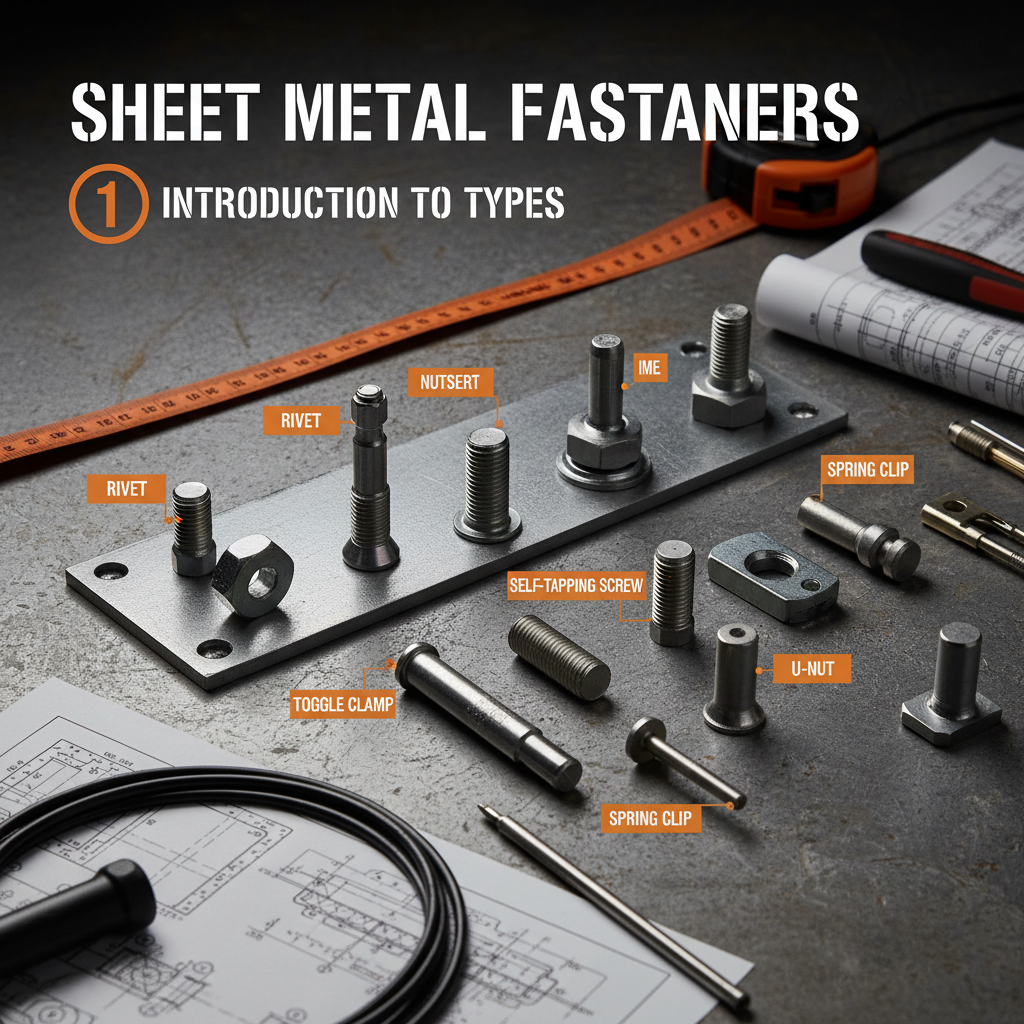
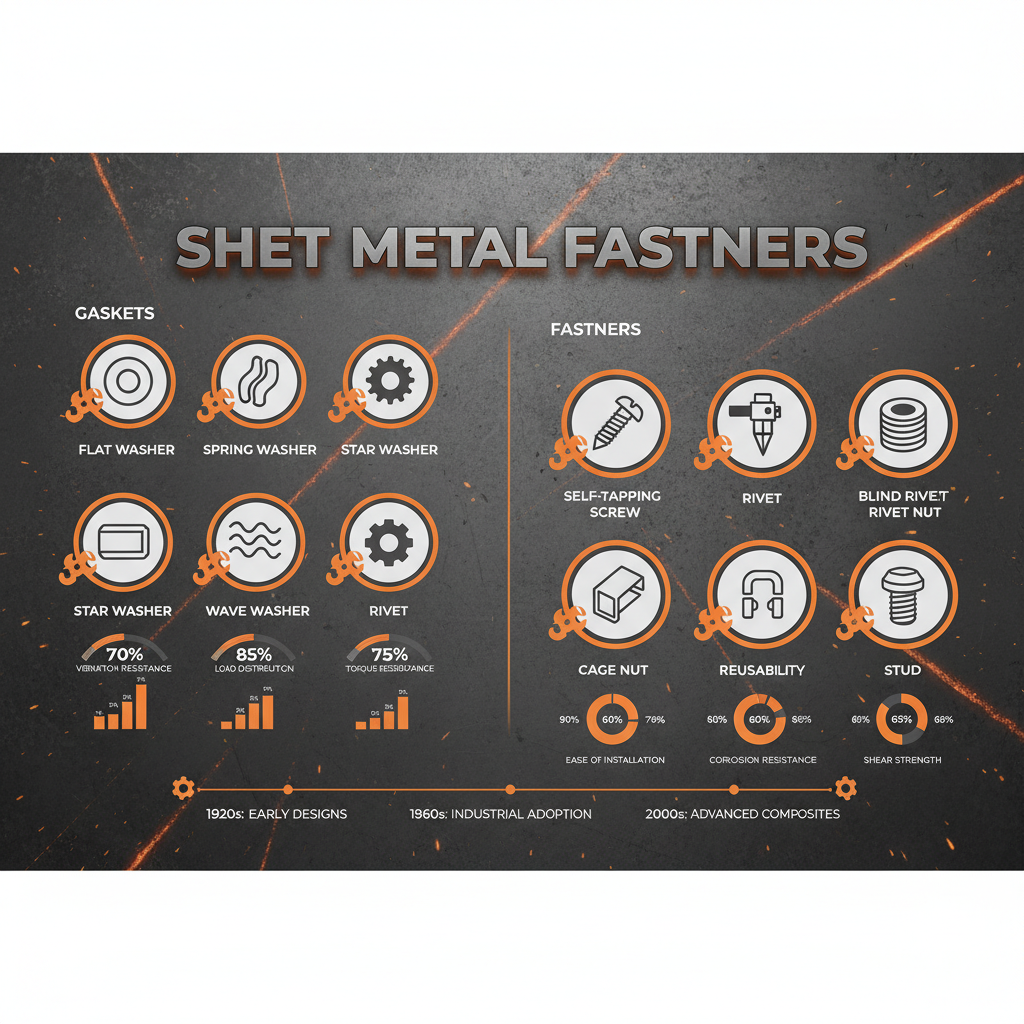
Simply put, sheet metal fasteners are the components used to join pieces of thin metal sheets together. But it’s way more nuanced than that. They come in countless forms – screws, rivets, bolts, nuts, washers, and specialized fasteners like clinch nuts and self-piercing rivets. Each type is designed for a specific application and material combination. It’s not a one-size-fits-all game.
The connection to modern industry is undeniable. Modern manufacturing relies heavily on automated assembly processes, and fasteners are a critical part of that. They allow for quick, repeatable, and reliable connections. And in humanitarian applications, like building temporary shelters after a disaster, quick and easy-to-use fasteners can be life-saving.
Really, it boils down to securely joining materials without compromising their structural integrity. Choosing the right fastener is about balancing strength, durability, cost, and ease of installation.
Key Factors in Fastener Selection
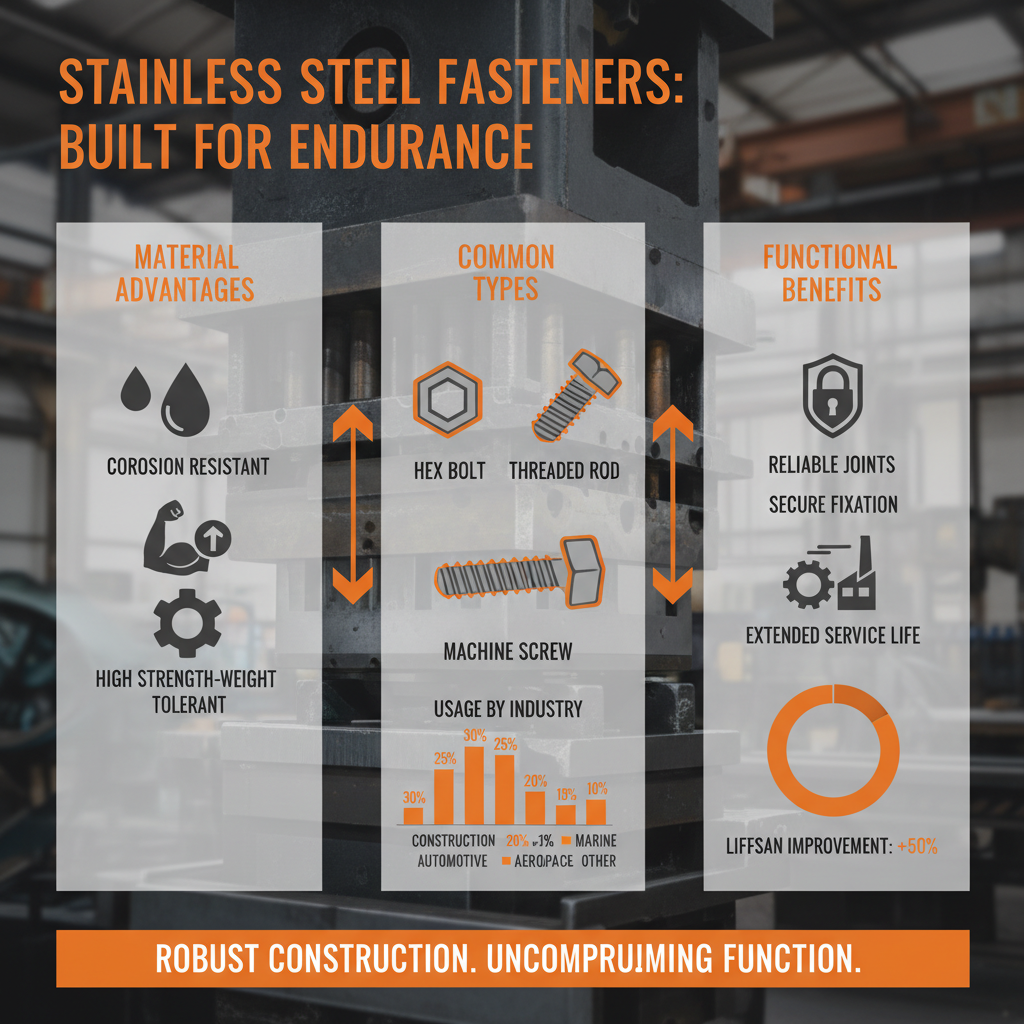
There are several key things I look at when choosing a fastener. First, material compatibility. You don't want to use a steel fastener with aluminum, or you'll end up with galvanic corrosion. Second, load requirements. How much weight or stress will the fastener need to withstand? Third, environmental conditions. Will it be exposed to moisture, chemicals, or extreme temperatures?
Then there's installation method. Can it be installed with hand tools, or does it require specialized equipment? And finally, cost. While you don't want to cheap out, you also don't want to overspend on features you don't need. It’s about finding the sweet spot between performance and budget.
Sheet Metal Fastener Performance Comparison
Global Applications and Use Cases
I’ve seen these fasteners used in everything from building skyscrapers in Dubai to repairing fishing boats in Vietnam. In the automotive industry, they’re essential for assembling body panels and internal components. HVAC systems rely heavily on sheet metal screws and rivets to connect ductwork and housings. And in disaster relief, quick-deploy shelters often utilize specialized fasteners for rapid assembly.
Think about modular construction. The speed and efficiency of modular builds depend heavily on using the right types of sheet metal fasteners. Or consider the aerospace industry, where every gram counts. They’re constantly pushing the boundaries of fastener technology to reduce weight and improve performance.
Advantages and Long-Term Value
The benefits of using the right fasteners are numerous. Improved structural integrity translates to increased safety and longevity. Reduced installation time saves money on labor costs. And using corrosion-resistant materials minimizes the need for maintenance and repairs. It's an investment that pays off in the long run.
From a sustainability standpoint, choosing durable fasteners reduces waste. If something doesn't need to be replaced, that’s a win for everyone. And when you're dealing with critical infrastructure, the peace of mind that comes with knowing your connections are secure is priceless.
Future Trends and Innovations
We’re seeing a lot of innovation in the fastener world right now. Self-drilling screws that eliminate the need for pre-drilled holes are gaining popularity. And there’s a growing interest in smart fasteners that can monitor stress levels and provide early warnings of potential failure.
The push towards lighter materials is also driving research into new alloys and fastening techniques. And with the rise of automation, we're seeing more sophisticated robotic systems for fastener installation. I’m also watching the development of biodegradable fasteners – a game-changer for certain applications.
The biggest thing I see on the horizon is data integration. Being able to track fastener performance, predict maintenance needs, and optimize designs based on real-world data will be huge.
Core Considerations for Optimizing Sheet Metal Fastener Performance
| Fastener Type |
Material Compatibility |
Installation Complexity |
Cost (1-10) |
| Self-Tapping Screws |
Generally good for similar metals (steel to steel) |
Low - Moderate |
4 |
| Pop Rivets |
Versatile, good for dissimilar metals |
Low |
3 |
| Sheet Metal Screws |
Best for thinner gauge materials |
Low - Moderate |
2 |
| Weld Nuts |
Steel to steel, requiring welding |
High - Requires skilled welder |
6 |
| Clinch Nuts |
Steel or aluminum sheets |
Moderate - Requires specialized tool |
5 |
| Self-Piercing Rivets |
Suitable for joining dissimilar materials |
Moderate - Requires specialized tool |
7 |
FAQS
Without a doubt, it's ignoring the environment. If you’re working near saltwater, or in a corrosive environment, you need to use stainless steel or a corrosion-resistant coating. Using standard carbon steel in those conditions is just asking for trouble. I've seen entire projects delayed because of premature fastener failure due to corrosion.
Not necessarily. While they're quick to install, they’re not ideal for all applications. They can split thinner materials if not used carefully, and they don’t always provide the strongest connection. Sometimes, taking the extra step to pre-drill and use a traditional screw is the better long-term solution. It's all about balancing speed with reliability.
A screw creates a threaded connection, while a rivet creates a permanent mechanical connection. Rivets are good for situations where you don't want to disassemble the joint, and they're often faster to install. Screws, on the other hand, allow for disassembly and adjustment. They also generally offer stronger clamping force.
The key is to isolate the metals. Use insulating washers or sleeves, or choose fasteners made from a compatible alloy. You can also apply a corrosion-inhibiting compound to the joint. Proper surface preparation is also crucial – ensure both surfaces are clean and free of contaminants before assembly.
Certifications are a good start, like ISO 9001. Look for a supplier that can provide material test reports and traceability. And importantly, find someone who understands your application and can offer technical support. A good supplier is a partner, not just a vendor.
Clinch nuts are installed into a sheet metal panel to provide a strong, threaded insert. They're great for applications where you need a secure connection that won't loosen over time. Use them when you need to repeatedly assemble and disassemble components, or when you need a high-strength thread.
Conclusion
Ultimately, understanding types of sheet metal fasteners isn’t just a technical exercise. It's about building things that are safe, reliable, and long-lasting. It's about making smart choices that save time, money, and headaches down the road. It's about understanding the materials, the environment, and the loads involved to choose the right tool for the job.
Don’t underestimate the importance of these little components. Invest in quality fasteners, train your team on proper installation techniques, and don’t be afraid to ask for expert advice. A little knowledge and attention to detail can make all the difference. For more information and a wide selection of sheet metal fasteners, visit our website: www.gardepota.com.